Sixth Avenue — History & Analysis
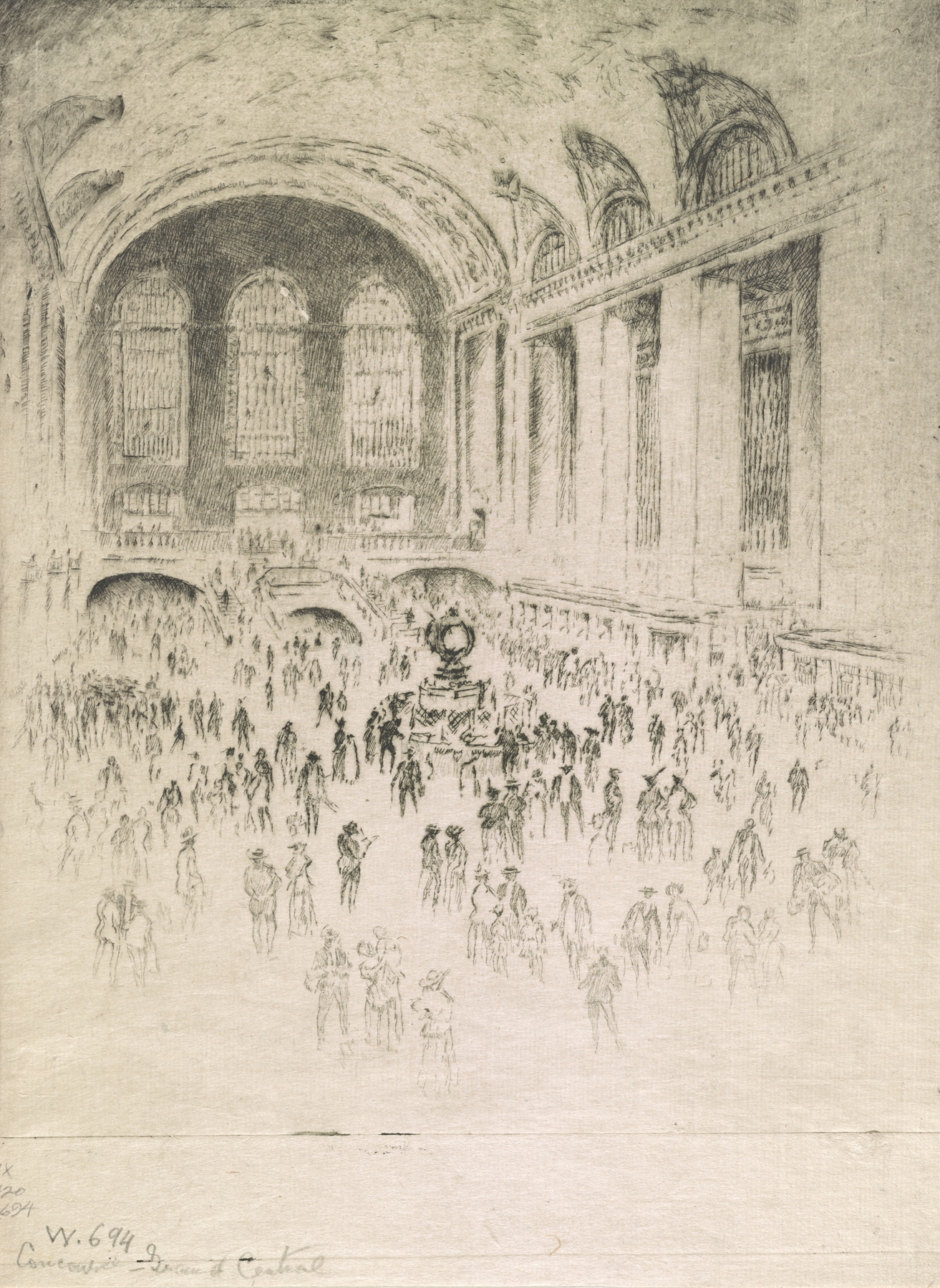
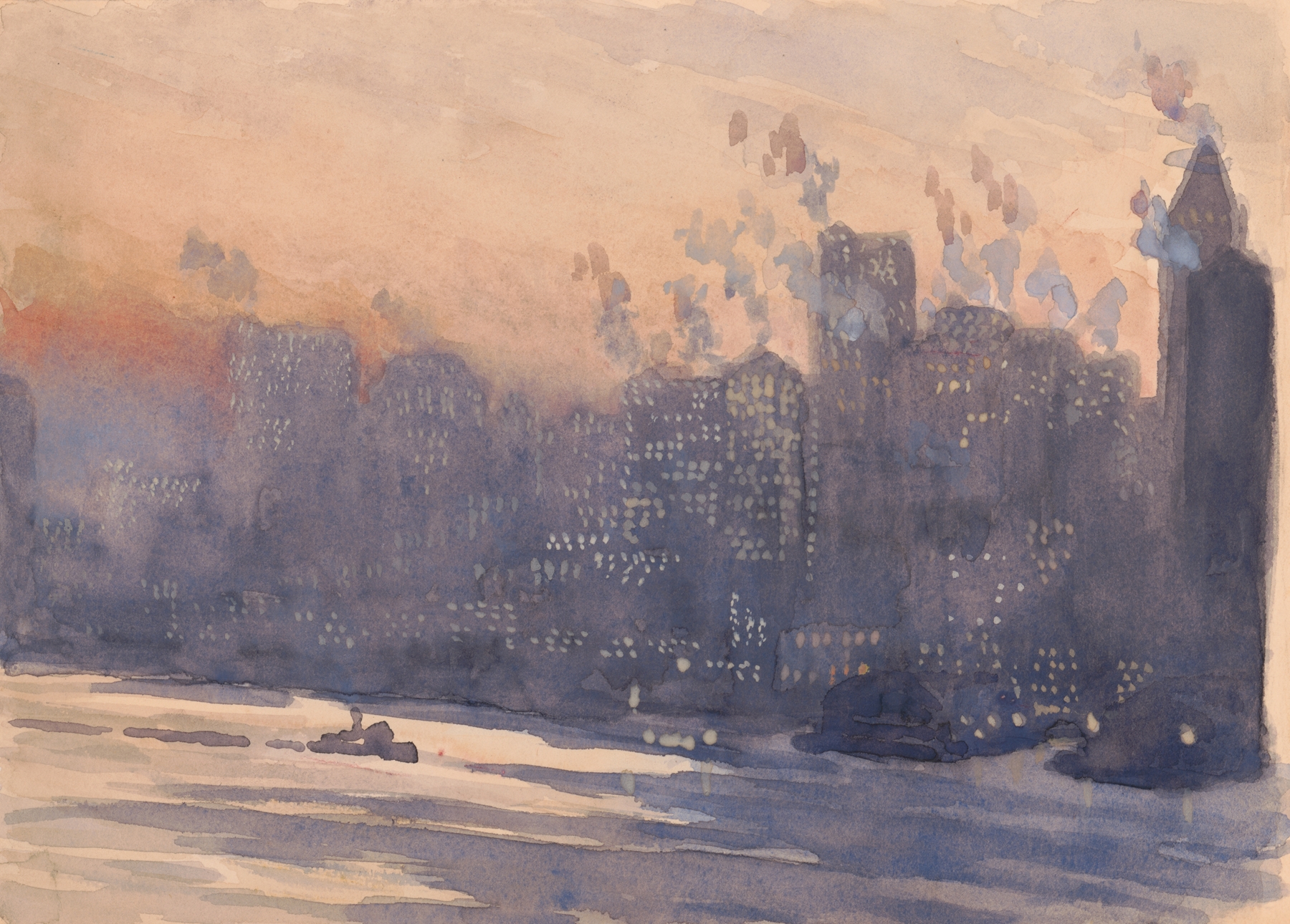
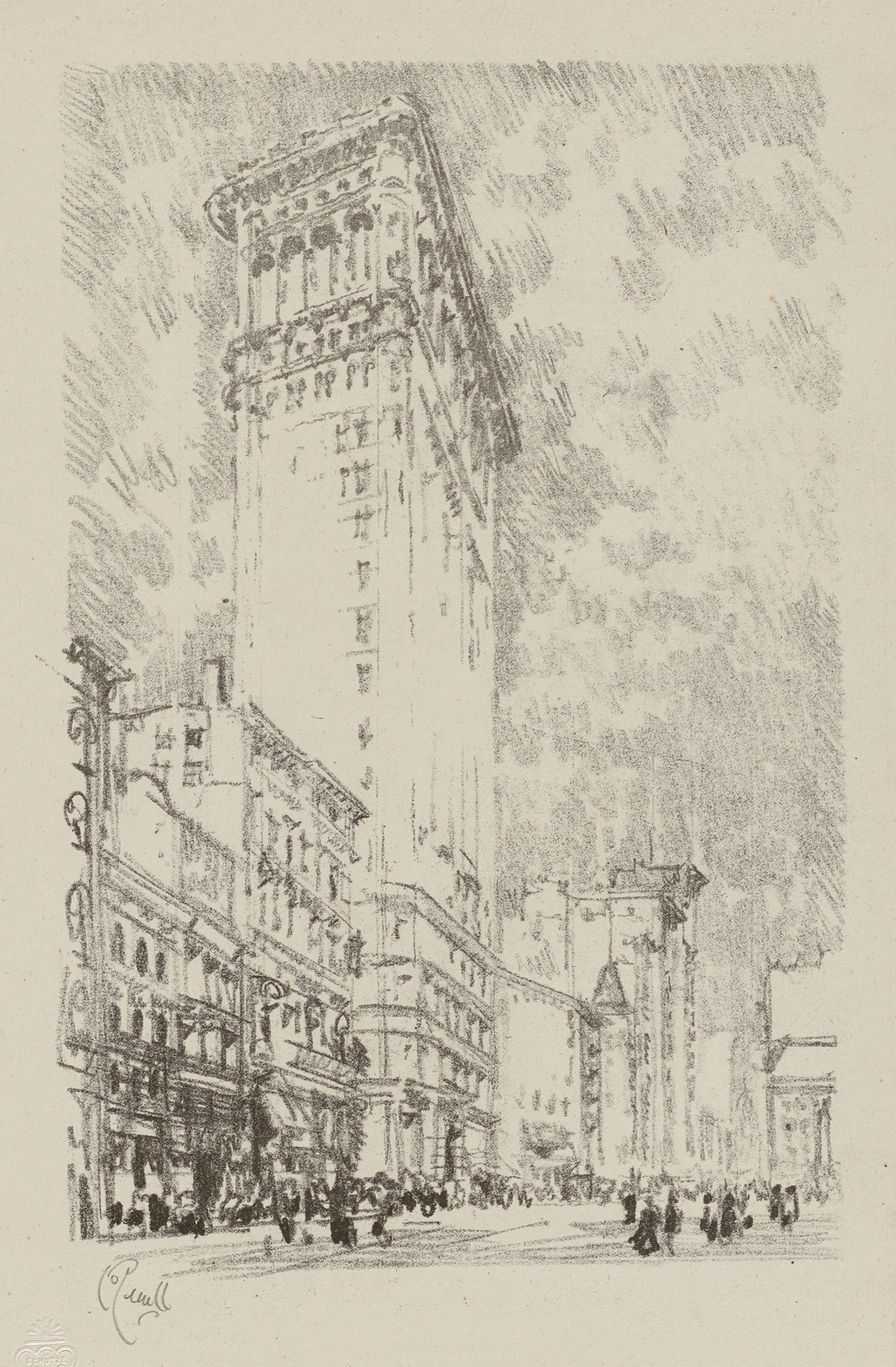
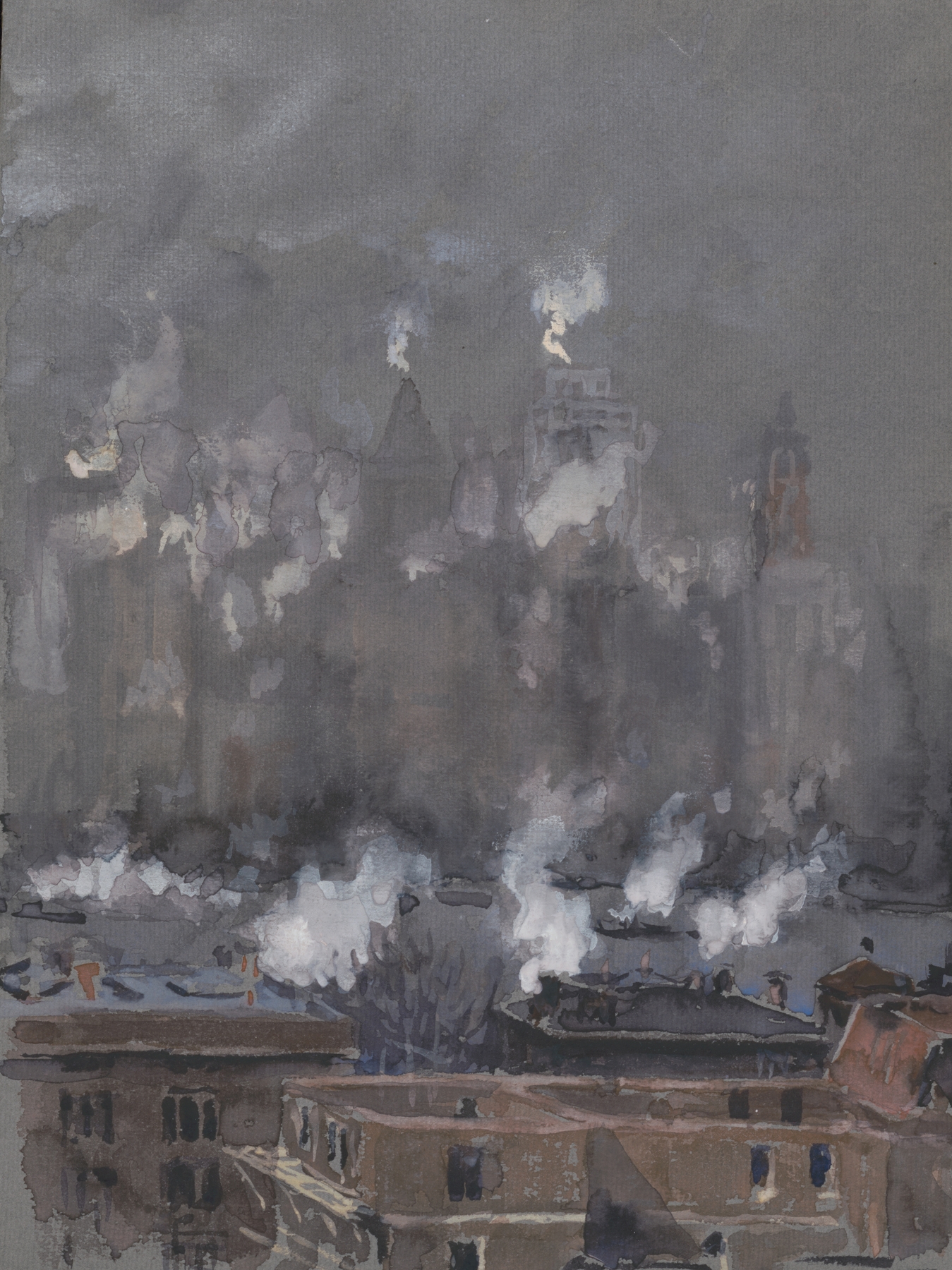
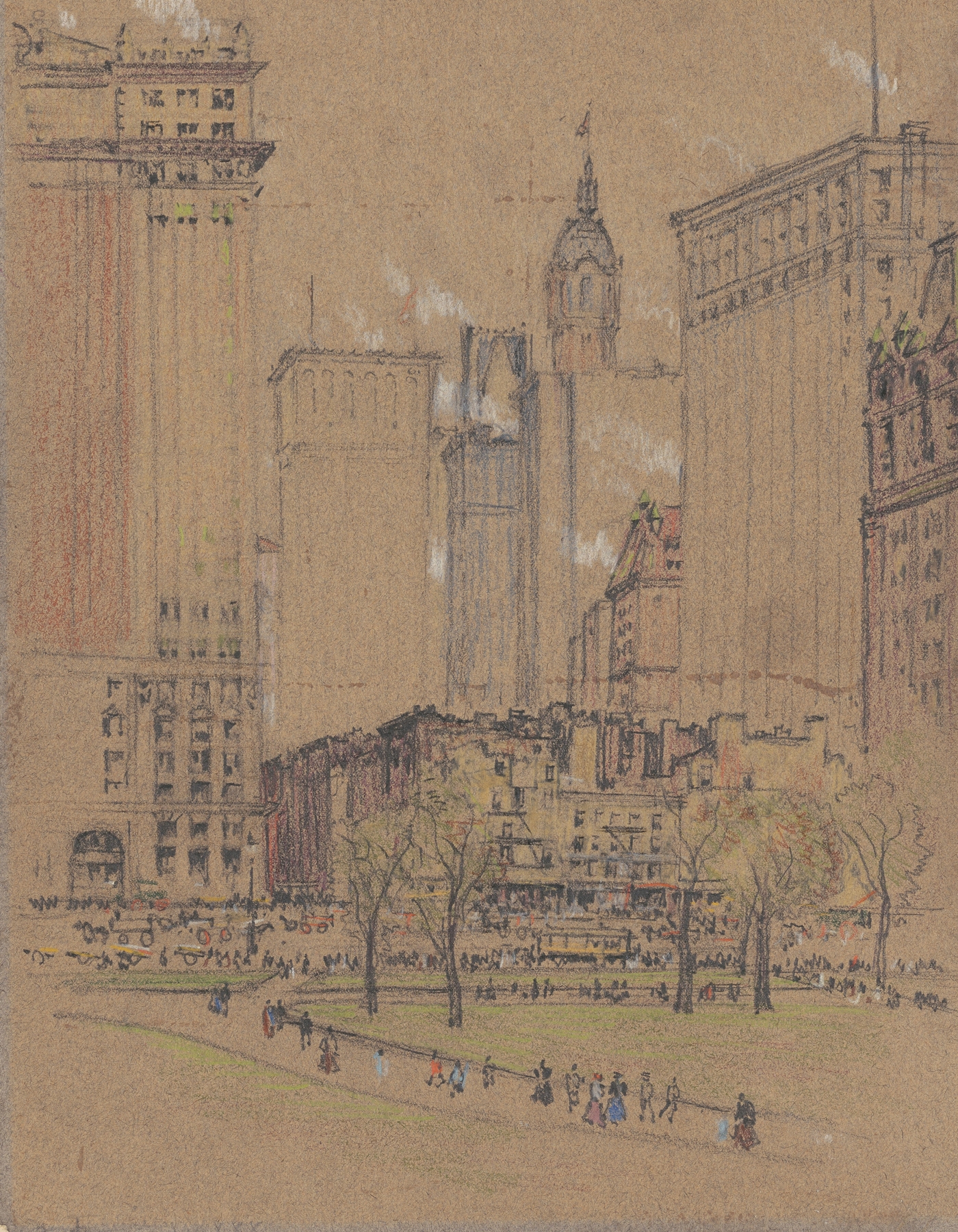
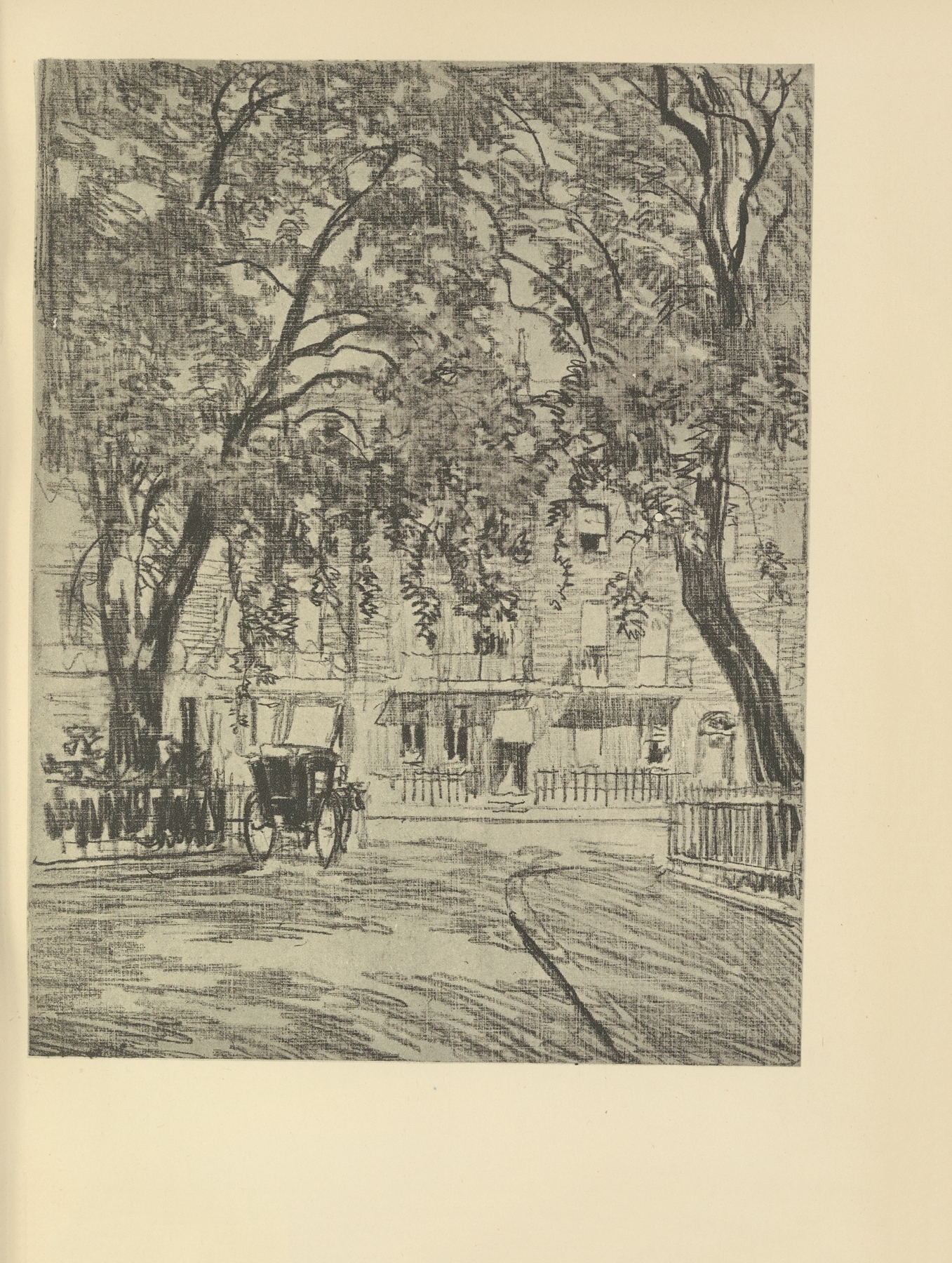
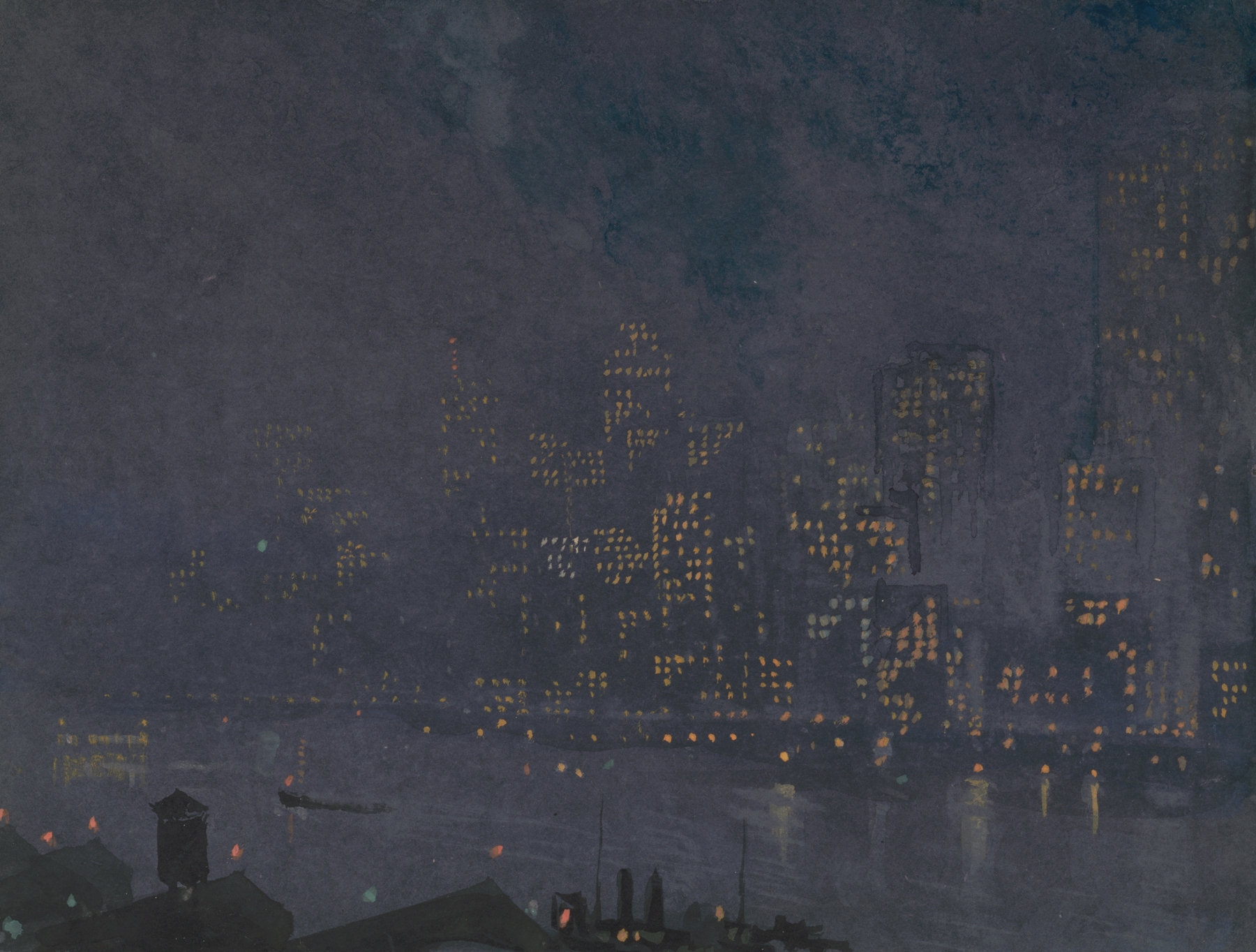
Art reveals the soul when the world turns away. In the swirling chaos of urban life, balance becomes a fragile thread that connects the observer to the unseen rhythms of the city. Look to the center of the composition, where architectural lines converge, drawing your eye upward. The stark contrast between light and shadow emphasizes the monumental structures of Sixth Avenue, creating a dramatic tension. Notice how the interplay of warm and cool tones captures the time of day, perhaps dusk, when the city’s heartbeat quickens yet seems to pause for breath.
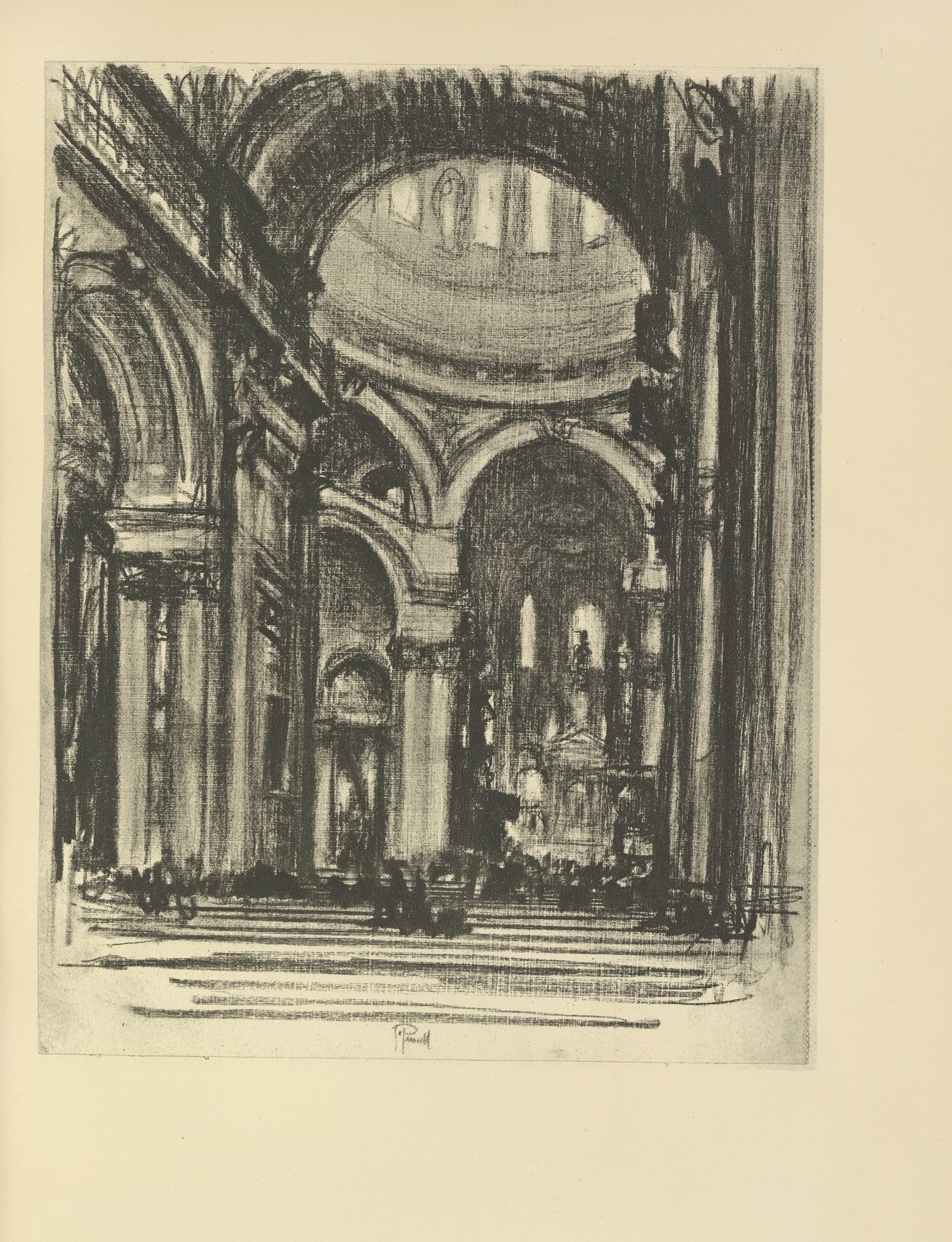
The meticulous pen strokes breathe life into each building, highlighting their grandeur while simultaneously invoking a sense of solitude. Embedded within the scene lies a dichotomy of motion and stillness. The bustling figures scurrying below contrast with the towering edifices above, suggesting the overwhelming nature of urban existence. Each figure, though minute in scale, reflects the lives lived in frenetic pursuit, while the stillness of the structures evokes a sense of permanence.
This contrast invites contemplation on the balance between human ambition and the immovable realities of the cityscape. Joseph Pennell painted Sixth Avenue during a transformative era in both his life and the world of art, spanning from 1880 to 1924. Living in New York City, he was deeply influenced by the rapid industrialization and urbanization occurring around him. This work encapsulates his ability to bridge the intimate with the monumental, as he explored the complexities of city life through his lithographs and illustrations, leaving an indelible mark on the evolution of urban art.