The Flat Iron — History & Analysis
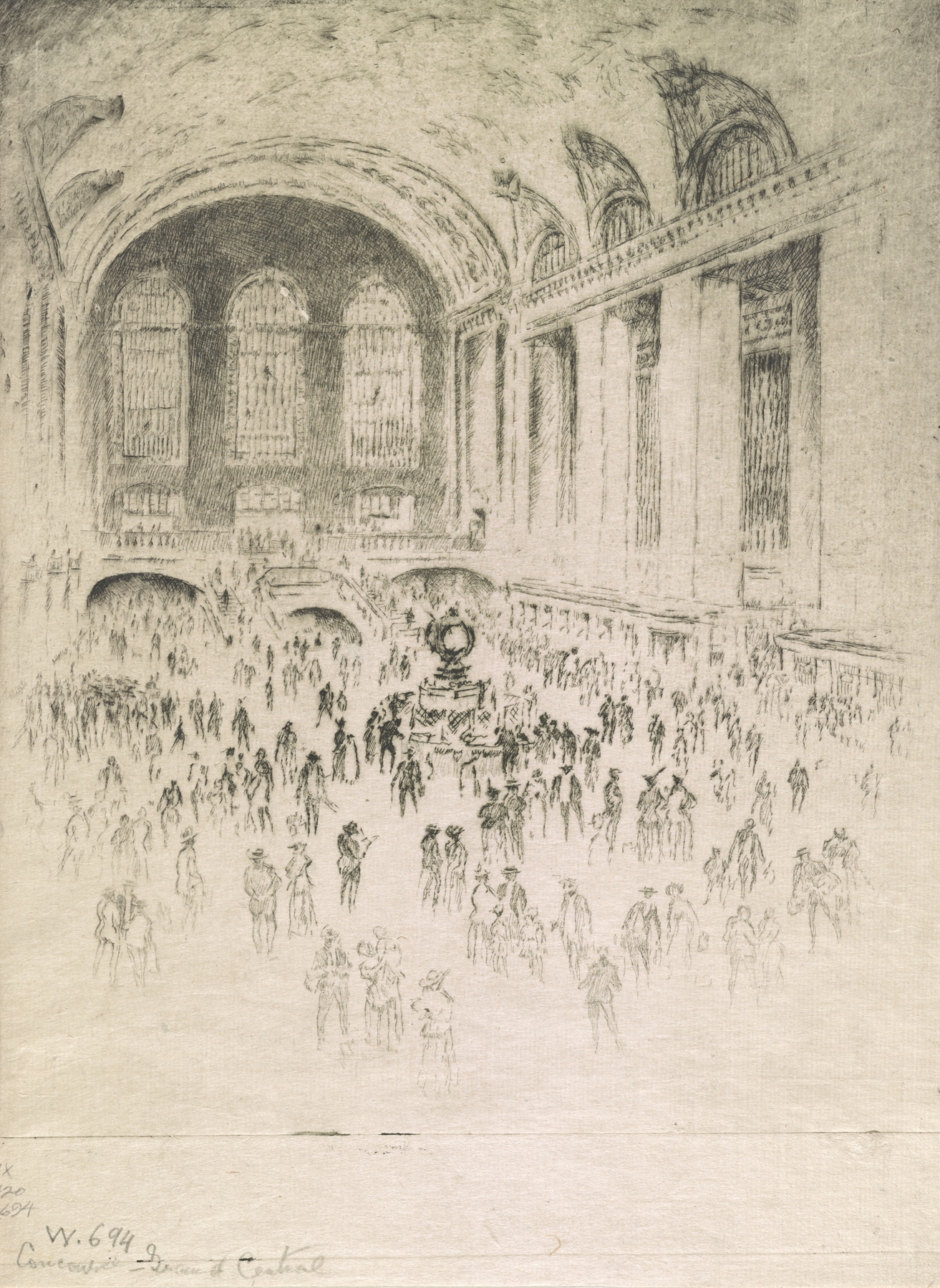
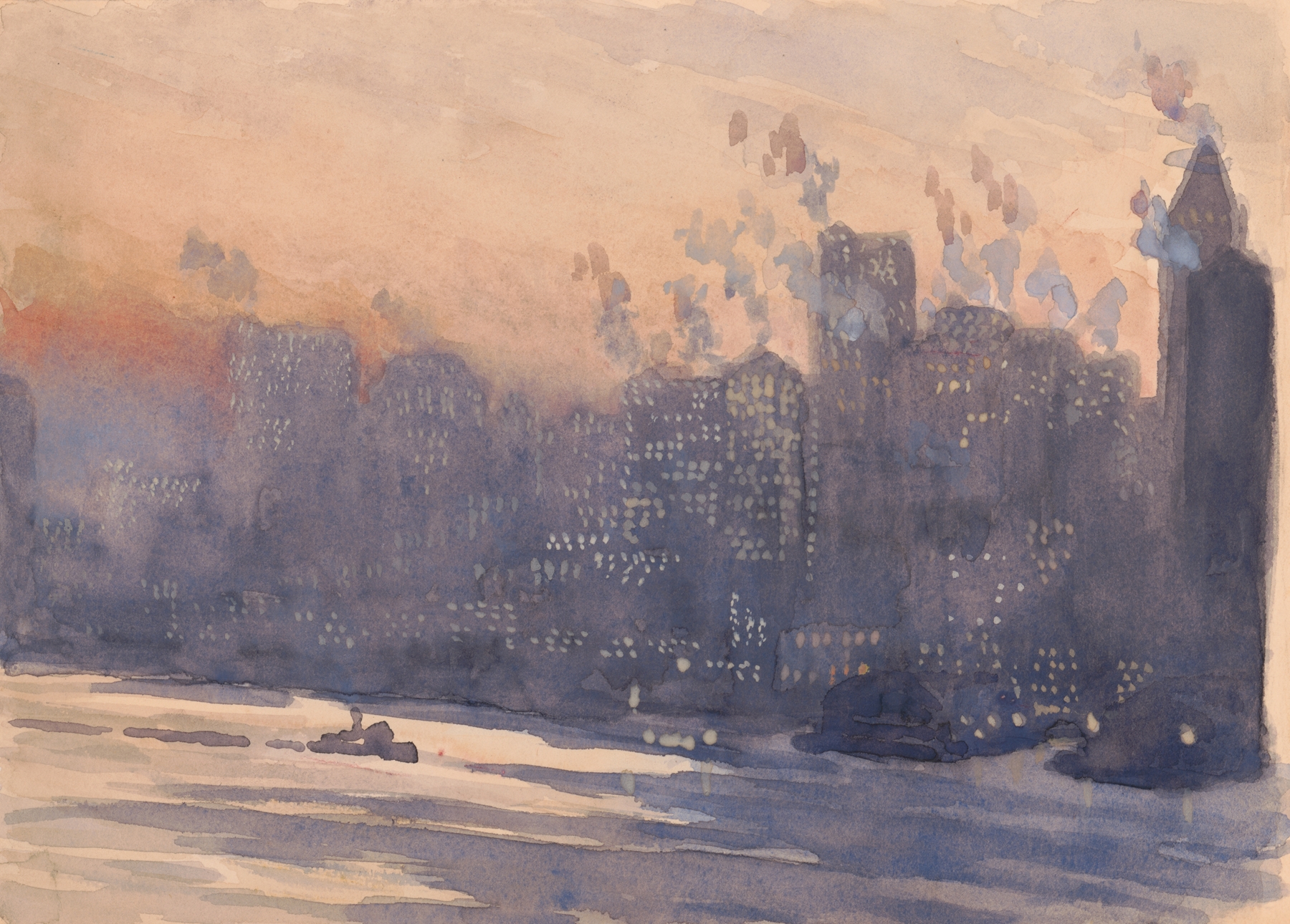
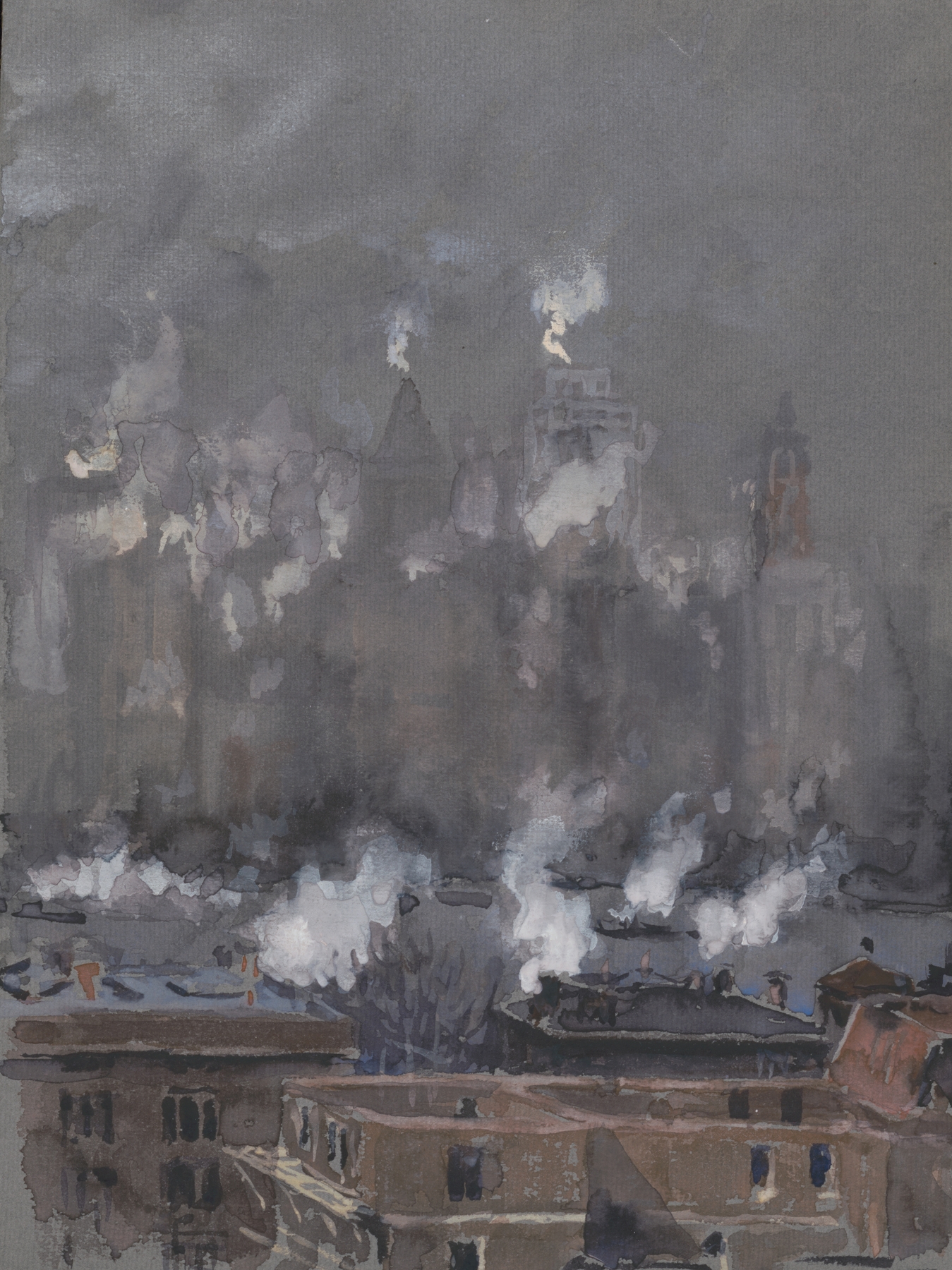
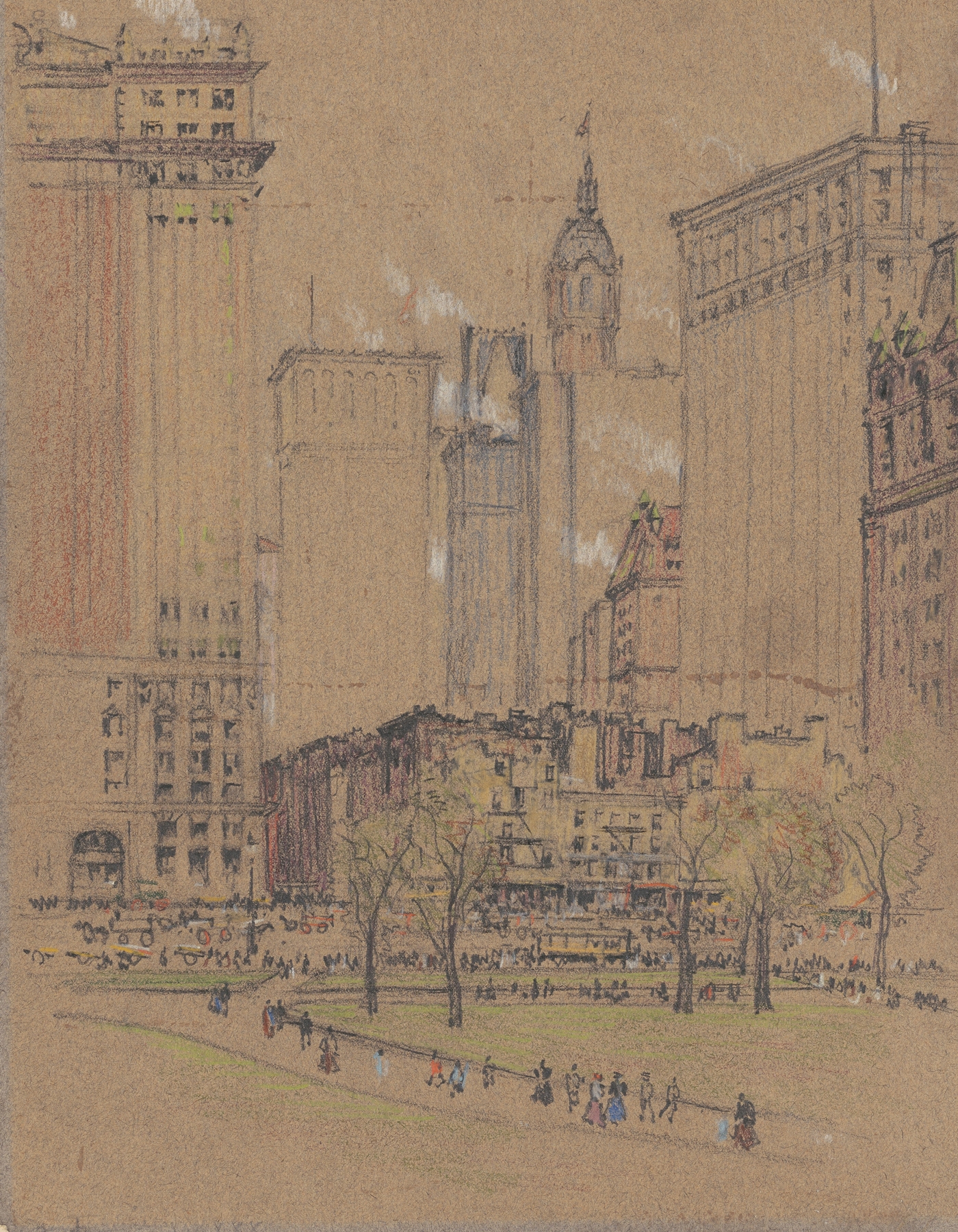
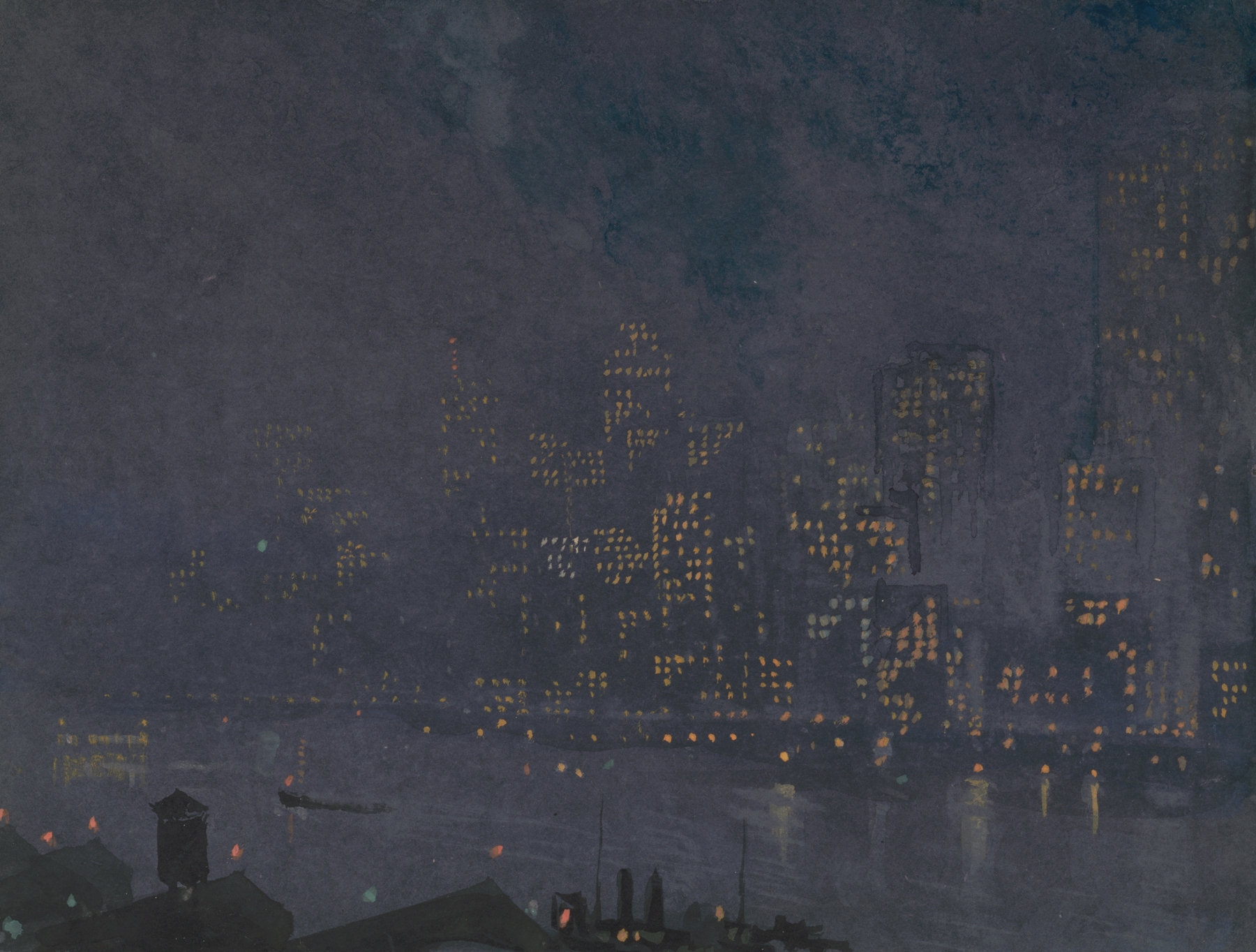
“The canvas doesn’t lie — it simply waits.” In The Flat Iron, the viewer is beckoned to confront an earnest longing that resonates beyond the painted surface. It speaks to the human experience, a silent desire for connection and understanding that feels almost palpable. Look to the foreground, where the iconic Flatiron Building dominates the landscape, its sharp angles and intricate details rendered with meticulous care. Notice how the light bathes the structure in a soft, golden hue, casting shadows that dance along its façade.
The surrounding buildings recede into the background, their muted tones providing a stark contrast to the vibrant energy of the flat iron's presence, pulling you into its embrace as if it holds the very pulse of the city. Delve deeper into the composition, where the juxtaposition of the static building against the ethereal sky hints at the tension between permanence and transience. Each brushstroke captures a moment suspended in time, evoking both nostalgia and aspiration. The bustling streets below, populated with tiny figures, symbolize the vibrancy of life yet also the anonymity that often accompanies urban existence.
Here lies a profound commentary on the interplay of solitude and togetherness in a crowded metropolis. In 1905, Pennell painted this piece during a period marked by rapid urbanization and the rise of modern architecture. Living in New York City, he witnessed firsthand the transformation of the skyline, and his work reflects a deep engagement with the artistic movements of the time, particularly the transition from realism to a more impressionistic approach. This painting encapsulates not only a geographical landmark but also the emotional landscape of a city that was, and still is, a beacon of ambition and hope.