St. James’ Park — History & Analysis
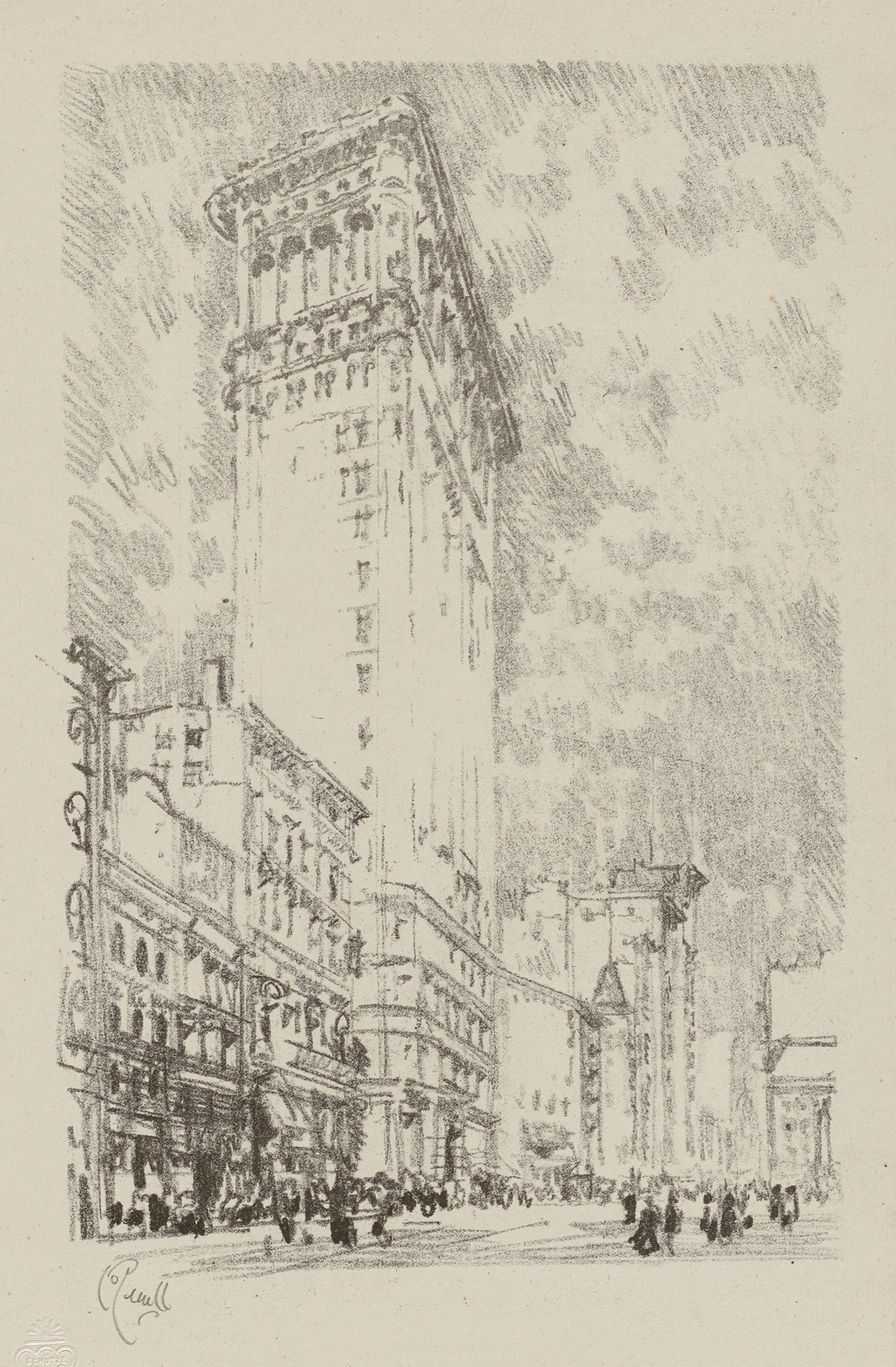
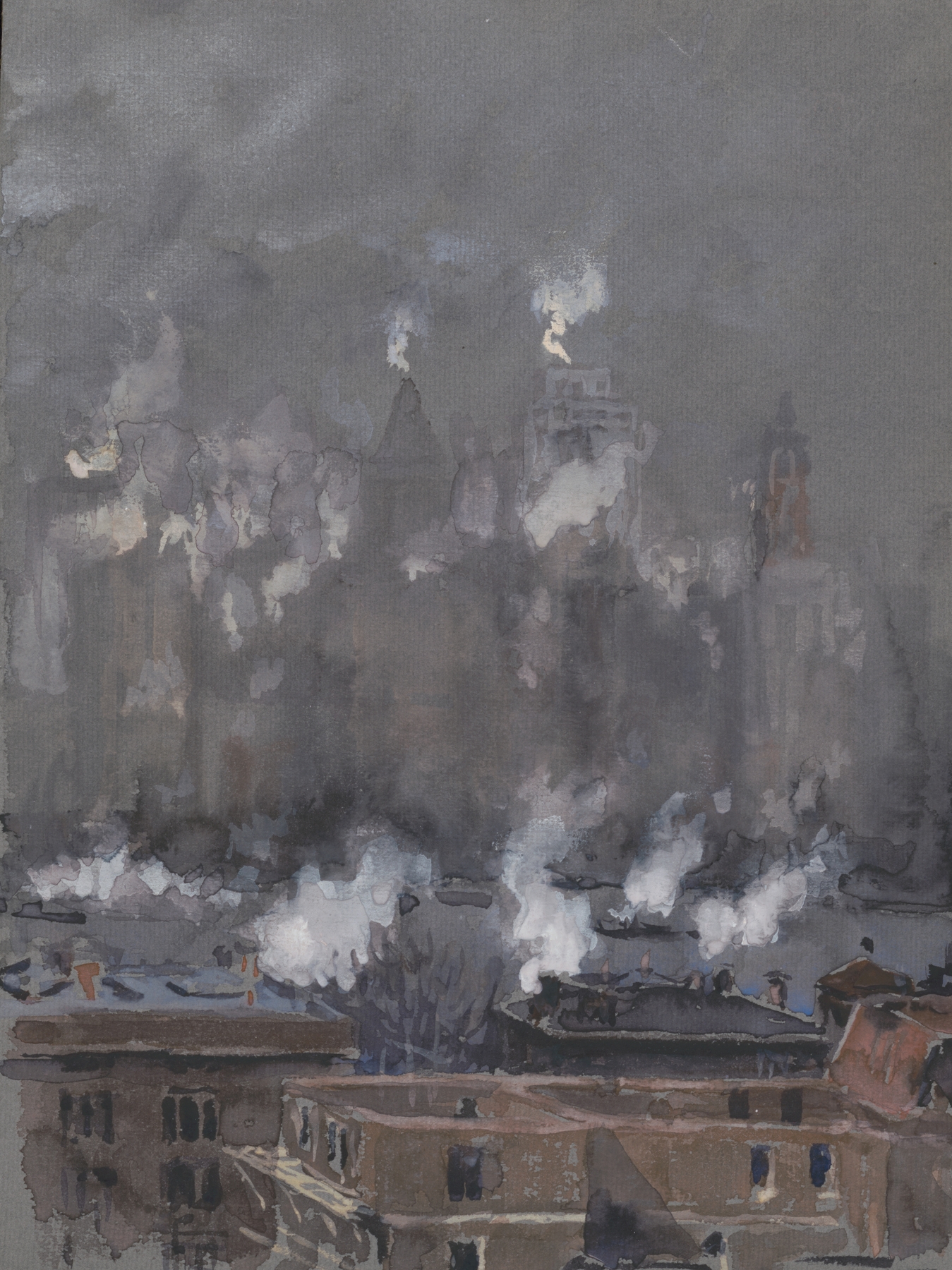
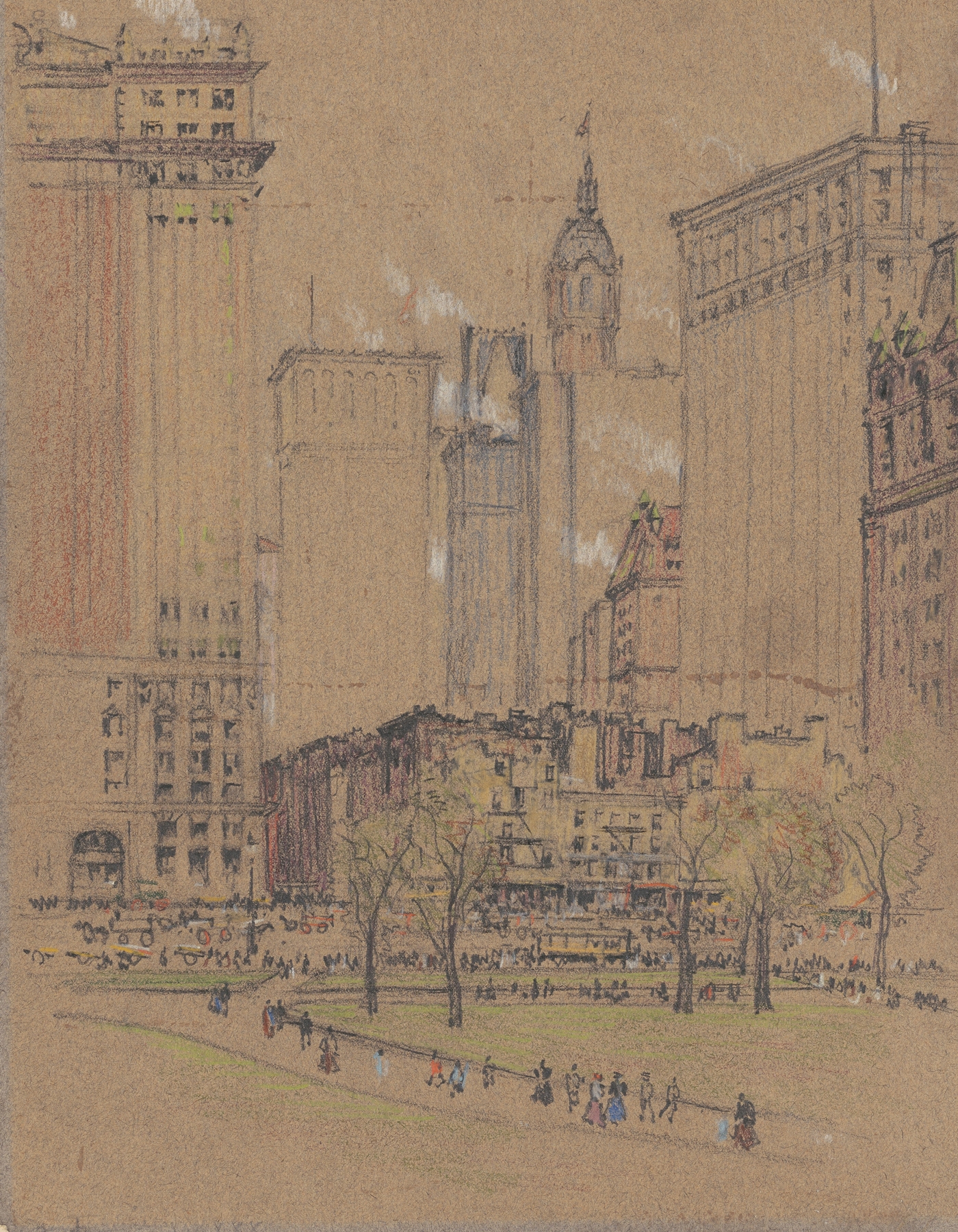
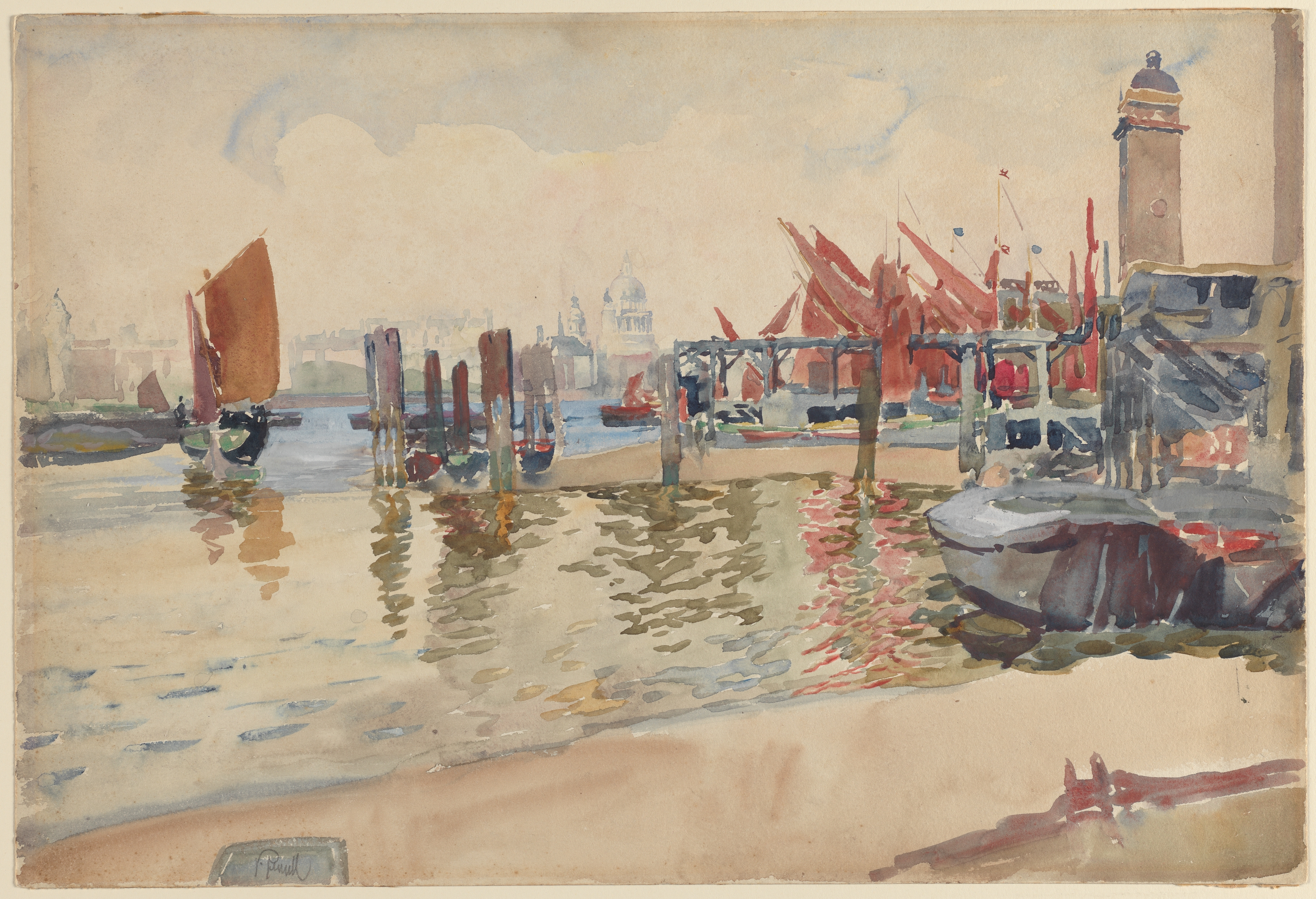
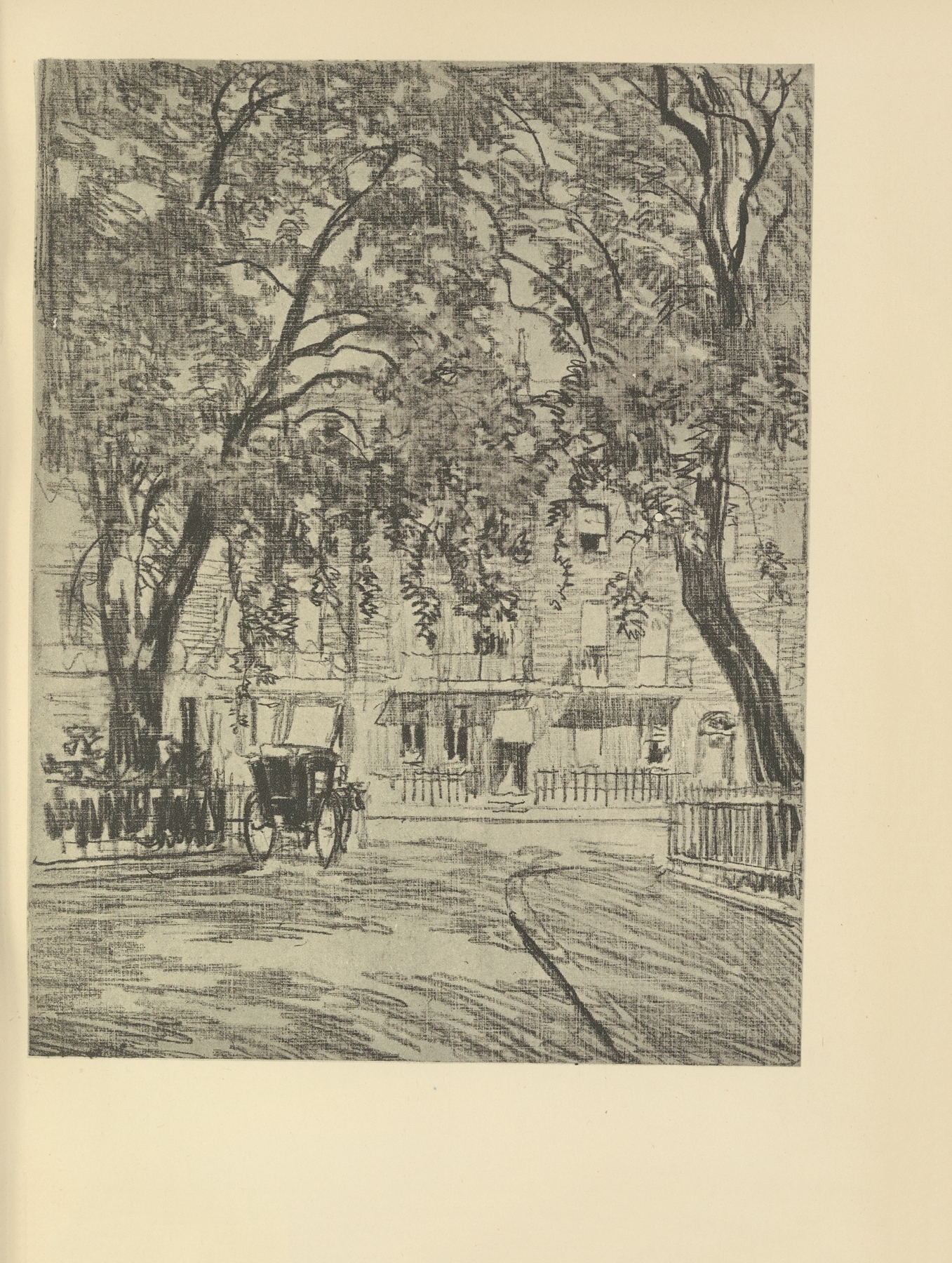
“To paint is to remember what time wants us to forget.” In the gentle strokes of the canvas lies a chilling reminder of the trepidation that often accompanies the passage of time. The scene unfolds, inviting the viewer to confront their own fears wrapped in the beauty of nature. Look to the foreground, where a pathway meanders through lush greenery, beckoning with its promise of escape. The trees stand tall, their branches arching overhead, almost protective, yet imposing.
Notice how the interplay of light and shadow dances across the ground, creating an unsettling contrast that evokes both serenity and unease—an invitation that feels both welcoming and foreboding. In this landscape, the vibrant greens and soft blues suggest peace, yet the looming shadows hint at hidden anxieties. The delicate brushwork captures a fleeting moment, revealing the ephemeral nature of beauty—reminding us that everything is transient. As the viewer, one might feel a sense of longing for what may slip away, a subtle reflection on mortality that lurks beneath the surface.
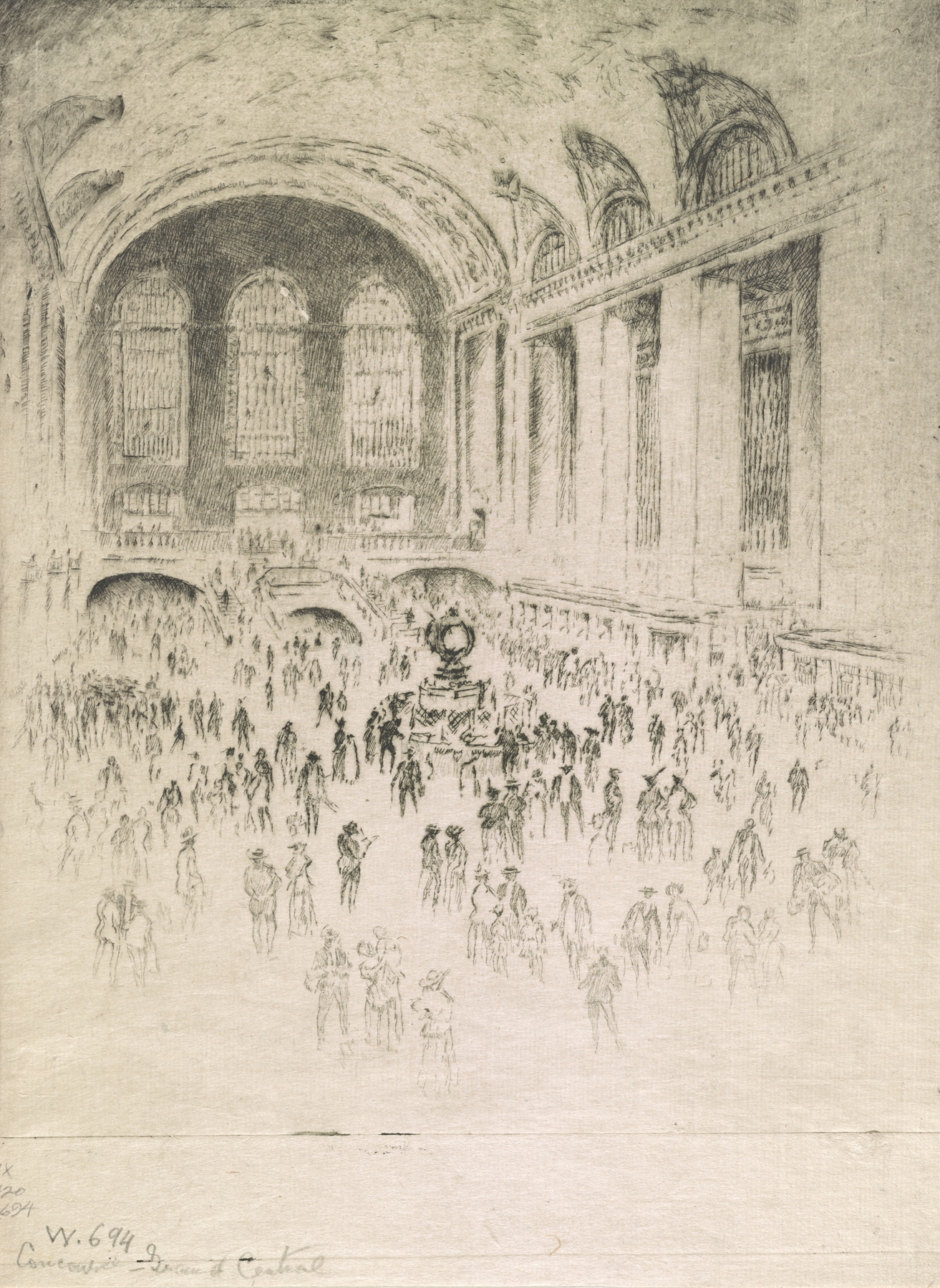
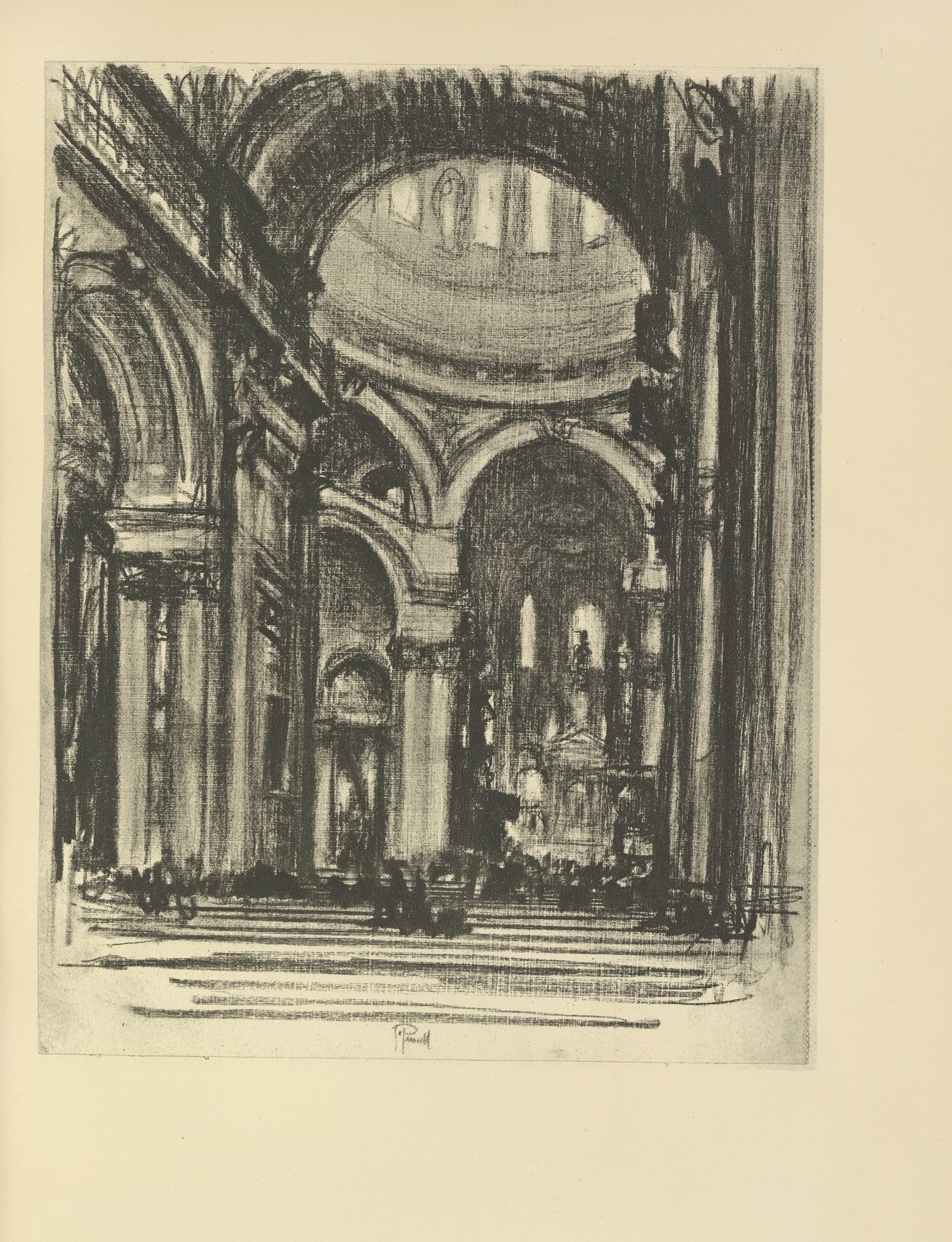
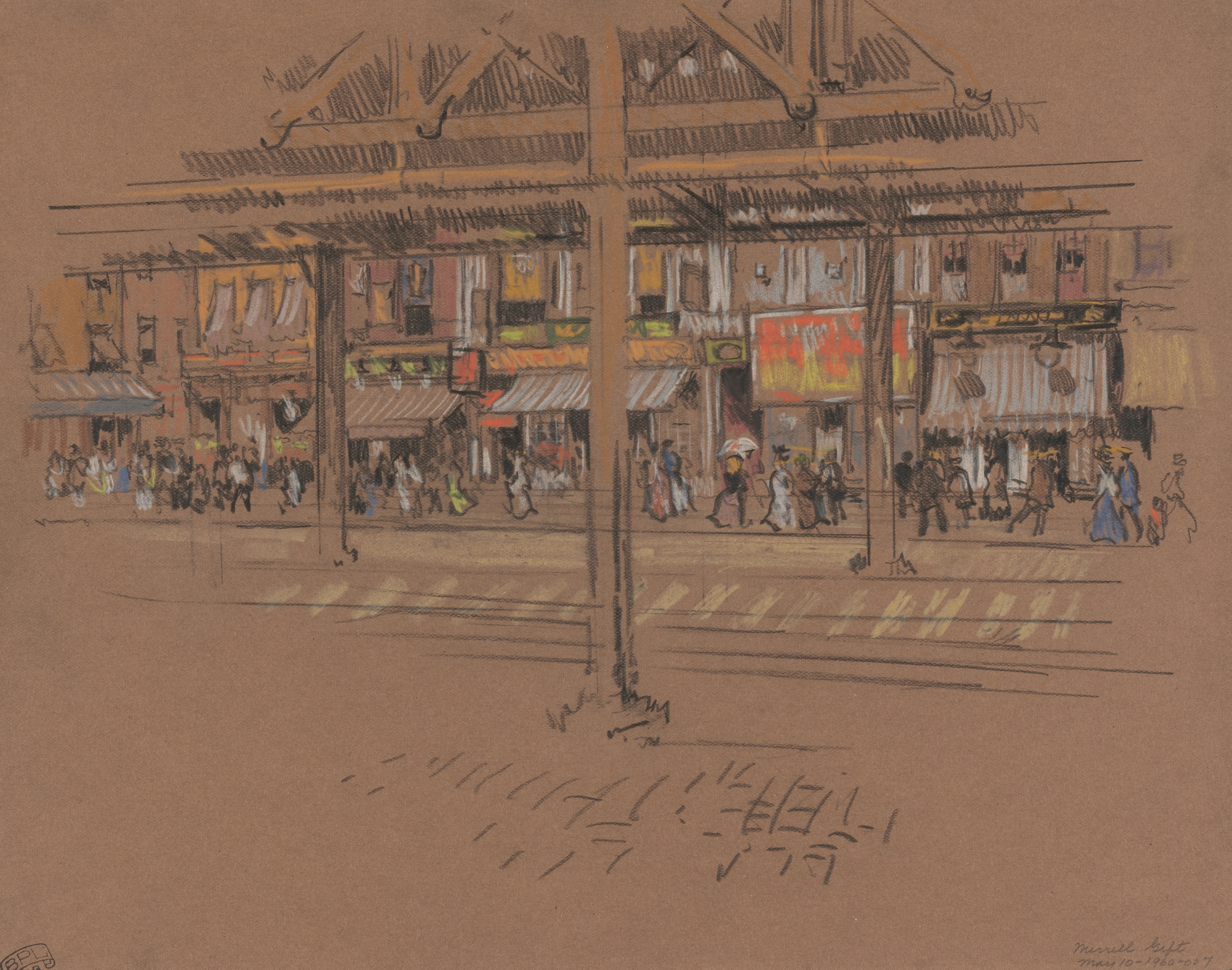
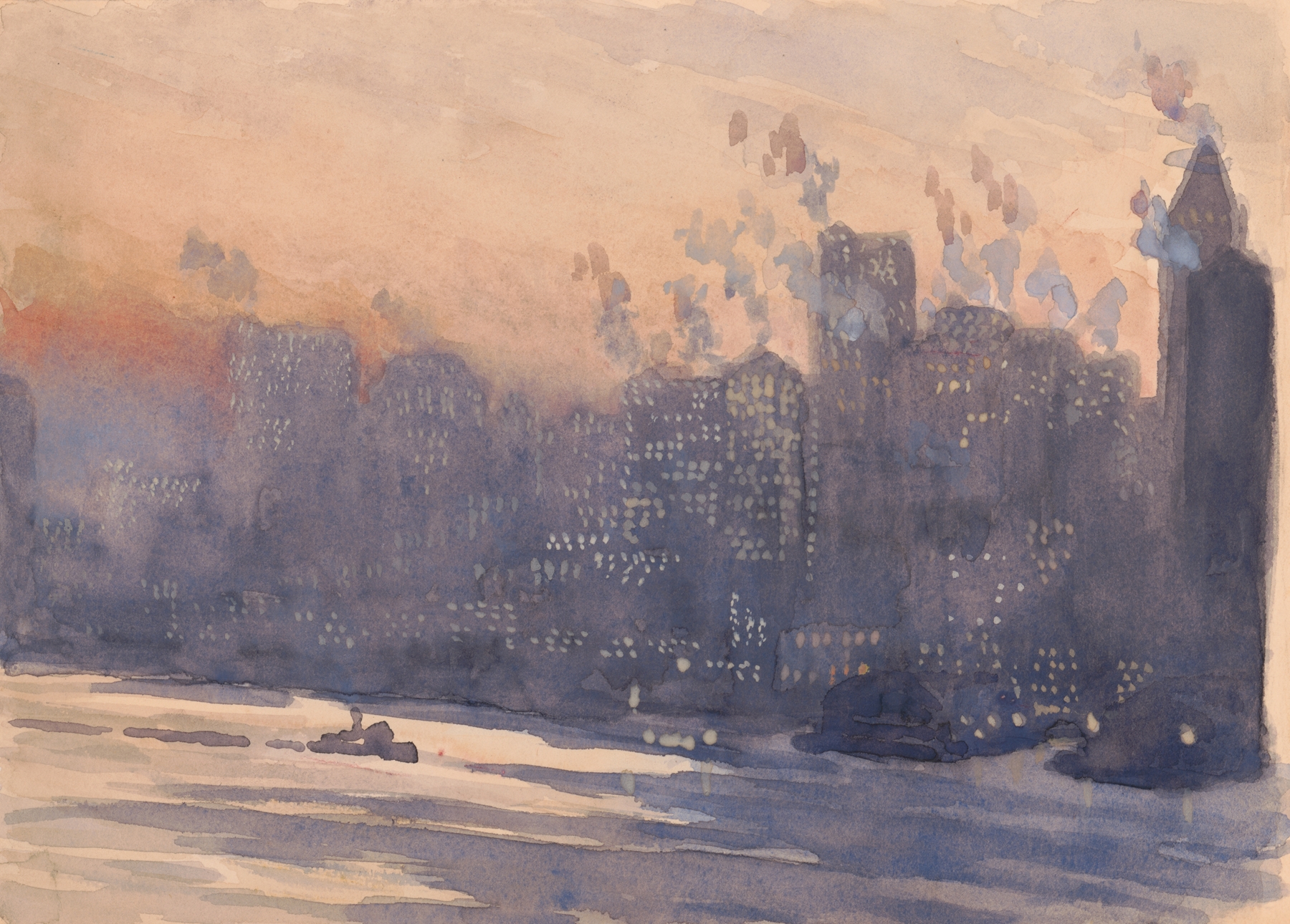
Joseph Pennell painted St. James’ Park in 1928, a time when he was entrenched in the vibrant art scene of London. The post-World War I era was marked by a search for identity and meaning, as artists navigated the complexities of modern life. This piece, created during a period of both personal and societal reflection, captures not only the splendor of the park but also the underlying currents of fear and loss that marked the human experience of the day.