New York,the Old and the New — History & Analysis
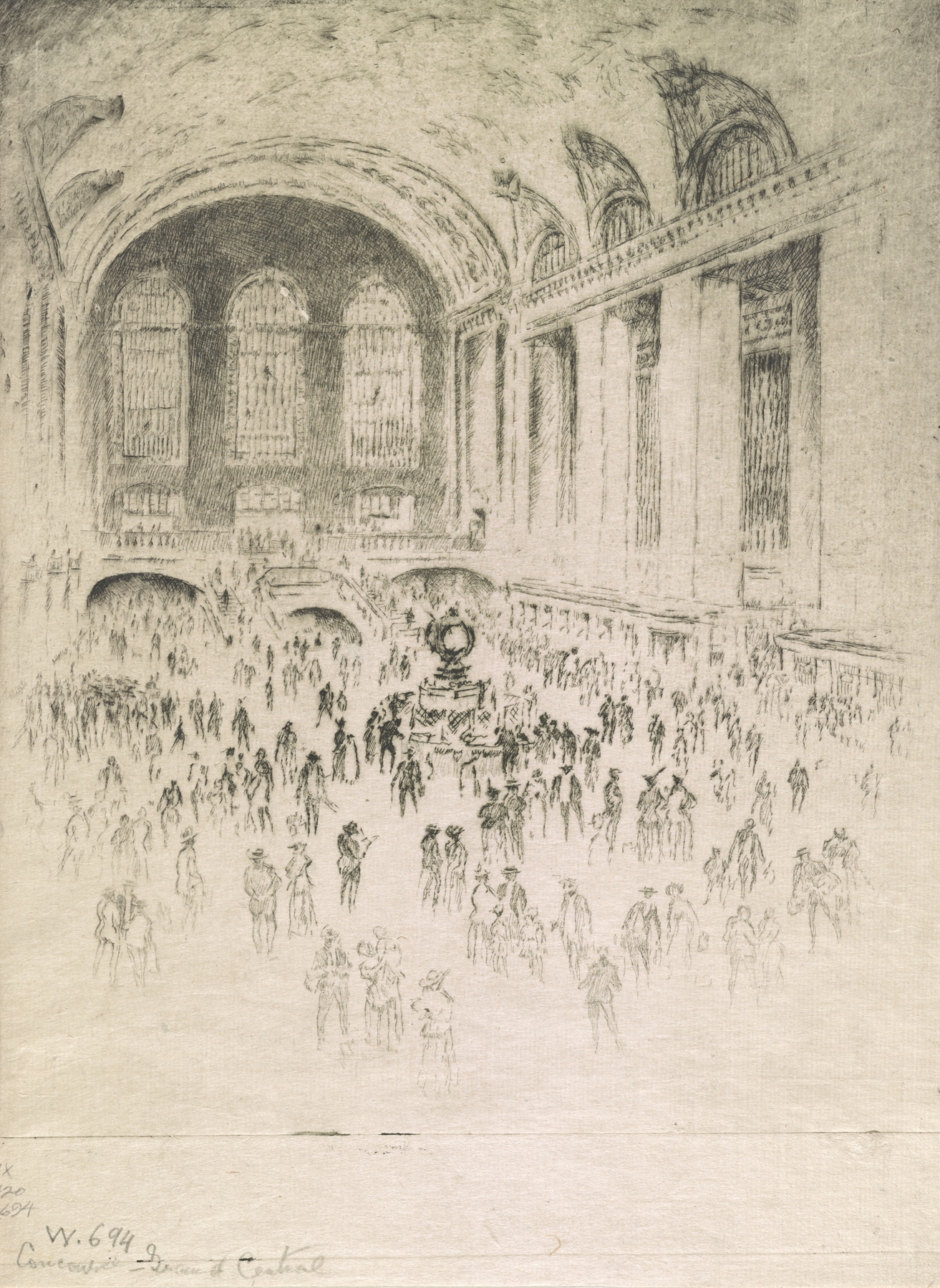
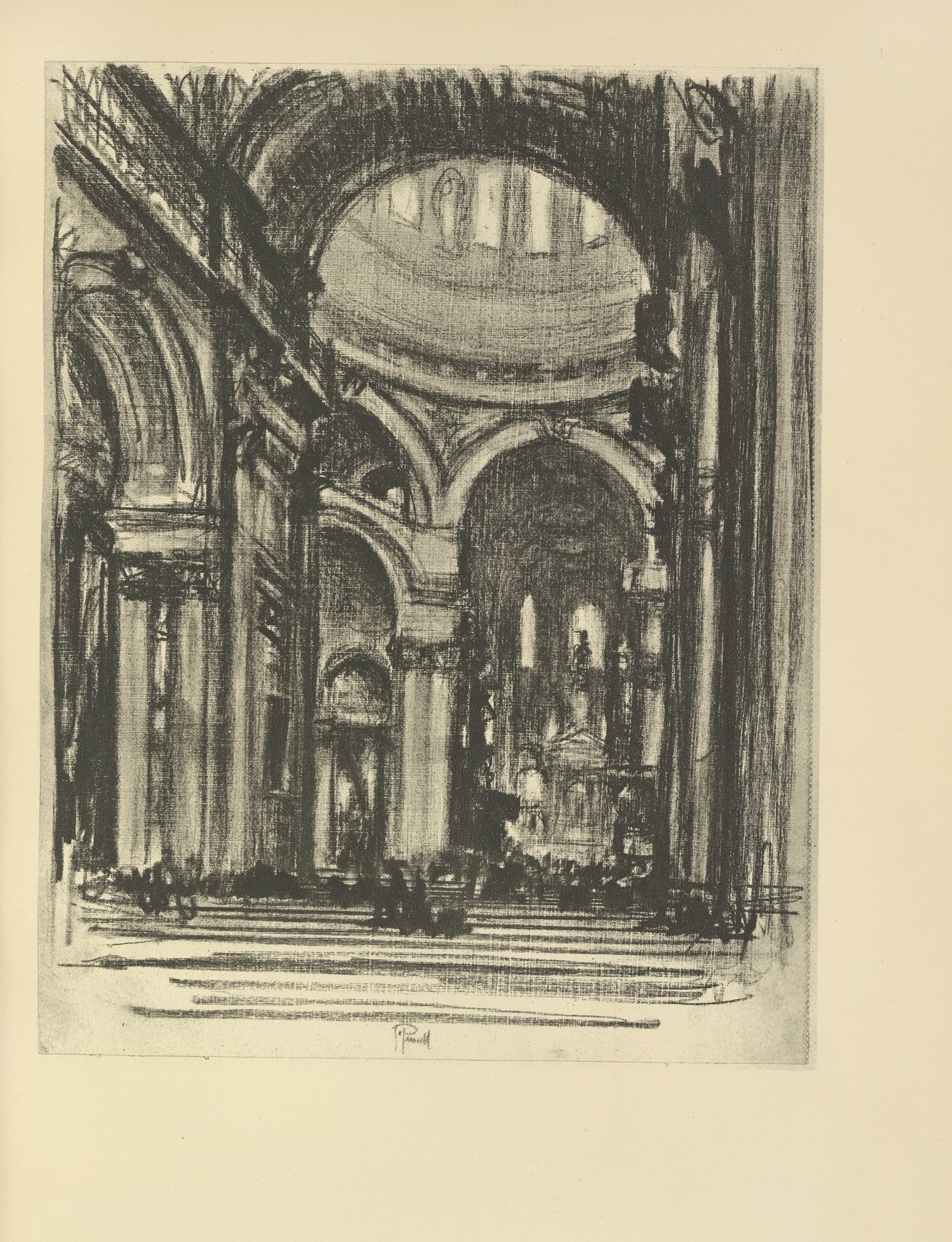
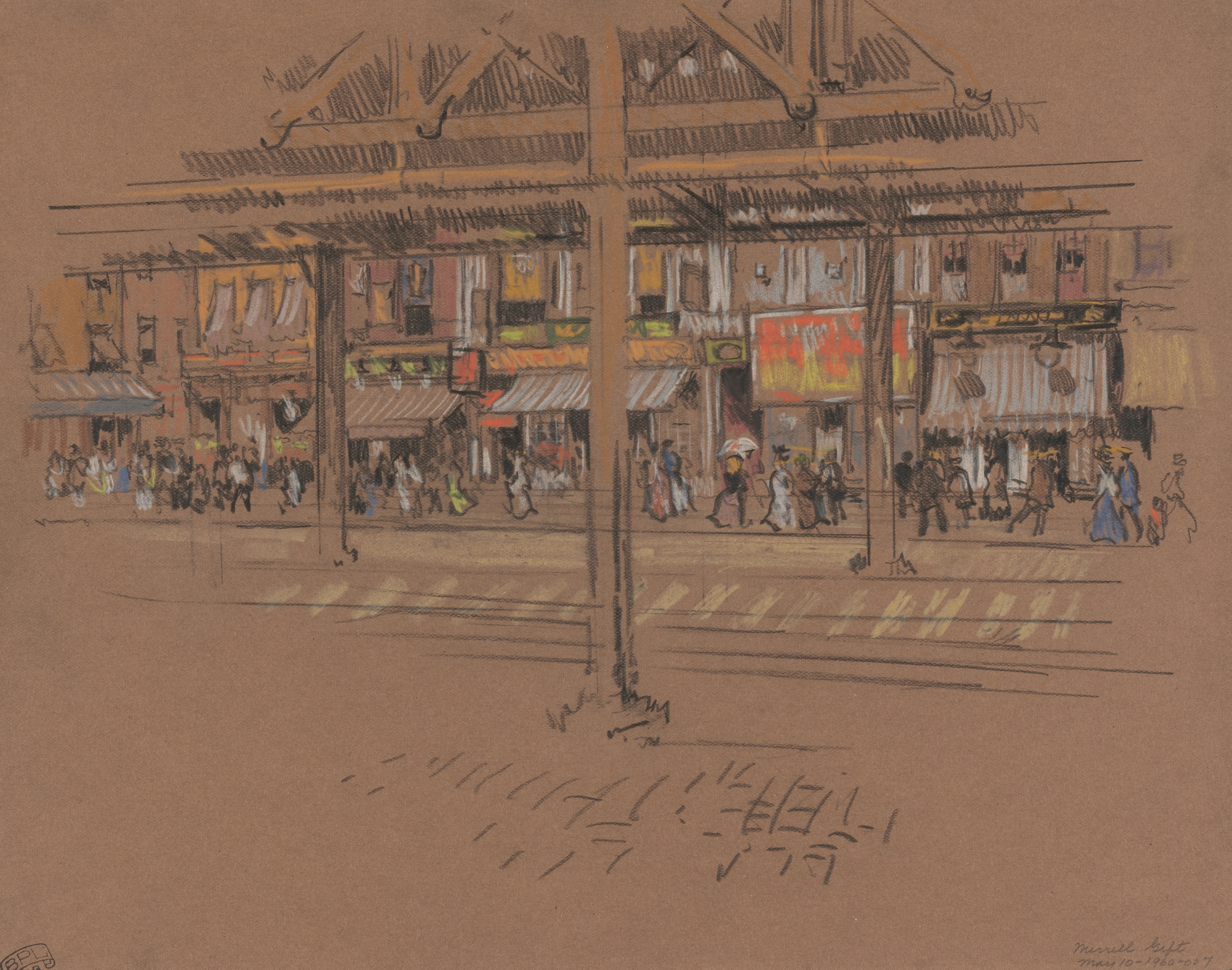
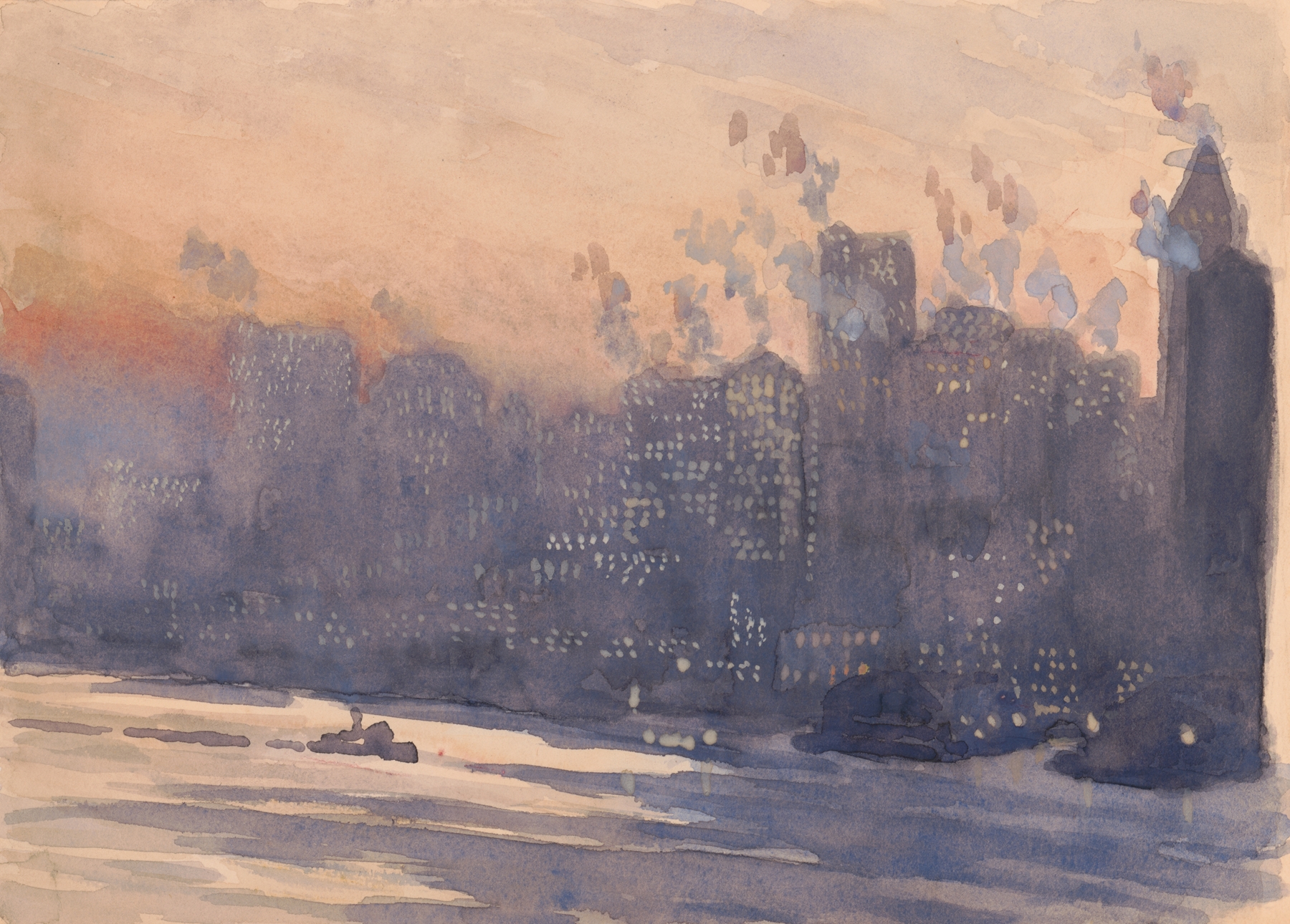
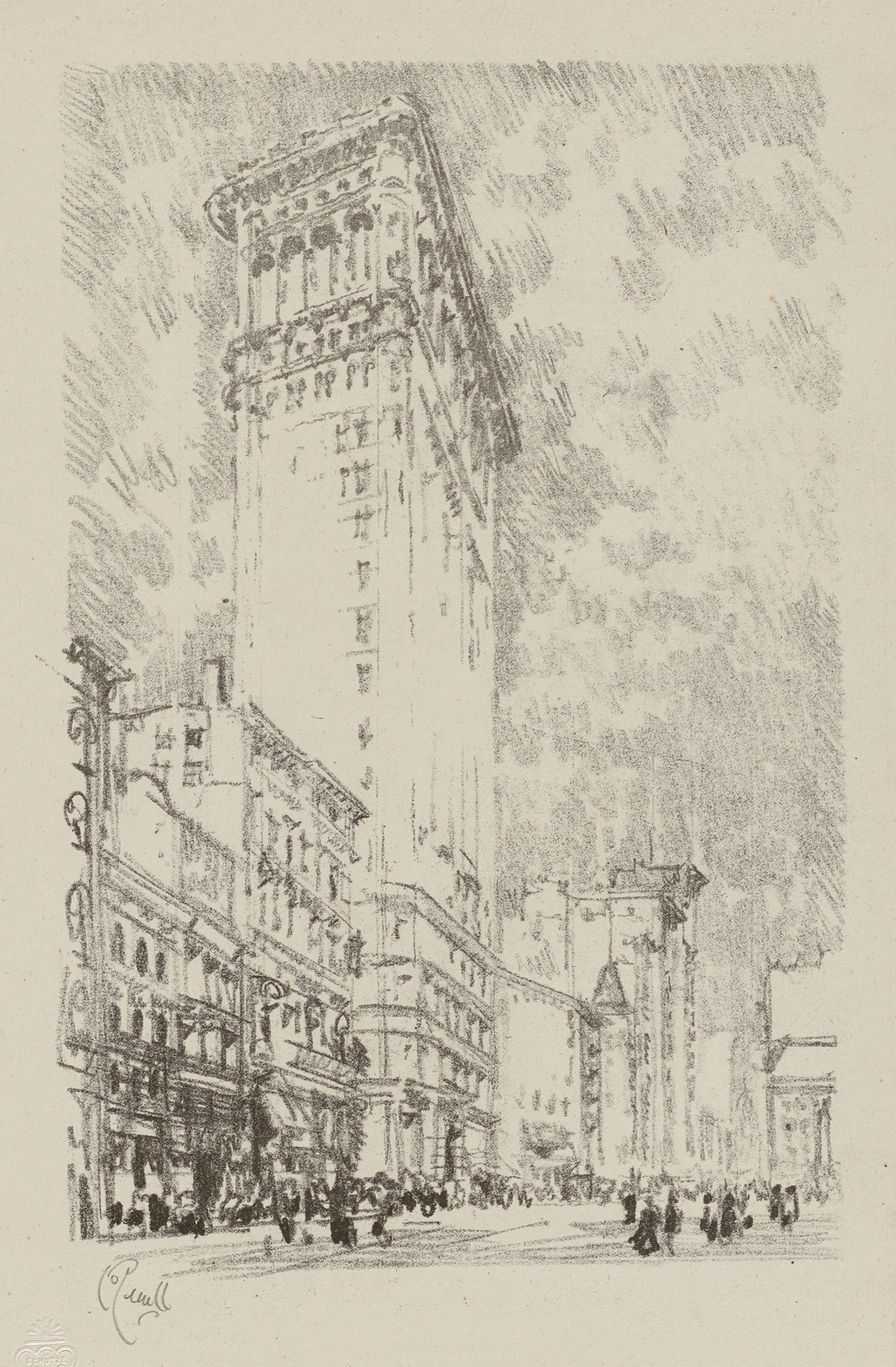
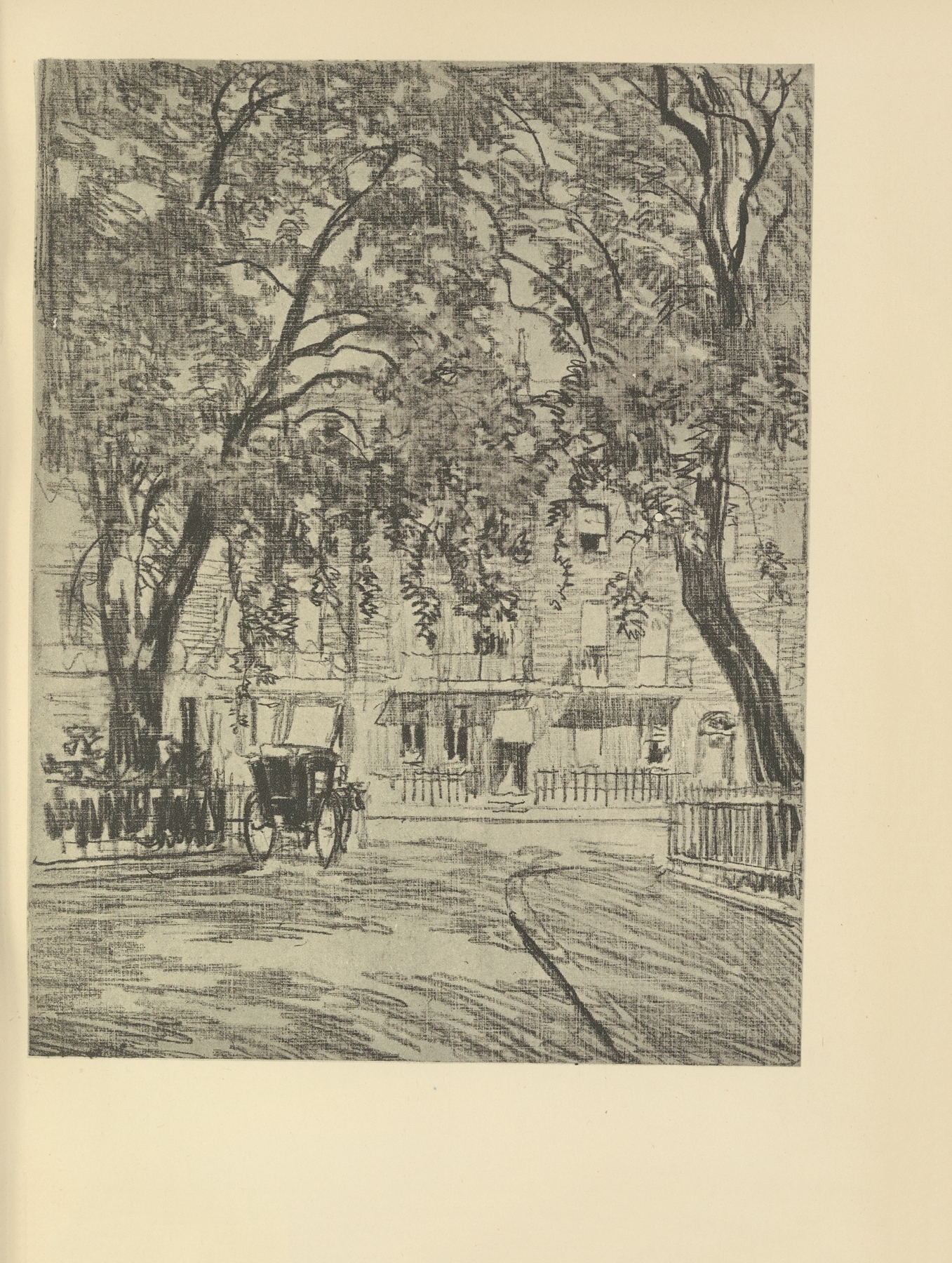
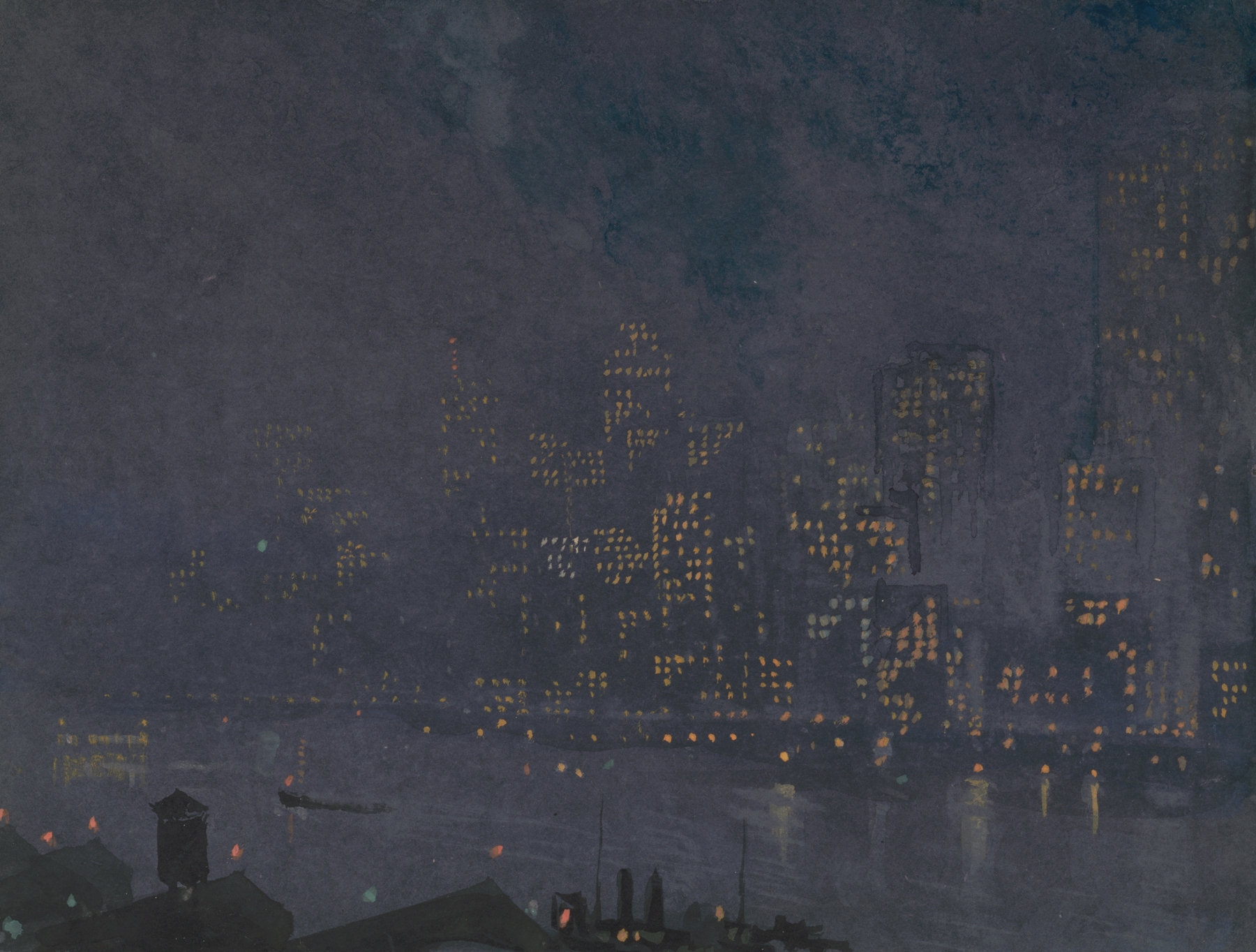
Where does light end, and longing begin? In the delicate interplay of shadow and architecture, the soul of a city reveals its truth. Focus on the swirling lines that define the skyline, where each structure reaches for the heavens, yet casts descending shadows upon the streets below. The contrasting intensity of light and dark creates a sense of dynamic tension, drawing the eye to the interplay between the grand and the mundane.
Notice how the intricacies of the buildings intermingle with the softer strokes depicting the sky, hinting at the transition from one era to another—where the old world collides with innovation, an unsteady embrace painted in monochromatic hues. At first glance, the cityscape appears alive with promise, yet the muted tones whisper a deeper narrative of loss and betrayal. The towering edifices, symbols of progress, stand resilient yet lonely against the vast expanse of sky, suggesting that the march of modernization comes at a price. Here, a sense of nostalgia lingers, as if the viewer can feel the unresolved tension between the flourishing present and the shadows of history that loom just out of sight.
In the 1910s, Joseph Pennell created this work amidst a bustling New York, witnessing firsthand the city's rapid transformation. The burgeoning arts scene, coupled with the aftermath of social upheaval, fueled his creativity. Capturing this transitional moment, he reflects both the optimism and the underlying disquiet of a society wrestling with progress and the ghosts of its past.