Skyscrapers at night — History & Analysis
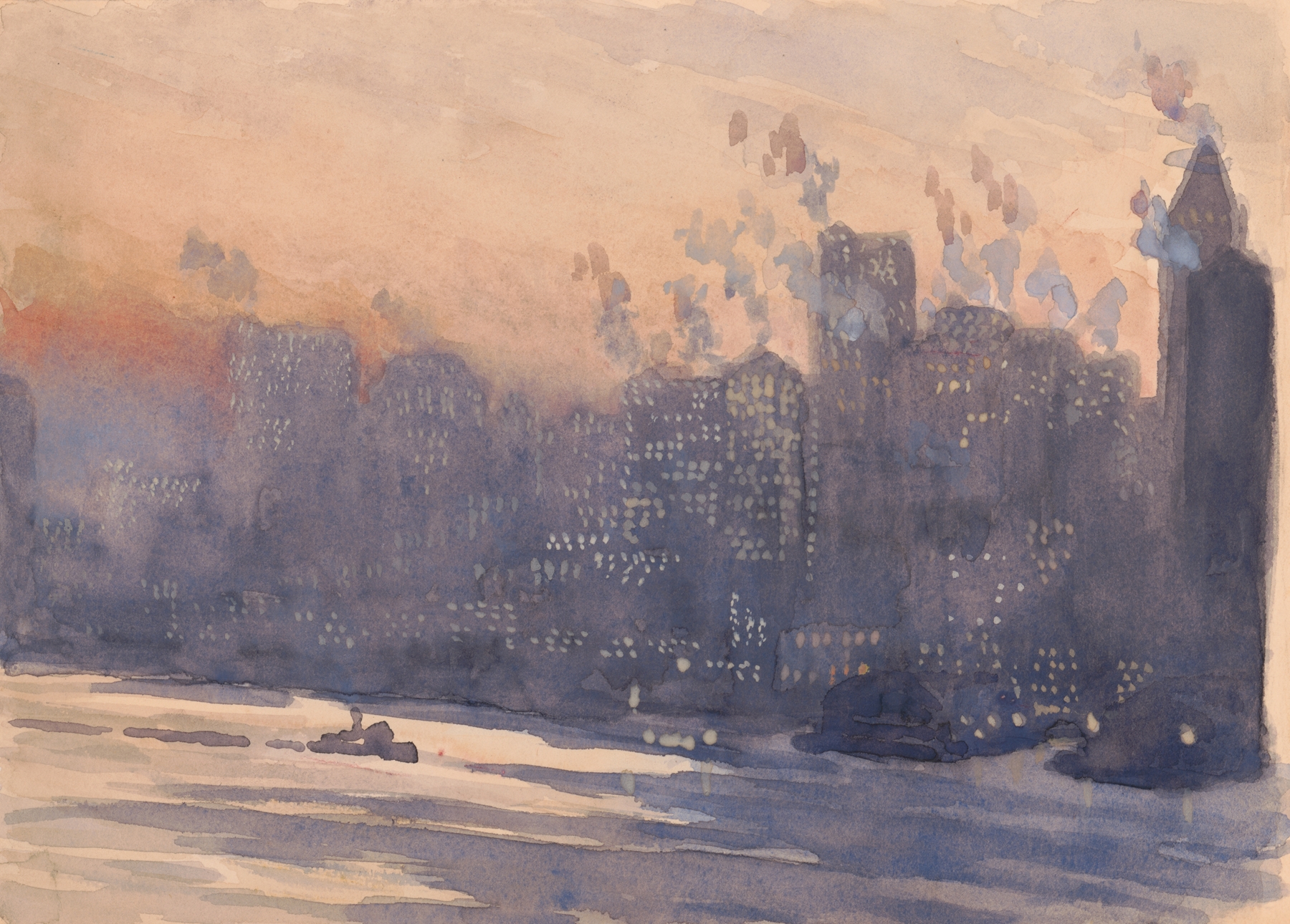
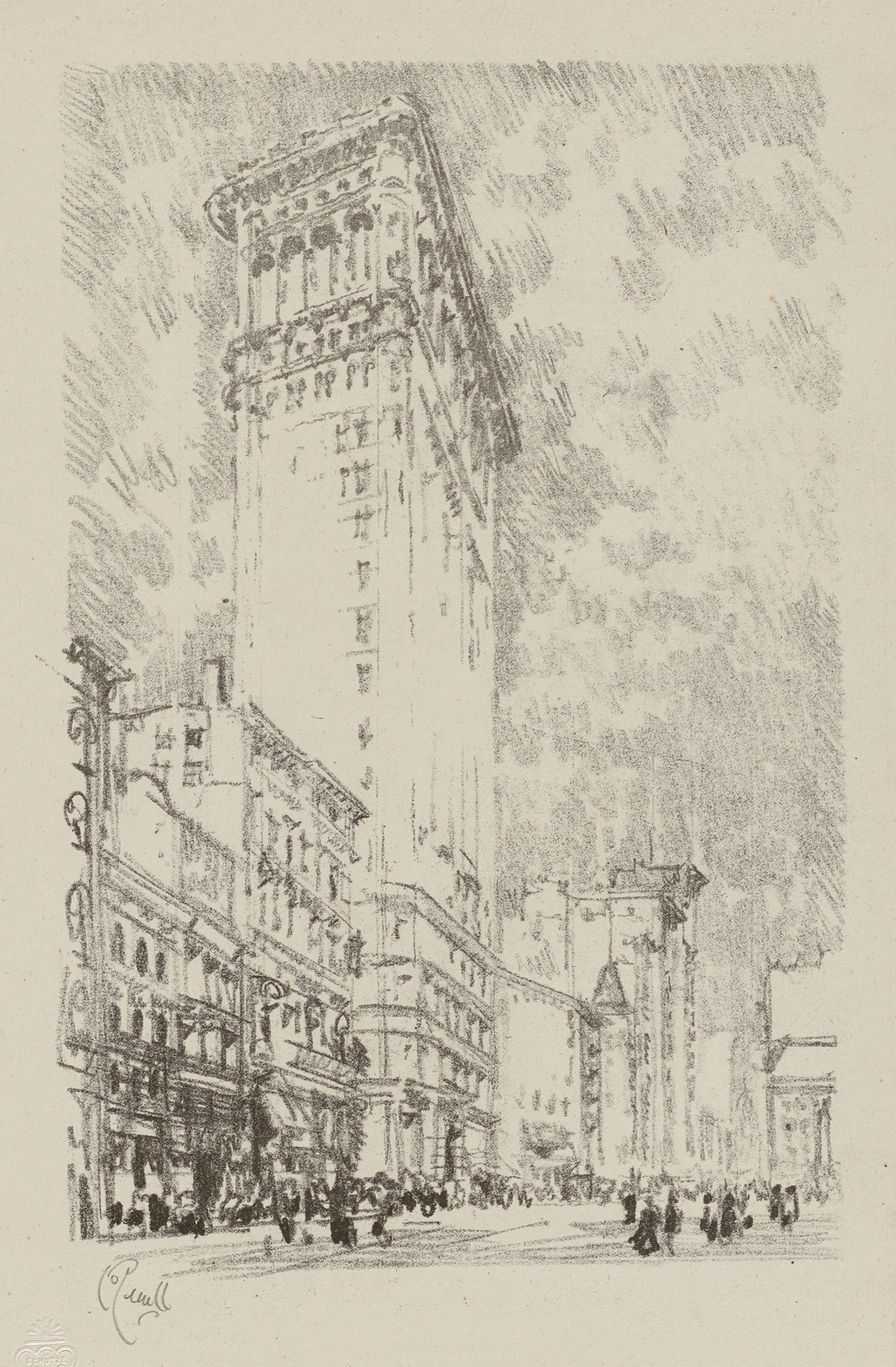
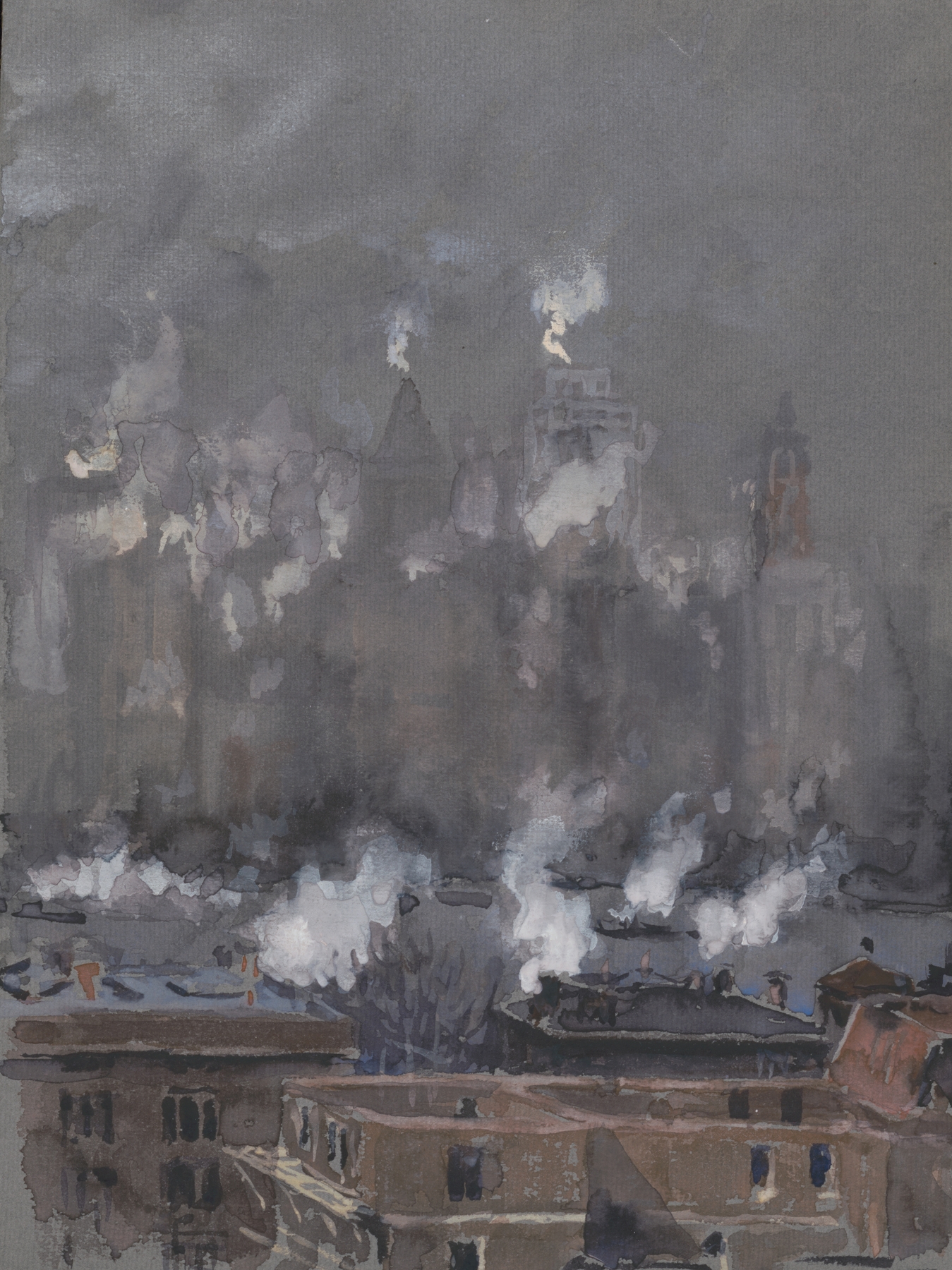
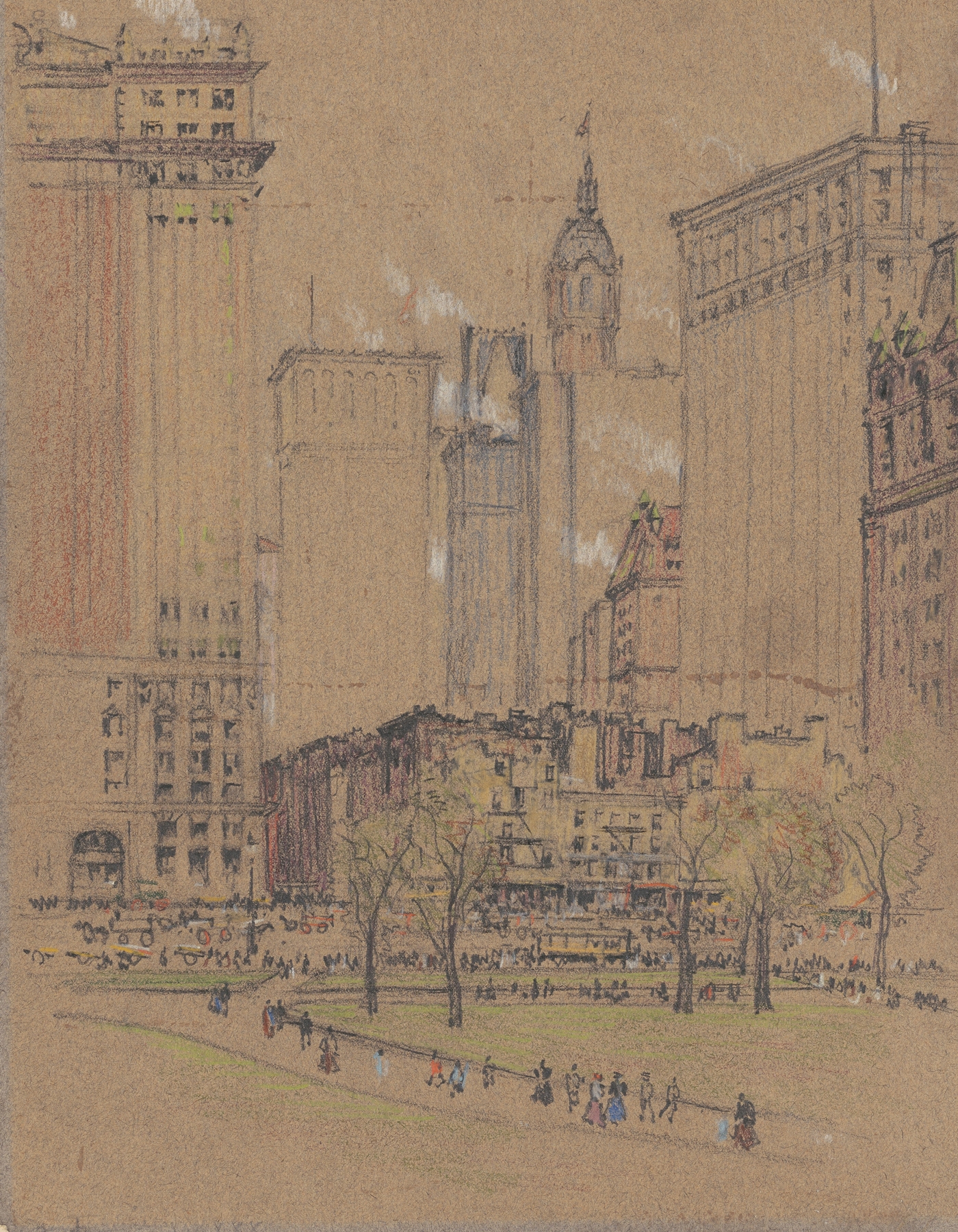
“The canvas doesn’t lie — it simply waits.” In the stillness of a bustling city, memories flicker like the lights on a skyscraper, evoking a sense of longing for what once was. The towering structures, illuminated against the evening sky, stand as monuments to ambition and the passage of time, each window a whisper of stories untold. Look to the left at the glimmering skyline, where sharp outlines contrast with the velvety darkness of the night. The artist employs a palette of deep blues and silvers, allowing the buildings to emerge like sentinels in a dreamscape.
Notice how the interplay of light and shadow creates an almost ethereal glow, transforming the ordinary into the extraordinary, while dynamic lines suggest movement and energy in an otherwise still moment. Delve deeper into the scene, and you'll uncover a tension between nostalgia and progress. The stark silhouettes of the skyscrapers evoke a sense of awe for human achievement while simultaneously hinting at the isolation felt in the modern urban landscape. Each flickering light, a reminder of lives led within, contrasts poignantly with the emptiness of the night, capturing the paradox of connection amidst separation.
In 1910, Joseph Pennell painted this work during a period of rapid industrial growth in America. Living in New York City, he was immersed in the vibrant art scene, influenced by both European styles and the emerging American identity. The juxtaposition of innovation and nostalgia in Skyscrapers at Night reflects not only his personal artistic journey but also the broader cultural shifts of the time, marking a pivotal moment in the evolution of urban art.