Cornwall — History & Analysis
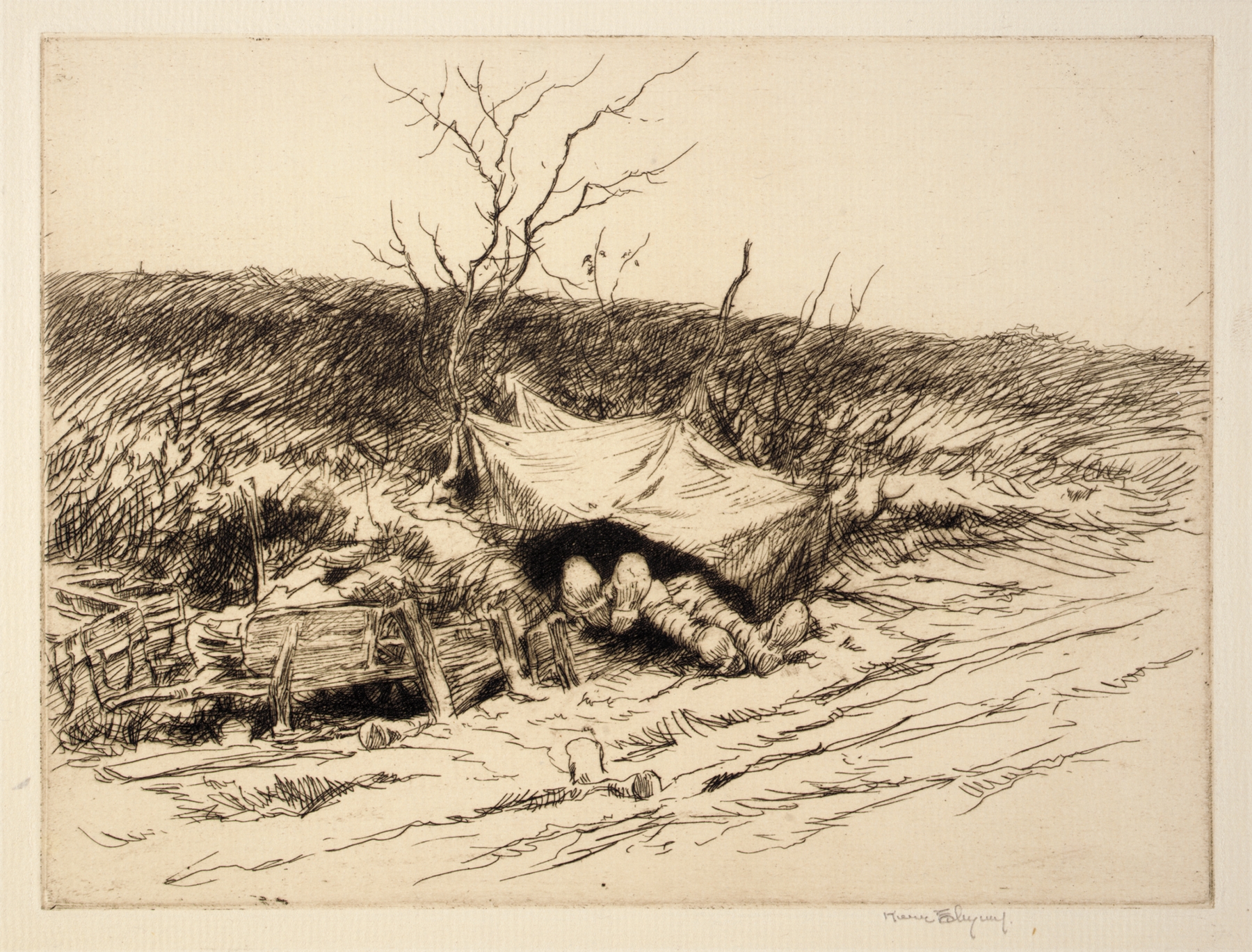
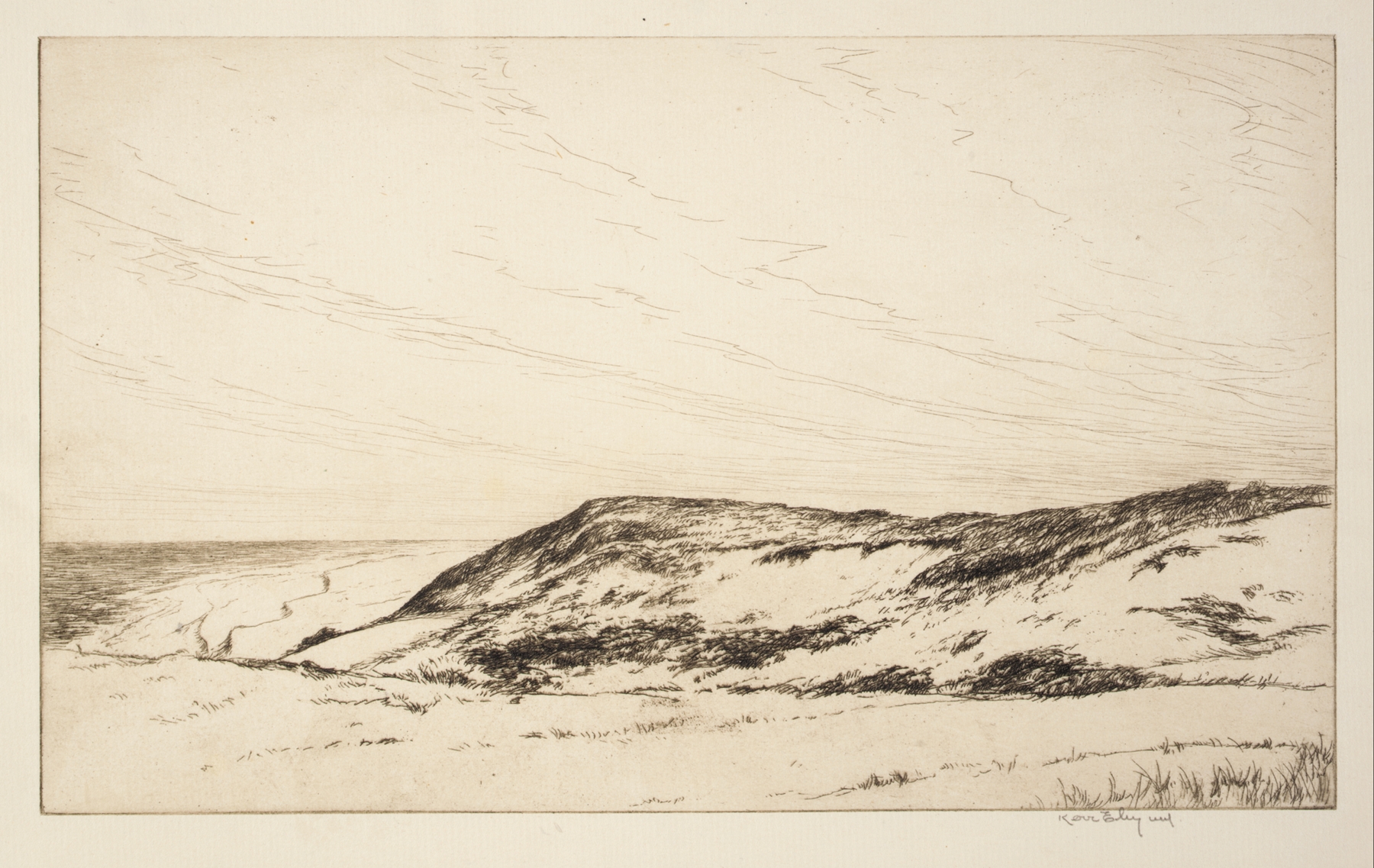
Did the painter know this moment would outlive them? In the gentle embrace of twilight, the beauty of nature unfolds, eternalized in vibrant colors and soft textures, whispering secrets of time and place. Look to the horizon, where rolling hills bathe in the warm hues of the setting sun. Focus on the interplay of light and shadow, deftly crafted with soft pastels that invoke both tranquility and nostalgia.
The lush greenery in the foreground contrasts with the golden skies, inviting a sense of peace. Observe the subtle brushstrokes that convey movement in the clouds, an ephemeral quality that draws the viewer deeper into the scene. Hidden within this idyllic landscape are themes of transience and connection. The winding path symbolizes life's journey, while the distant hills suggest both separation and unity, a reminder of the beauty found in both solitude and togetherness.
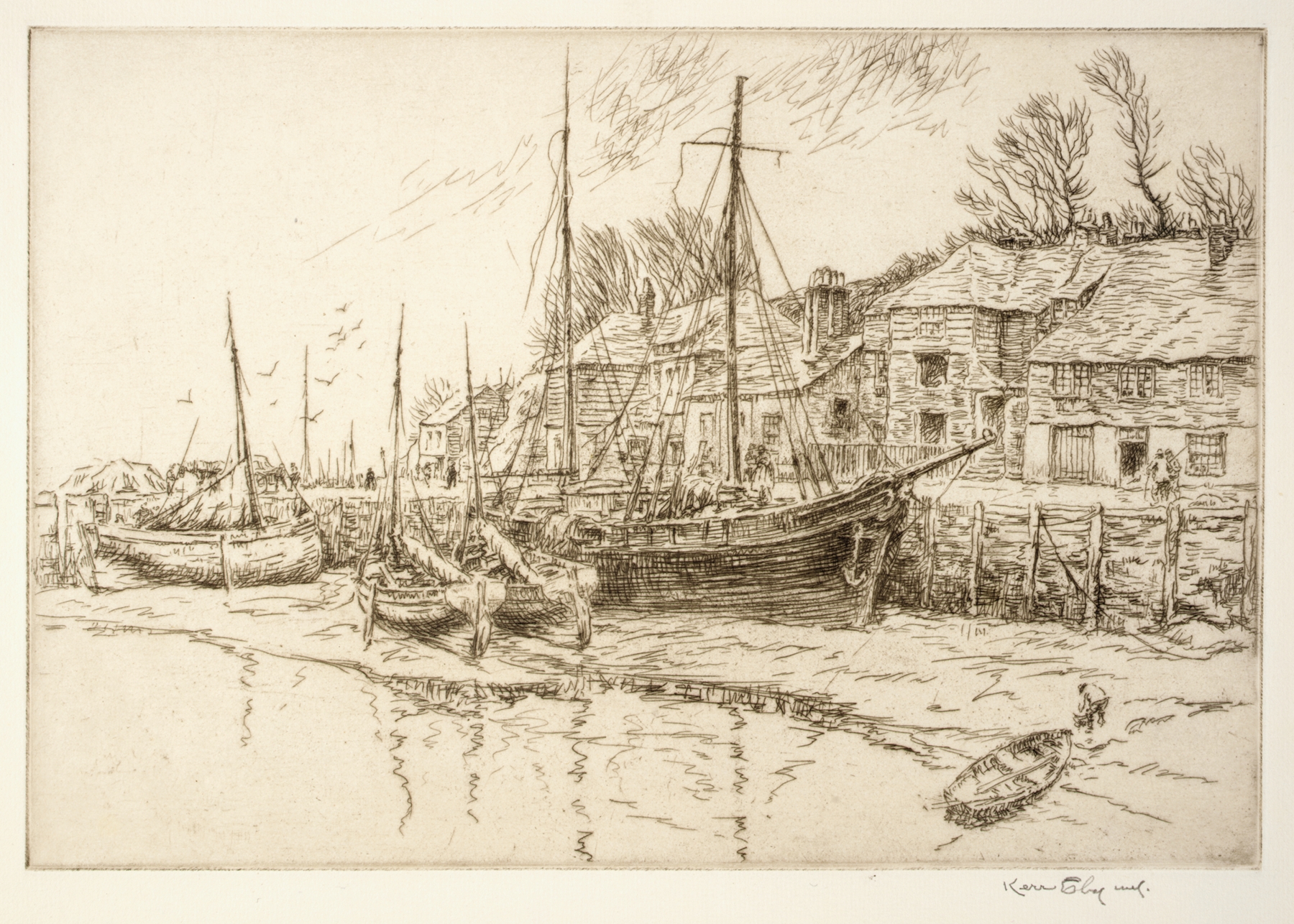
The gentle waves of color evoke emotions of longing, perhaps for a time or place forever out of reach, leaving the viewer to ponder their own relationship with beauty and memory. Kerr Eby created Cornwall in 1927, a period marked by a growing interest in capturing the essence of place through the lens of personal experience. Living in New York at that time, he was inspired by the landscapes of his travels, rooted in a world recovering from the Great War. This painting reflects a search for solace and connection to nature amidst the changing tides of his life and the broader art world, which was increasingly embracing modernism while still holding onto the romanticism of earlier movements.