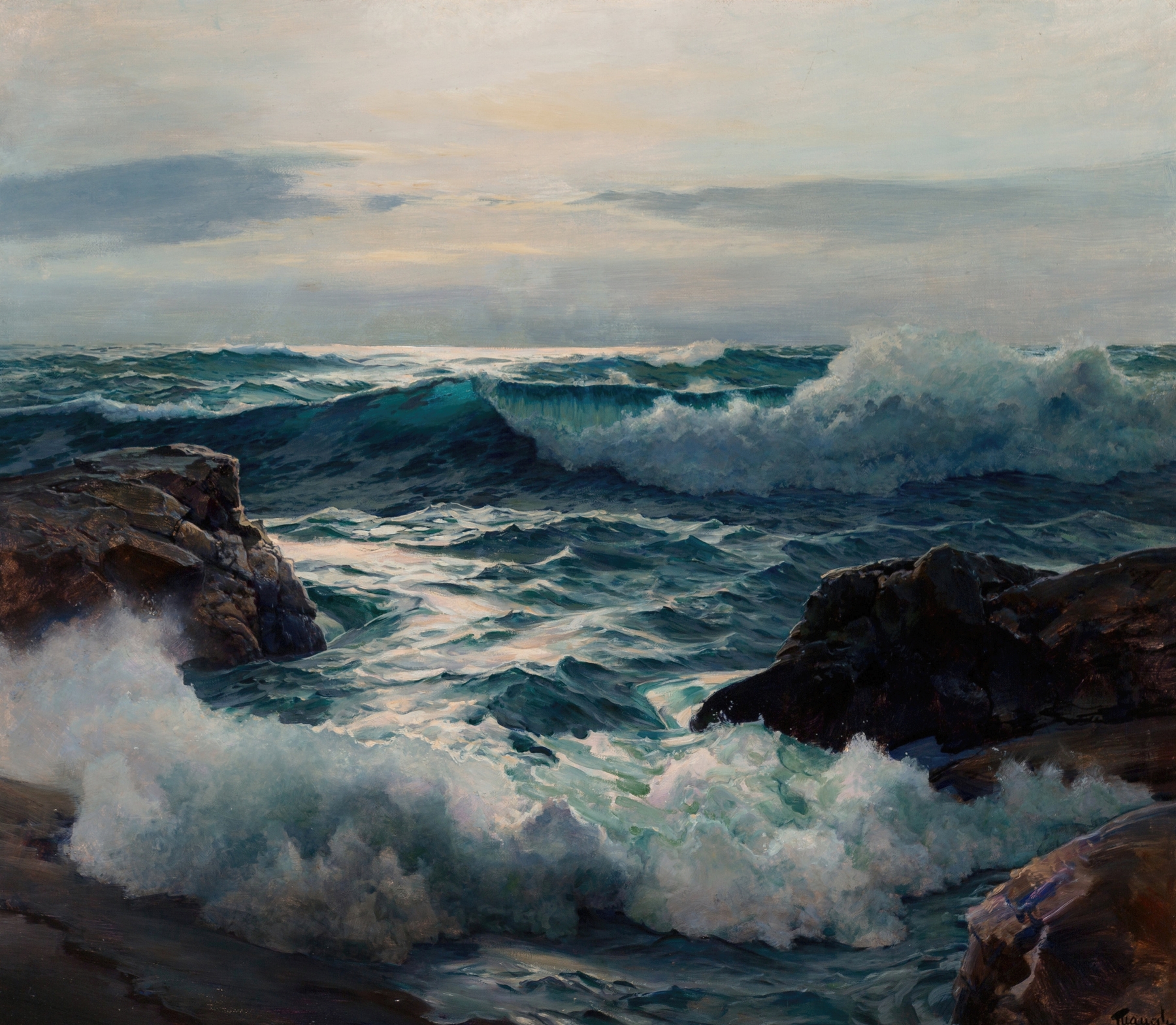
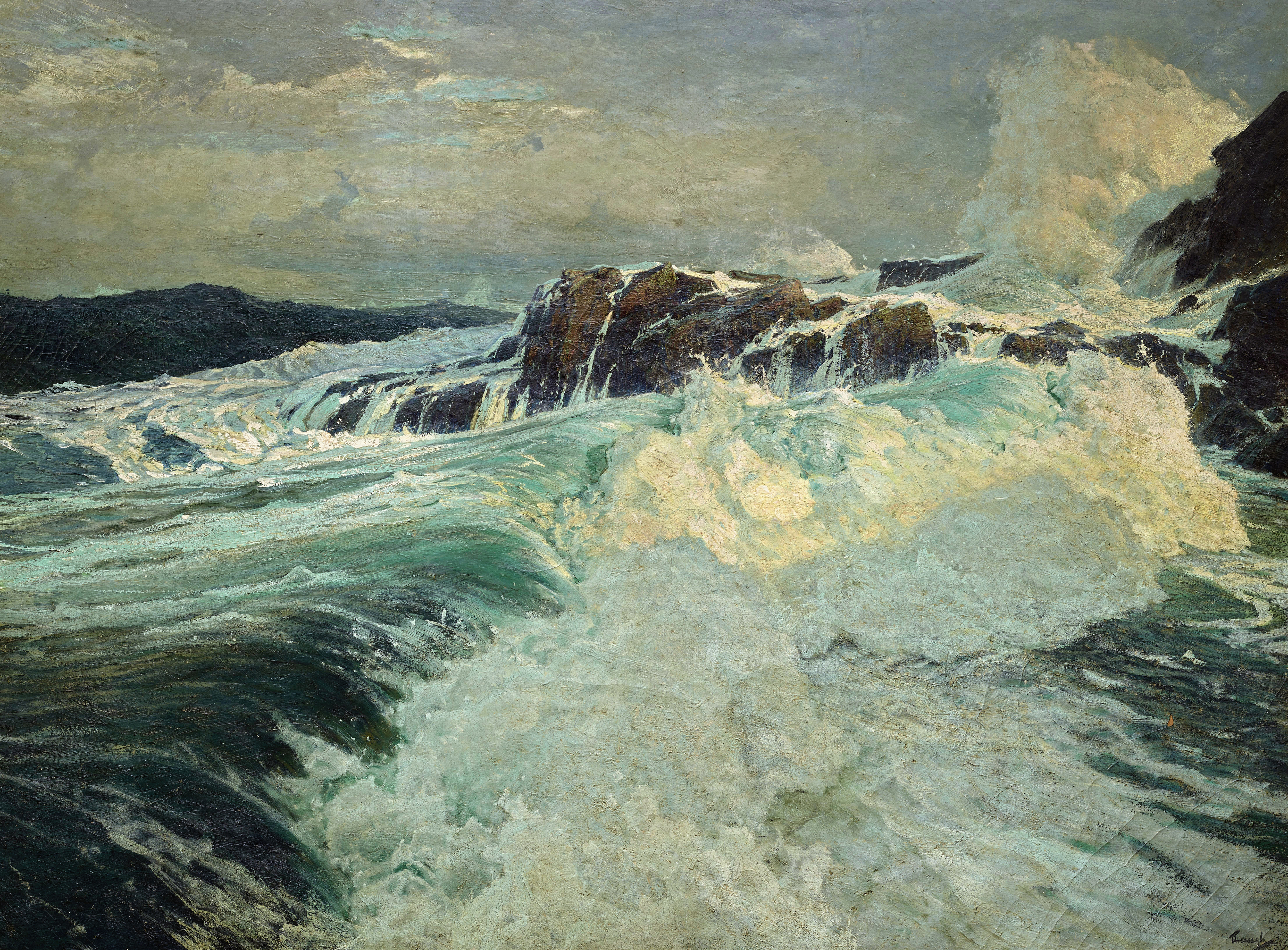
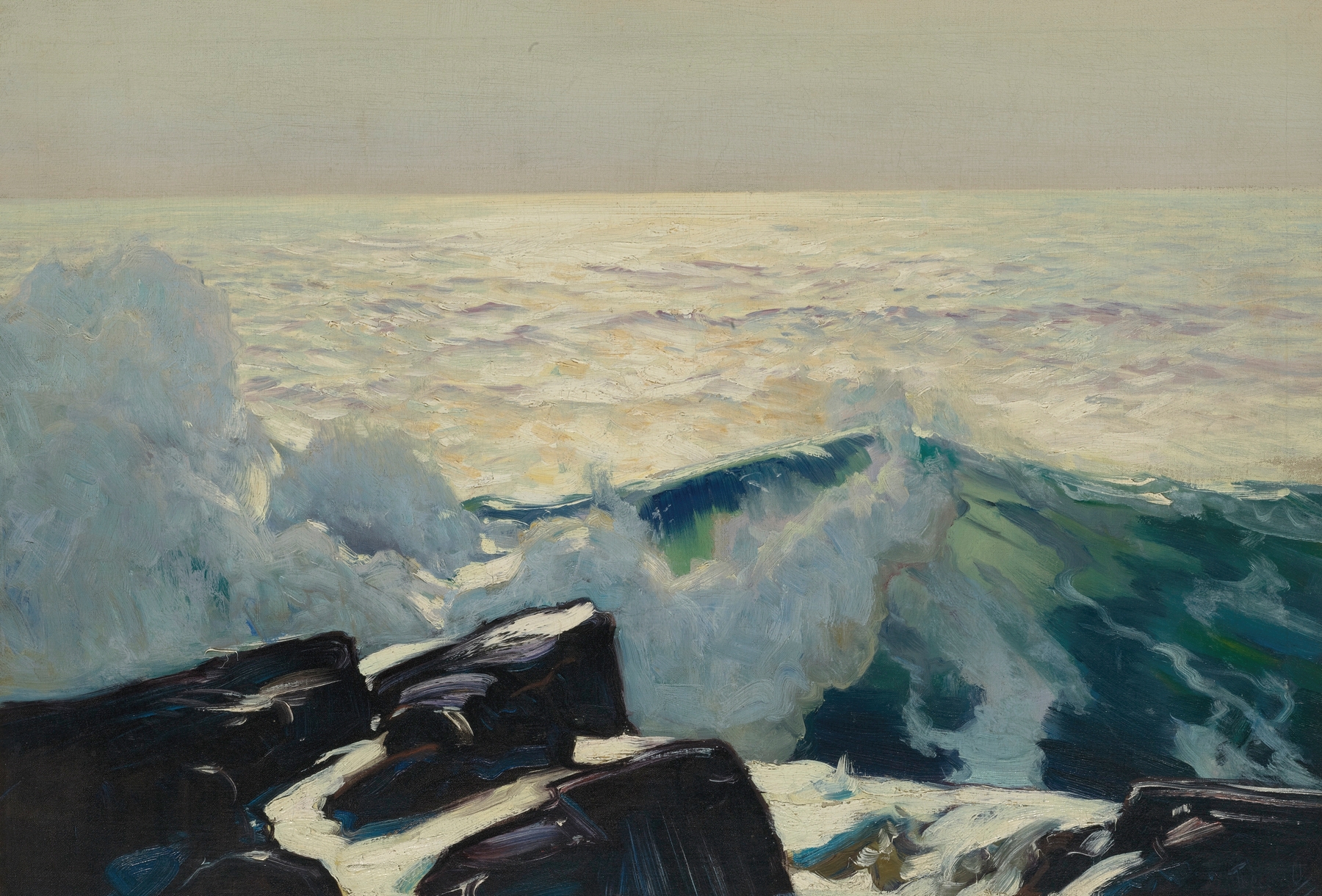
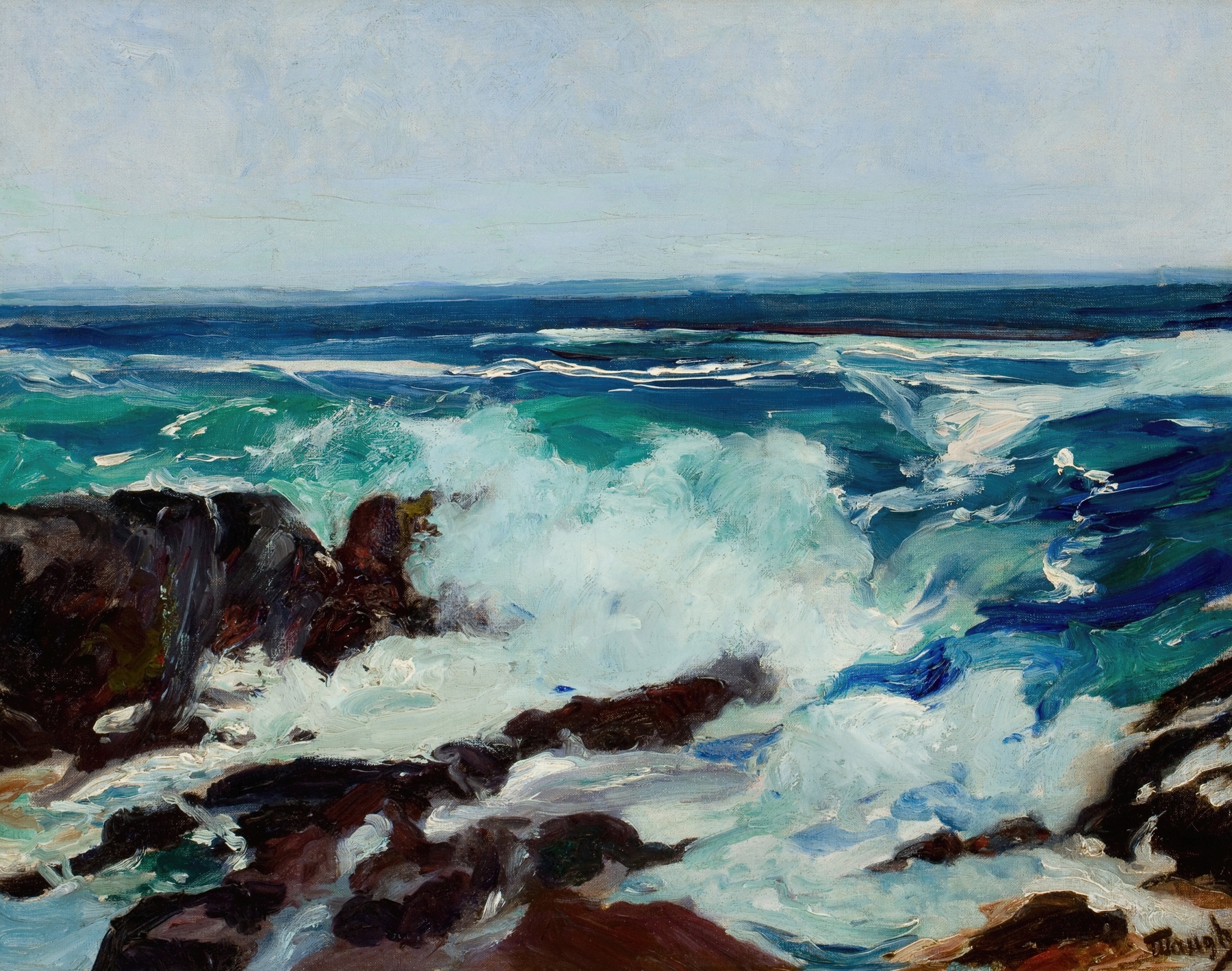
Country Cabins at Sunset — History & Analysis
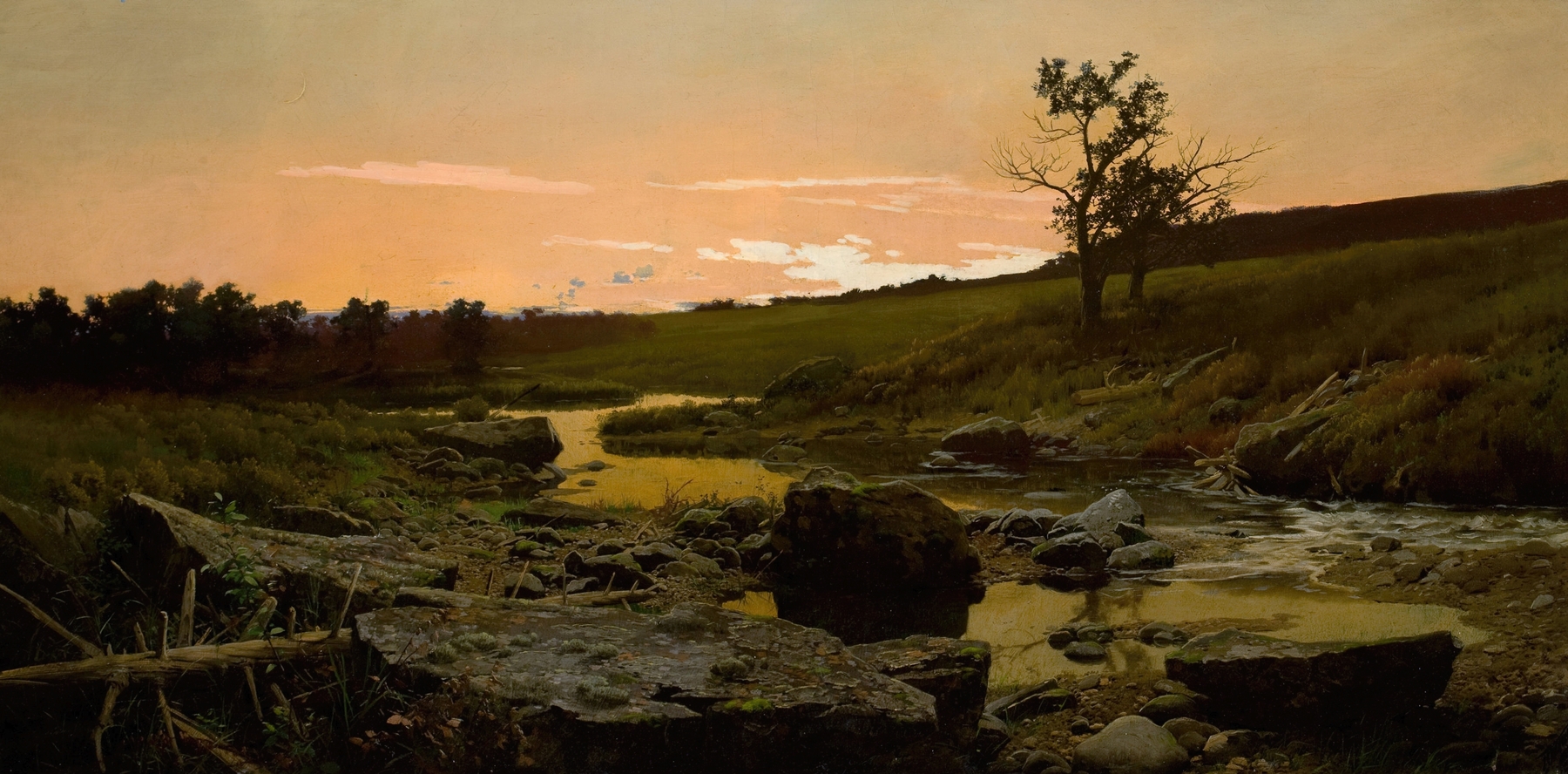
“Sometimes beauty is just pain, disguised in gold.” This sentiment resonates profoundly in the quiet solitude of a sunset landscape, whispering secrets hidden beneath the surface of idyllic scenes. The beauty of nature often masks a deeper, unsettling truth, and in this painting, the calmness belies an undercurrent of madness. Begin your gaze on the horizon, where hues of amber and gold merge seamlessly into the deepening blue of the evening sky. Notice how the light spills over the rustic cabins, casting elongated shadows that stretch towards the viewer, inviting you in while simultaneously creating an eerie sense of distance.
The brushwork reveals a masterful control of texture, imbuing the scene with a tangible warmth that contrasts sharply with the encroaching darkness of the evening, a reminder of nature's duality. Look closely at the rugged forms of the cabins; their weathered surfaces reflect both the tranquility of rural life and the decay of time. Each structure stands resilient, yet there’s an unsettling tension in their isolation, hinting at the solitude that accompanies beauty in the country. The juxtaposition of vibrant colors against darkening tones encapsulates a fragility—where serenity meets the sublime chaos of existence, echoing the artist's struggle with the fine line between madness and inspiration.
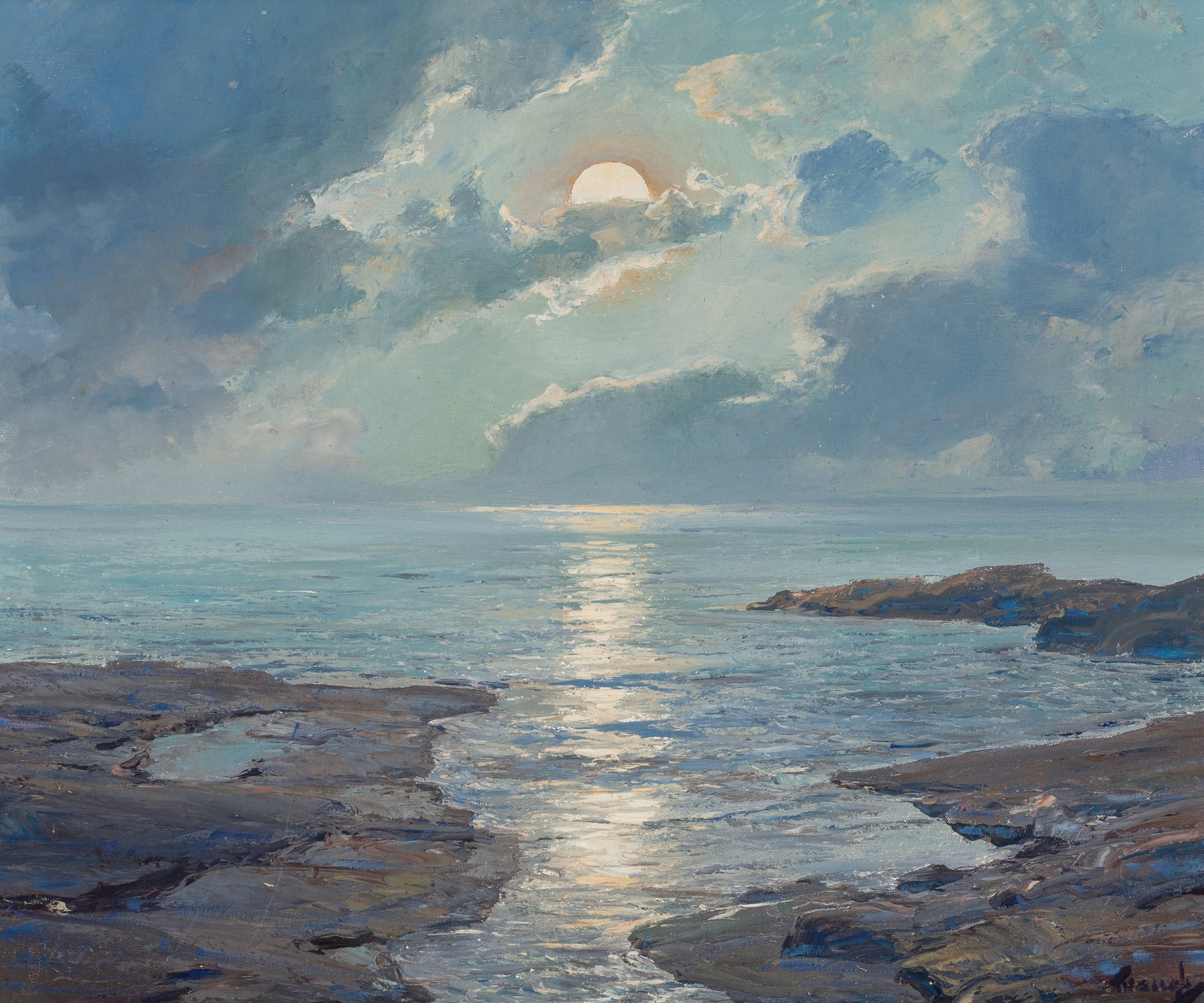
Frederick Judd Waugh created this poignant piece in 1893, during a period where he found solace in the landscapes of New England. At this time, he was deeply influenced by the American Impressionist movement, which embraced the beauty of nature while grappling with the complexities of light and emotion. Waugh’s exploration of these themes not only shaped his artistic vision but also mirrored his personal battles, reflecting a world in transition, much like the fleeting moment captured in this stunning sunset.