Curved Road, New England — History & Analysis
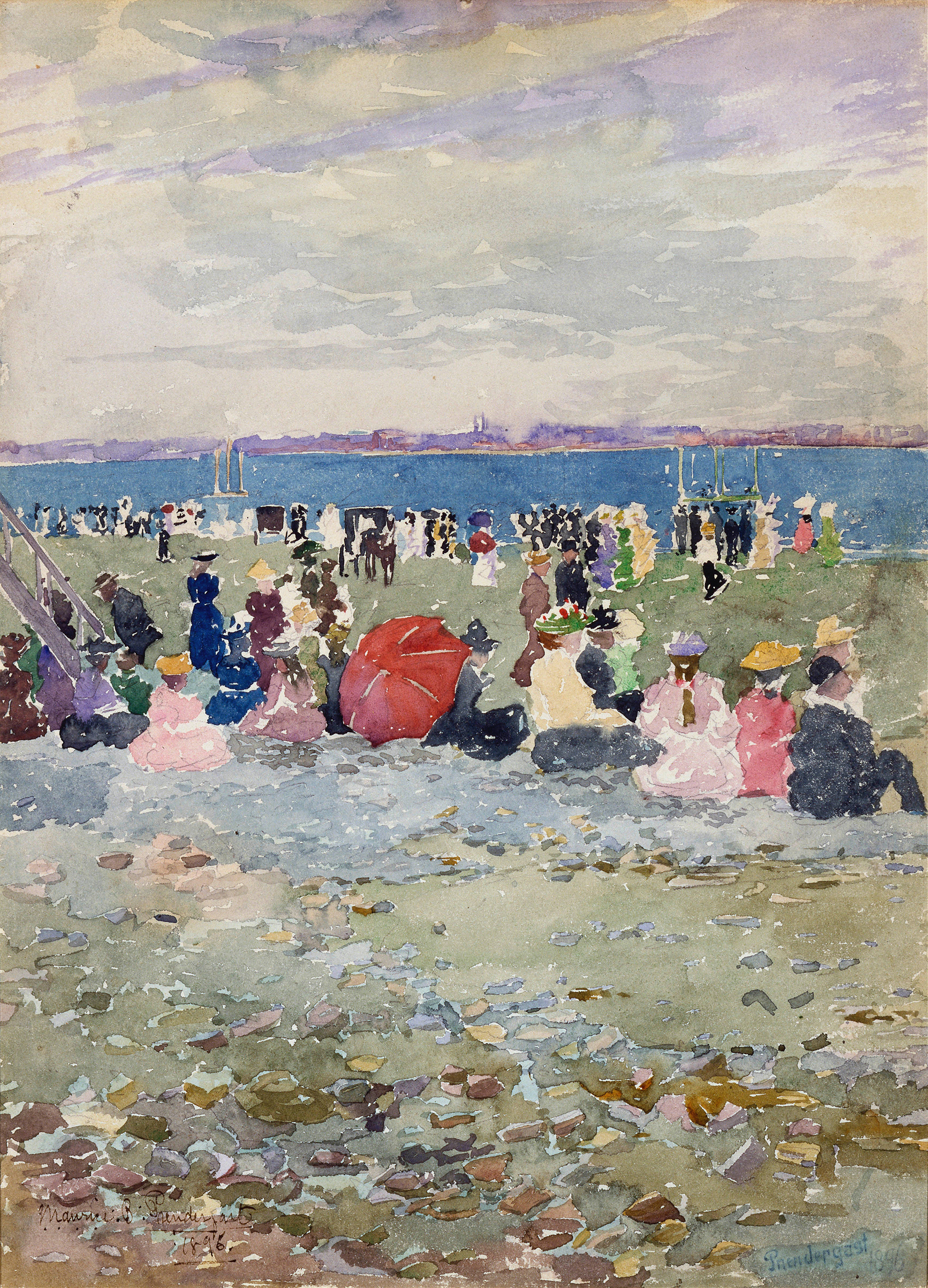
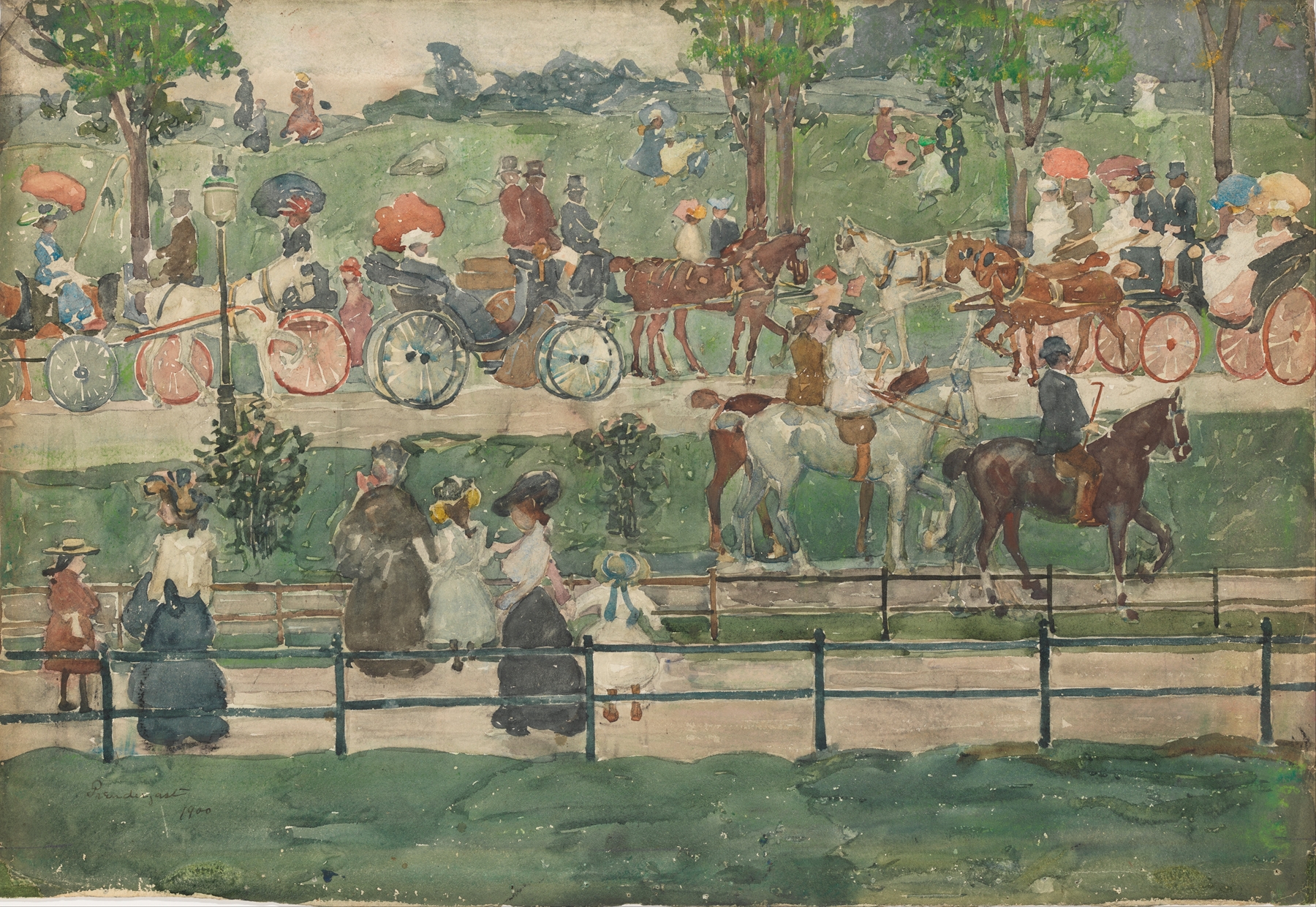
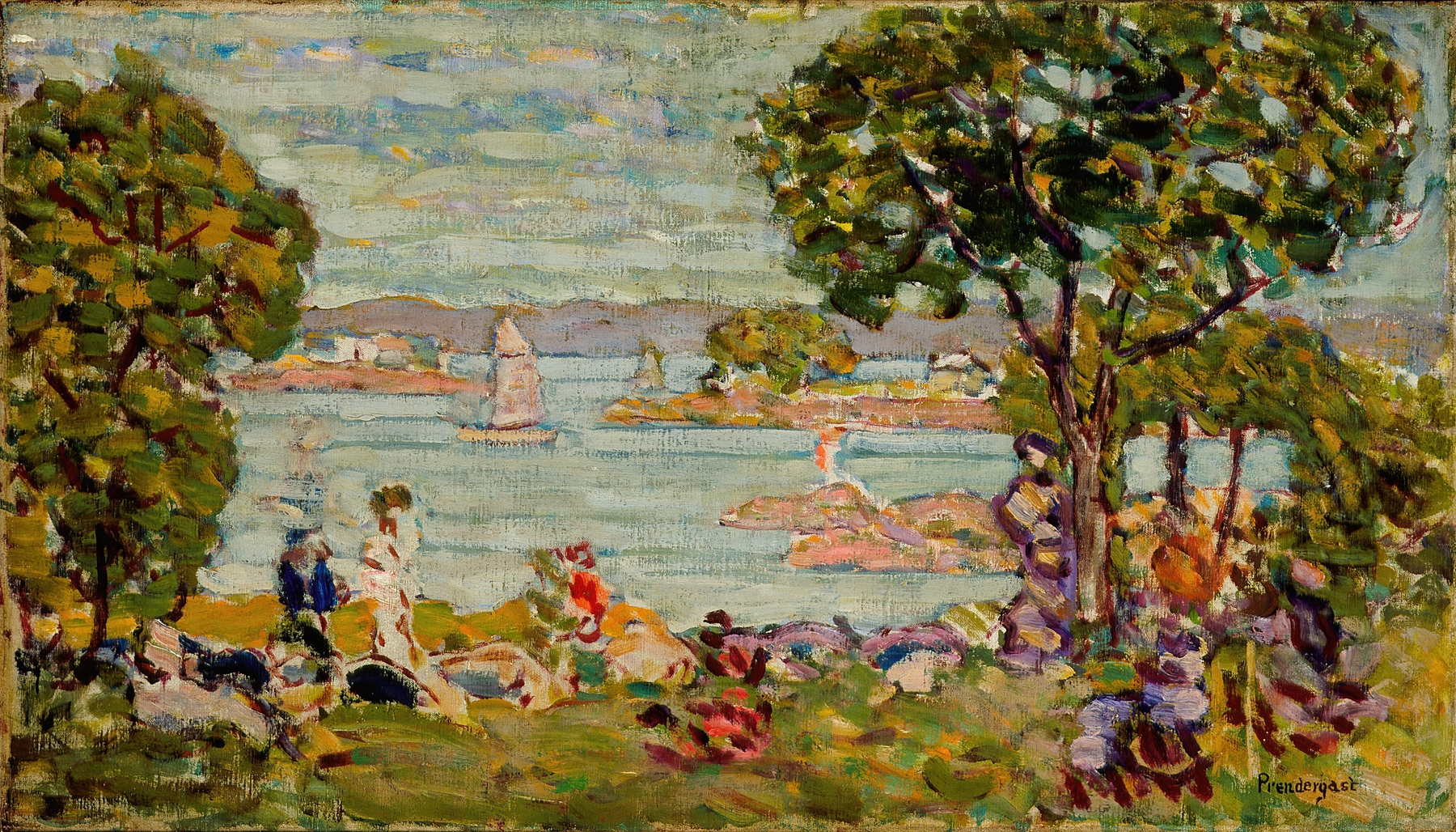
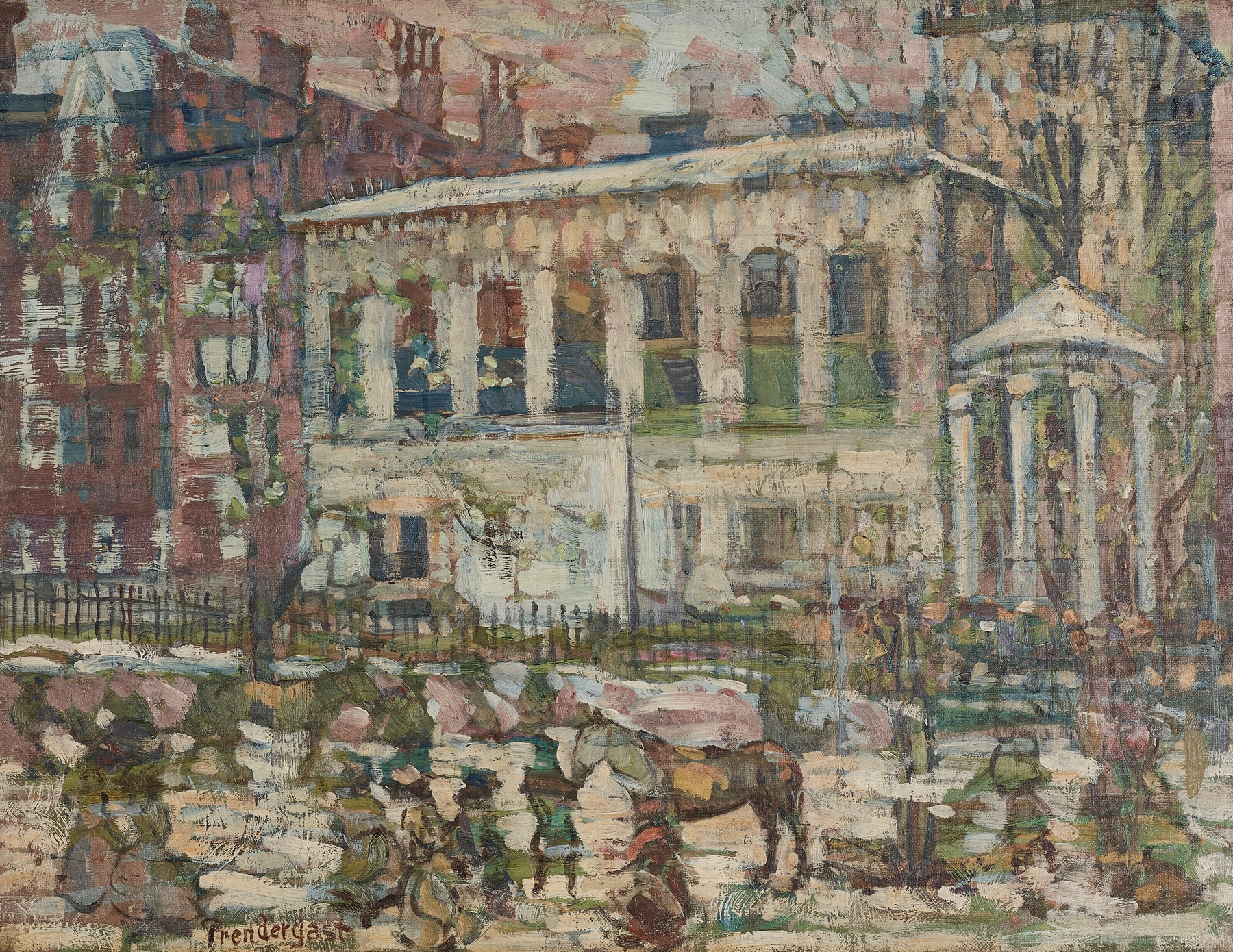
“Sometimes beauty is just pain, disguised in gold.” The allure of a winding path often hides a deeper truth, one that waits patiently for the discerning eye to reveal it. How do we navigate the delicate balance between joy and sorrow in our lives, especially when beauty seems to sparkle like a mirage? Look to the center of the canvas, where a serpentine road draws you in, surrounded by lush foliage rendered in vibrant hues. The strokes are both fluid and deliberate, creating a sense of movement that mimics the gentle undulations of the terrain. Notice how the dappled light filters through the trees, casting playful shadows that dance along the path, inviting exploration and contemplation in equal measure.
The color palette—a blend of soft greens, bright yellows, and tender blues—evokes a sense of serenity, yet also hints at the complexities beneath the surface. Within this idyllic scene lies an emotional tension, a juxtaposition of lightness and weight. The winding road signifies choices and journeys—both literal and metaphorical—while the surrounding flora, lush yet slightly obscured, suggests the hidden struggles that accompany beauty. Each brushstroke invites the viewer to ponder the stories behind those who traverse this path.
Prendergast’s technique of layering colors and patterns enhances this duality, enriching the visual experience with a complexity that resonates long after the viewer steps away. Created between 1916 and 1919, this work reflects a pivotal moment in Maurice Prendergast’s artistic journey while living in New England. As the world grappled with the aftermath of World War I, artists sought new ways to express their emotions and experiences. During this period, the Impressionist movement was evolving, and Prendergast's unique blending of abstraction with representational forms captured the collective desire for beauty amidst chaos, marking a significant evolution in his oeuvre.