Dansende man en vrouw en twee zittende mannen en vrouw — History & Analysis
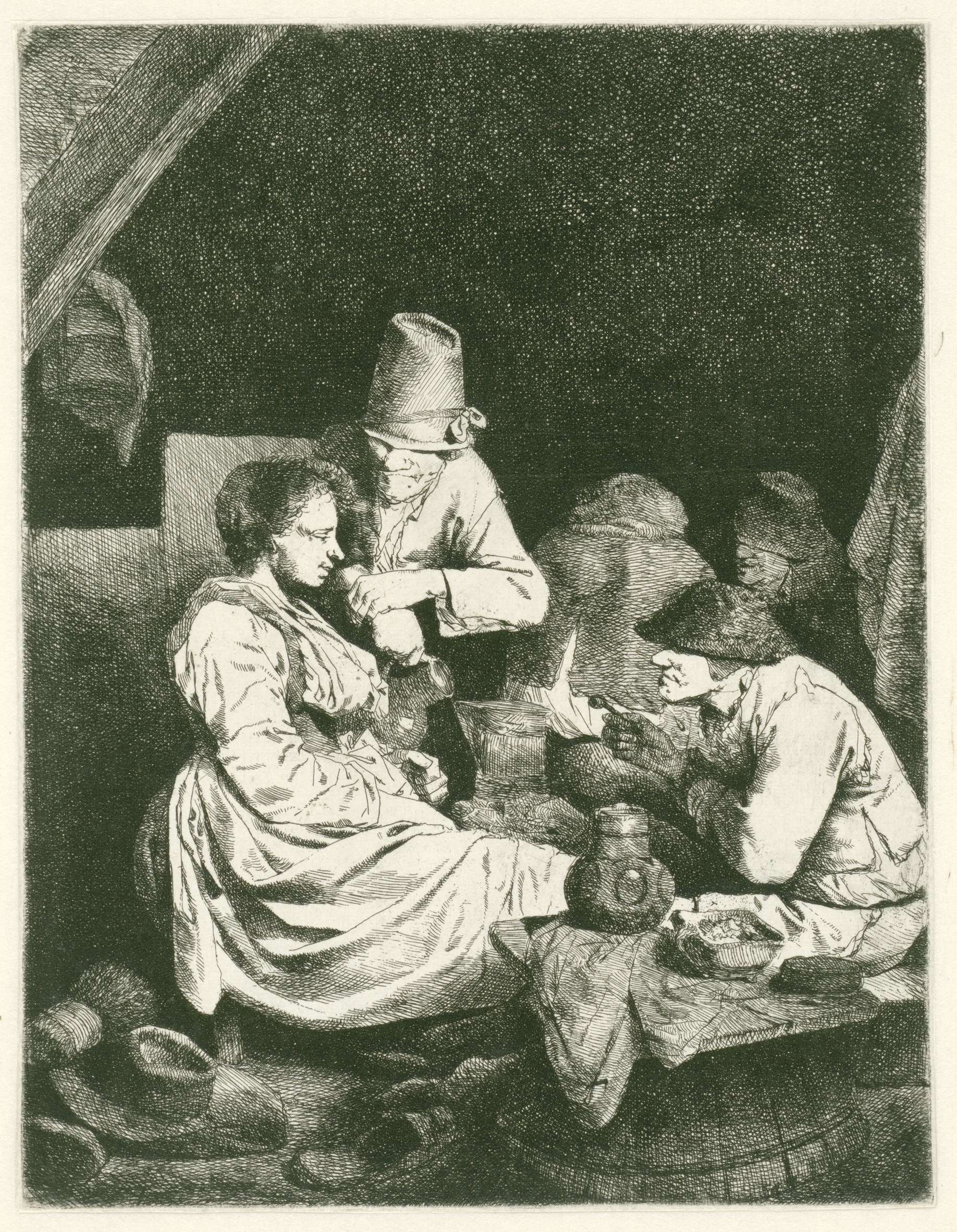
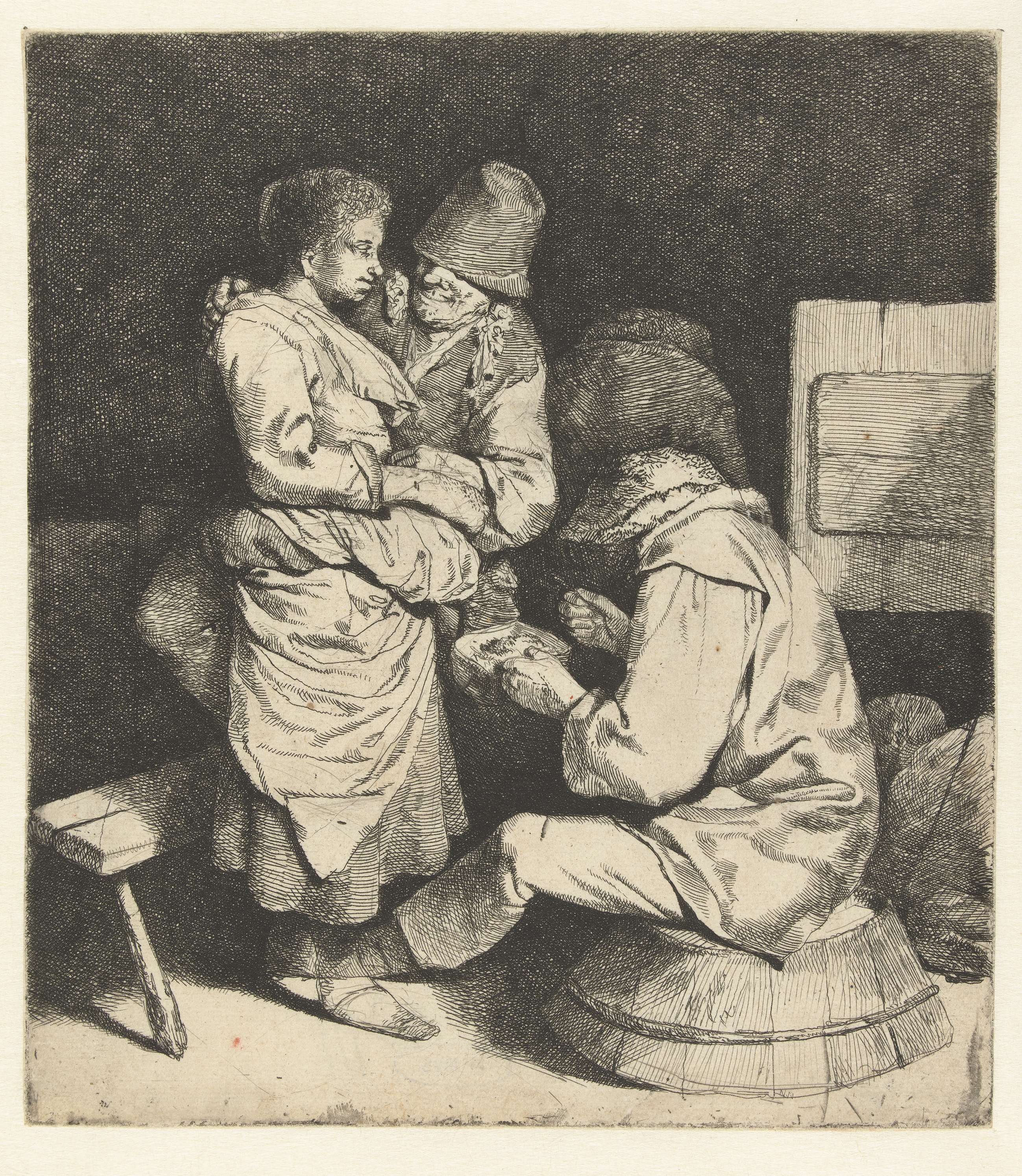
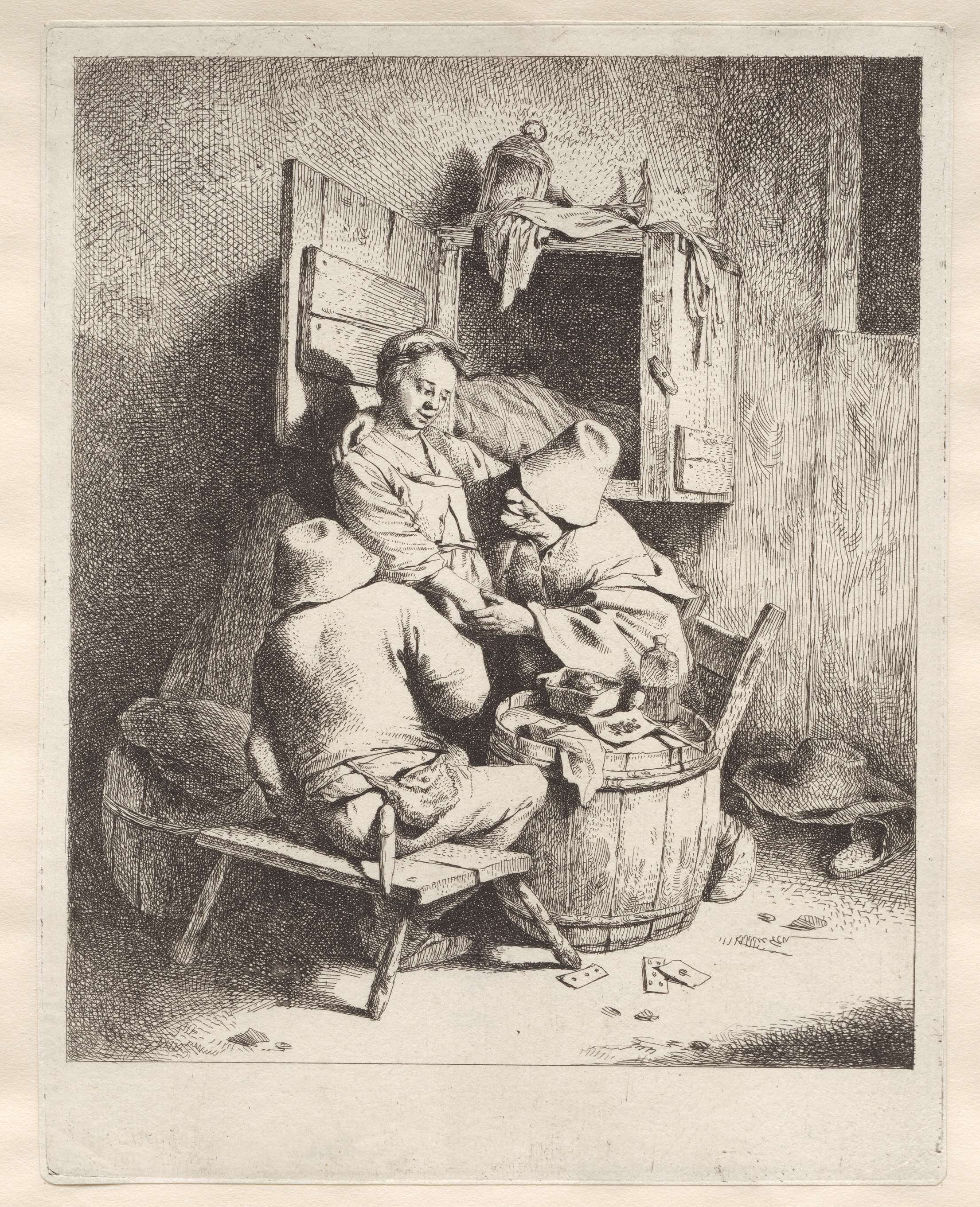
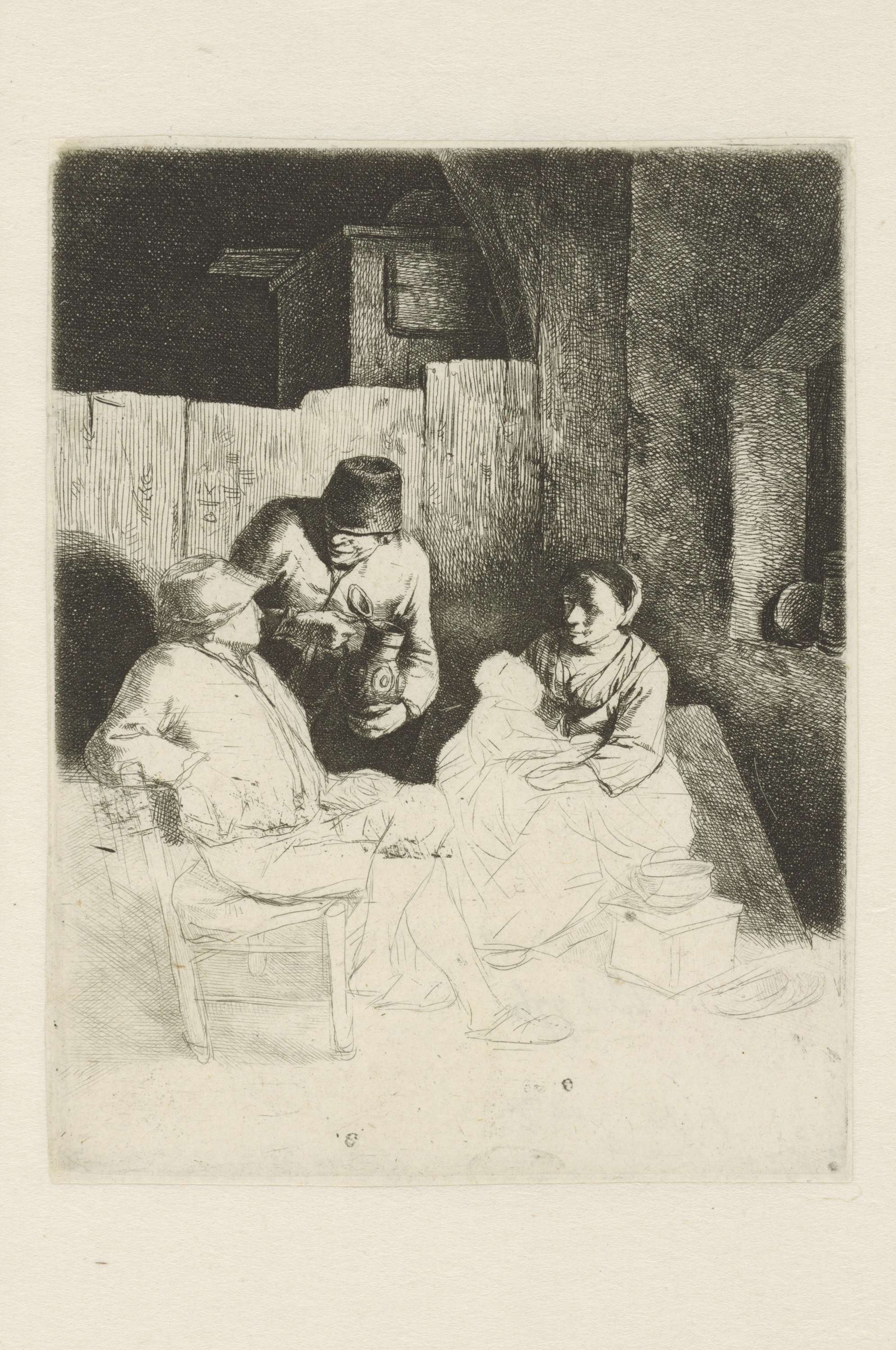
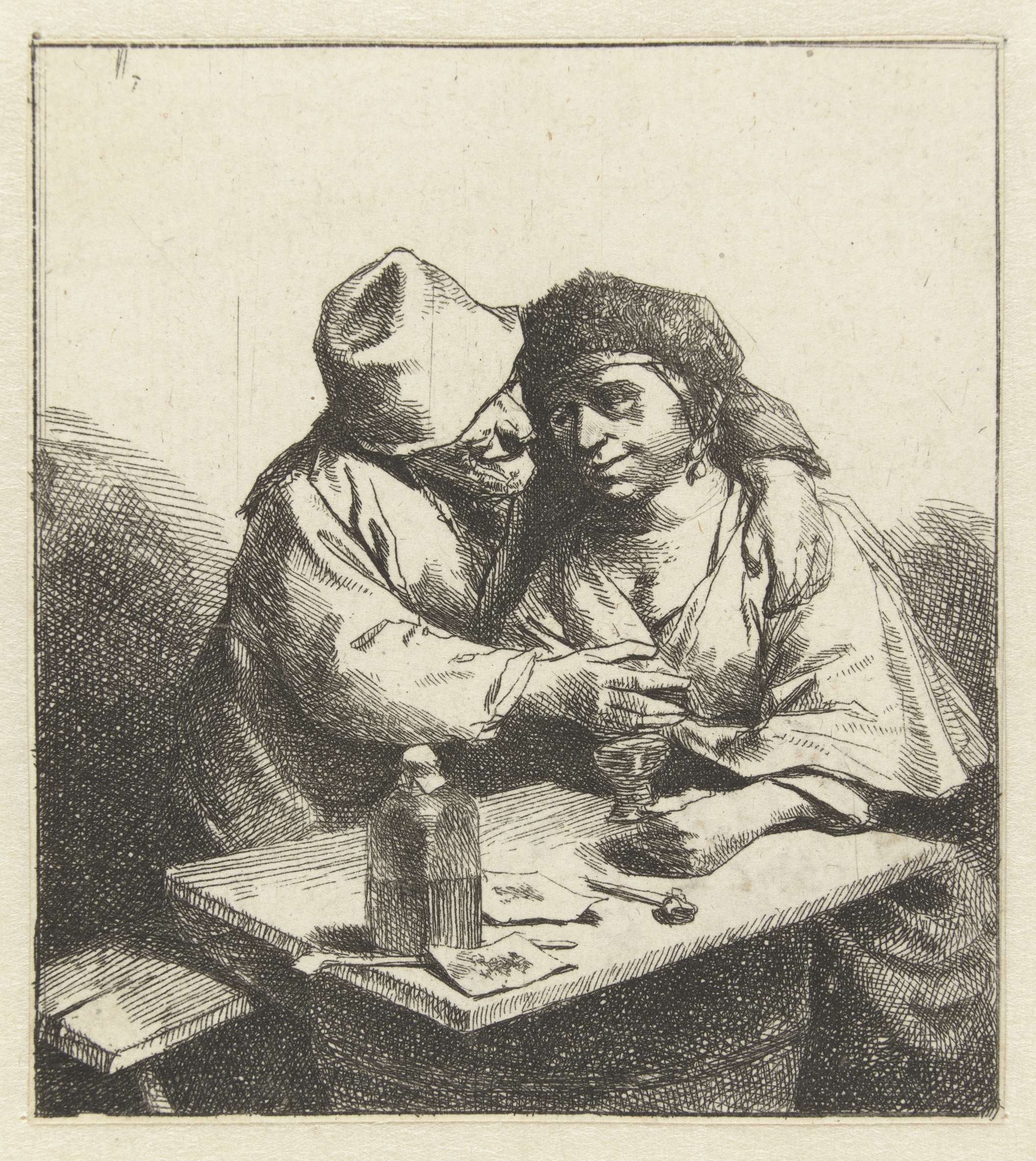
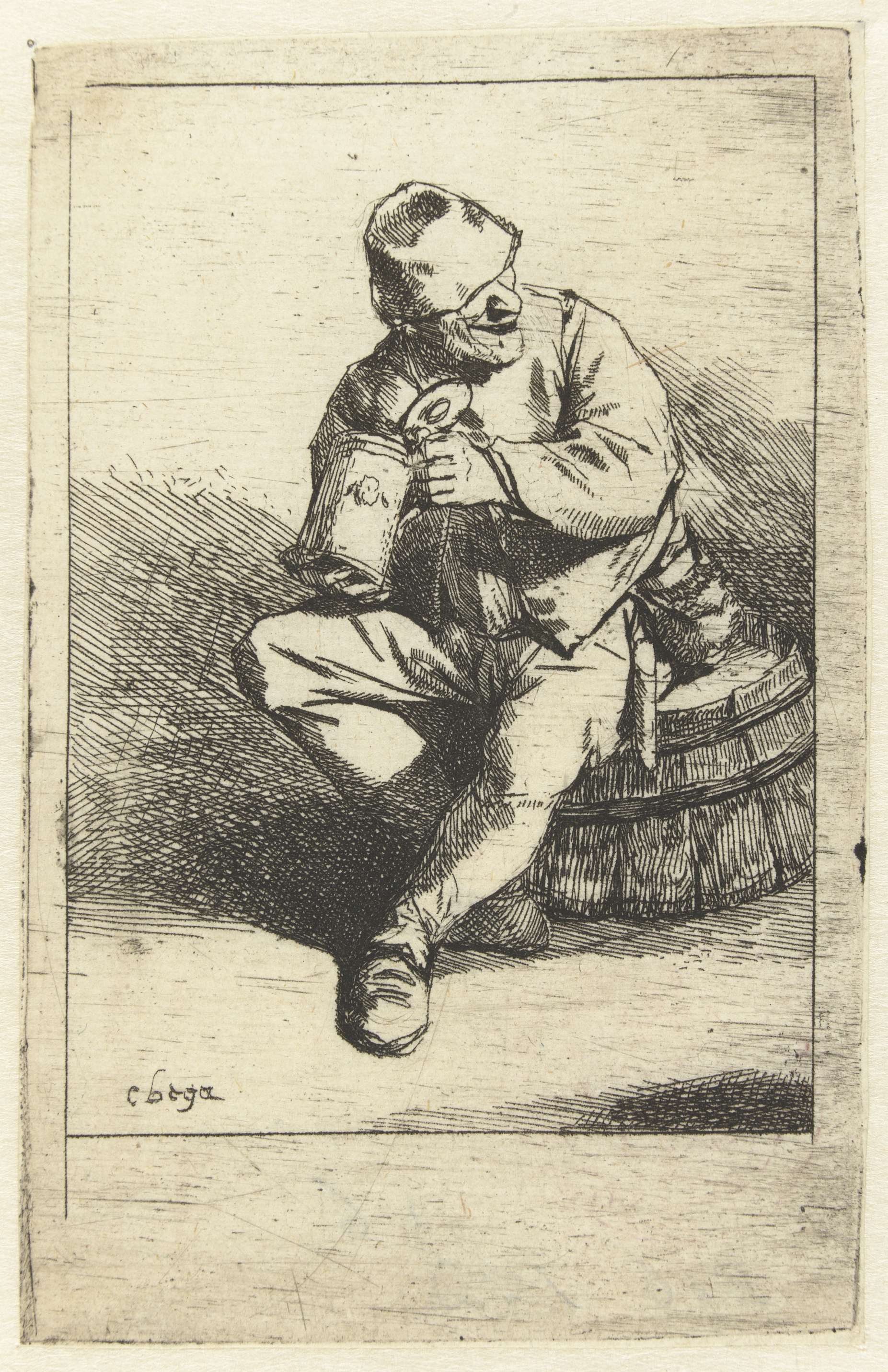
Where does light end, and longing begin? In the vibrant tableau of Dansende man en vrouw en twee zittende mannen en vrouw, the boundaries between joy and introspection blur, inviting a contemplation of human connection. Look to the center, where a dancing couple radiates energy, their bodies poised in a moment of exuberance. The male figure, with outstretched arms, seems to beckon the viewer into the scene, while his partner's flowing garments swirl around her like a soft whisper. Notice the subtle play of light; it bathes the figures in soft golden hues, highlighting the warmth of their gestures against the cool darkness of the background.
The seated pairs, positioned slightly apart, provide a contrasting stillness, their expressions captured in gentle observance, emphasizing the dynamic movement at play. Delve deeper into the piece, and you'll uncover layers of social commentary. The dancing couple's exuberance suggests a celebration of life, yet the two seated figures gaze on with varying expressions—one intrigued, the other contemplative. This juxtaposition may hint at the tension between the ecstasy of youth and the reflective nature of maturity. The light's reflection on the dancers creates an illusion of ethereality, suggesting that moments of joy are fleeting, illuminating the bittersweet nature of existence.
Cornelis Pietersz. Bega painted this work between 1642 and 1664, during a period of rich artistic development in the Netherlands. He was known for his intimate genre scenes that captured daily life, often highlighting the interplay of light and shadow. This artwork, emerging from a time when Dutch painting was flourishing, reflects both the vibrancy of social interactions and the nuanced emotions that accompany them, marking a moment of connection amid the complexity of human experience.