Mannen en jonge vrouw in herberg — History & Analysis
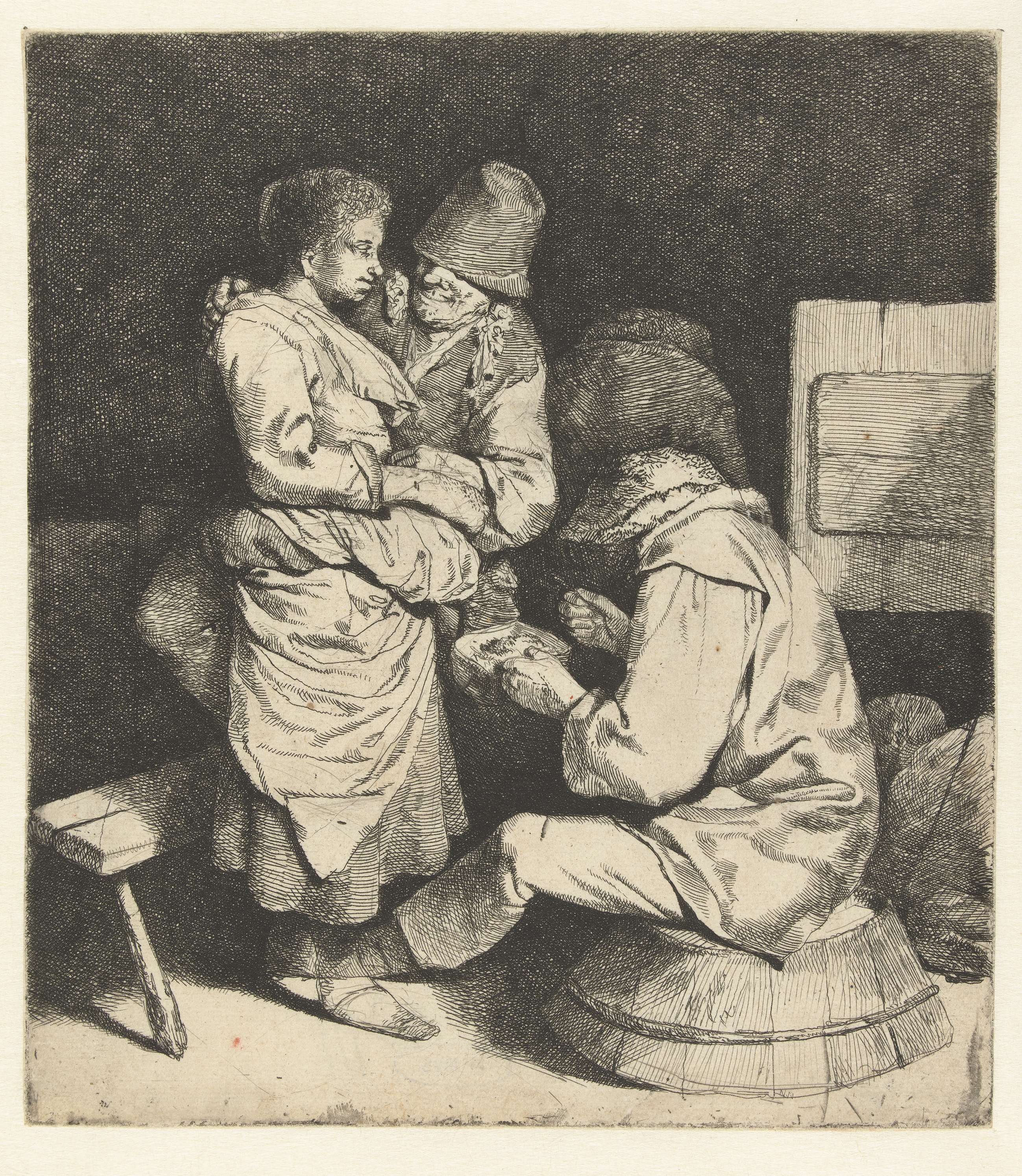
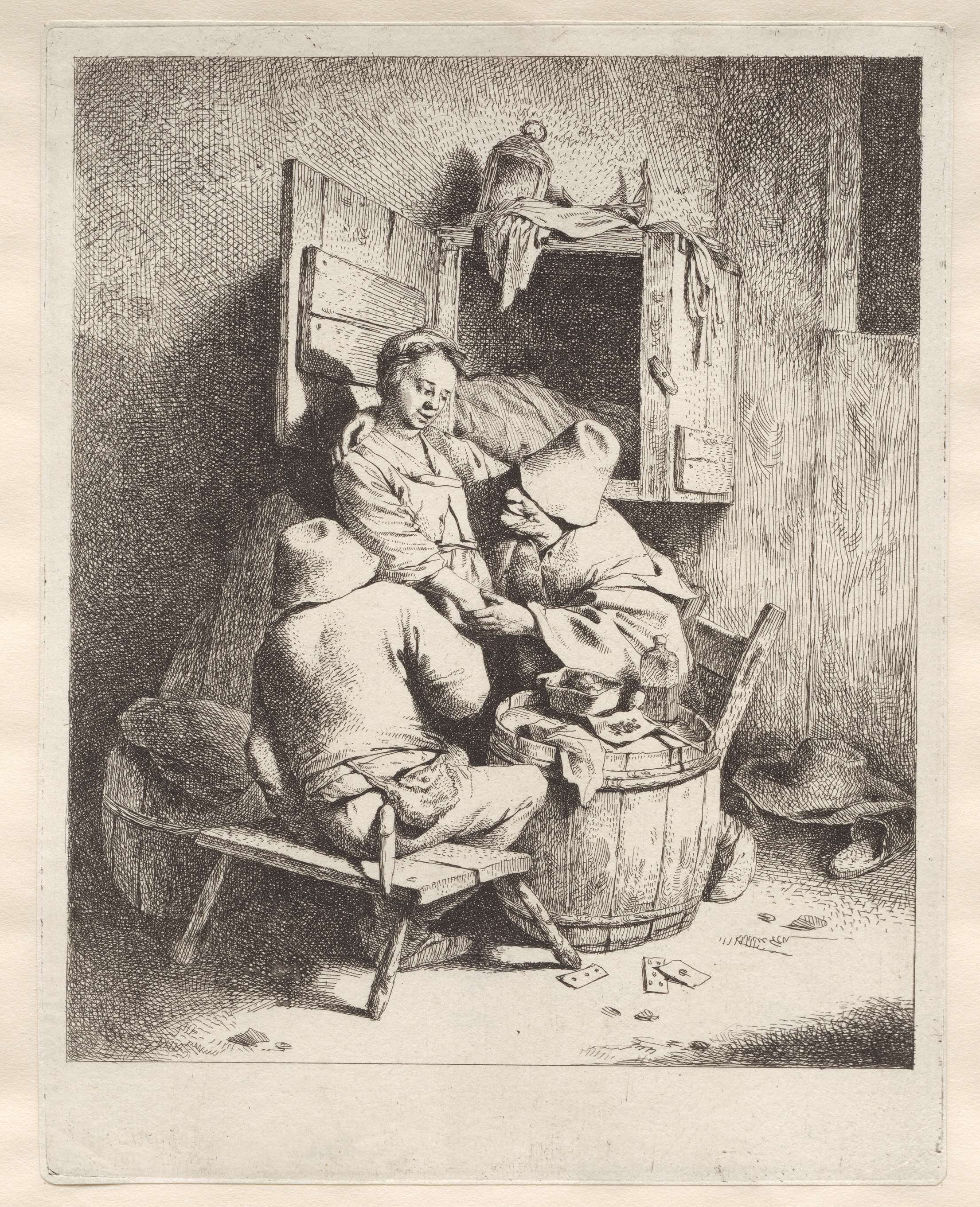
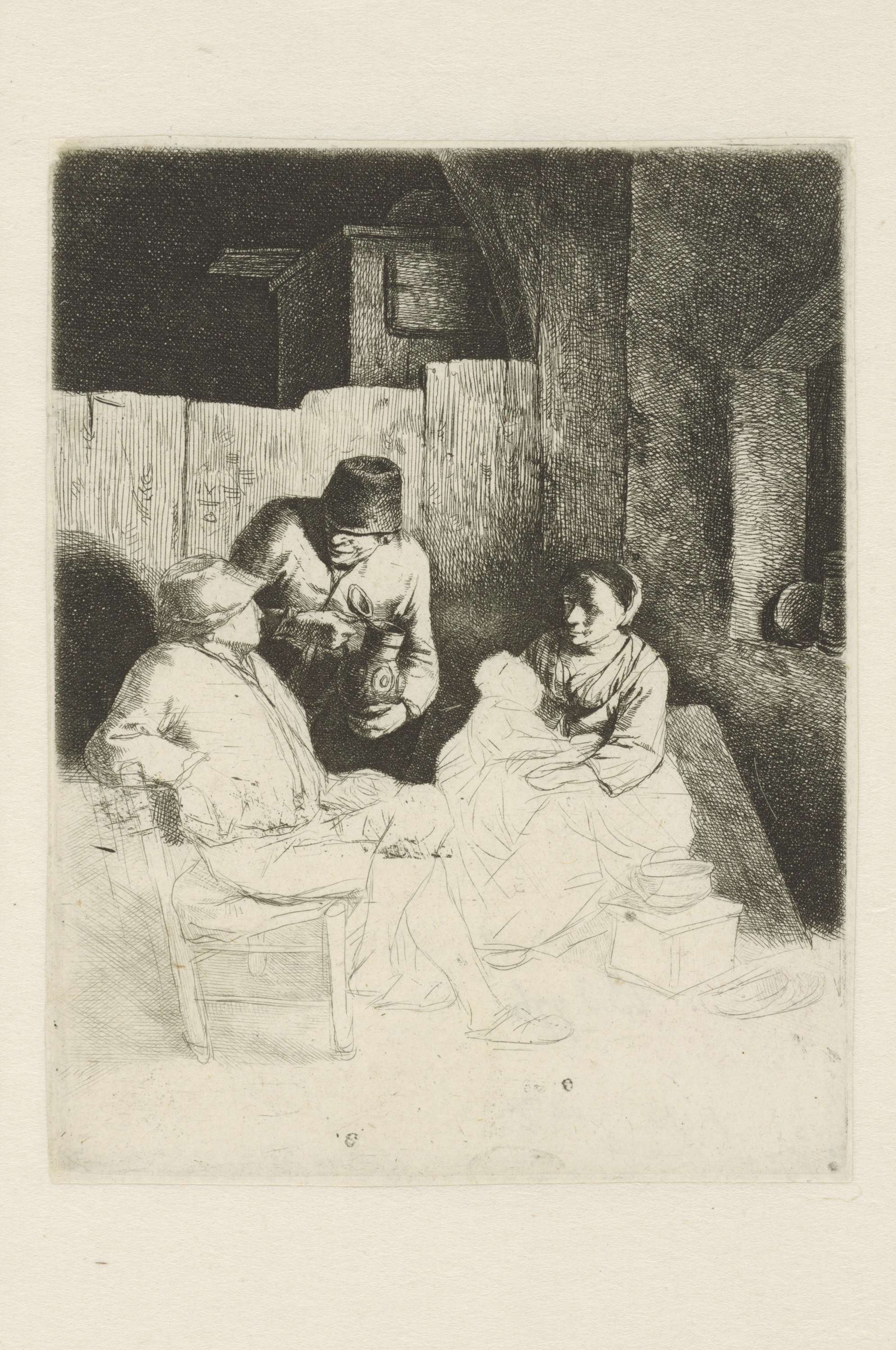
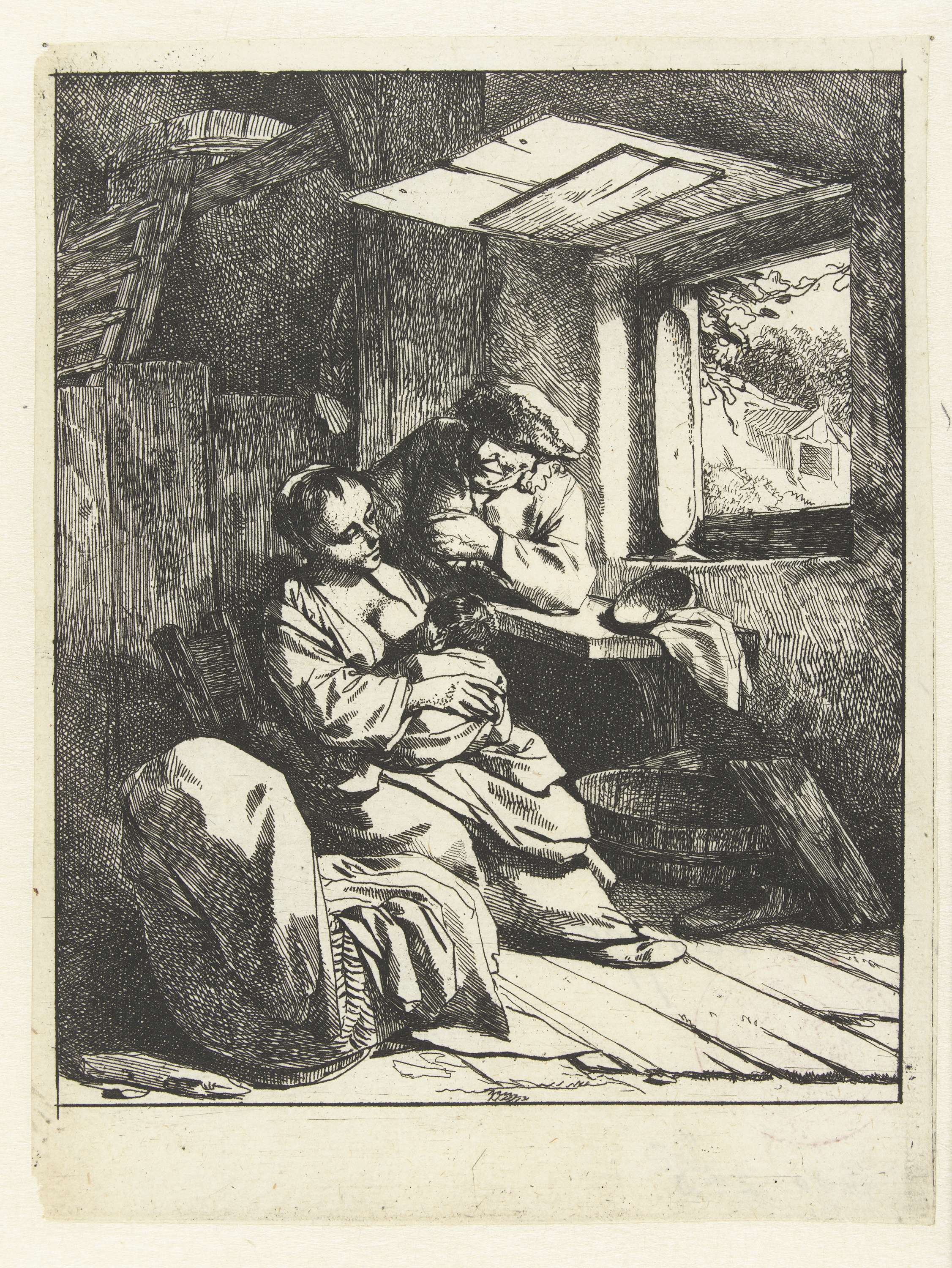
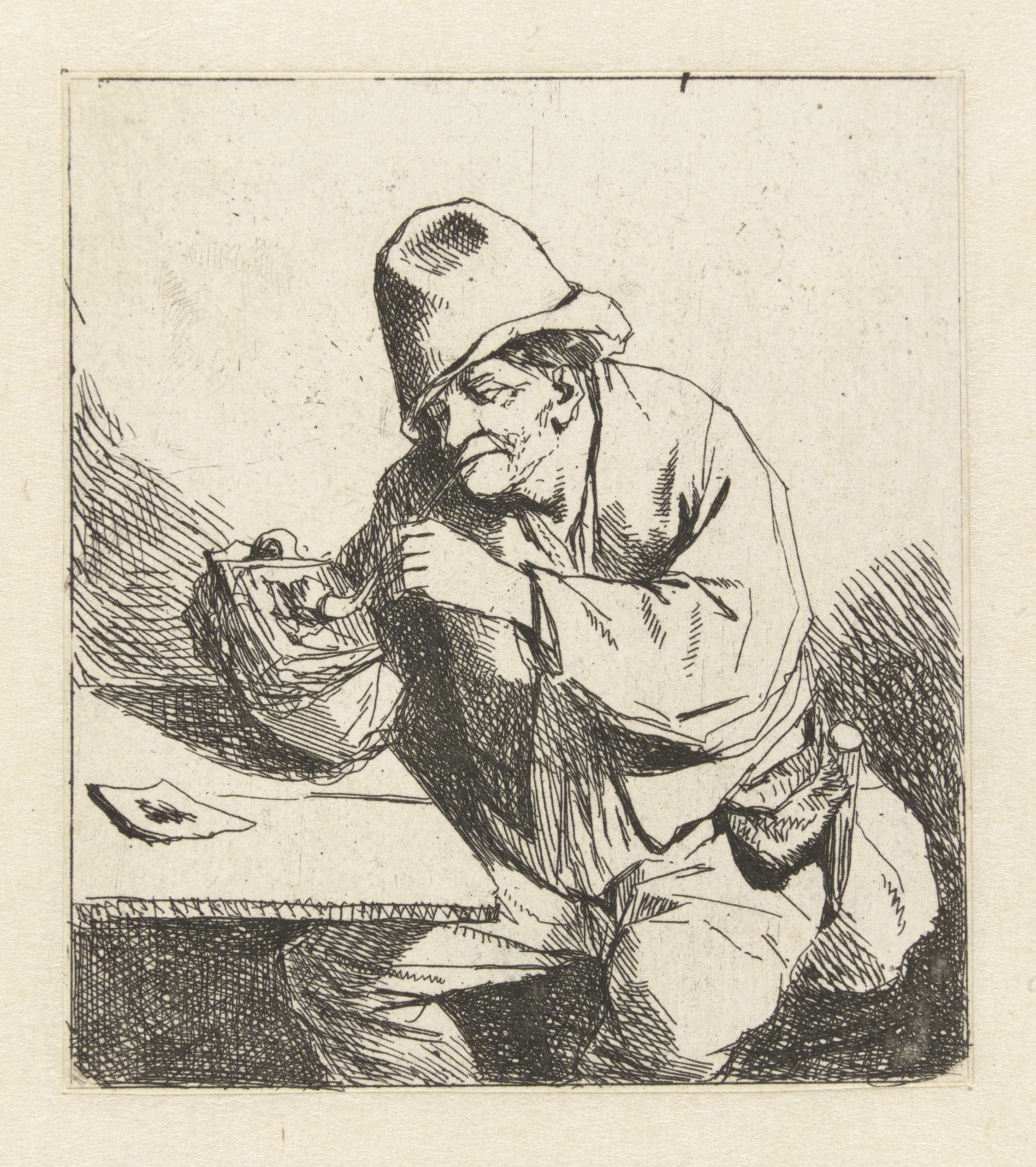
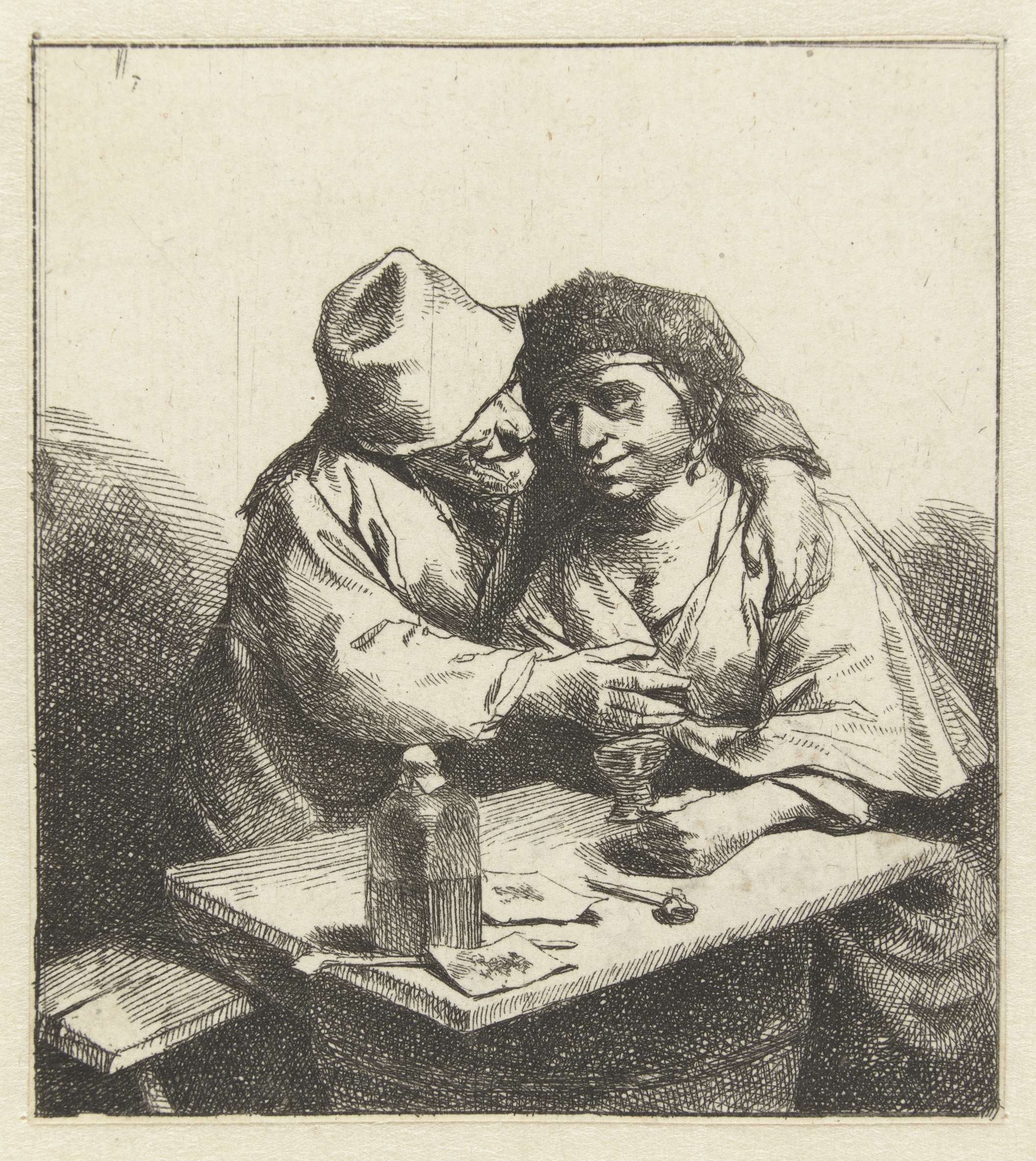
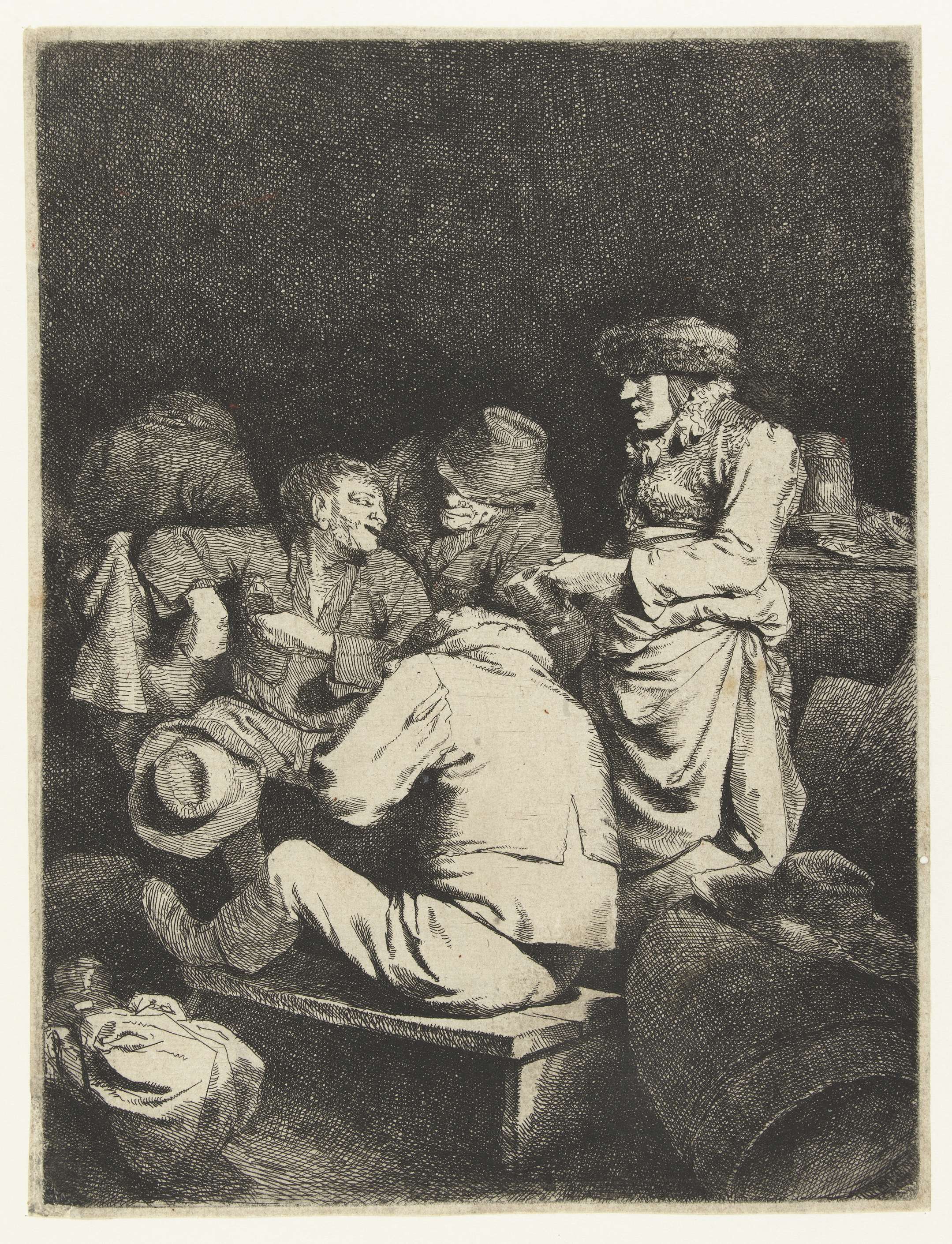
What secret hides in the quiet of the canvas? Within its depths lies a story steeped in nostalgia, waiting to be uncovered. Look to the left at the young woman, her delicate features illuminated by the soft glow of a flickering candle, casting shadows that dance gently across her face. Notice how the artist employs a warm palette, with rich browns and muted golds, enveloping the figures in an intimate embrace. The textures of their clothing invite the viewer to linger, while the wooden interior of the inn suggests a sense of both belonging and transience, echoing the fleeting nature of their moment together.
Delve deeper, and you’ll find a subtle tension in the composition. The man’s gaze is directed toward the woman, yet there is an air of hesitation—his posture suggests both attraction and a fear of vulnerability. In the background, the blurred figure of another patron looms, hinting at the presence of the outside world, a reminder that their connection exists within a crowded, unpredictable reality. Each detail—from the glimmer in the wine goblet to the gentle curve of the window—whispers of past conversations and shared secrets, encapsulating a profound sense of longing.
Created between 1642 and 1664, the work reflects a period when Cornelis Pietersz. Bega was deepening his exploration of genre scenes in Dutch art. Living in Amsterdam, he was influenced by the rising interest in capturing everyday life with a touch of intimacy and social commentary. This painting not only showcases his technical prowess but also illustrates the nuanced emotions of his time, blending the mundanity of existence with the profound complexity of human interactions.