Zittende man steekt pijp aan — History & Analysis
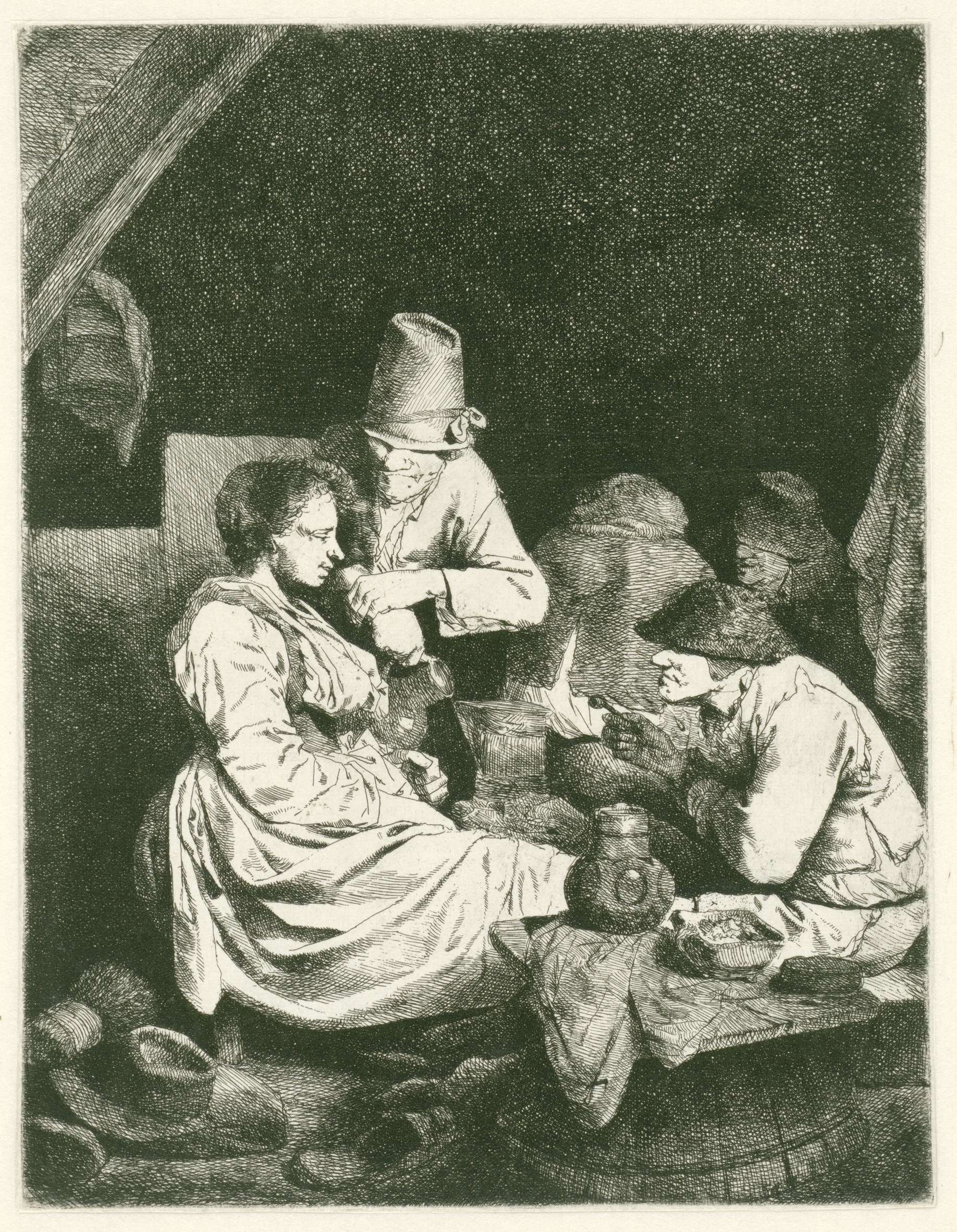
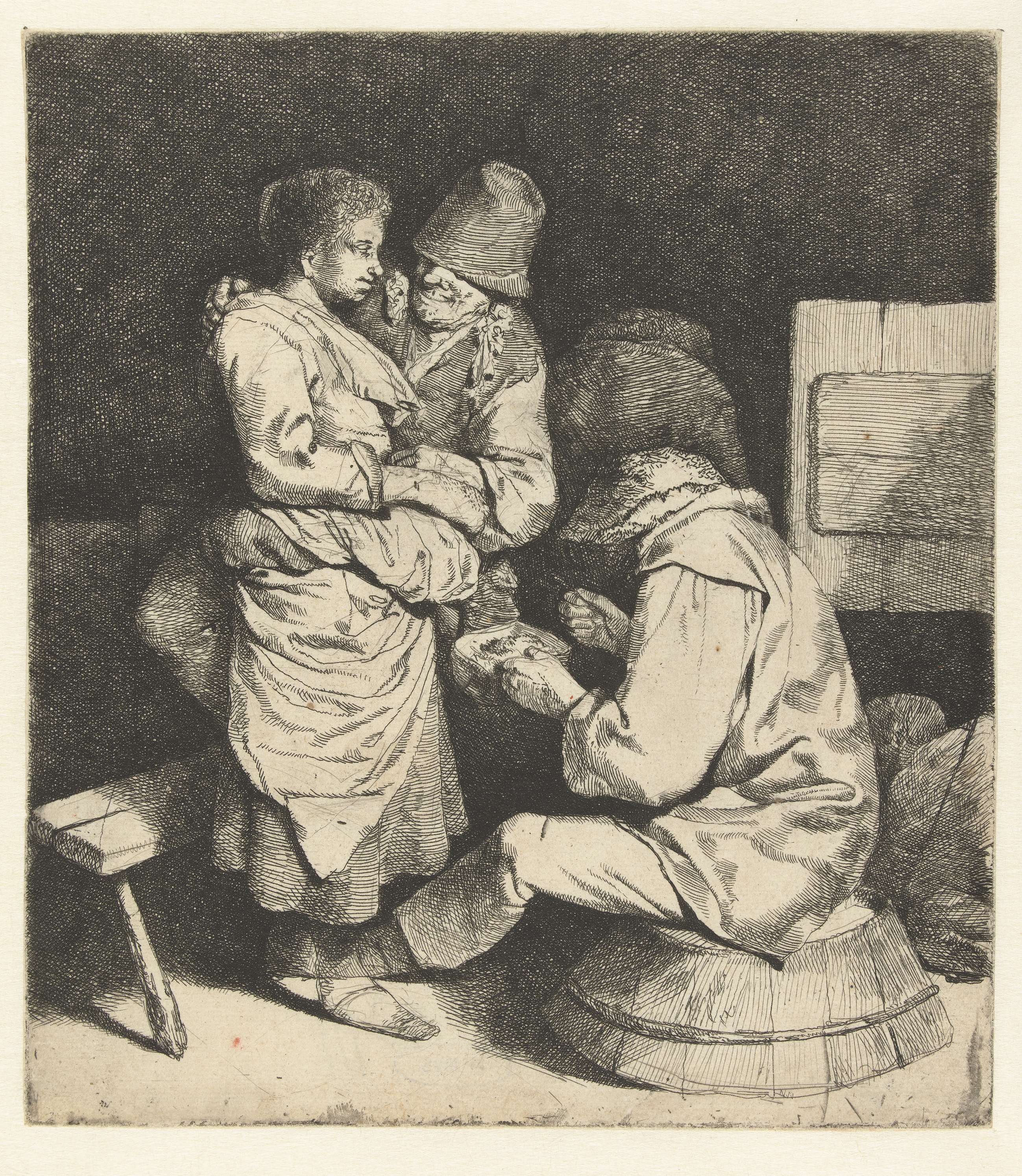
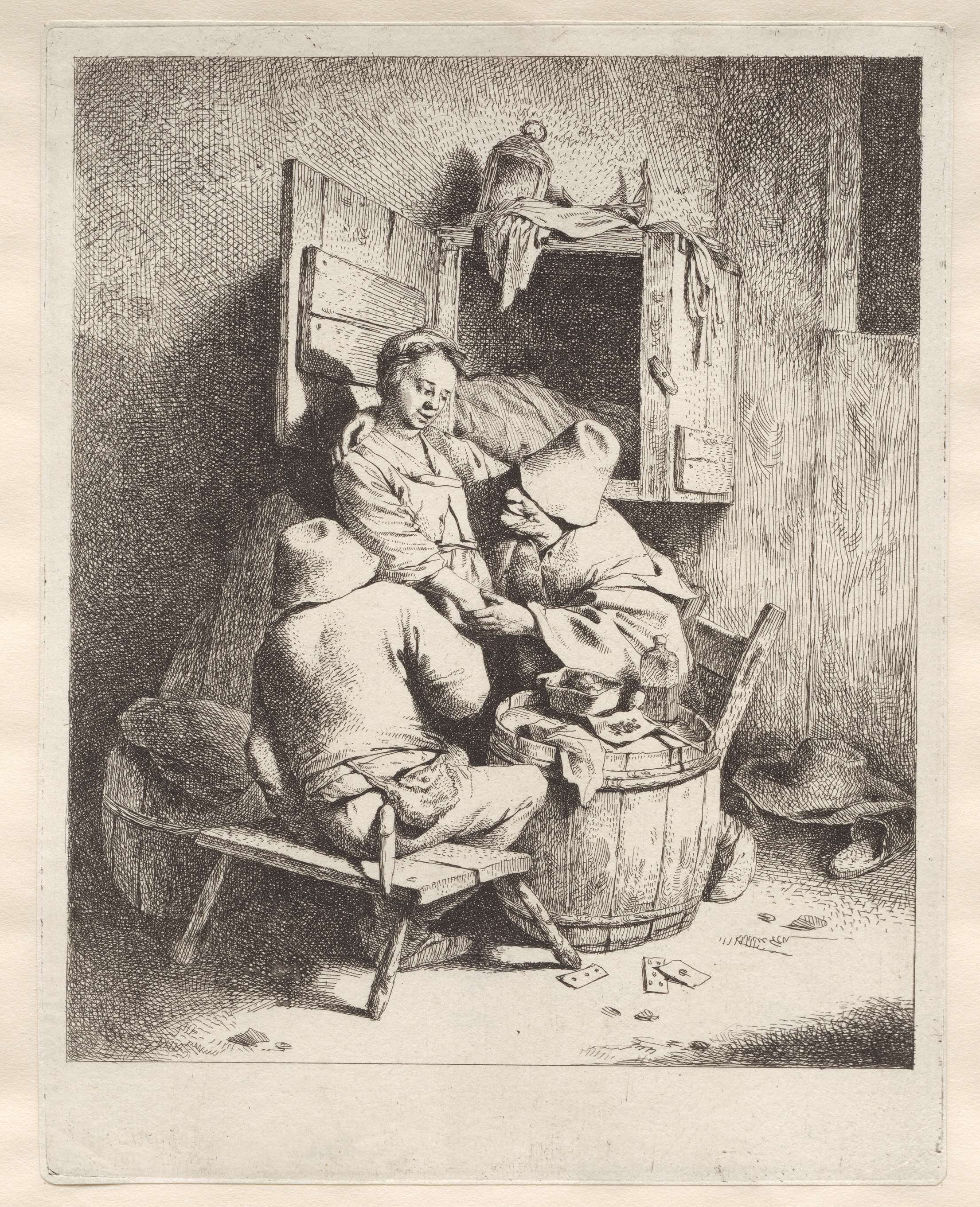
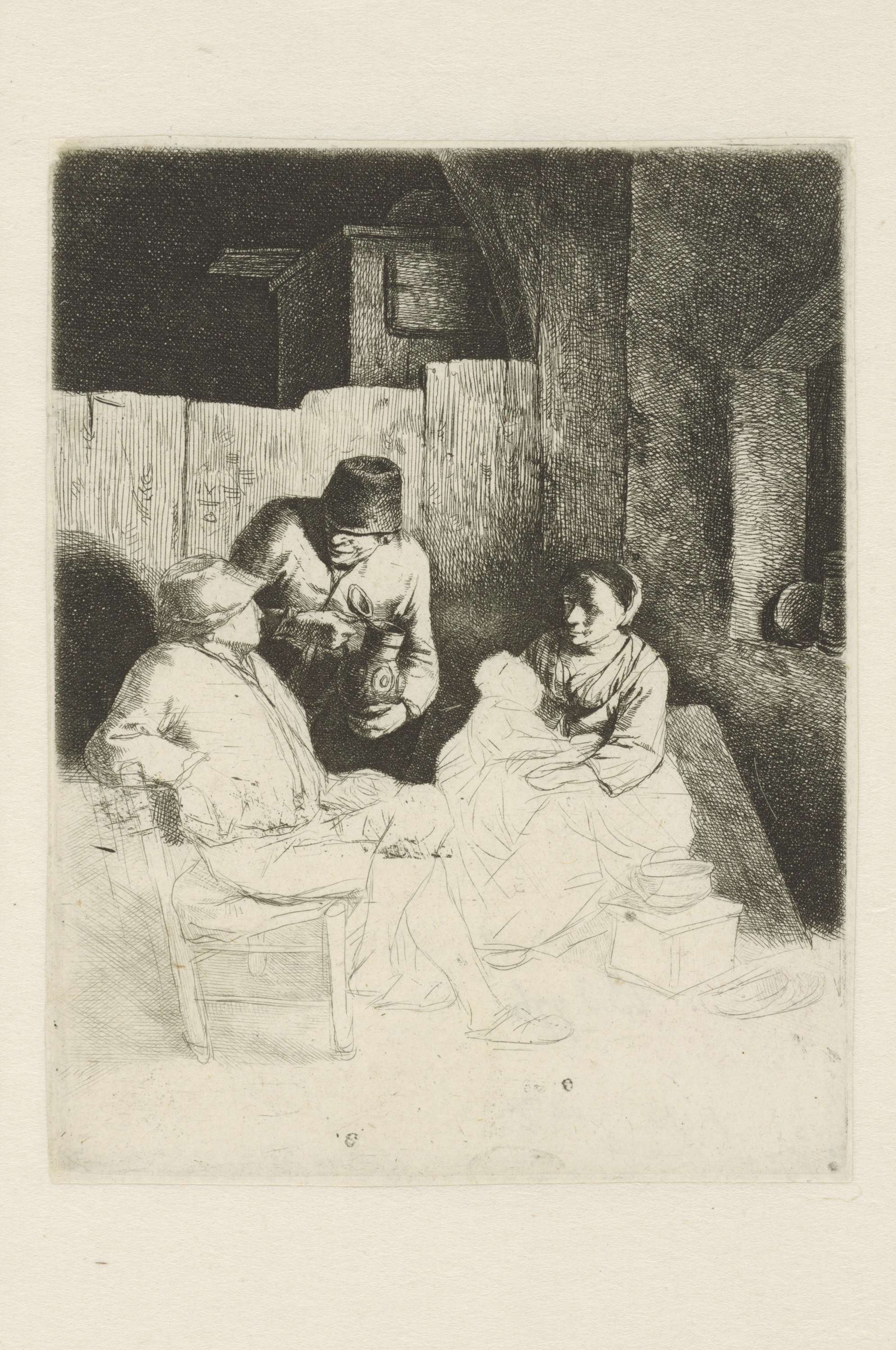
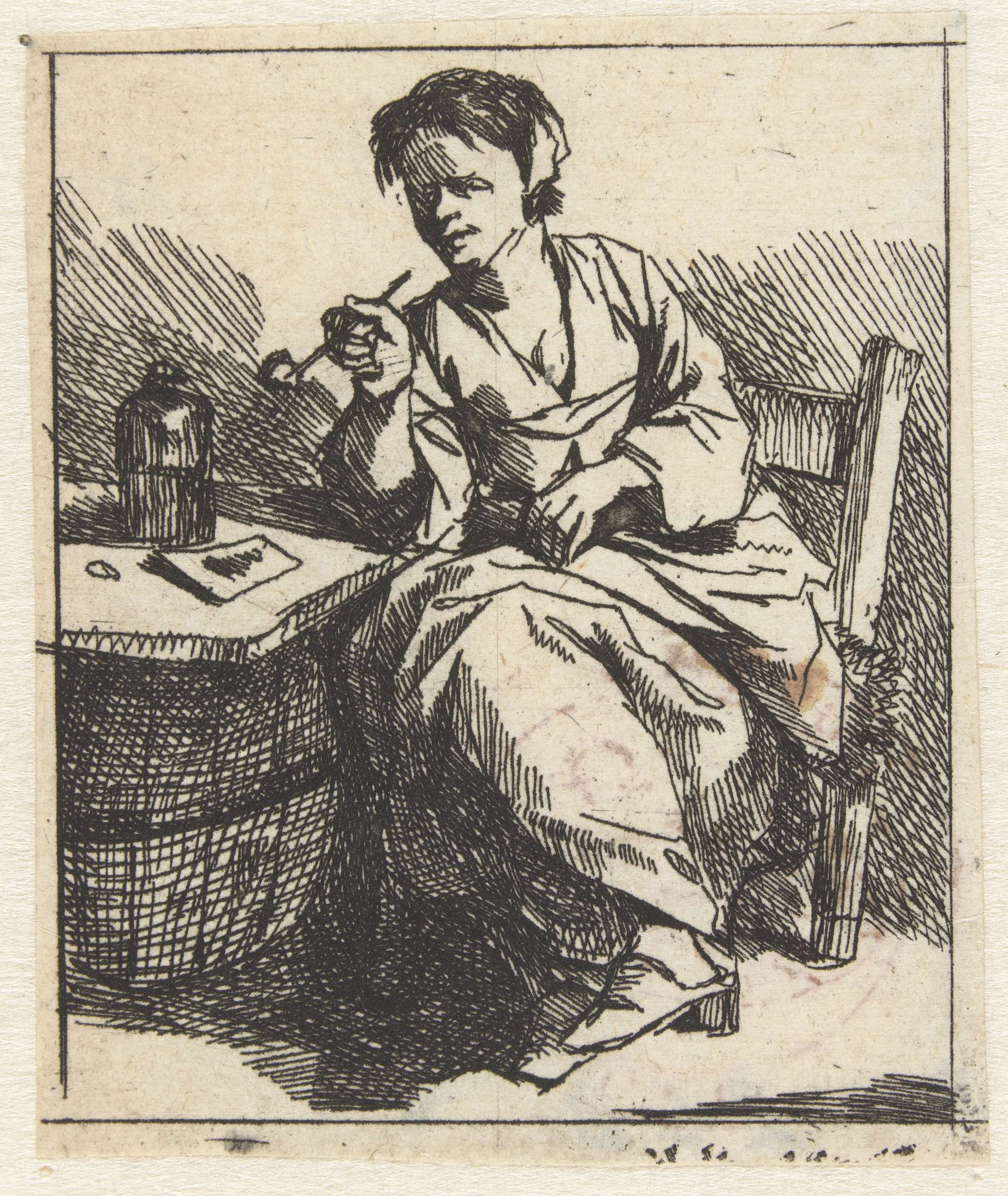
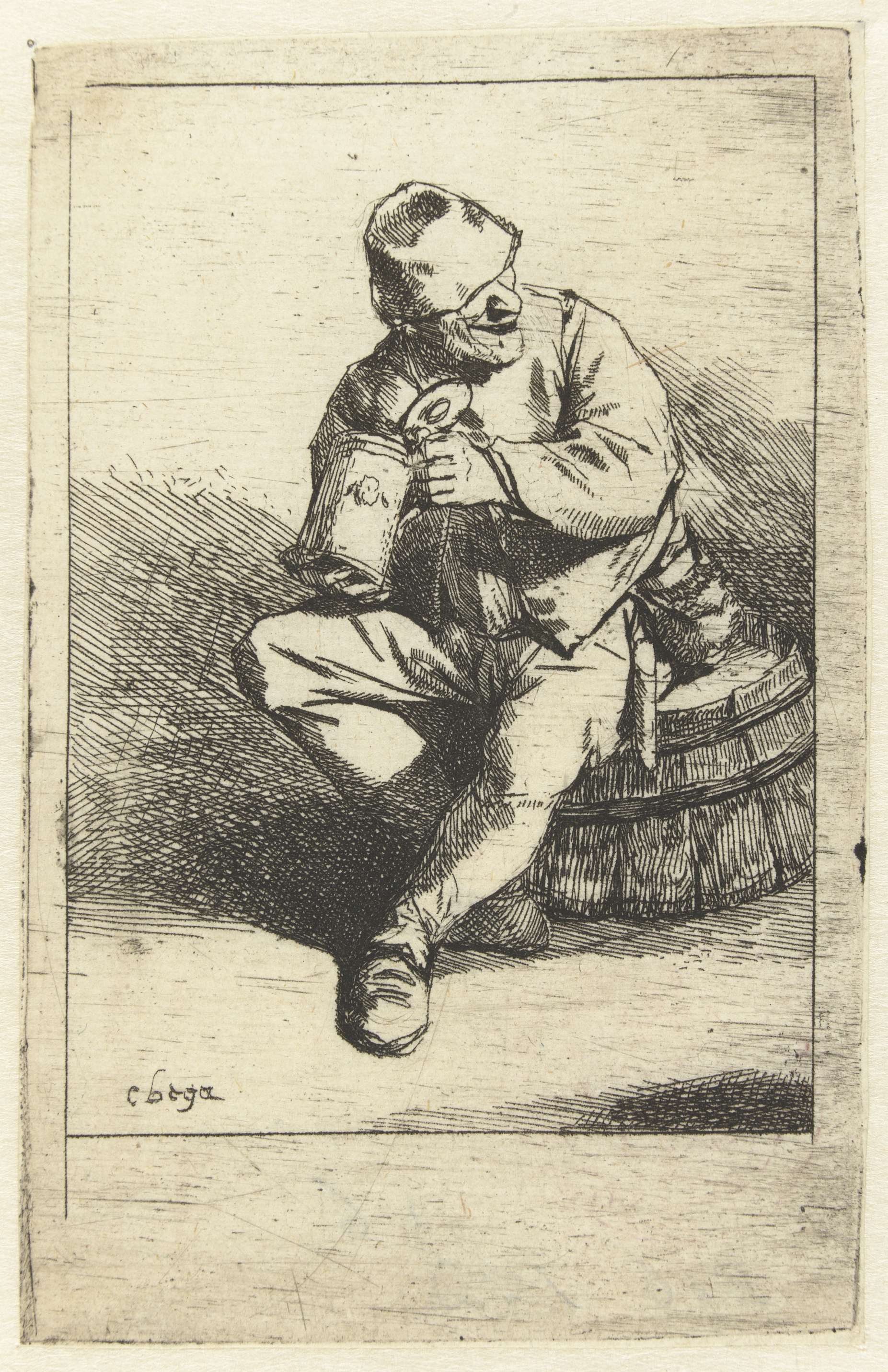
Where does light end, and longing begin? In the stillness of a solitary moment, we find the weight of loneliness encapsulated in each brushstroke. Look to the right at the figure of the sitting man, his profile carved against a backdrop of muted tones. The soft illumination from an unseen source caresses his face, drawing attention to the delicate ritual of lighting his pipe. The composition is intimate, with shadows embracing him, enhancing the sense of isolation.
Rich, earthy browns and deep greens blend seamlessly, creating a somber yet warm atmosphere that invites contemplation. The man’s posture—slightly hunched, absorbed in thought—evokes an unmistakable yearning for connection. Notice the way his fingers delicately cradle the pipe, a symbol of both rest and reflection; it is a small, solitary act that speaks volumes about his inner world. The contrast between light and shadow emphasizes not just his physical presence, but the emotional void that surrounds him, leaving the viewer to ponder the unspoken stories of solitude.
Cornelis Pietersz. Bega painted this piece between 1642 and 1664, a time when he was honing his skills in the tranquil atmosphere of the Dutch Golden Age. Living in Amsterdam, he was influenced by the growing emphasis on realism and the human experience in art. During this period, the genre of portraiture began to reflect deeper psychological states, allowing artists to explore themes of introspection and melancholy, which is profoundly felt in this work.