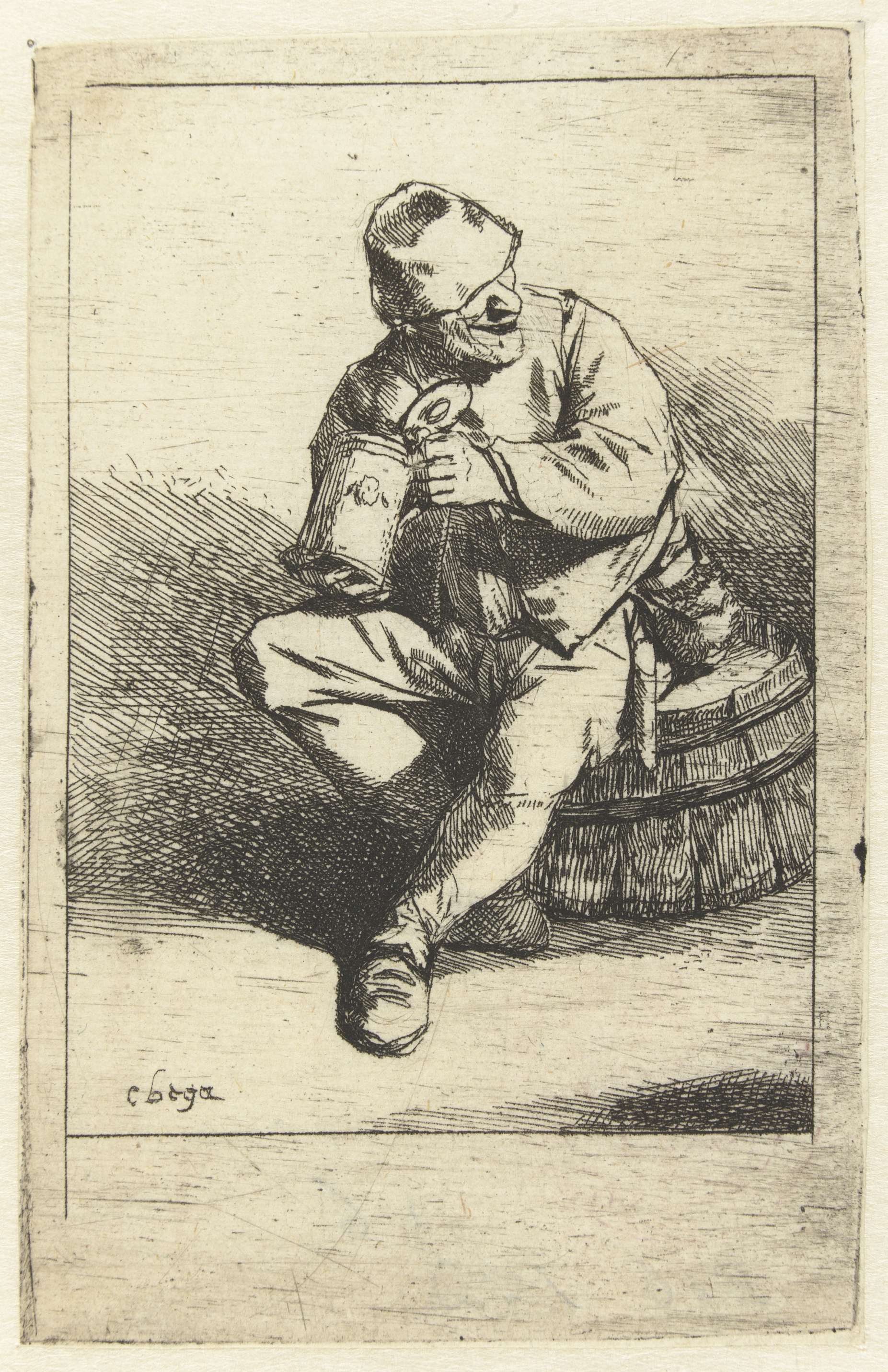
Staande man met de rechterhand op de borst in zijn mantel gestoken — History & Analysis
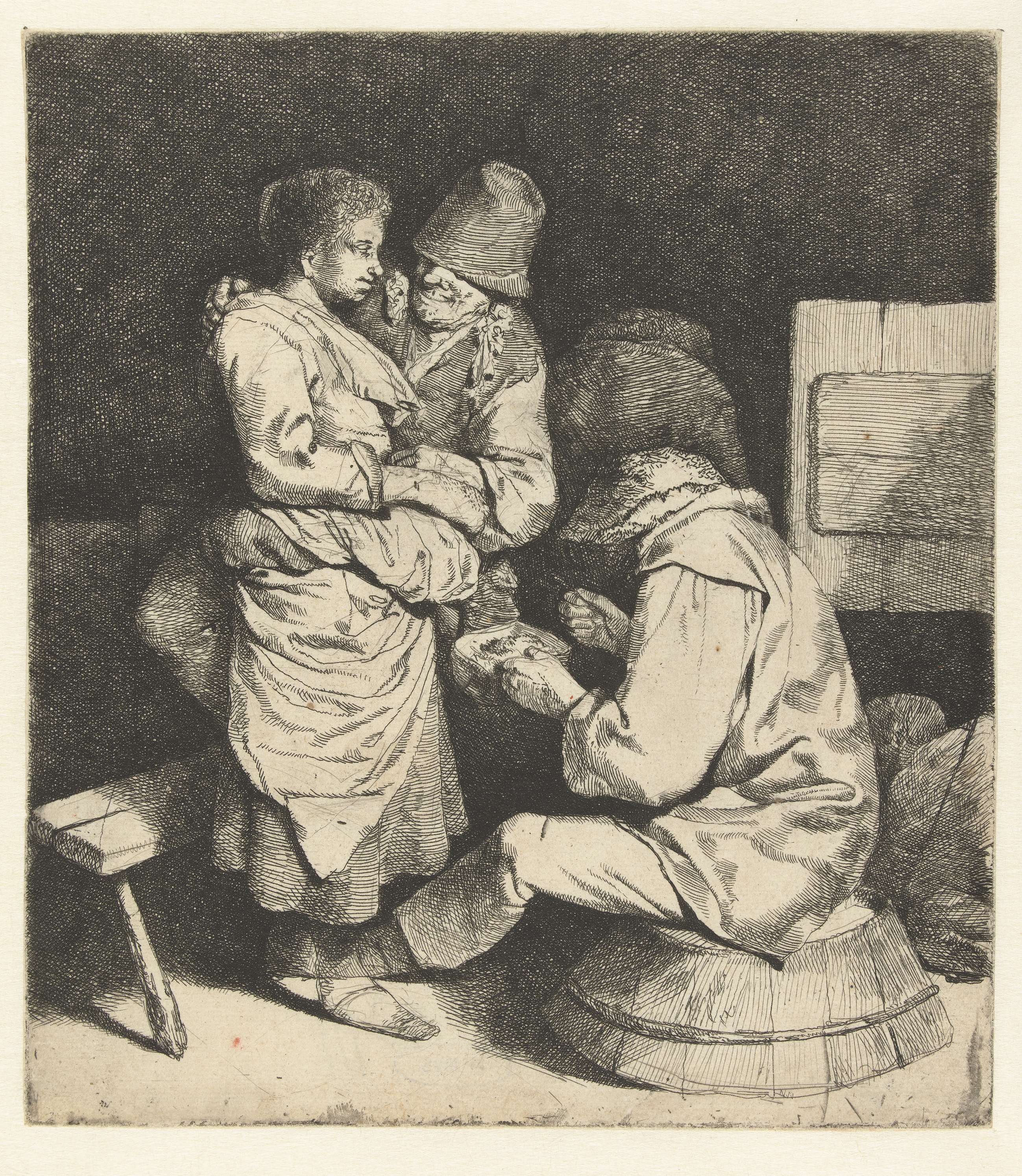
Can paint confess what words never could? In Staande man met de rechterhand op de borst in zijn mantel gestoken, the artist captures a silent testament to humanity, revealing the depth of emotion through color and form. Look to the right at the figure’s hand, resting confidently against his chest, a gesture that signals both introspection and authority. The rich, earthy hues of his mantle contrast with the subtle play of light that gleams off the textured fabric, inviting your gaze to explore the details of his expression.
Notice how the deep shadows echo the complexity of his character while the background remains muted, allowing the subject to command your attention, almost as if caught in a moment of contemplation. This painting transcends mere representation, conveying an intricate balance of vulnerability and strength. The interplay of warm and cool tones serves to heighten the emotional tension, suggesting a dichotomy between the internal and external worlds. The man’s calm demeanor juxtaposed with the underlying vibrancy of the colors prompts the viewer to ponder his story—who he is, what he holds dear, and the secrets his silence encloses.
Created during the mid-17th century, this work emerged when Bega was establishing his reputation in the artistic landscape of the Dutch Golden Age. At the time, he embraced the burgeoning interest in portraiture and genre scenes, seeking to infuse them with profound psychological depth. In a world bustling with progress and change, his focus on individual character and emotion carved a significant niche within the era's rich tapestry of artistic innovation.