Man zittend op ton met kruik in handen — History & Analysis
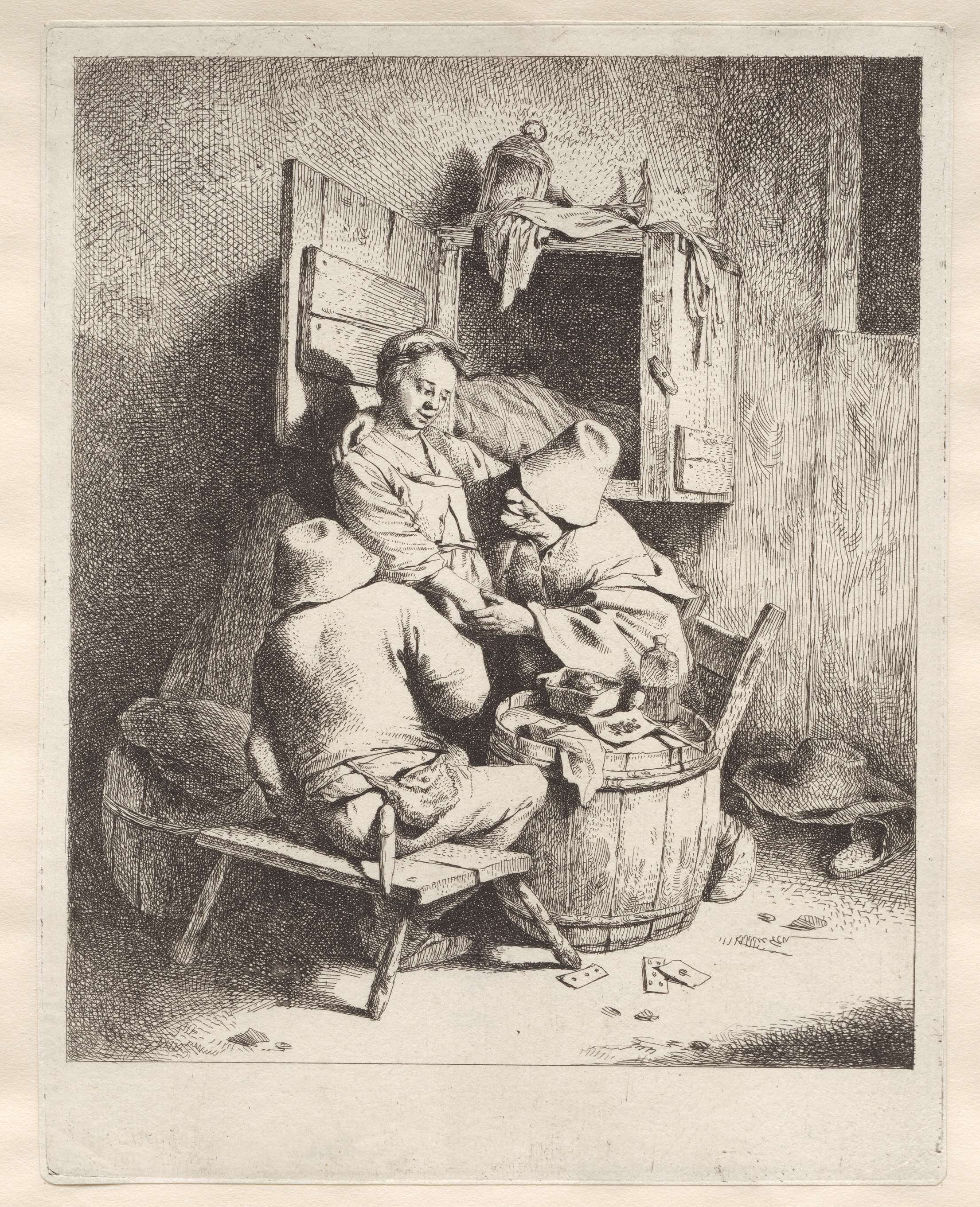
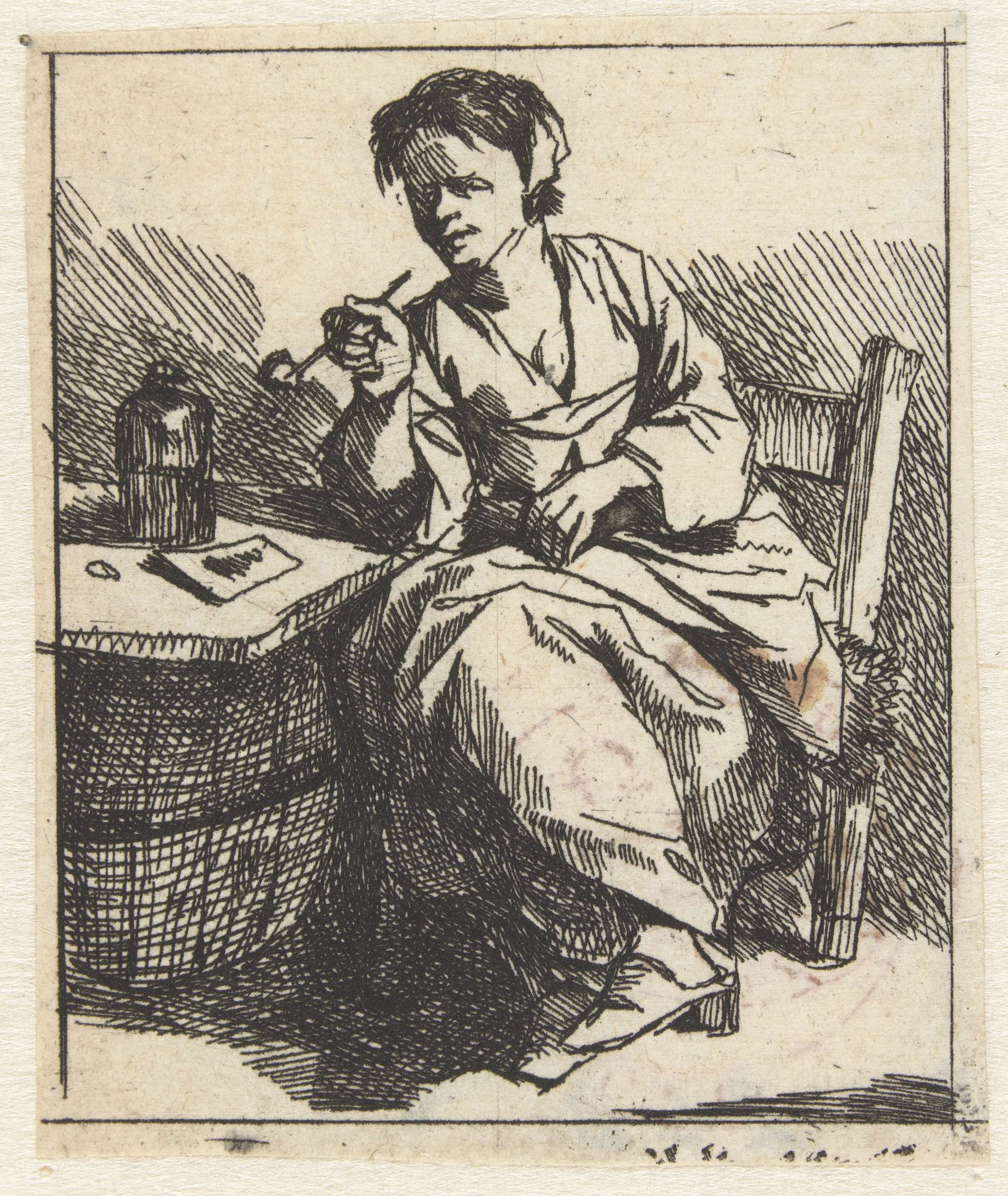
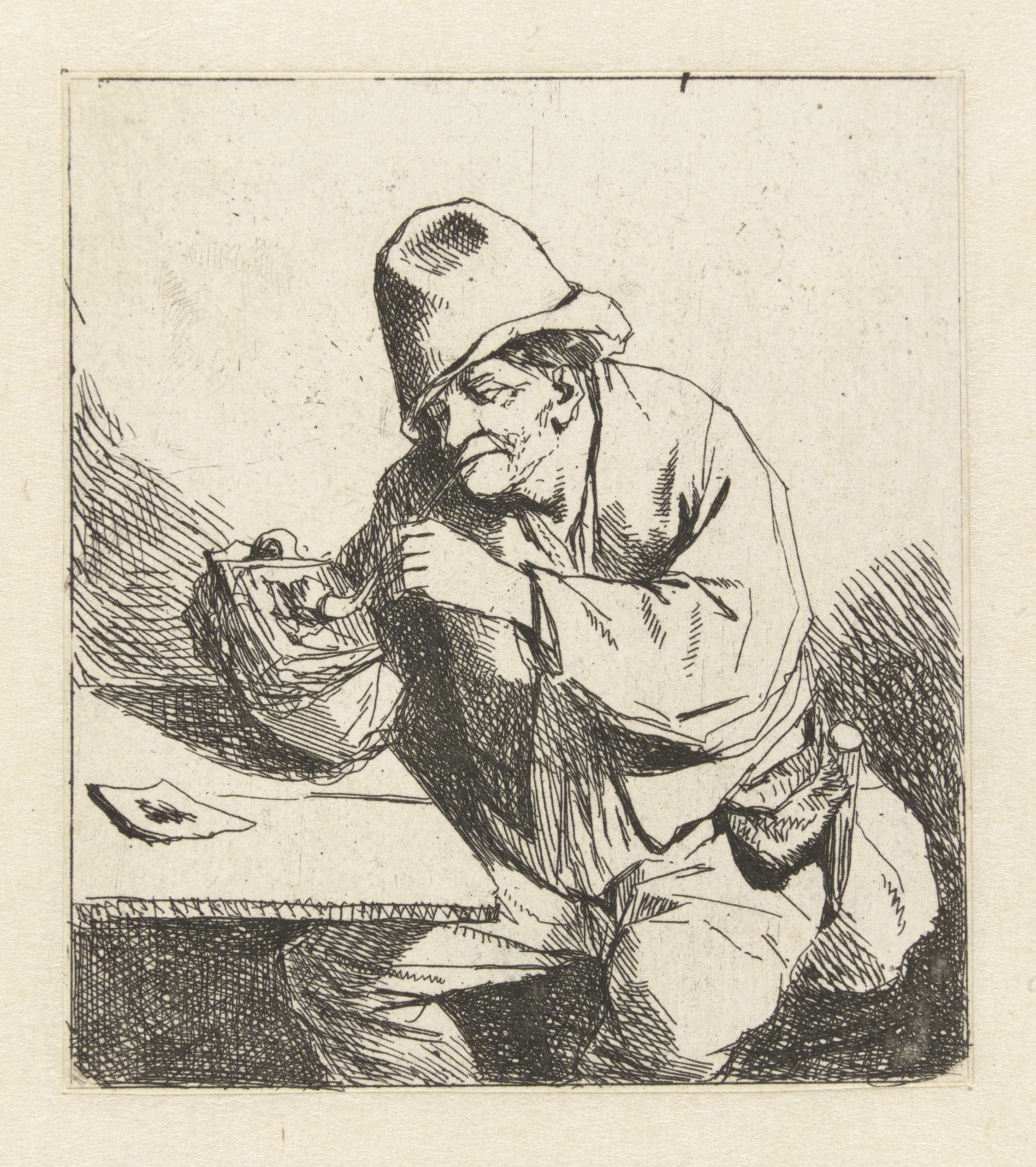
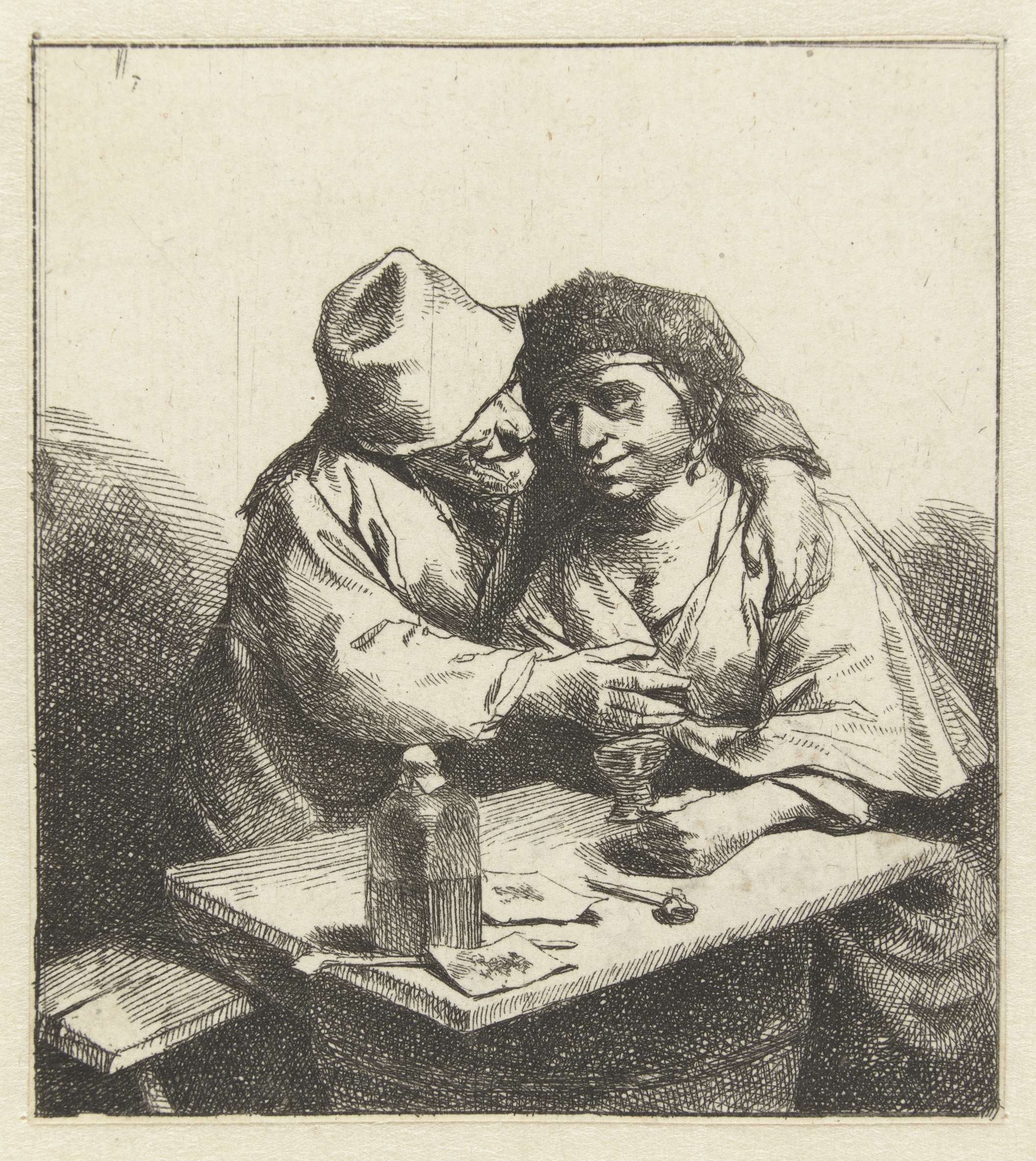
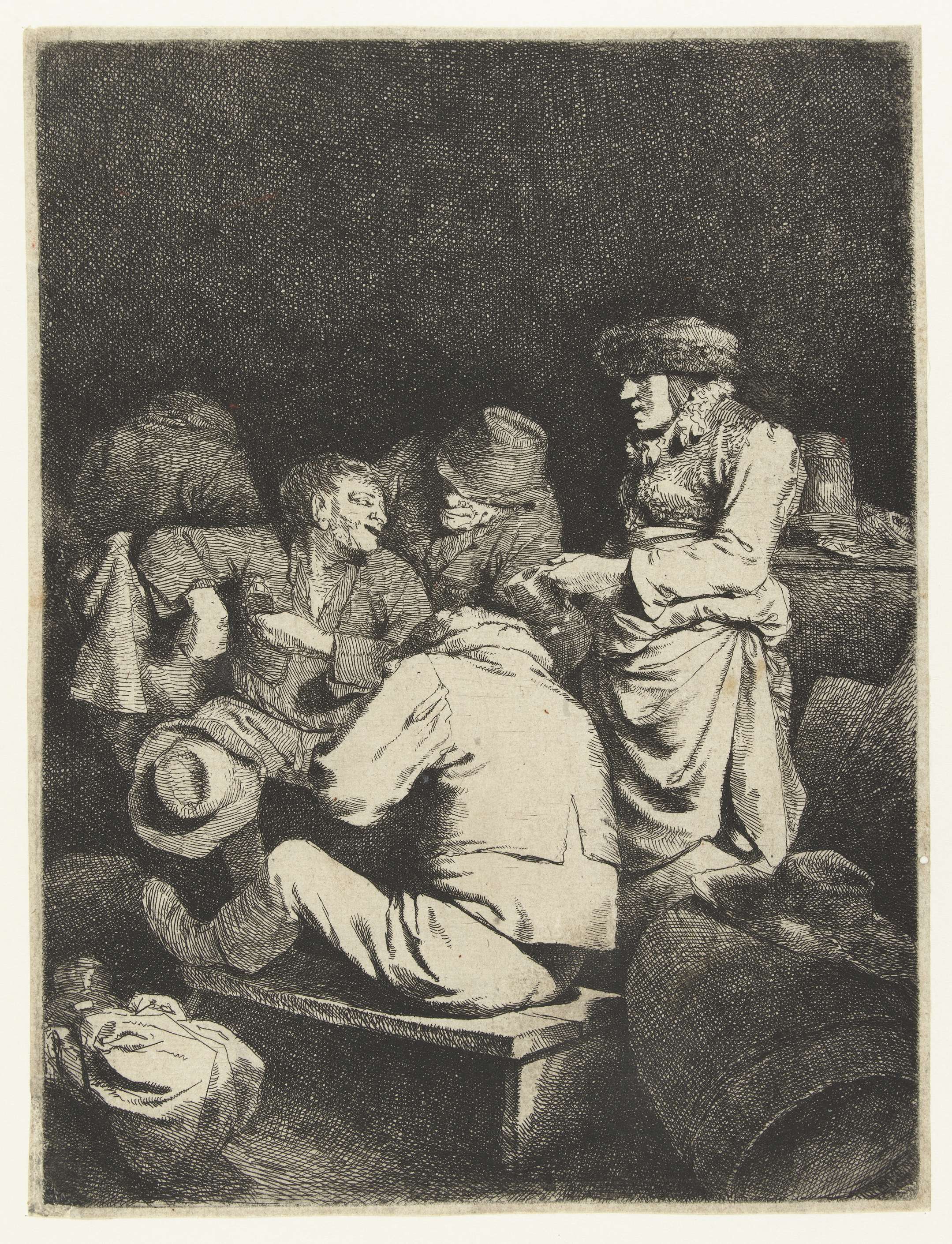
Can beauty exist without sorrow? In Man zittend op ton met kruik in handen, the question lingers, subtly woven into the fabric of the painting's serenity and isolation. The figure’s stillness signifies a moment caught between the vibrancy of life and the weight of existential reflection. Look closely at the central figure, seated on a barrel, his hands cradling a jug that seems to embody both promise and restraint. The warm hues of ochre and brown envelop him, contrasting with the muted coolness of the background.
Notice how the soft light cascades over his face, illuminating the contours of his features while casting delicate shadows that hint at a deeper narrative. This balance between light and shadow creates an illusion of depth, inviting viewers to ponder the layers beneath the surface. Within this simple composition lies a profound emotional tension—a juxtaposition of stillness and anticipation. The jug, a vessel of liquid yet to flow, evokes an unfulfilled longing, while the figure’s gaze suggests contemplation or perhaps regret. The barrel upon which he sits is both a throne and a prison, anchoring him in this moment yet also hinting at movement, a duality that accentuates the complexities of human experience.
Cornelis Pietersz. Bega painted this work during a period marked by the rise of Dutch genre painting, between 1642 and 1664. Living in an era rich with artistic exploration, Bega navigated the intricacies of light and shadow, gaining recognition for his ability to portray the human condition with nuance. This painting illustrates not just technical skill but also a deeper understanding of the emotions that accompany everyday moments, serving as a poignant reflection of his time.