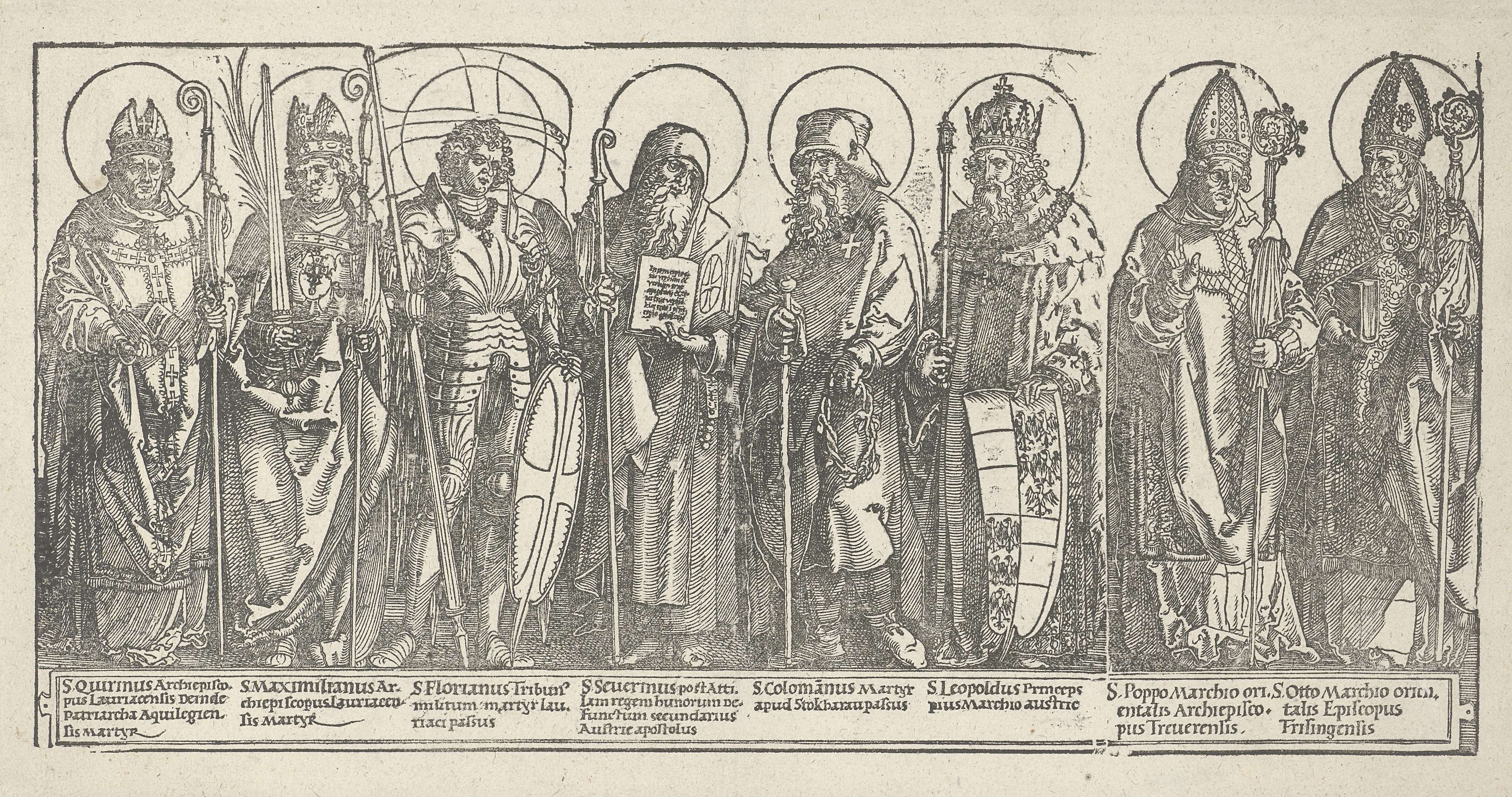
De beschermheiligen van Oostenrijk — History & Analysis
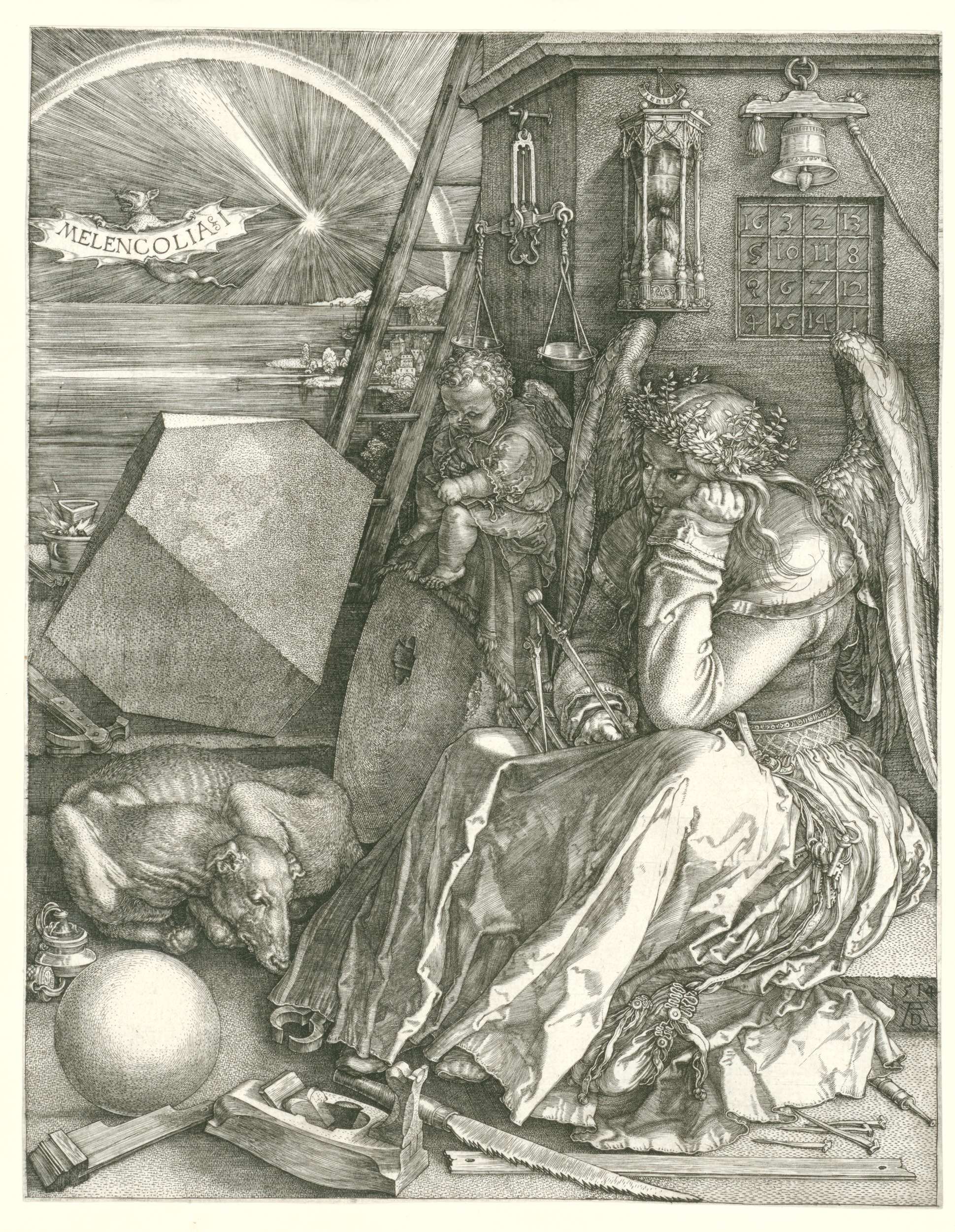
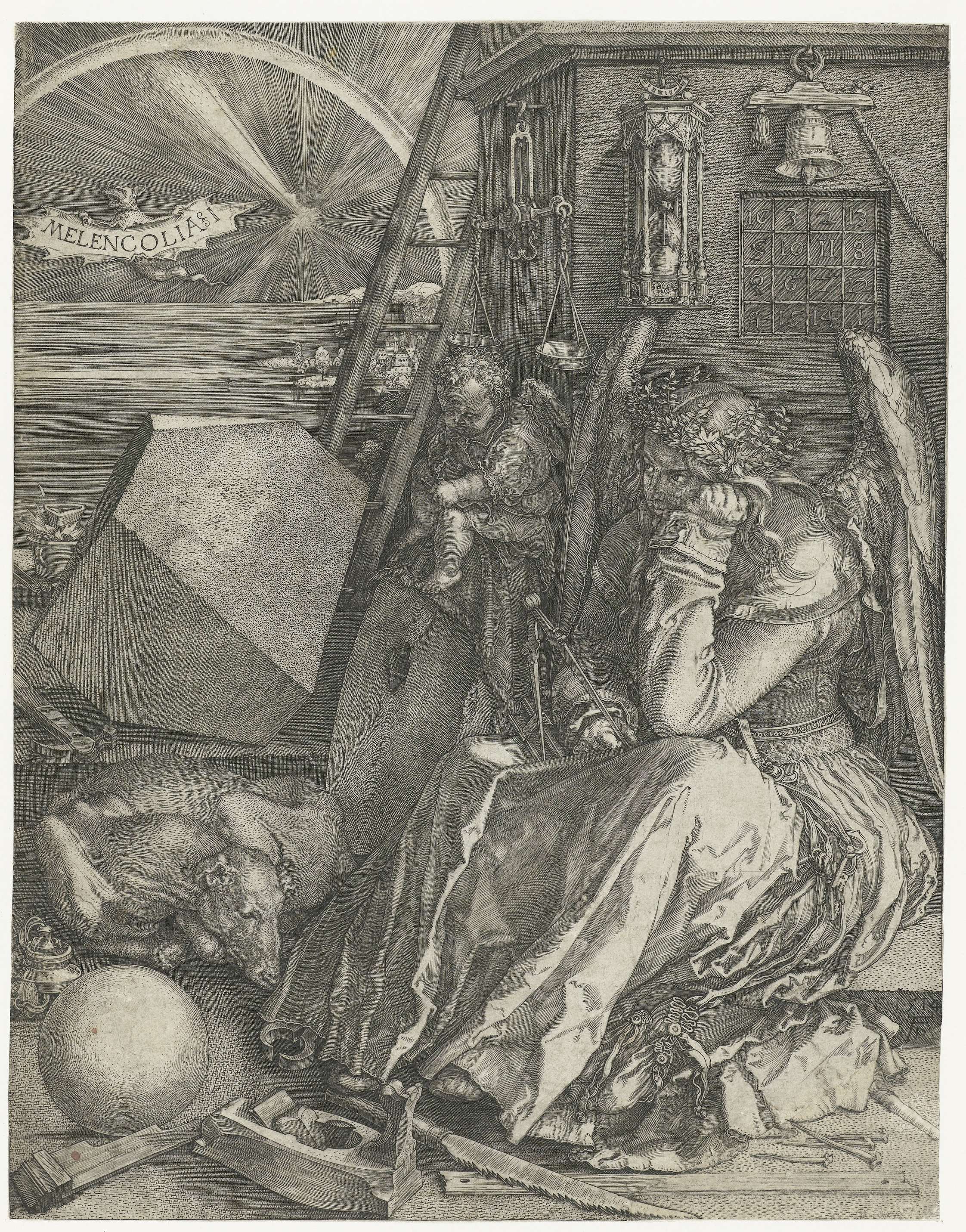
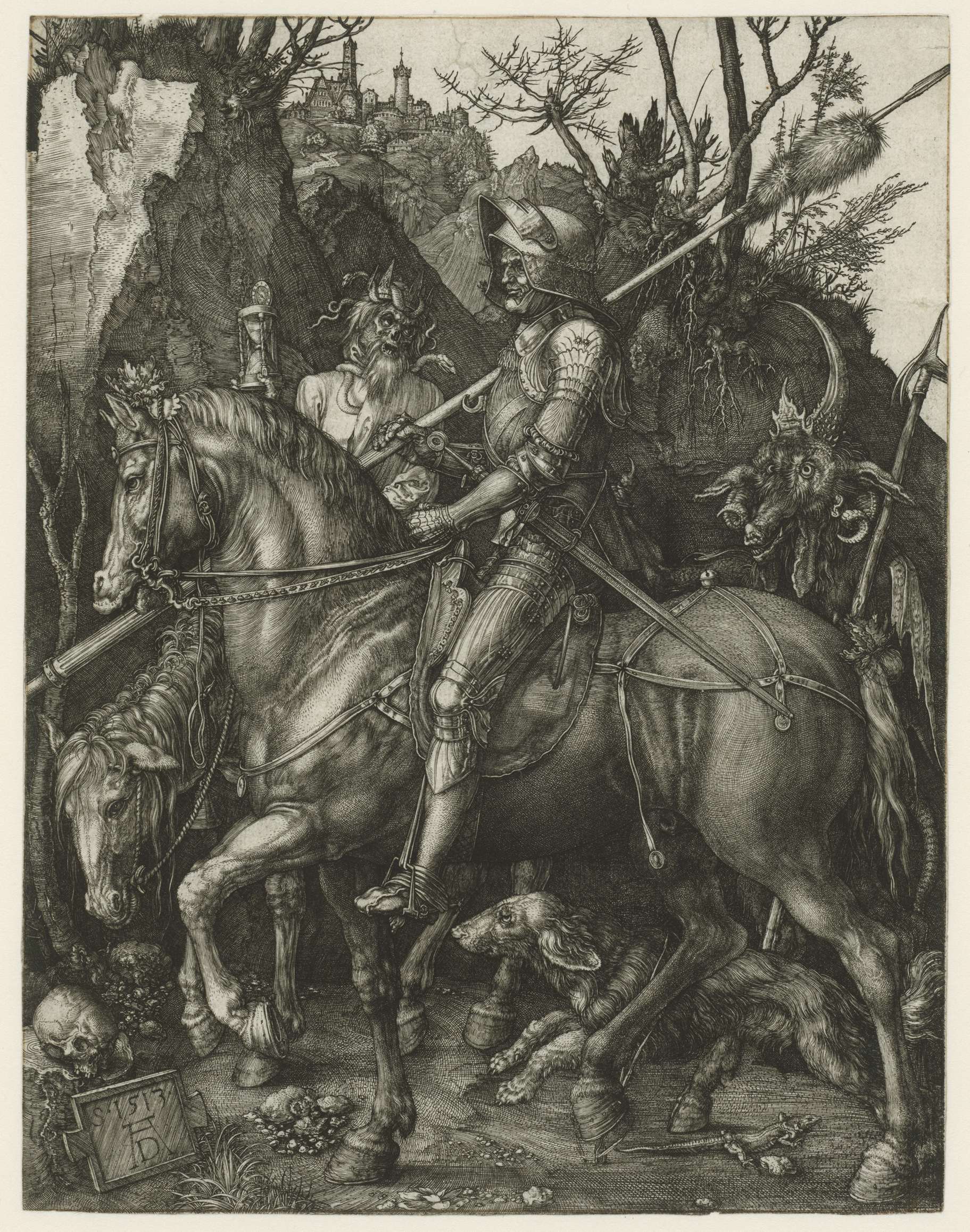
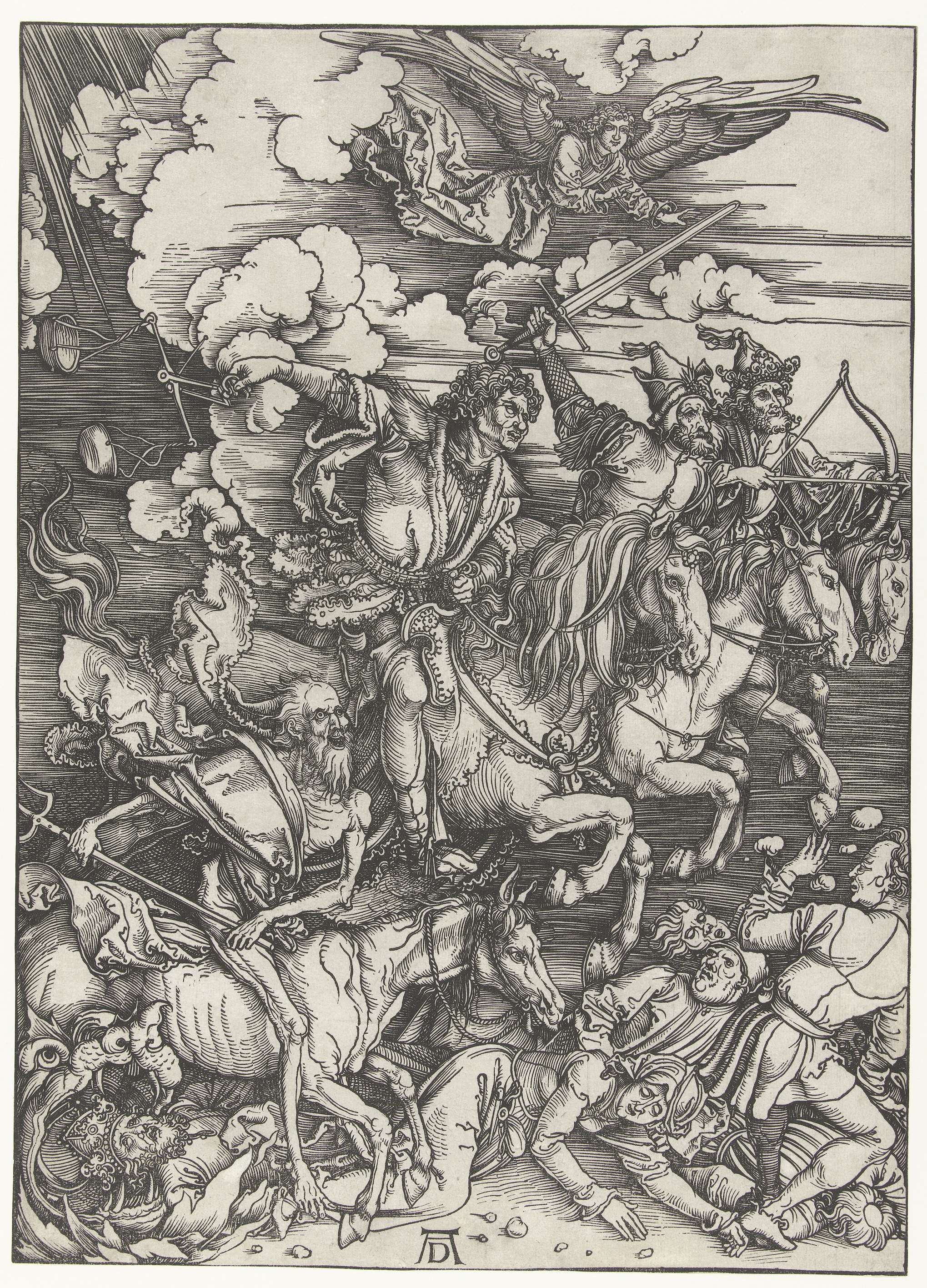
“Art reveals the soul when the world turns away.” In the delicate interplay of color and form, we find glimpses of reverence, revealing a depth that stirs awe and reflection within each viewer. Focus first on the central figures, those protectors immortalized by the artist's intricate lines and vivid hues. Notice how the gentle light illuminates their faces, casting a warm glow that contrasts sharply with the coolness of the backgrounds.
Each character is meticulously detailed; the textures of their garments invite you to trace the folds and shadows, while the expressions convey a blend of serenity and solemnity, drawing you deeper into their narrative. As you explore this work, consider the significance of their positioning; the guardians stand resolutely, yet their slight forward inclinations suggest readiness, as if poised to engage with or shield the onlooker. Their attributes—symbols of virtue and faith—speak to a divine protection that transcends time.
The juxtaposition of vibrant colors against muted tones encapsulates a spiritual imbalance, a reminder of humanity's eternal struggle for guidance amid chaos. Created during a period of artistic rebirth and change in the late Renaissance, this piece reflects Dürer's deep engagement with both spirituality and the natural world. Painted between 1570 and 1590, it emerges from a phase when the artist was revisiting his roots while also navigating the shifting tides of Reformation and religious conflict in Europe, marking a significant moment in his career as he sought to balance tradition with innovation.