De foor — History & Analysis
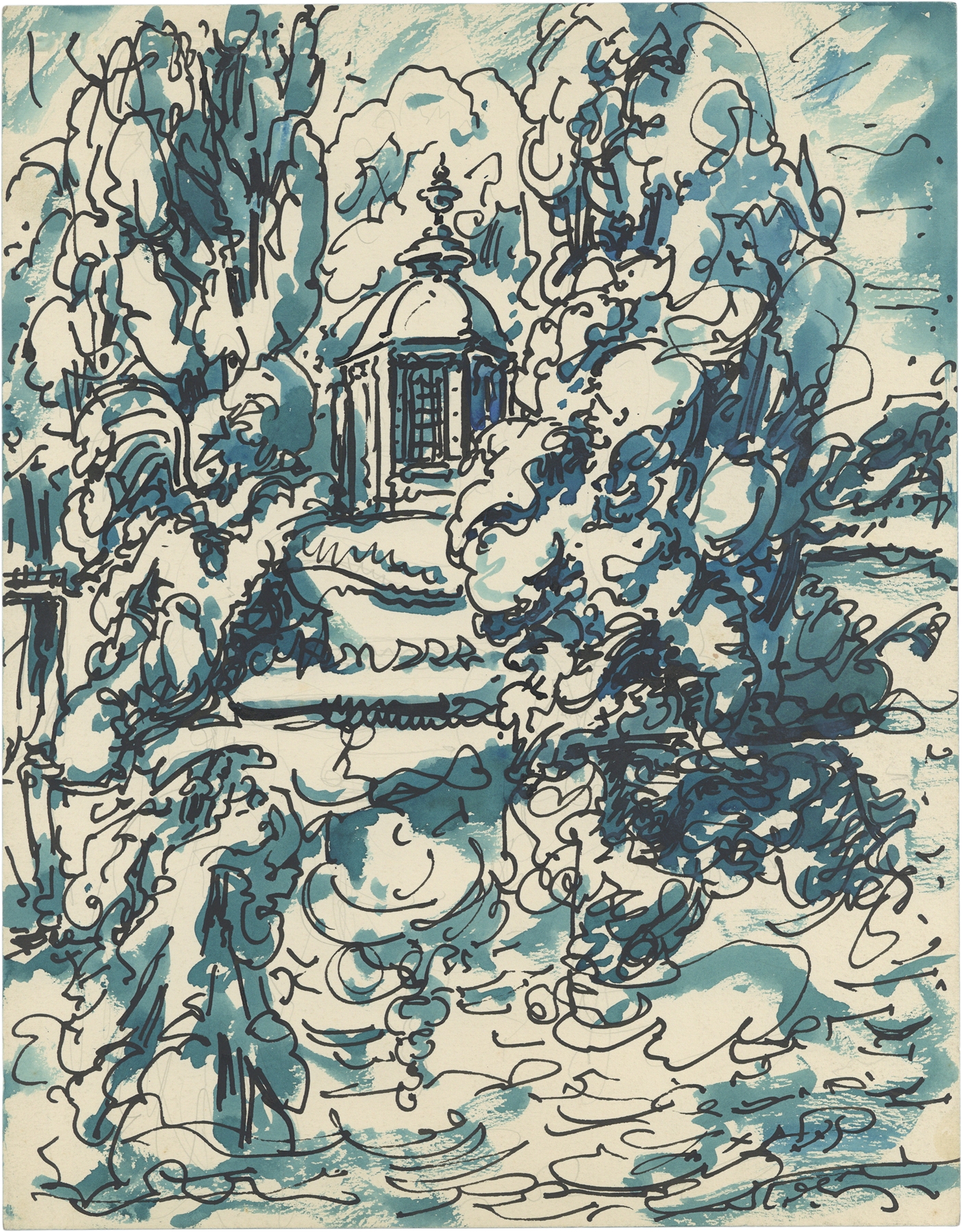
Can paint confess what words never could? In De foor, Alfred Ost reveals the silent awe of nature's beauty, whispering truths that often elude verbal expression. Look to the left, where a vibrant cascade of flowers bursts forth, their vivid colors dancing in the light. The artist employs a delicate interplay of brushstrokes, layering pigments to evoke a sense of depth and richness that invites the viewer to delve deeper.
Notice how the warm sunlight filters through, illuminating the petals and creating a subtle glow that enhances their vibrancy. With each stroke, Ost captures the fleeting moment of a garden in full bloom, inviting you to experience nature's splendor. Yet, beneath this surface beauty lies a quiet tension; the delicate blossoms seem to be both a celebration and a reminder of life's transience. The juxtaposition of bright colors with shadowy corners suggests an underlying theme of impermanence — a fleeting moment held in time.
Each flower, in its radiant glory, seems to whisper a secret about the passage of seasons, evoking both joy and melancholy in equal measure. In 1908, while living in Belgium, Ost was deeply influenced by the Impressionist movement, which emphasized capturing light and its effects on color. During this time, he was experimenting with new techniques that sought to evoke emotion through the vibrancy of life itself. This period marked a shift in his career, as he began to embrace nature not merely as a subject, but as a source of profound inspiration that resonated with the experiences of his audience.