De Heilige Drie-eenheid — History & Analysis
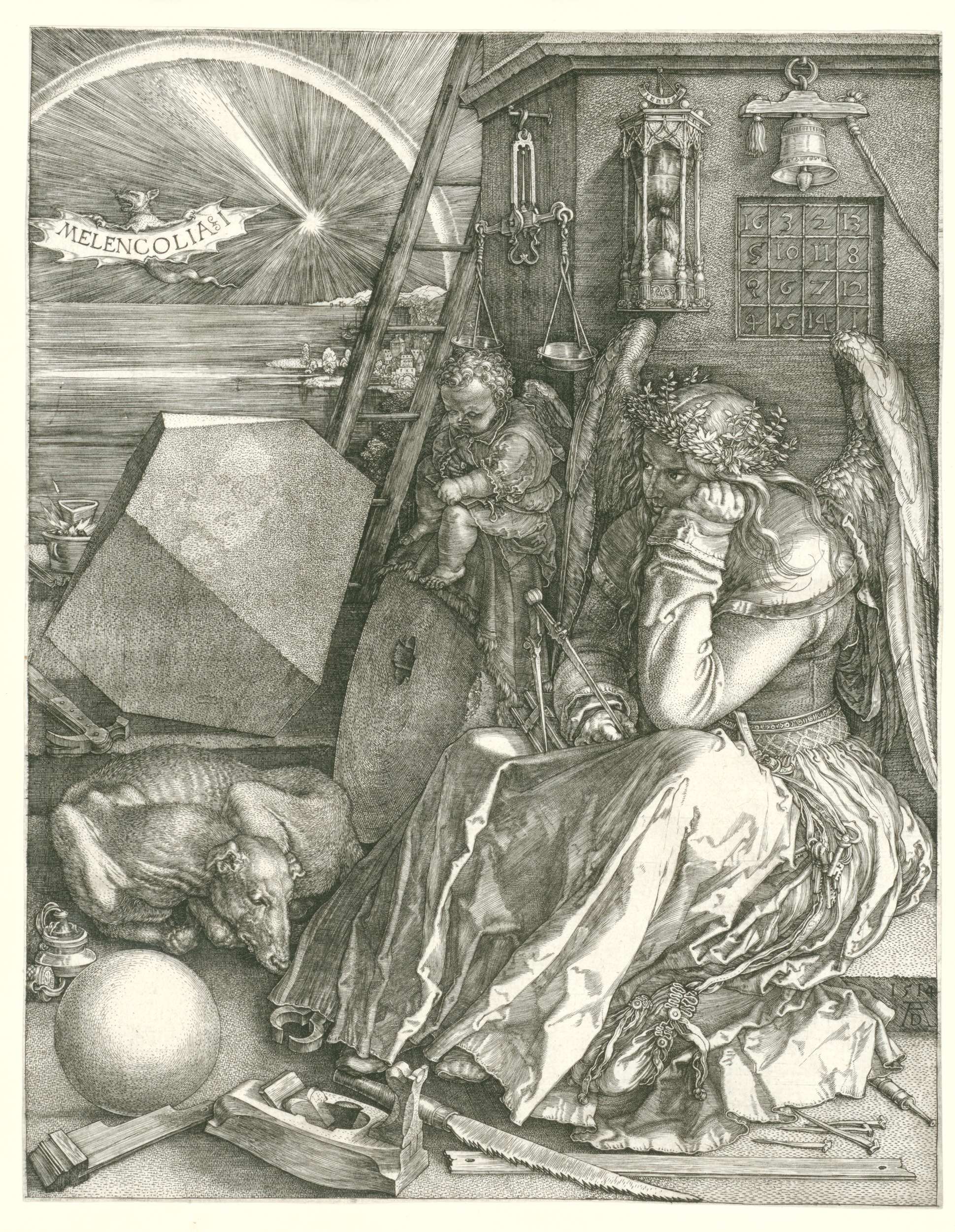
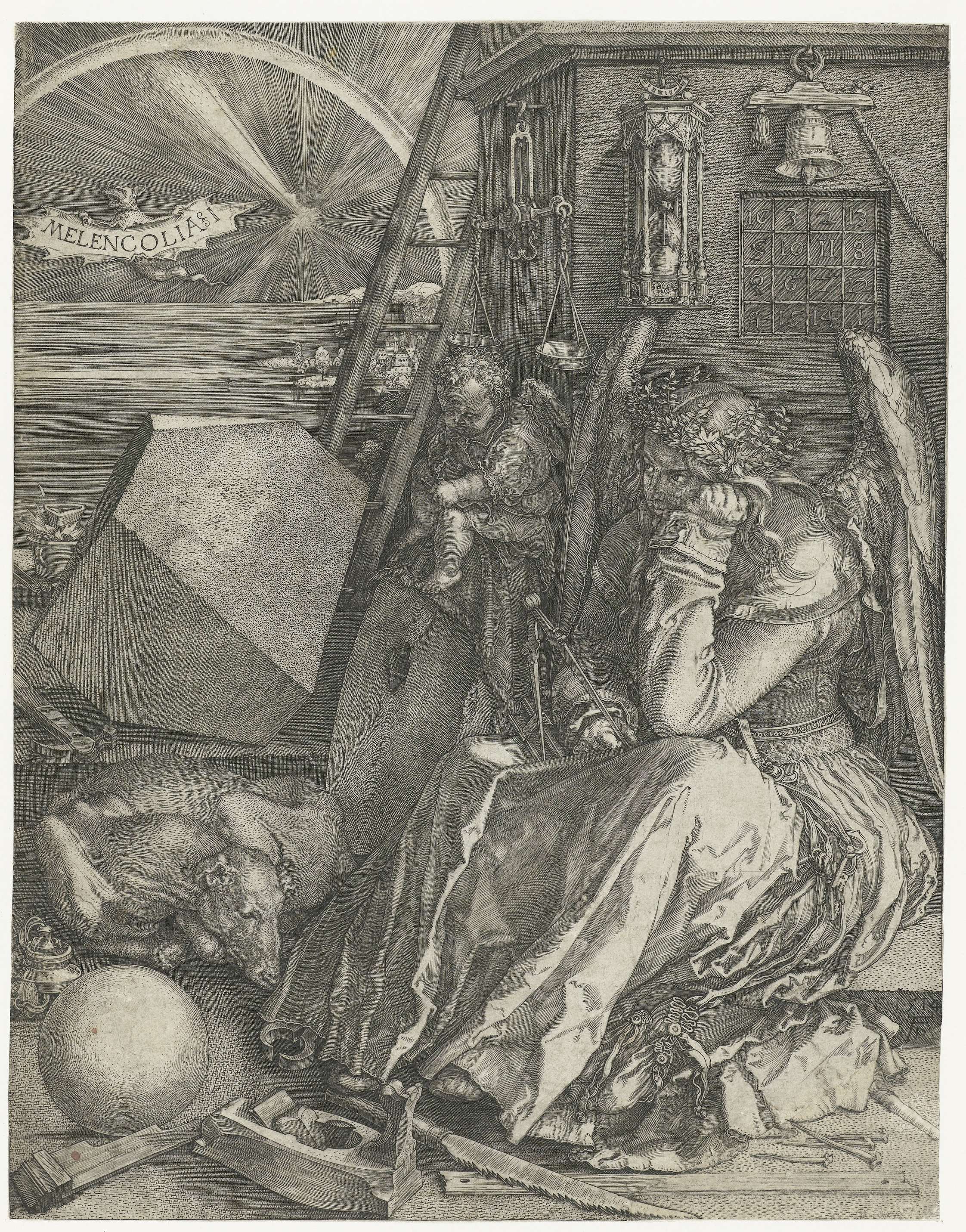
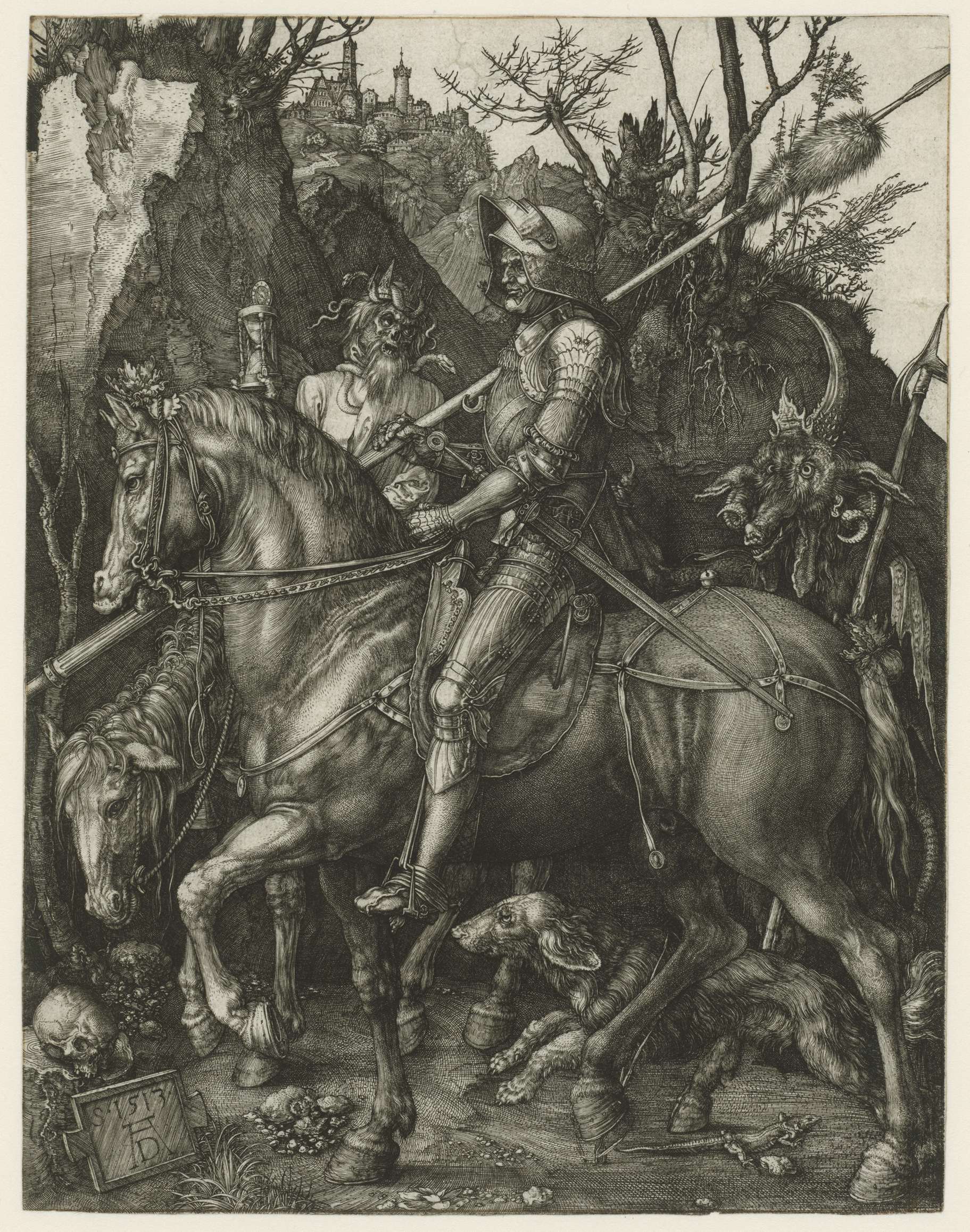
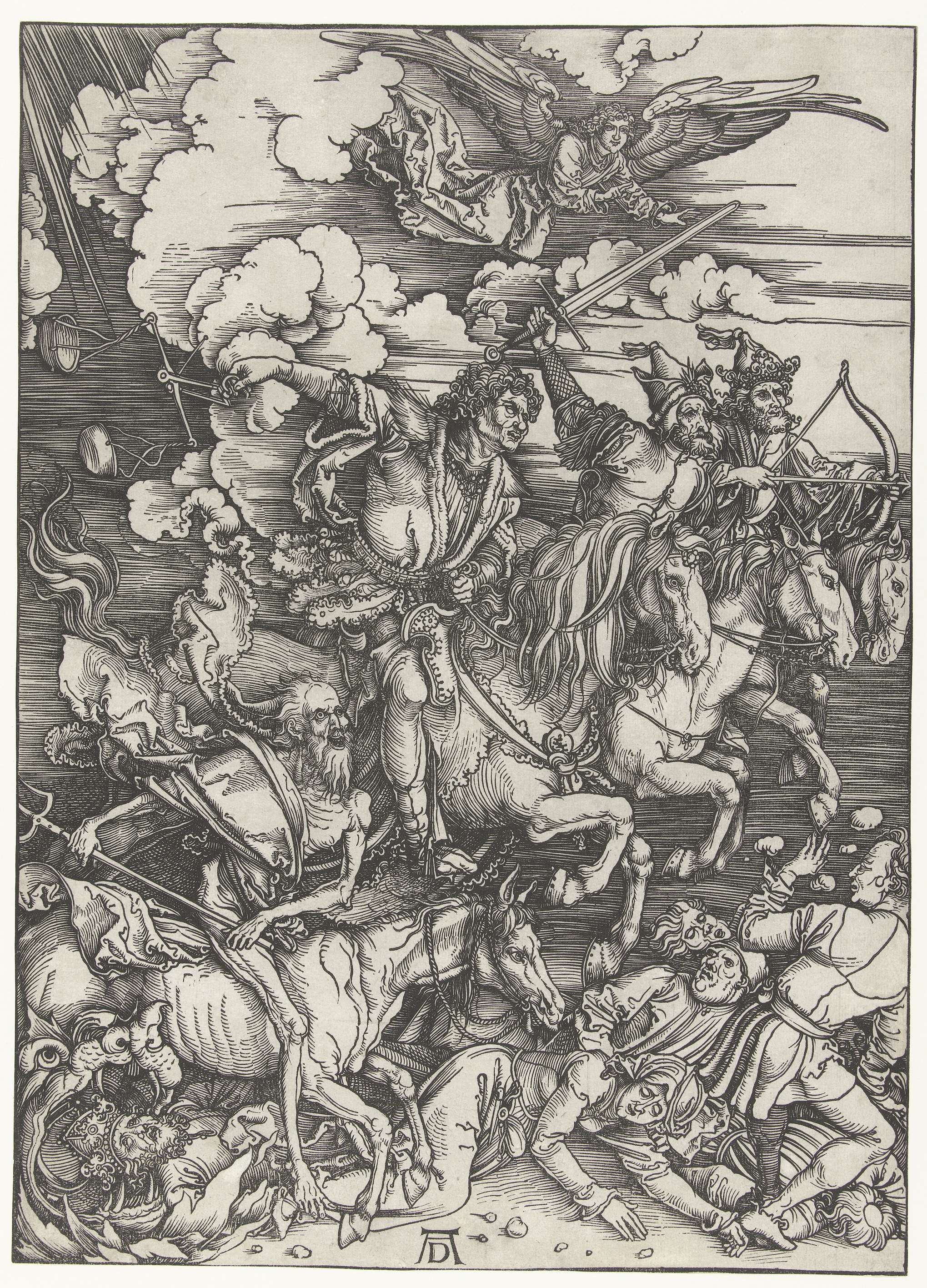
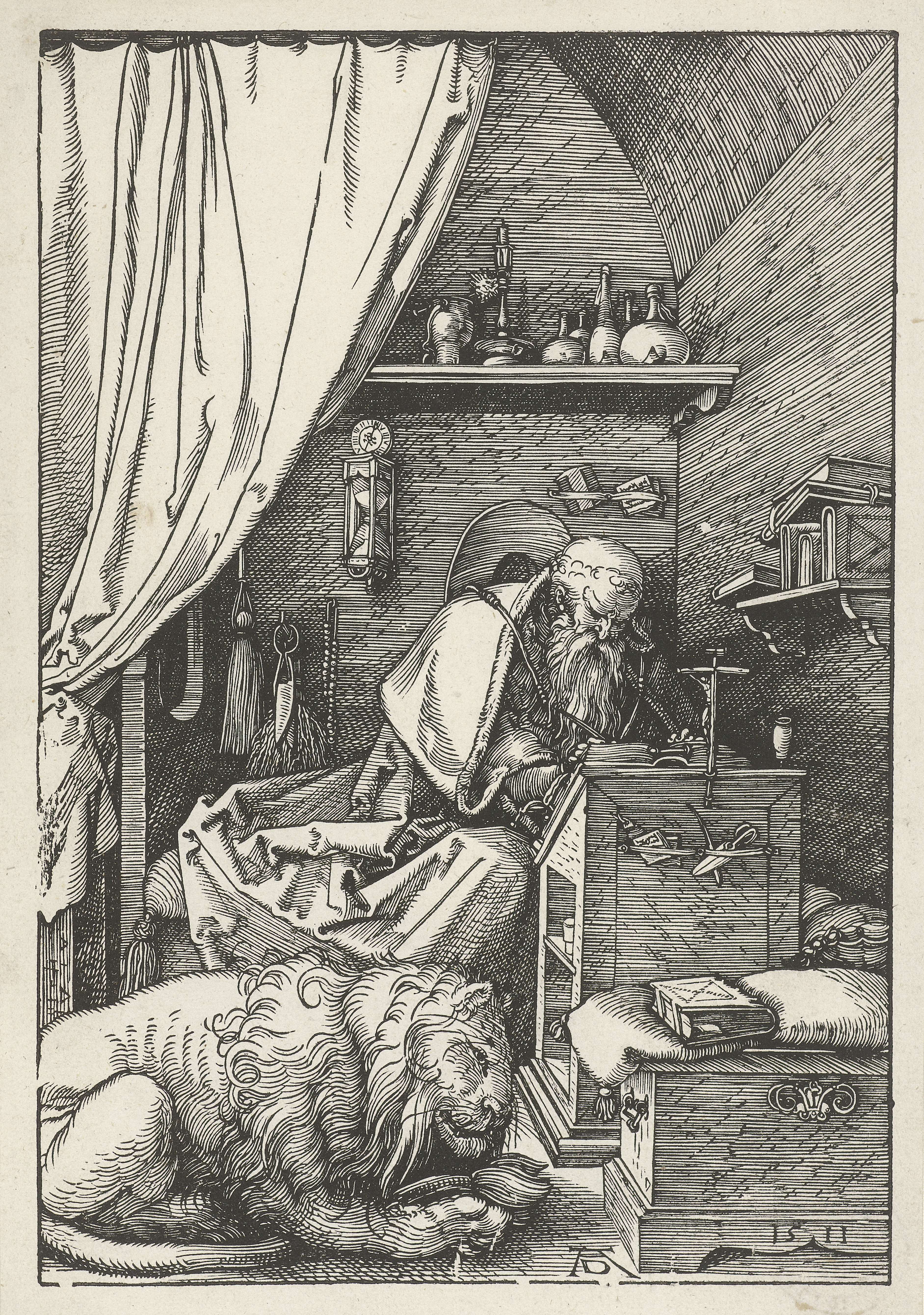
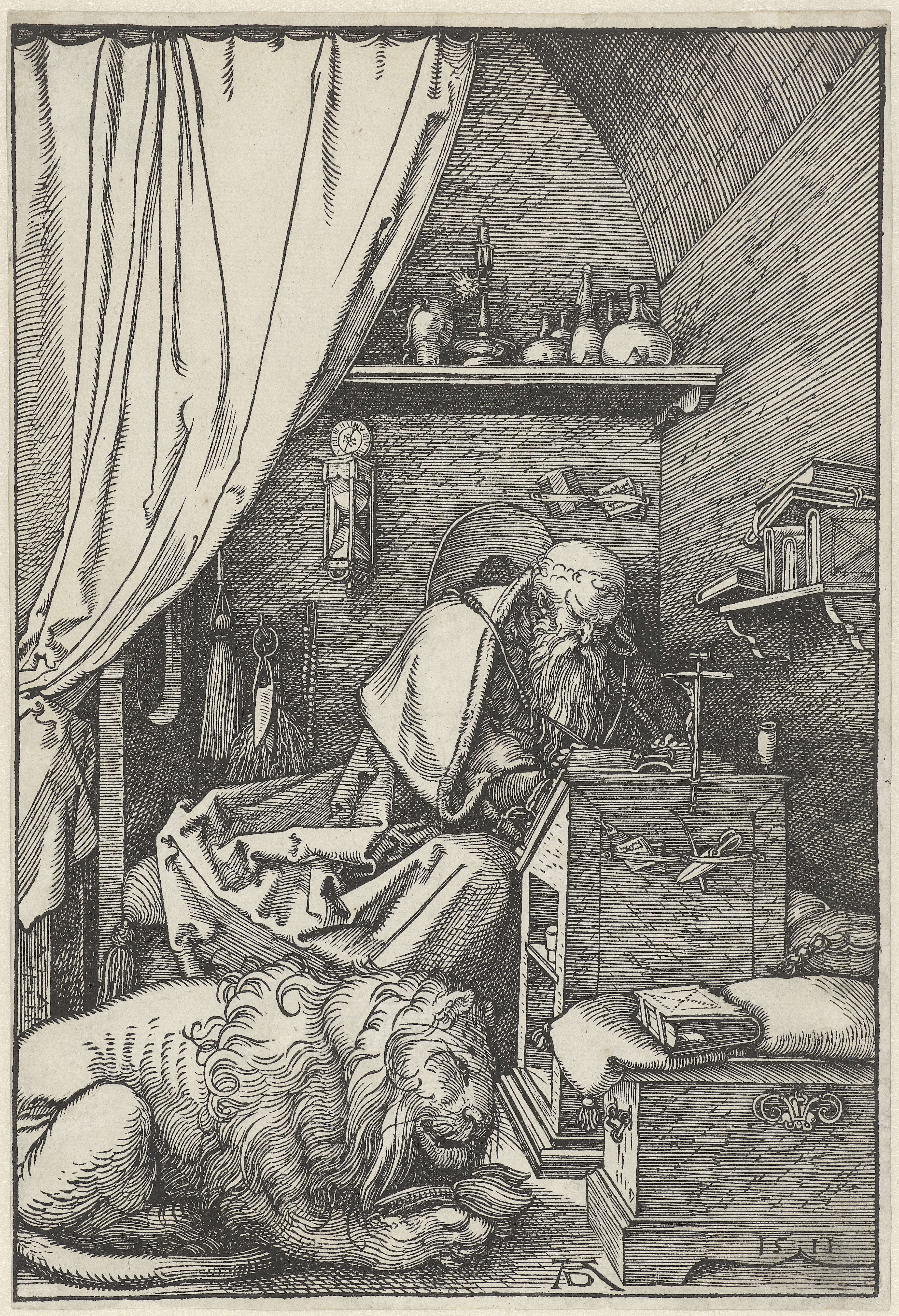
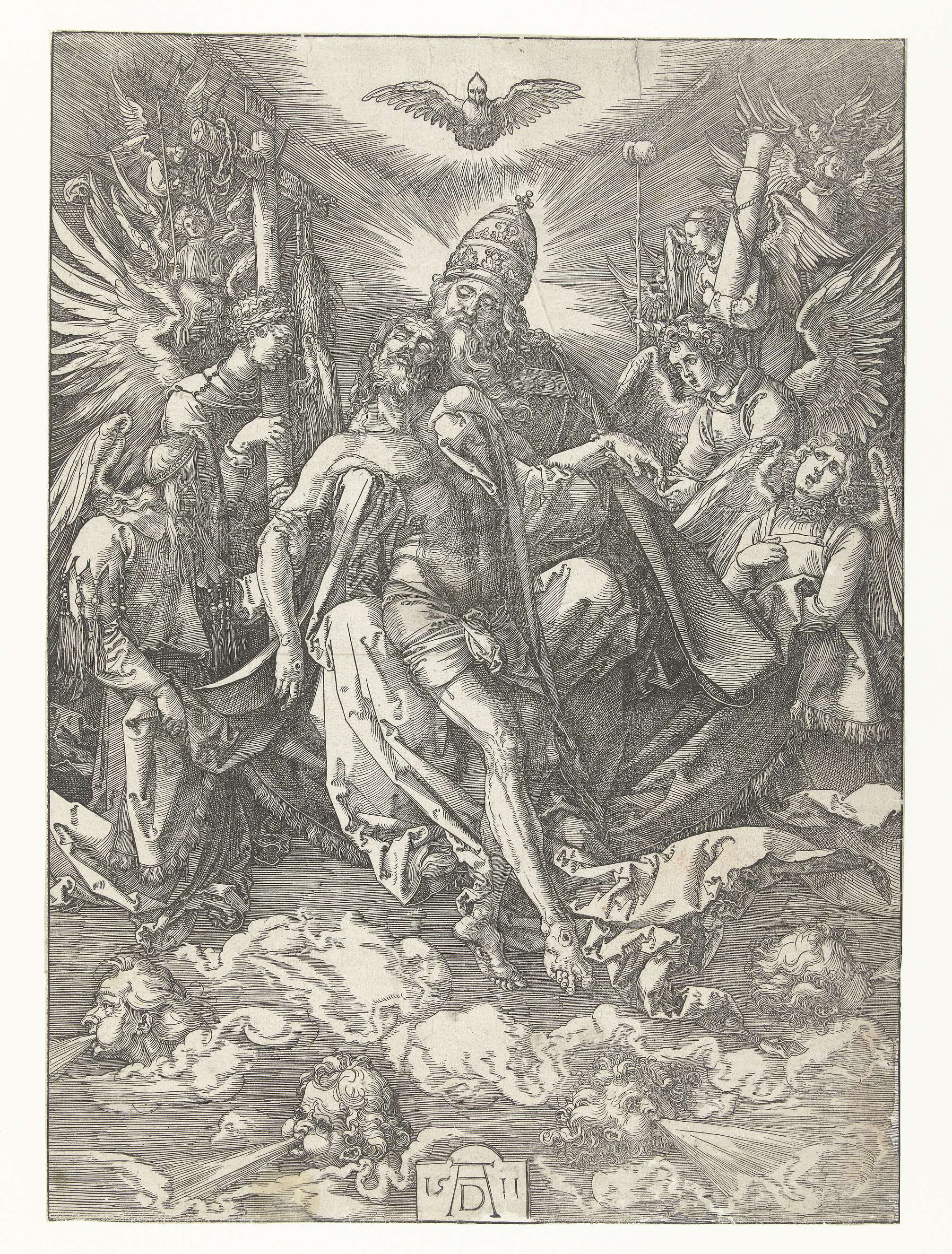
Is this a mirror — or a memory? The interplay of divine and human realms in De Heilige Drie-eenheid invites contemplation on the balance between earthly existence and celestial significance. Focus on the striking central figure of Christ, depicted with a serene yet authoritative presence. Look how the light cascades from above, illuminating His features while gently casting shadows.
Notice the intricate details in the surrounding figures, particularly the vibrant colors of the garments that contrast with the solemnity of the scene. Each element pulls your gaze toward the divine trinity, leading you through the artist’s meticulous layering of depth and meaning. In the background, the architectural elements symbolize the stability and order of faith, while the outstretched arms of the figures convey a moment of receiving grace. There lies an emotional tension between the vibrant interaction of color and the muted expressions, suggesting both reverence and contemplation.
This duality highlights the balance inherent in belief — the coexistence of joy and solemnity, the tangible and the ethereal, creating a depth that resonates with viewers across generations. Created in 1511, this work emerged during a transformative period for Dürer, as he endeavored to merge northern European artistic traditions with the burgeoning influence of the Italian Renaissance. Living in Nuremberg, he was deeply engaged with themes of faith and humanism, reflecting the complex social and religious shifts of his time. The piece captures a pivotal moment in art history, illustrating a masterful understanding of proportion, perspective, and spiritual inquiry.