De rijke man en de arme Lazarus — History & Analysis
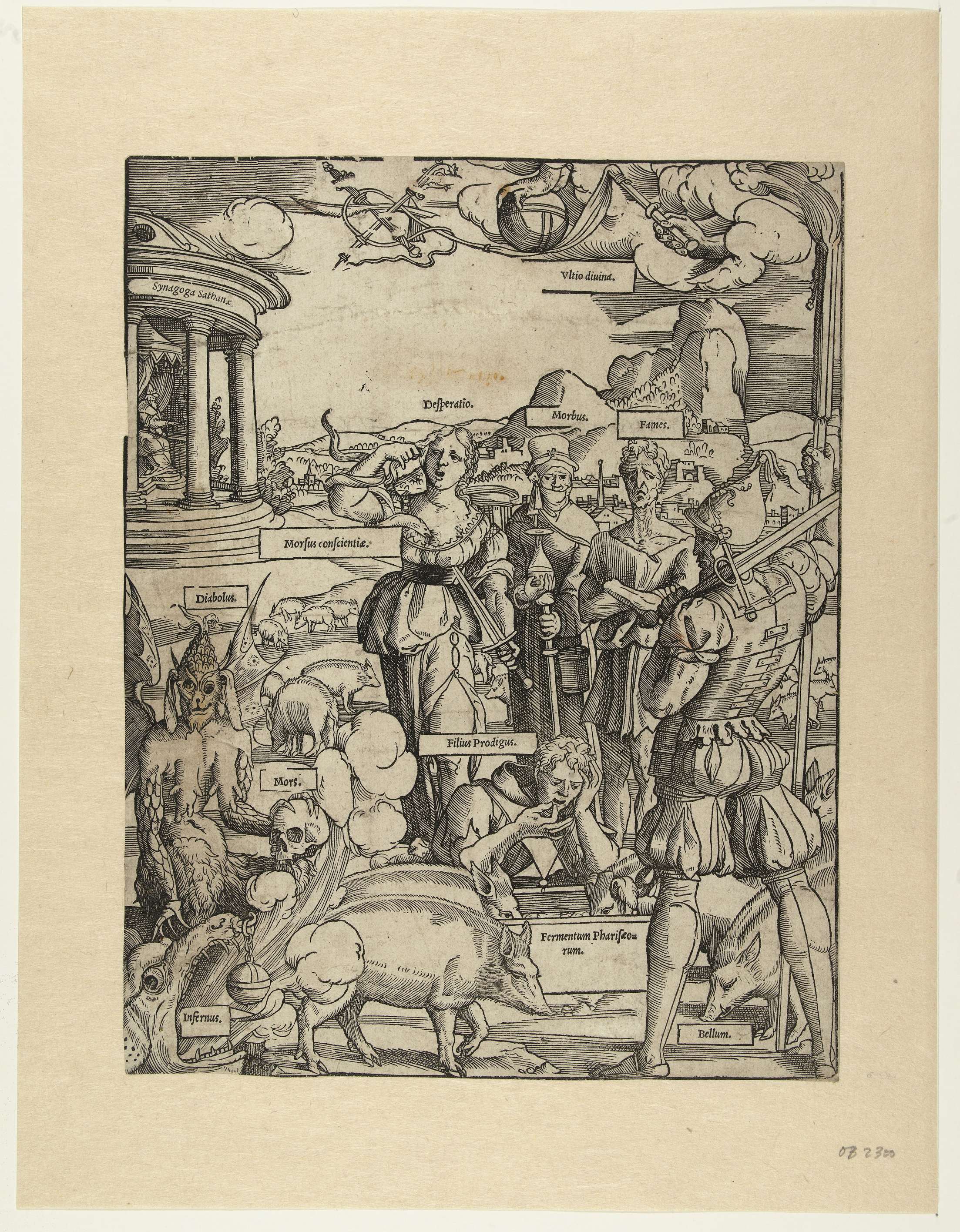
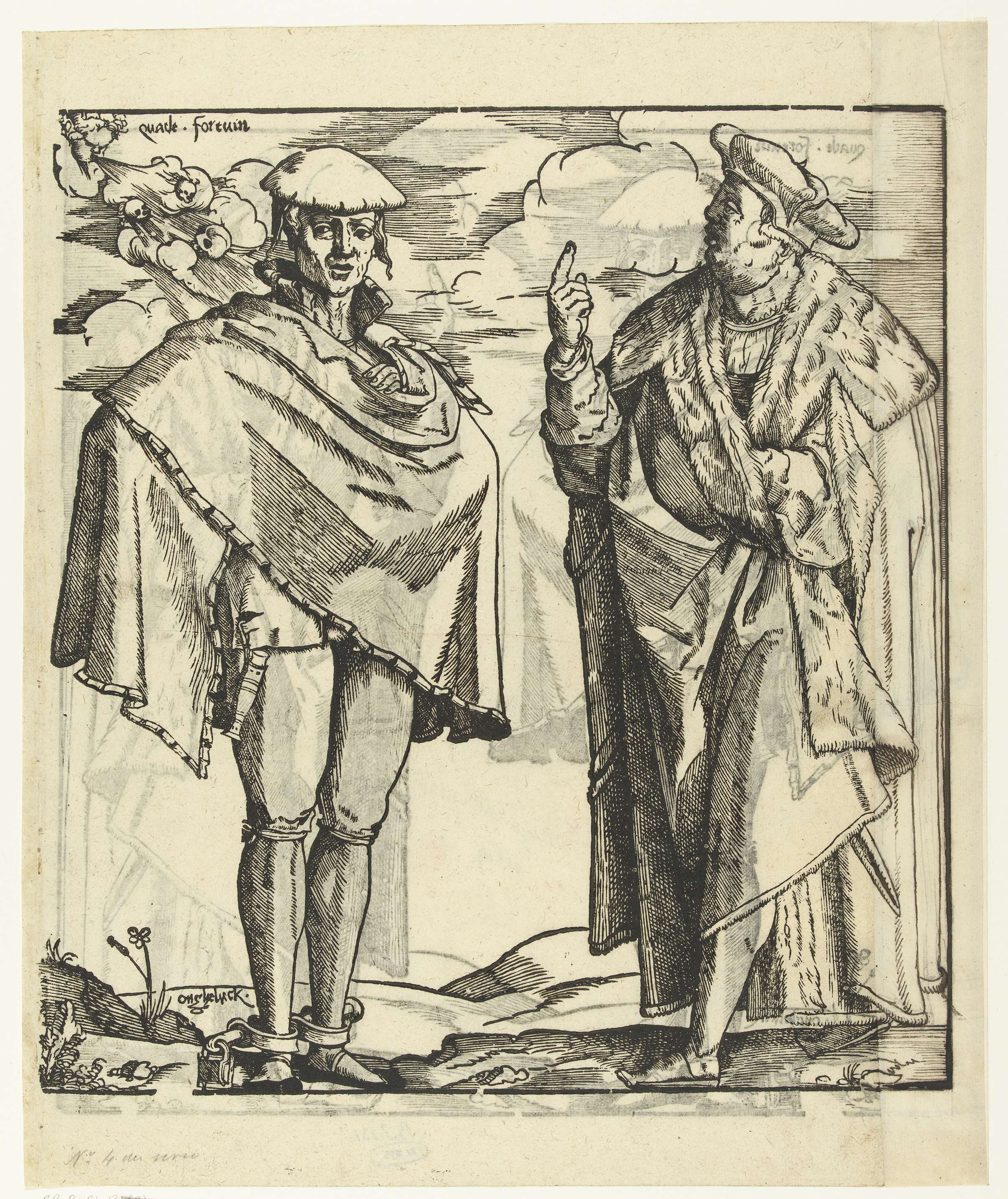
“To paint is to remember what time wants us to forget.” In the stillness of De rijke man en de arme Lazarus, innocence and disparity intertwine, forging a poignant narrative from the brushstrokes of a master. Here, the richness of life is contrasted starkly with the desolation of poverty, inviting viewers to ponder the fragility of human circumstance. Look to the left at the opulent figure draped in sumptuous robes, his gaze fixed aloofly upon Lazarus, a beggar at his feet. The artist's meticulous attention to detail reveals the textures of the luxurious fabrics, their shimmering colors serving as a visual metaphor for wealth’s superficiality. Meanwhile, the muted earth tones surrounding Lazarus draw our focus to his plight, the shadows enveloping him in a profound silence that echoes his suffering.
The contrast between the two figures transcends mere imagery, evoking deeper tensions of innocence lost and moral blindness. Lazarus, with his hollow eyes and gaunt frame, embodies the vulnerability of the human spirit, while the rich man’s indifference symbolizes a societal detachment. The juxtaposition of their fates speaks to the broader inequities of the world, making invisible pain starkly visible through the canvas. In 1541, Cornelis Anthonisz.
created this work during a time when the socio-political landscape of the Netherlands was shifting under the weight of burgeoning wealth and religious strife. Living in Amsterdam, Anthonisz. sought to explore themes of morality and humanity within a society increasingly preoccupied with materialism. This painting emerged as a reflection of those tensions, asserting art’s role in confronting the viewer with uncomfortable truths.