De schepping van Eva — History & Analysis
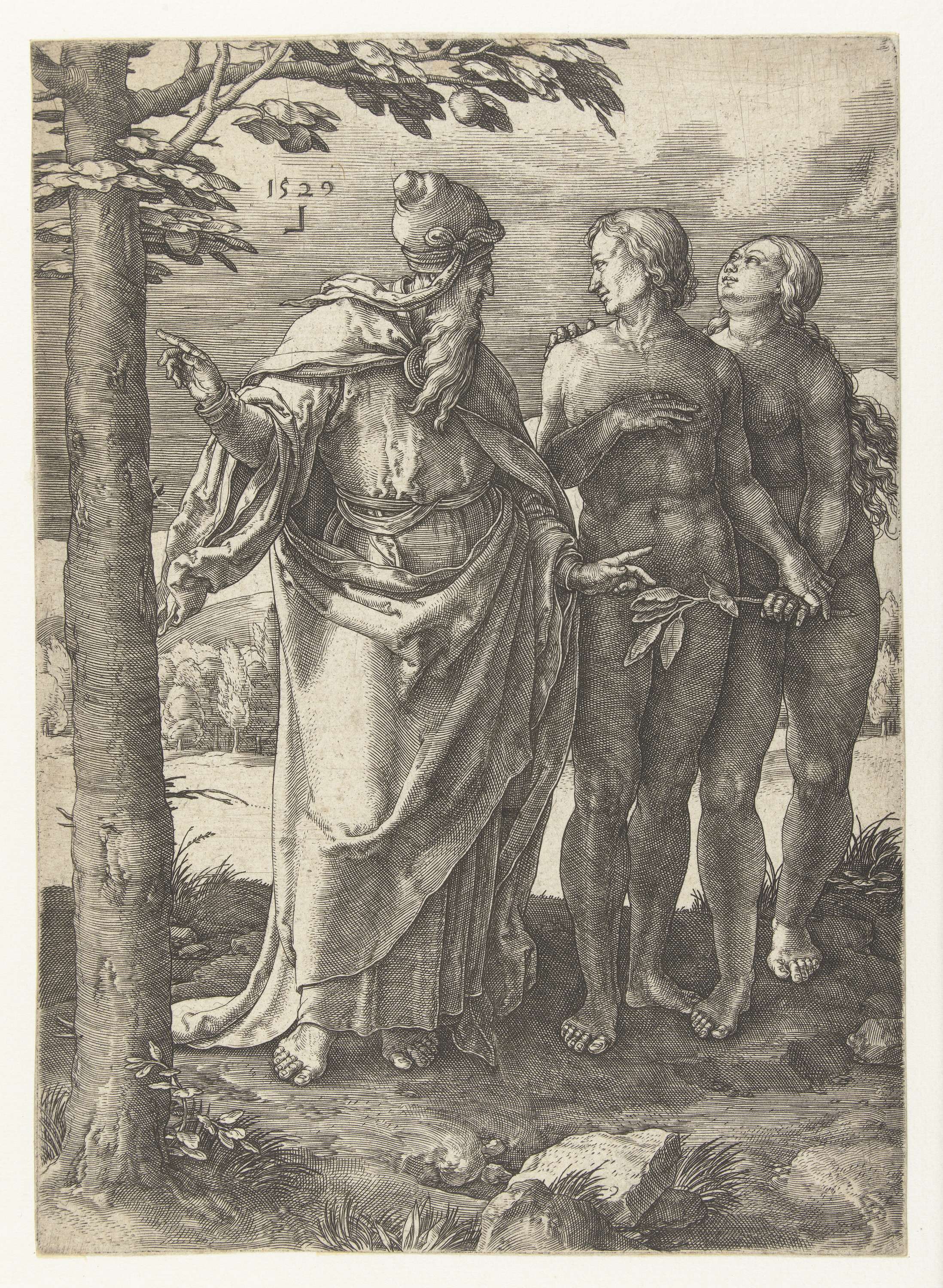
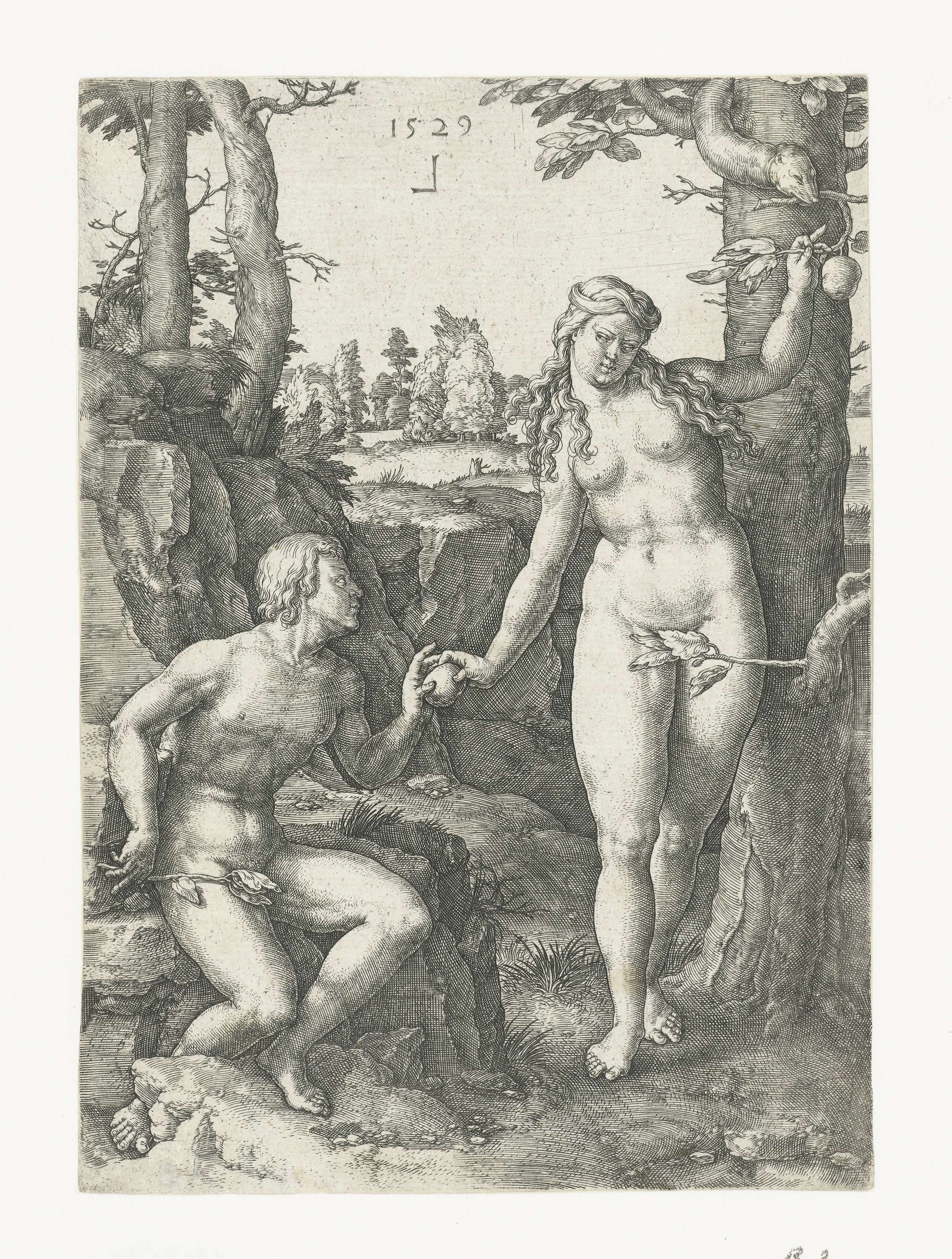
Where does light end, and longing begin? In the delicate interplay of illumination captured in De schepping van Eva, one can sense the poignant gaze of mortality interwoven with creation. Look closely at the figures framed against a luminous backdrop. The ethereal light bathes Eve, as she stands poised and vulnerable, her expression a blend of wonder and uncertainty. Notice how the painter employs soft, flowing lines to emphasize the contours of her form, while the intricate details of Adam’s outstretched hand evoke a moment suspended between divine intention and the human experience.
The gentle gradient of colors—from warm golds to cool greens—calls forth the vibrancy of life yet hints at the fragility that accompanies it. Beneath the surface, the painting oscillates between genesis and the inevitable decay that shadows life. Eve's gaze, directed upward, speaks to both curiosity and the weight of impending knowledge, suggesting that her existence is both a gift and a burden. The positioning of Adam, almost protectively, underscores the theme of companionship amidst existential contemplation.
Together, they embody the duality of creation—a moment of pure beauty tinged with the shadow of mortality. Created in the autumn of 1529, this work emerged during a transformative period in the Northern Renaissance, when artists began to infuse their religious themes with a nuanced exploration of human emotion. Lucas van Leyden was in the midst of evolving his style, navigating the interplay of traditional religious narratives with the emerging humanist philosophy that questioned existence and divine purpose. This context enriched the depth of his portrayal, inviting viewers to reflect on the profound complexities of life and creation.