De verdrijving van de verloren zoon — History & Analysis
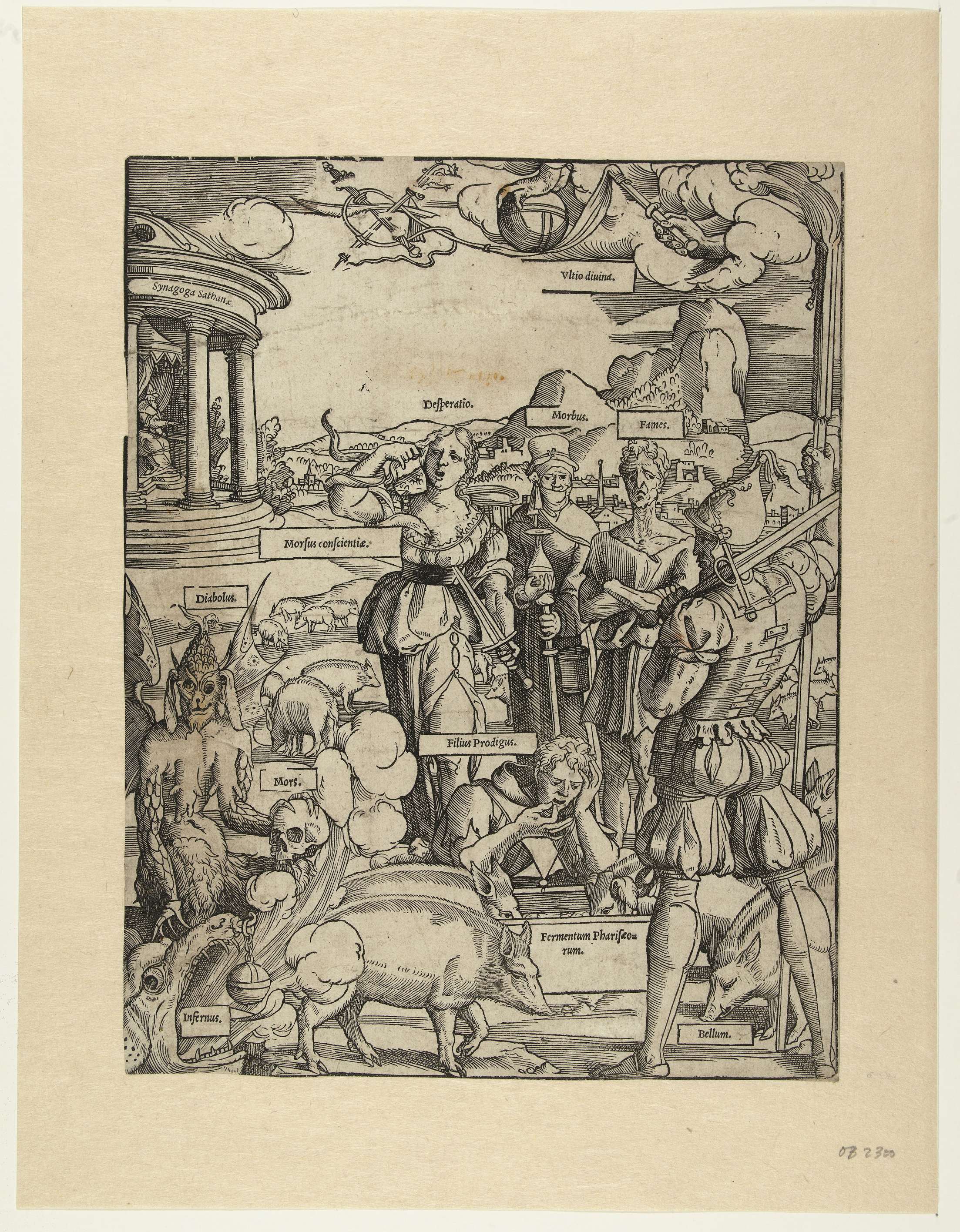
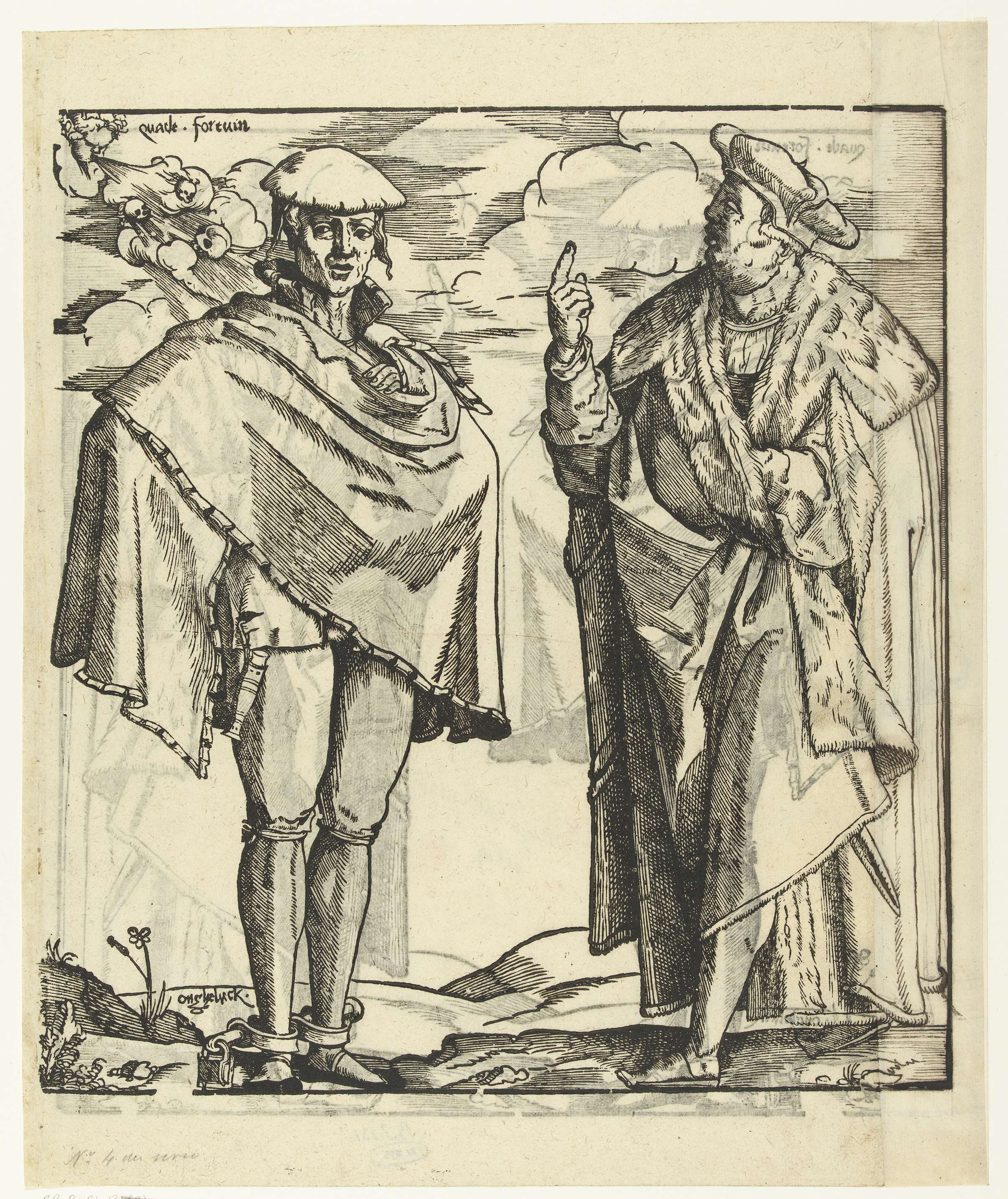
Where does light end, and longing begin? In the space between shadow and illumination lies the heart of De verdrijving van de verloren zoon, a poignant exploration of human emotion and the complexities of reconciliation. Focus first on the central figures, where a father stands, arms outstretched, a mixture of despair and hope etched into his furrowed brow. The radiant light cascades down from above, enveloping him in a divine glow that contrasts sharply with the darker, murky background. This sharpness directs our gaze to the son, silhouetted against the obscurity of his past choices.
Striking hues of red and gold punctuate the frame, suggesting both the warmth of familial love and the chaos of conflict, while the delicate brushwork captures every nuance of the visceral moment. Delve deeper into the emotional undertones present in the expressions and gestures of both figures. Notice how the father's outstretched hand seeks not only to embrace but to reclaim lost time and forgiveness. Meanwhile, the son appears caught between remorse and defiance, a visual representation of the internal struggle between desire for freedom and the yearning for familial connection.
The contrasts of light and shadow serve to highlight the illusions we construct around forgiveness and the painful journey toward acceptance. Cornelis Anthonisz created this work between 1535 and 1545, during a transformative period for both himself and the European art scene. Living in Amsterdam, Anthonisz navigated the tensions of the Reformation while drawing from classical influences, seeking to merge sacred themes with humanistic expression. His work reflects the broader societal shifts of the time, capturing the essence of relationships fraught with tension and the hope of reconciliation amid a changing world.