De verdrijving van Sorgheloos — History & Analysis
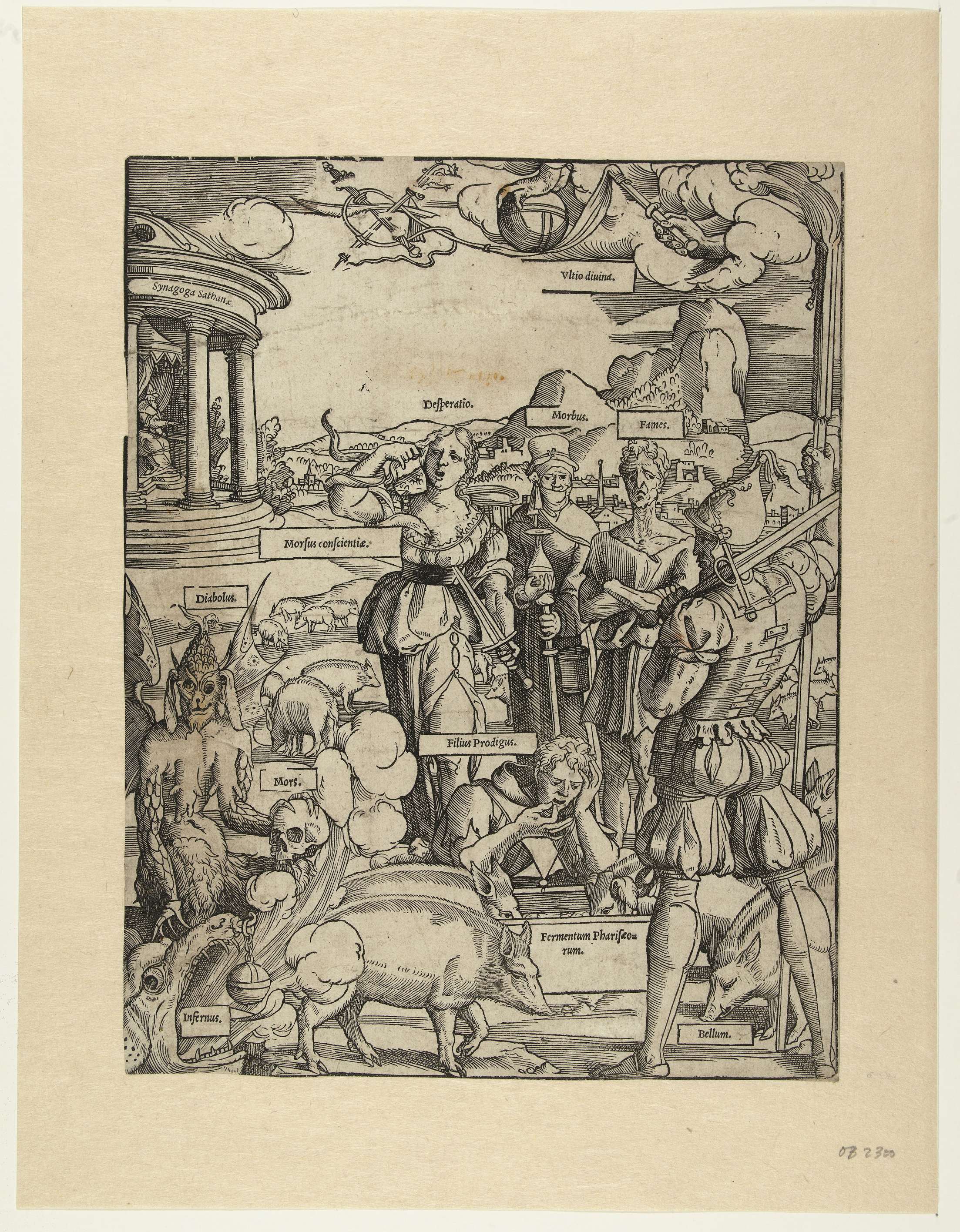
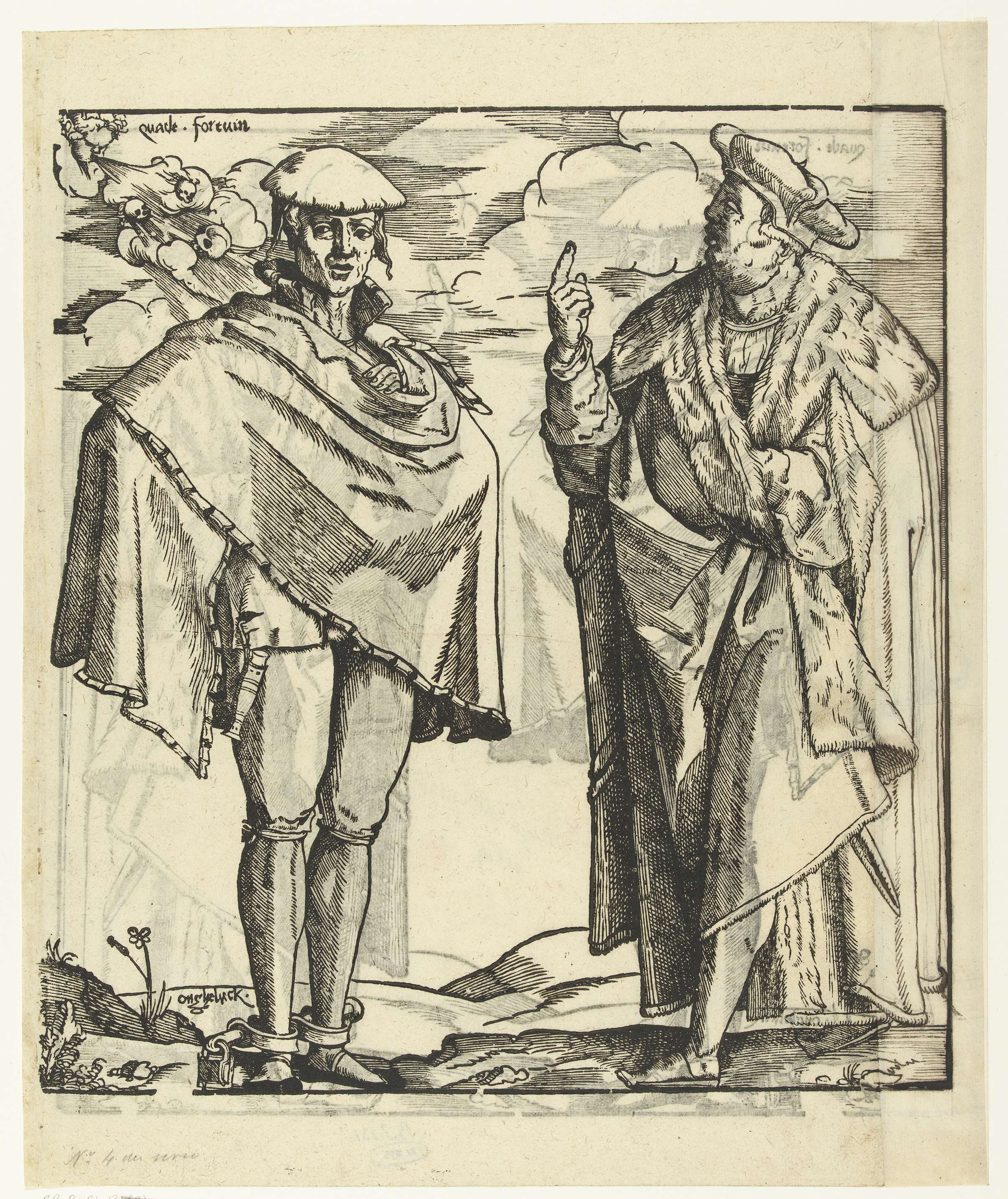
“Every brushstroke is a heartbeat remembered.” In De verdrijving van Sorgheloos, the divine narrative unfolds, revealing the tension between human frailty and celestial command. This painting invites contemplation of the forces that shape our existence, echoing the eternal struggle for harmony amid chaos. Look to the center of the composition, where a spectral light envelops the figures, illuminating their desperate expressions. You can trace the lines of movement that spiral outward, drawing your gaze from the anguished faces of the expelled towards the darkened borders of the canvas. The muted colors—earthy browns and eerie grays—contrast sharply with the vibrant, almost ethereal light, symbolizing divine intervention amid turmoil.
Each detail, from the anguished gestures to the sprawling landscape, serves as a testament to the artist's intent: to capture the duality of despair and hope. The painting resonates with deeper meanings, contrasting the serenity of nature with the turmoil of the human condition. The figures, caught in the throes of expulsion, evoke a sense of both loss and redemption, inviting viewers to ponder their own place in the divine order. The juxtaposition of light and shadow not only emphasizes the emotional weight of the scene but also suggests that divinity is ever-present, urging humanity towards a quest for solace and understanding.
Cornelis Anthonisz. completed this work in 1541, during a period of significant religious and political upheaval in the Netherlands. The Reformation was reshaping the landscape of Christian thought, and the artist, influenced by both Renaissance ideals and emerging Protestant beliefs, sought to capture the struggle between the sacred and the secular. This painting not only reflects personal introspection but also embodies the societal tensions of its era, rendering it a profound commentary on the human experience.