De verloren zoon ontvangt zijn erfenis — History & Analysis
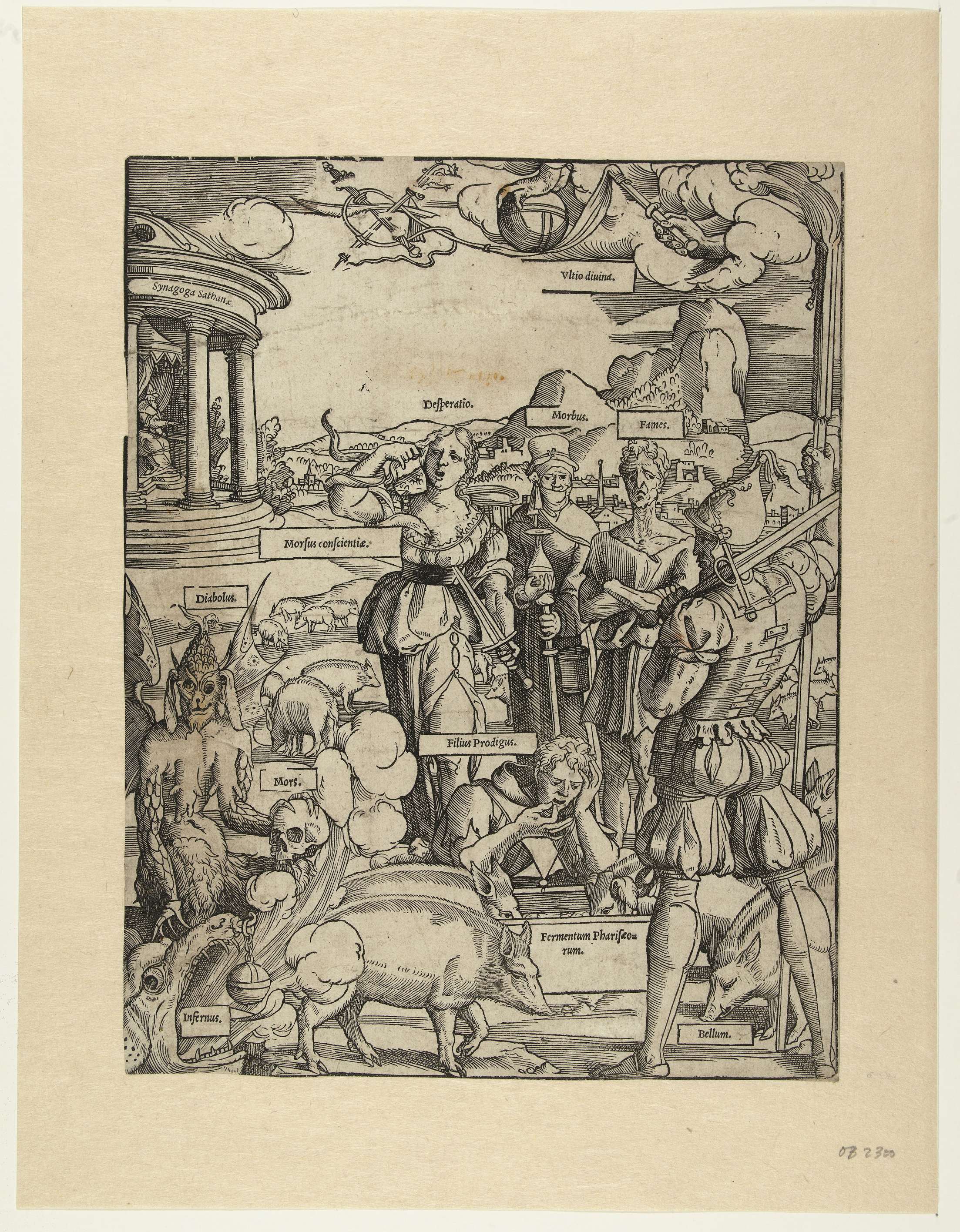
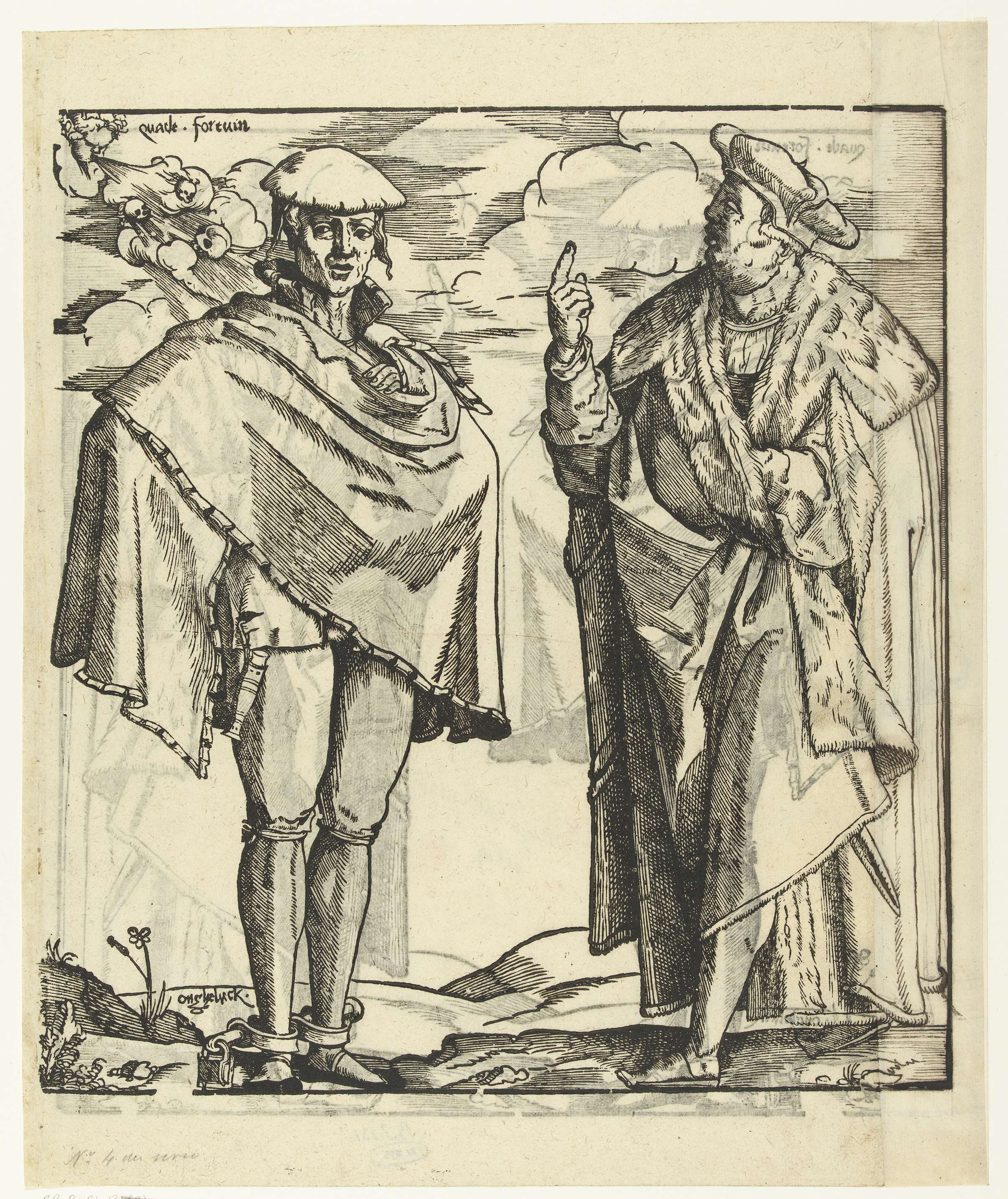
Who listens when art speaks of silence? The moment captured in De verloren zoon ontvangt zijn erfenis resonates with a profound ecstasy that swells beneath the surface of its narrative, inviting viewers to explore the layers of human experience depicted within. Look to the left, where the figure of the prodigal son stands, enveloped in a cacophony of emotion. His body language conveys a tumultuous mix of humility and awe as he receives his inheritance. Notice how the artist employs a rich palette of muted earth tones, contrasting with the glowing golds of the coins, symbolizing both material wealth and the fleeting nature of joy.
The careful arrangement of figures around him guides the viewer's gaze, creating a dynamic flow that draws one into this intimate moment. Delve deeper into the interactions: the father’s protective stance, his expression mingling relief with sorrow, and the distant figures observing, embodying the complexity of family ties. Each character serves as a mirror, reflecting the prodigal son’s inner conflict between guilt and exhilaration. This profound juxtaposition of celebration and introspection evokes a sense of catharsis, revealing the bittersweet nature of redemption and belonging.
Cornelis Anthonisz. painted this scene during a period of great religious transition in the Netherlands, approximately between 1535 and 1545. Working in Amsterdam, he was influenced by the rise of humanism and the emotional depth it brought to art. During this time, the artist sought to capture the essence of personal narratives, intertwining them with broader cultural themes, allowing viewers to reflect on their own experiences of loss and reconciliation.