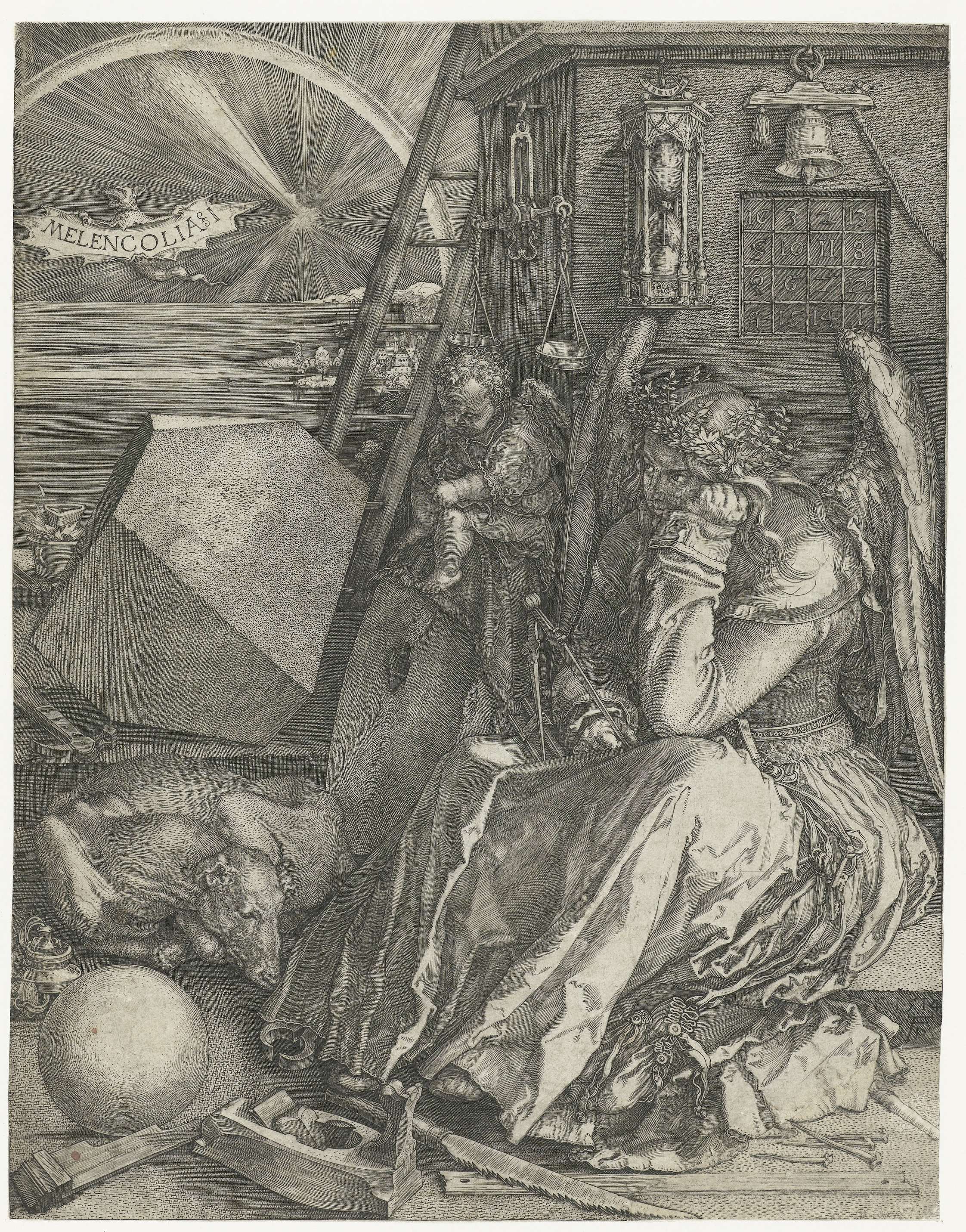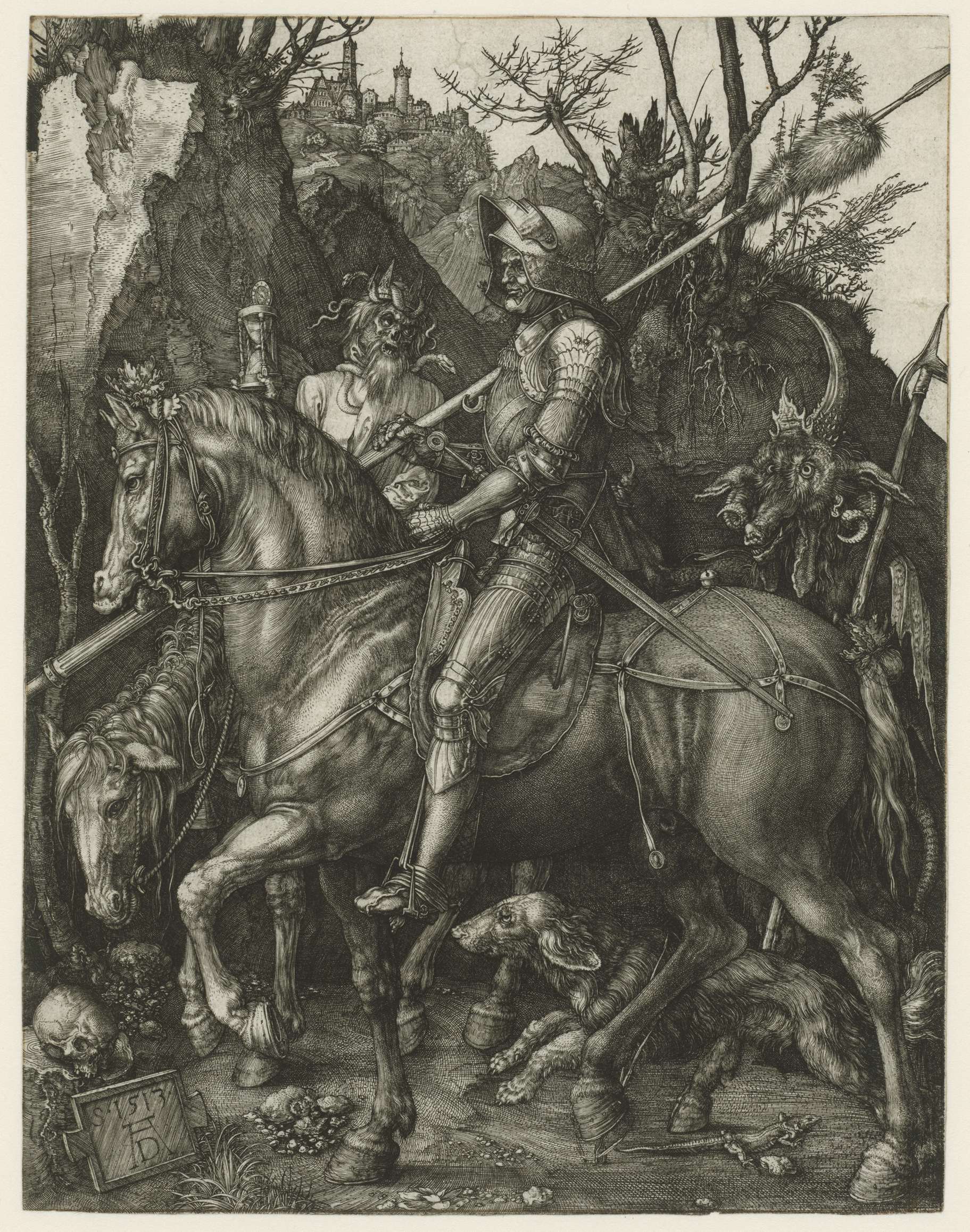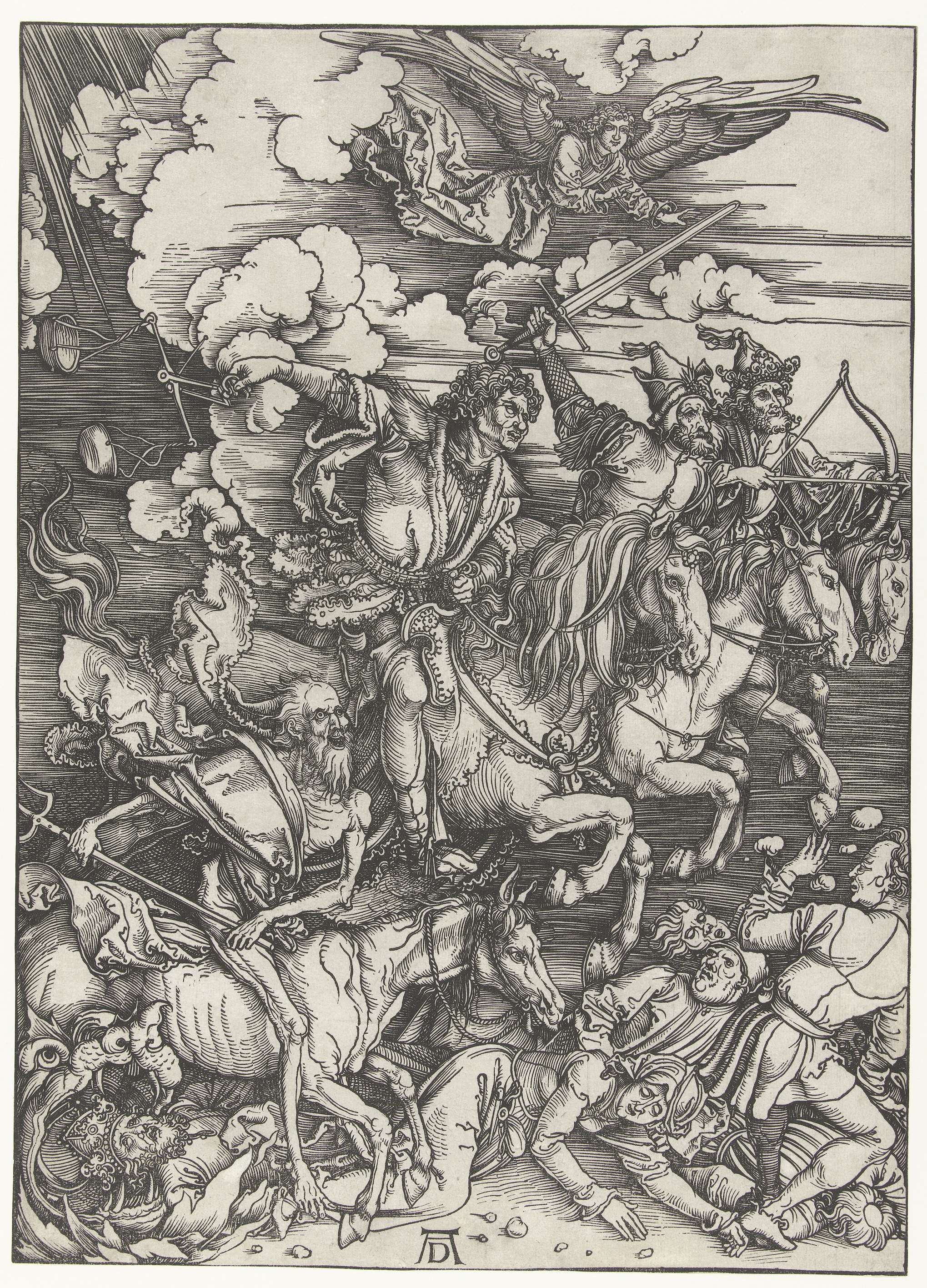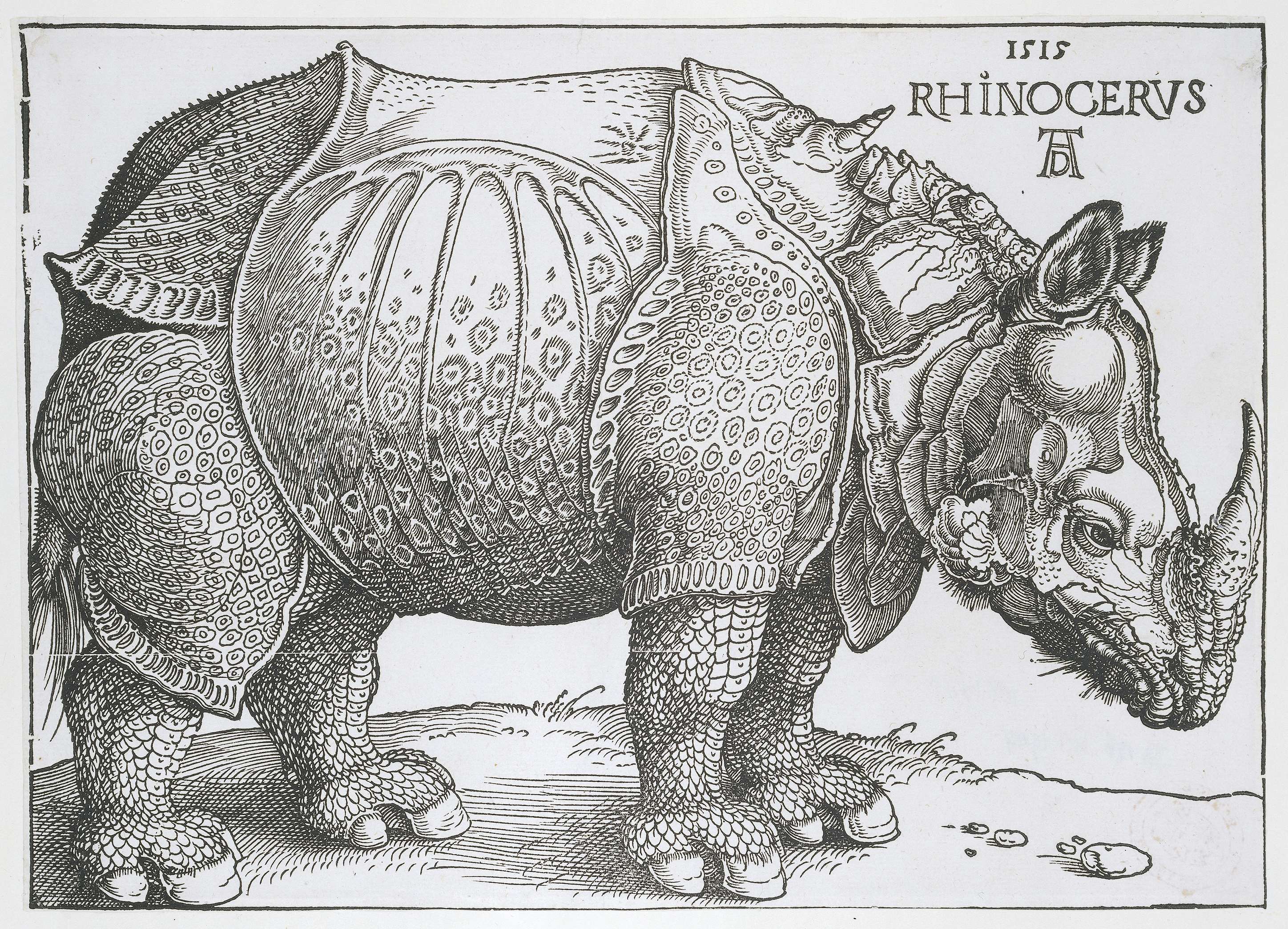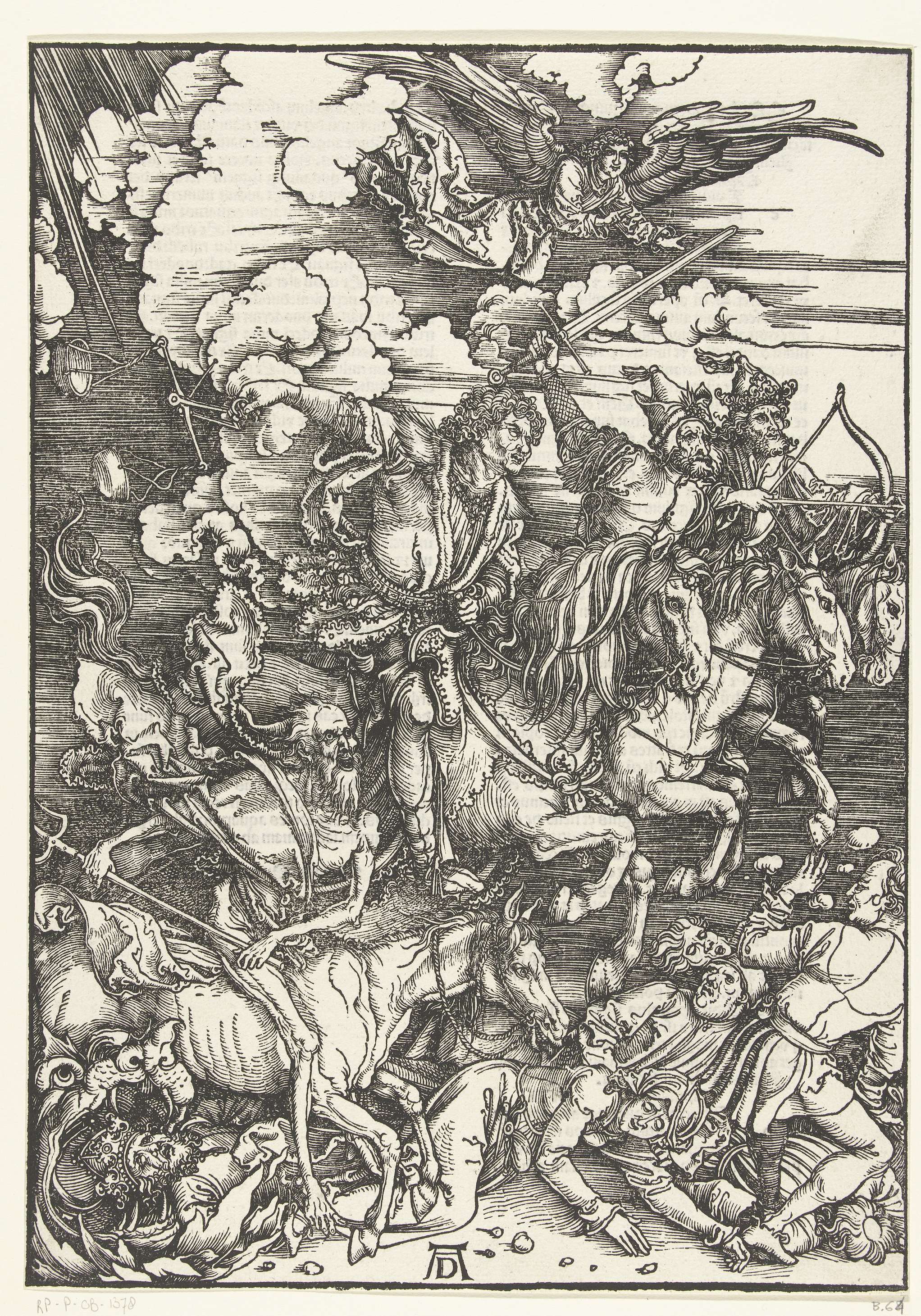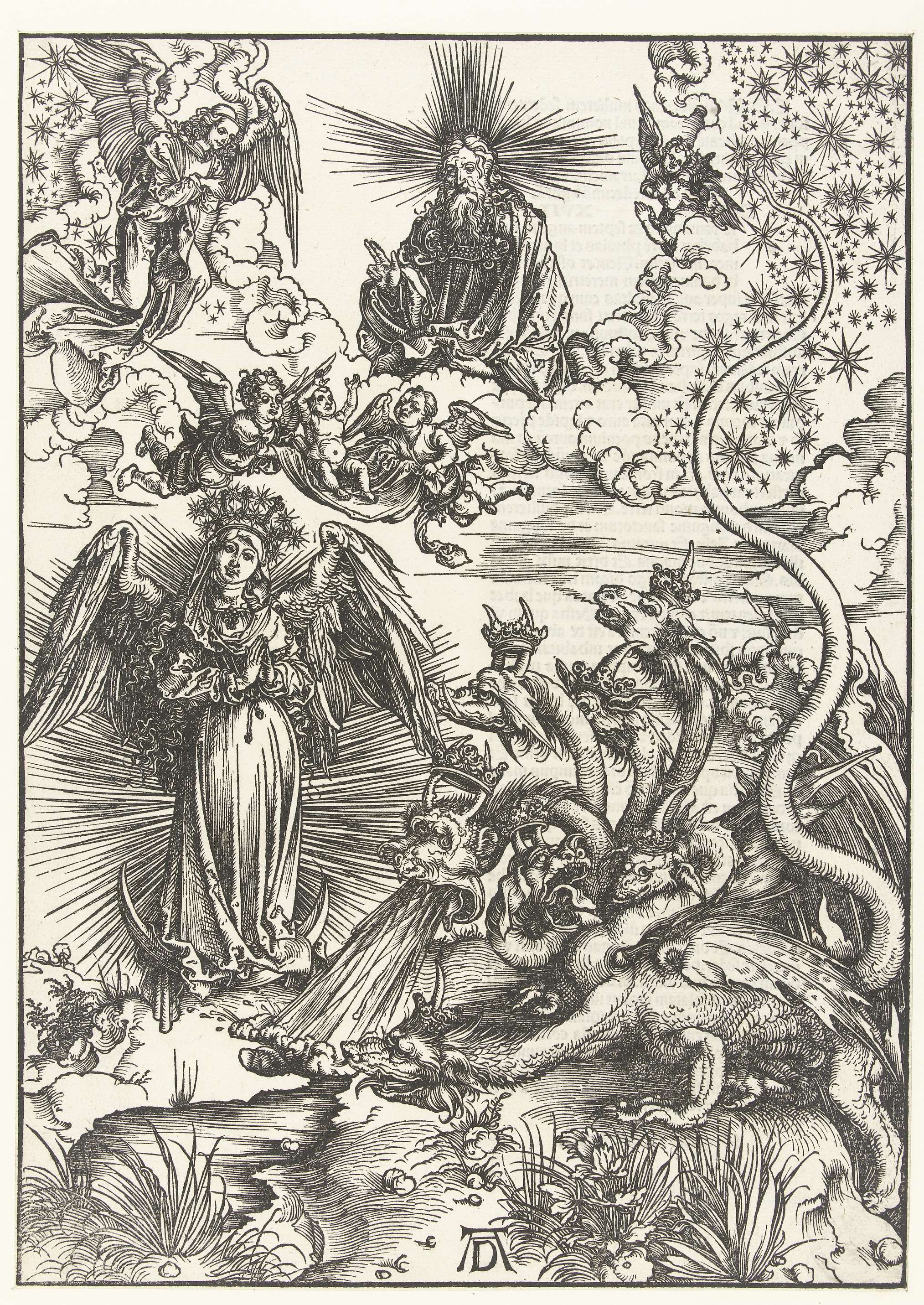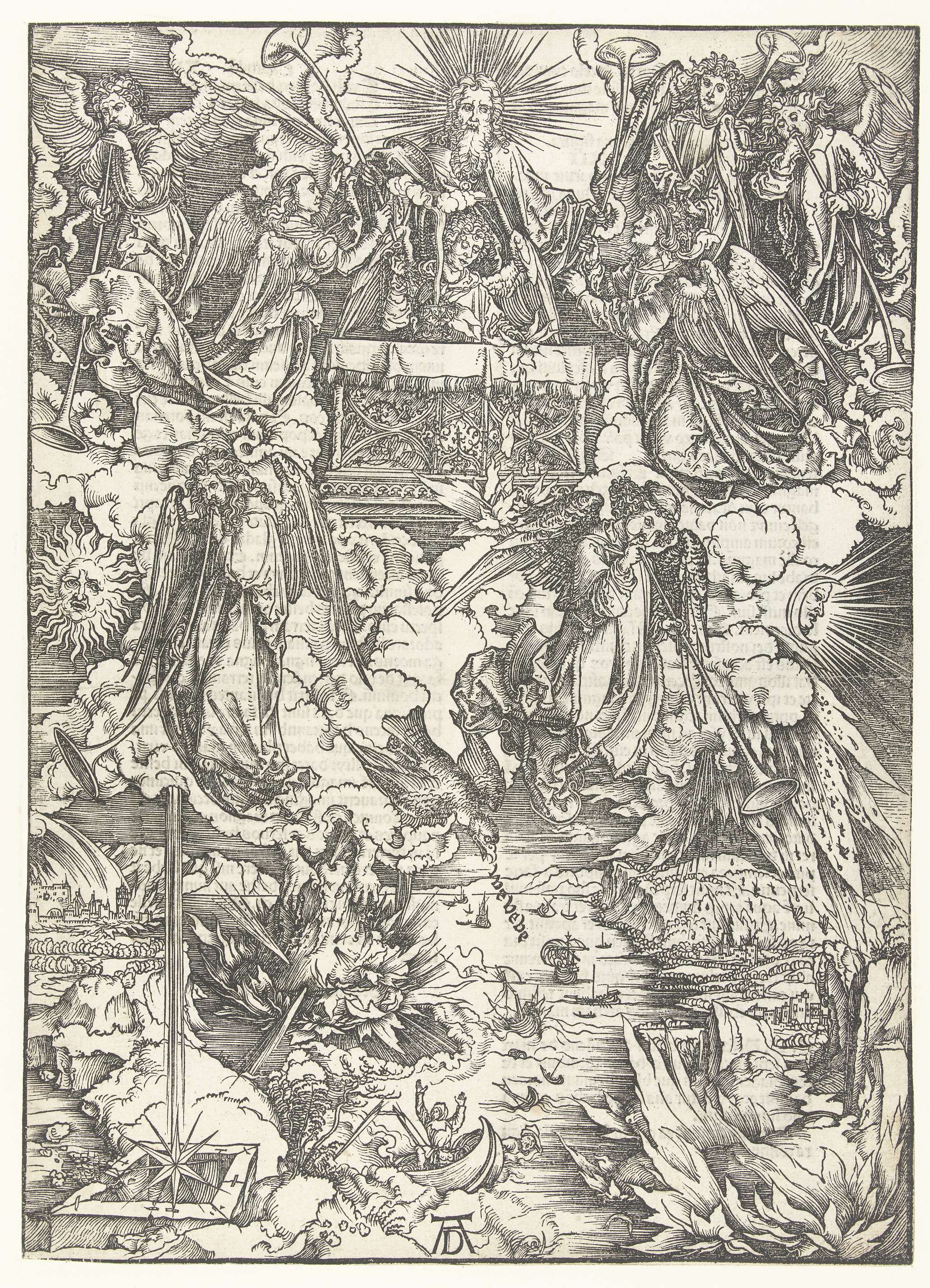
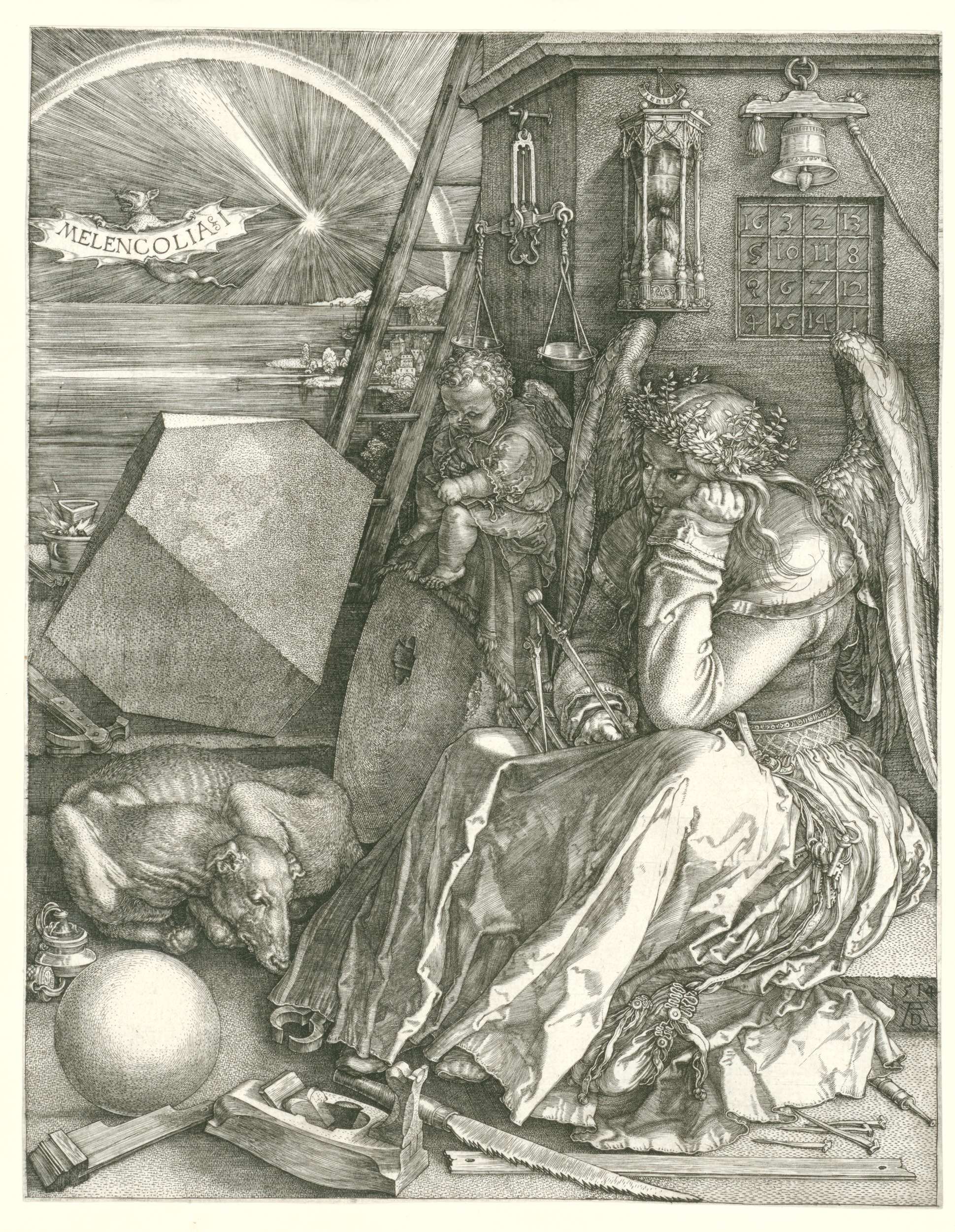
When did color learn to lie? In a world where hues carry the weight of truth, melancholic tones can veil the soul's deepest sorrows. Look closely at the arching figures, their poses imbued with both majesty and mourning. The seven angels, draped in vibrant garments that clash with the muted skies, draw the viewer’s gaze upward toward the heavy clouds and impending doom. Notice how Dürer’s masterful use of line captures the tension in their gestures—their wings are outstretched, yet the expressions on their faces linger in a poignant stillness, suggesting the timeless struggle between divine command and earthly despair. Delve deeper into the composition, and you’ll uncover subtle contrasts that evoke a profound emotional landscape. Each angel holds a trumpet, symbols of both proclamation and warning, as if caught between celebration and lament. The rhythmic arrangement of their figures suggests a hierarchy, yet their individual expressions reveal a unity in their sorrow. This tension between divine authority and human emotion serves as an invitation to contemplate the fragility of hope amid impending judgment. In 1498, Albrecht Dürer created this piece during a period of personal and artistic tumult. Having returned to Nuremberg after his travels in Italy, he was grappling with the tensions of the Renaissance and the onset of Reformation thought. His exploration of themes such as mortality and divine intervention was reflective of a world caught in transition, making *De zeven engelen met de bazuinen* a striking commentary on the anxieties of his time.