De zeven engelen met de bazuinen — History & Analysis
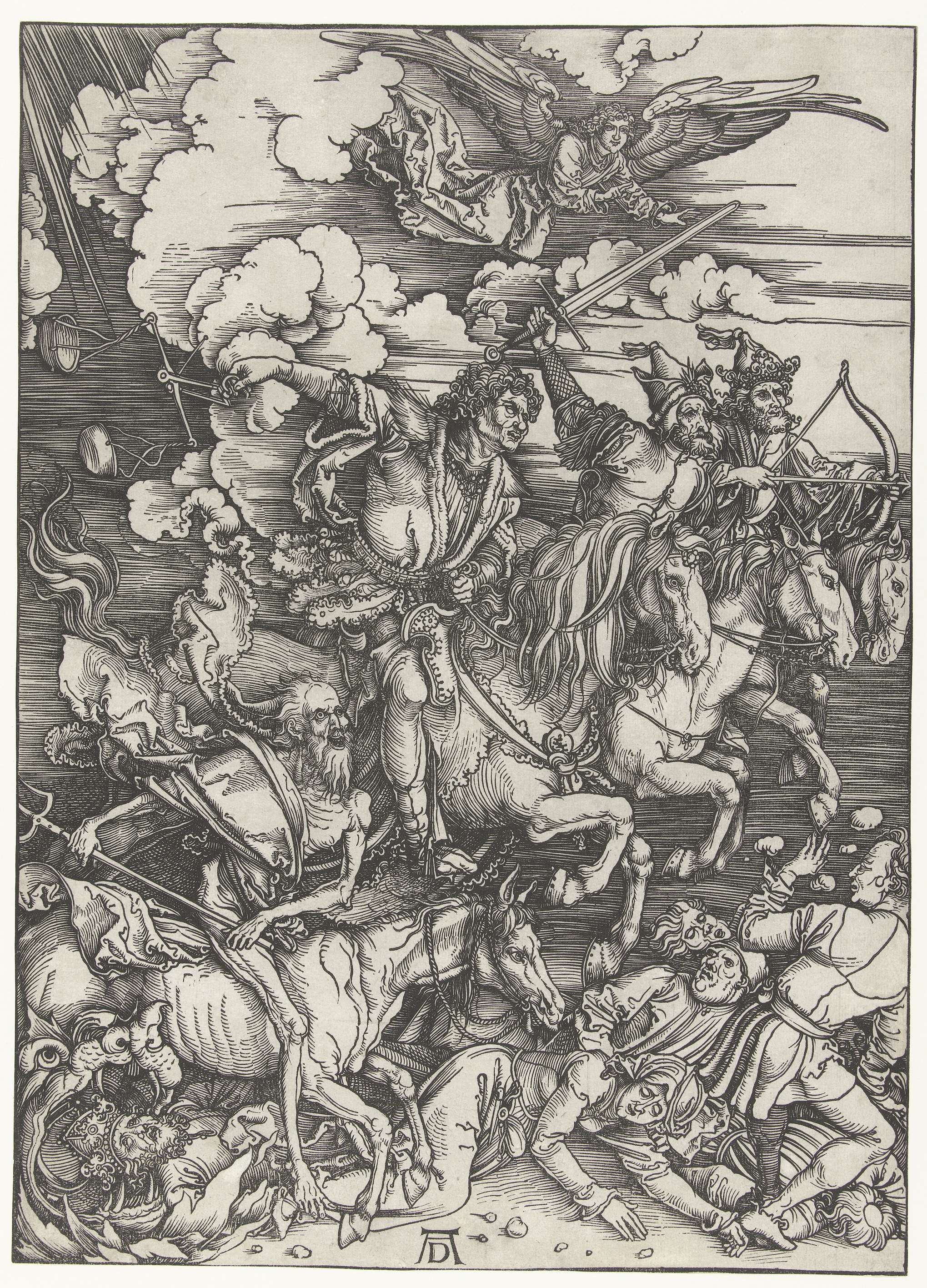
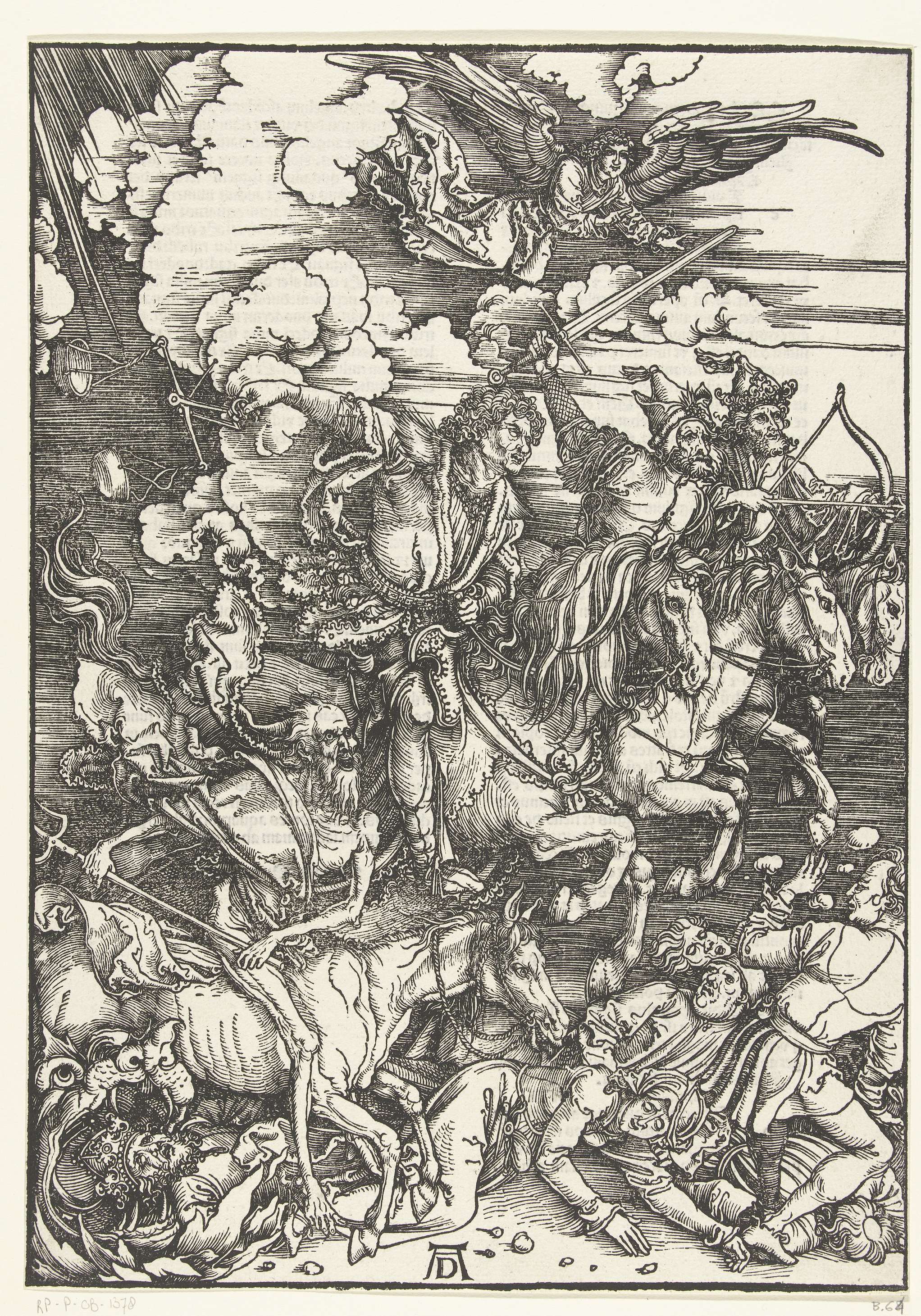
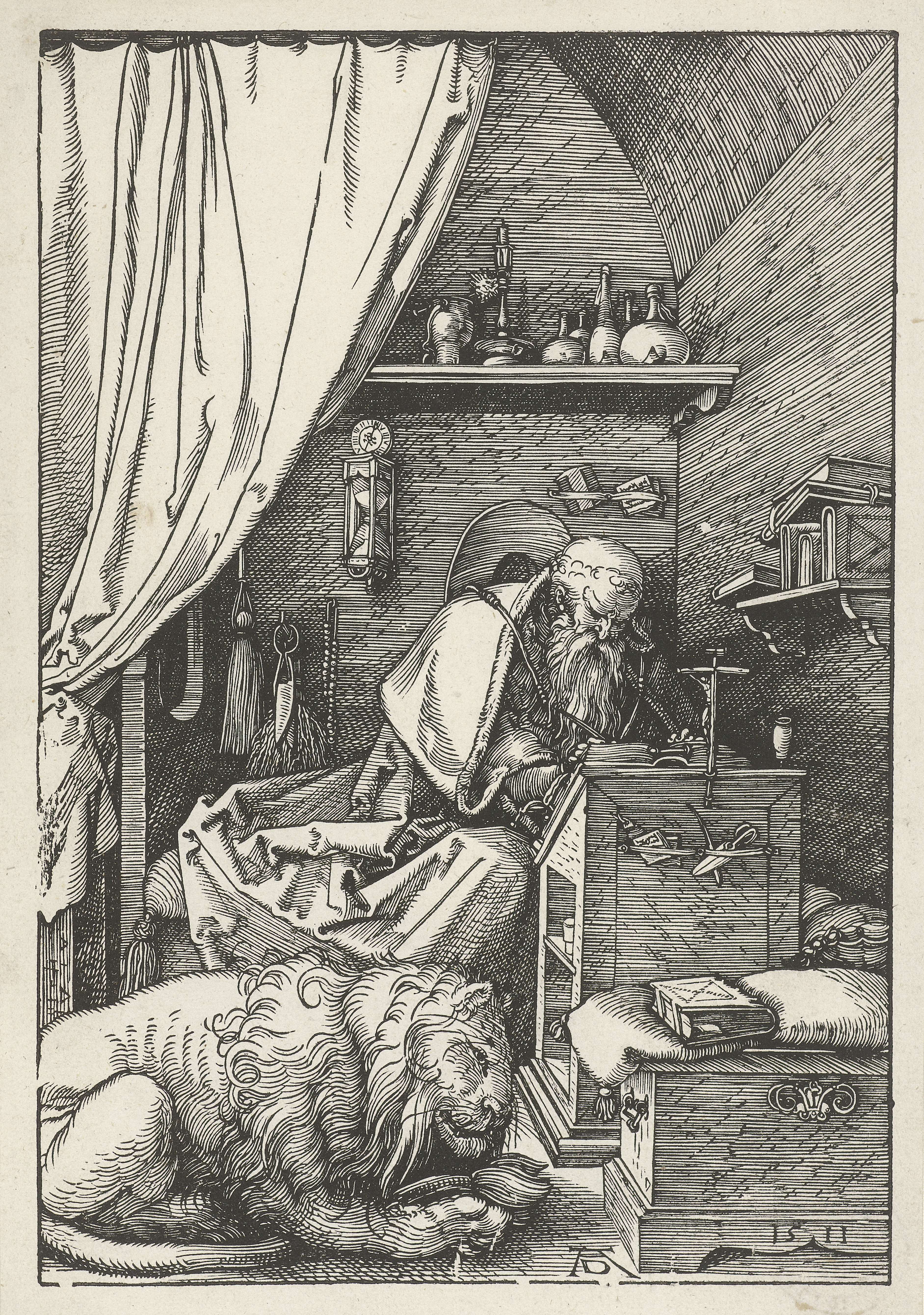
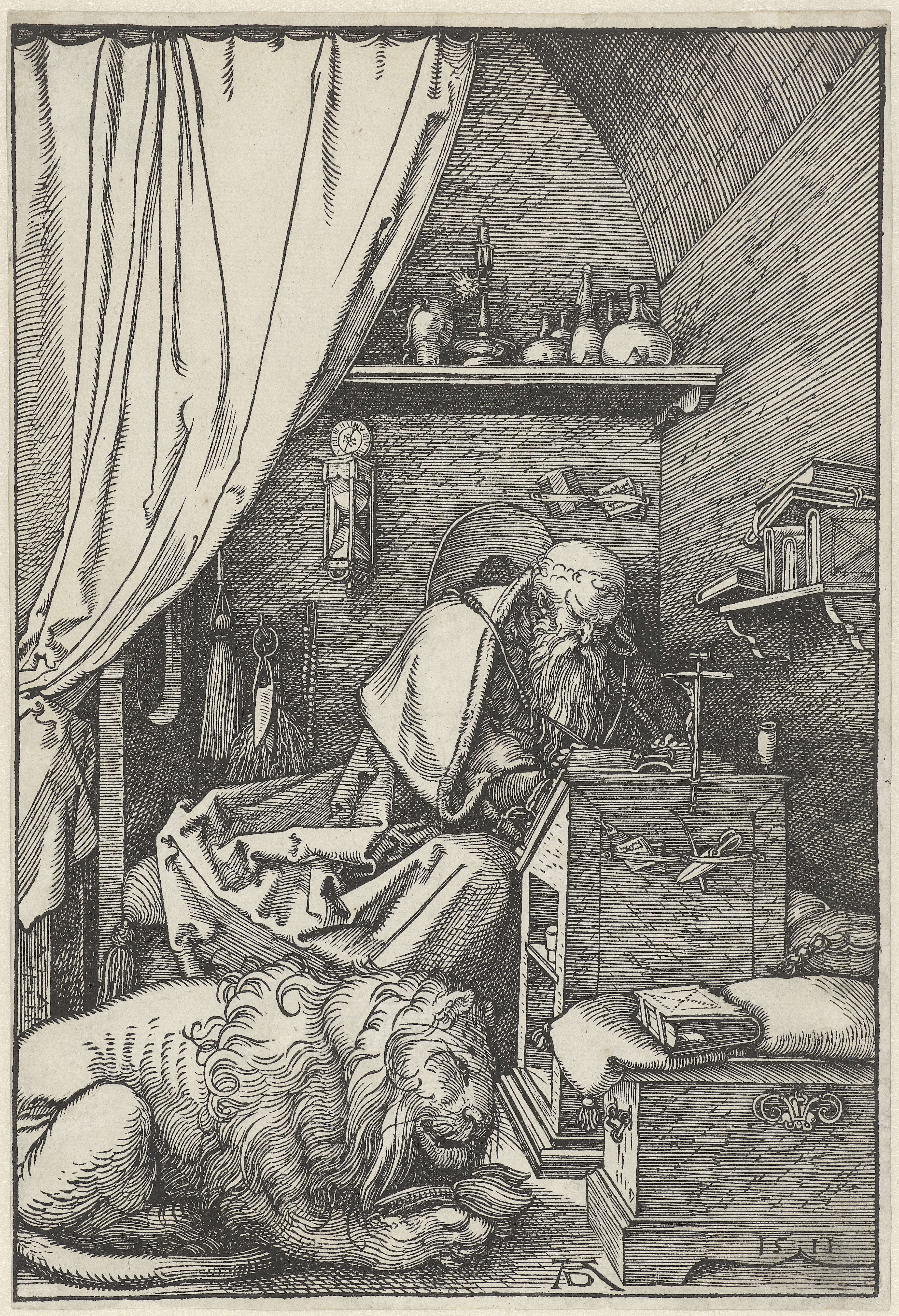
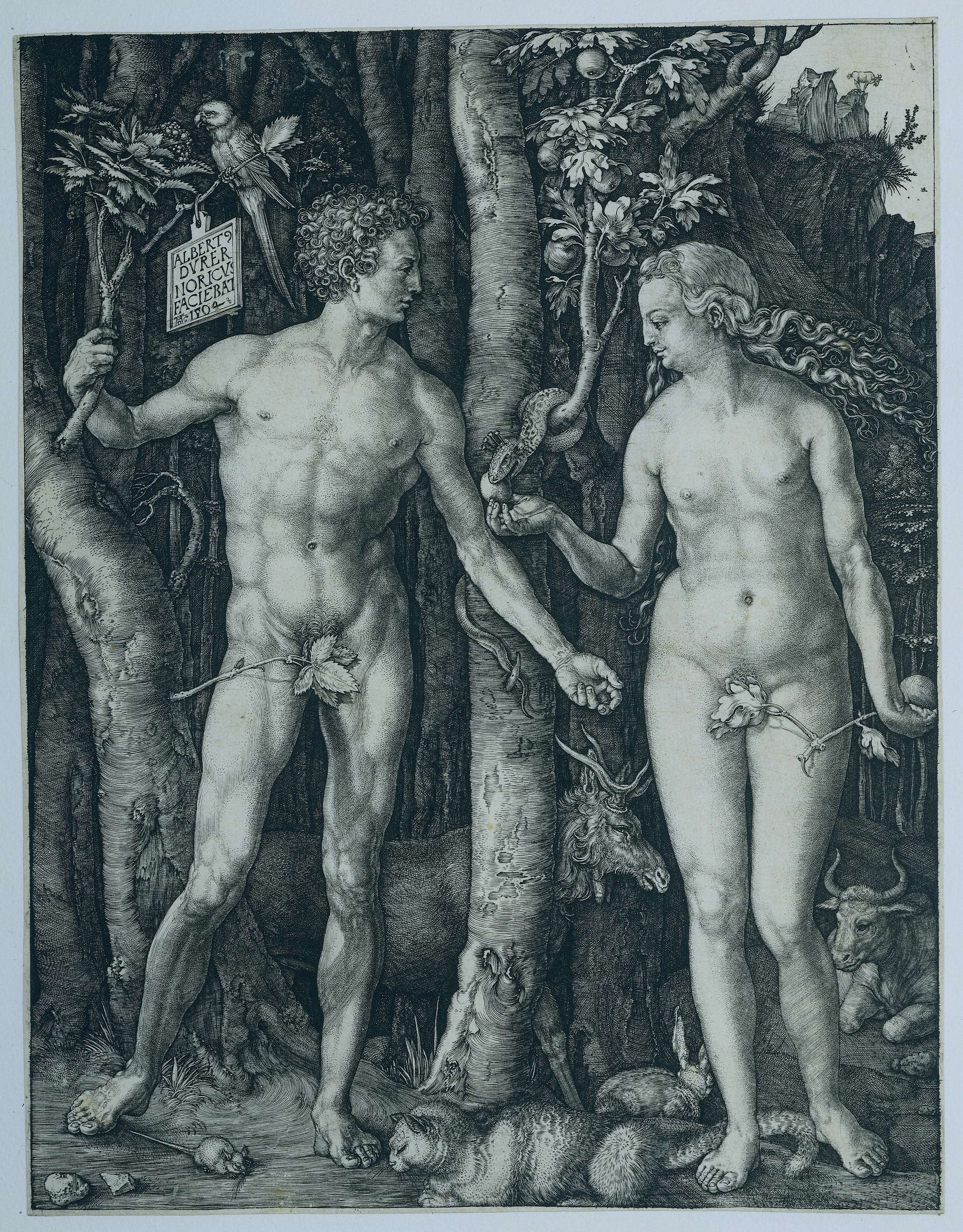
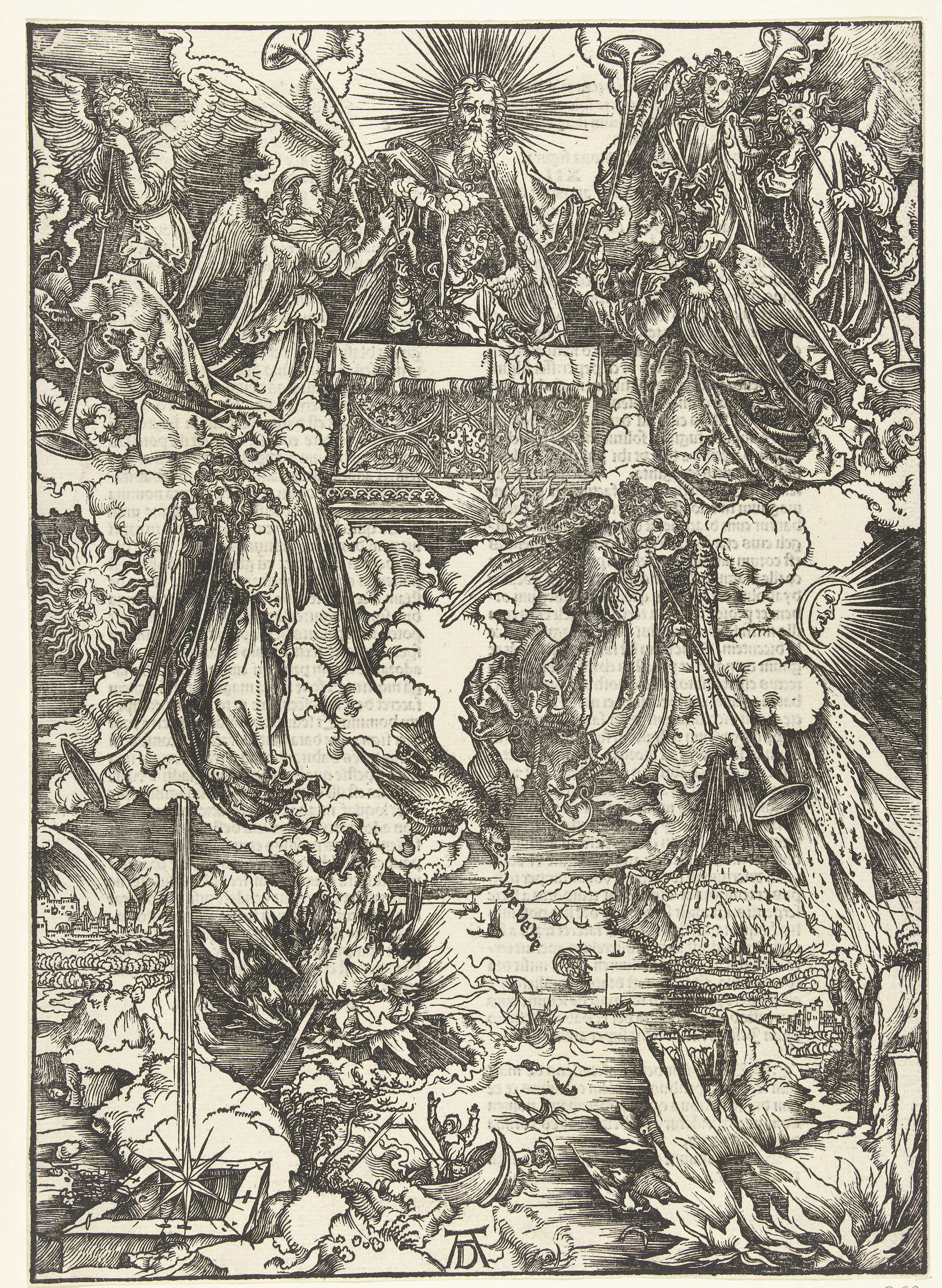
What secret hides in the quiet of the canvas? In *De zeven engelen met de bazuinen*, Albrecht Dürer invites us into a world of celestial majesty and solemnity, where creation unfolds amidst the tension of divine revelation. Look to the center where the seven angels stand poised, each trumpet raised in a gesture both commanding and reverent. Their elegant forms are rendered in intricate detail, with flowing robes that seem to catch an unseen breeze. Notice how Dürer employs a muted color palette, juxtaposing the soft hues of the angels against the stark intensity of their instruments, evoking both tranquility and urgency. The delicate lines and meticulous shading create a three-dimensionality that draws the viewer in, compelling us to contemplate the significance of their proclamation. The underlying emotional tension lies in the duality of creation and destruction. Each angel symbolizes a moment of divine intervention, preparing to herald a monumental truth. Their expressions, ranging from serene to fervent, suggest both hope and foreboding. The background, ethereal yet shadowy, hints at the inevitable consequences of creation — a reminder that every act of genesis carries the weight of potential change. In 1511, Dürer was at the height of his artistic powers, navigating the complex landscape of the Northern Renaissance. Living in Nuremberg amidst a burgeoning interest in humanism and religious reform, he explored themes of spirituality and nature through a meticulous lens. This work not only showcases his technical prowess but also reflects the era's quest to reconcile faith with the burgeoning knowledge of the world.