Deauville, la plage à marée montante — History & Analysis
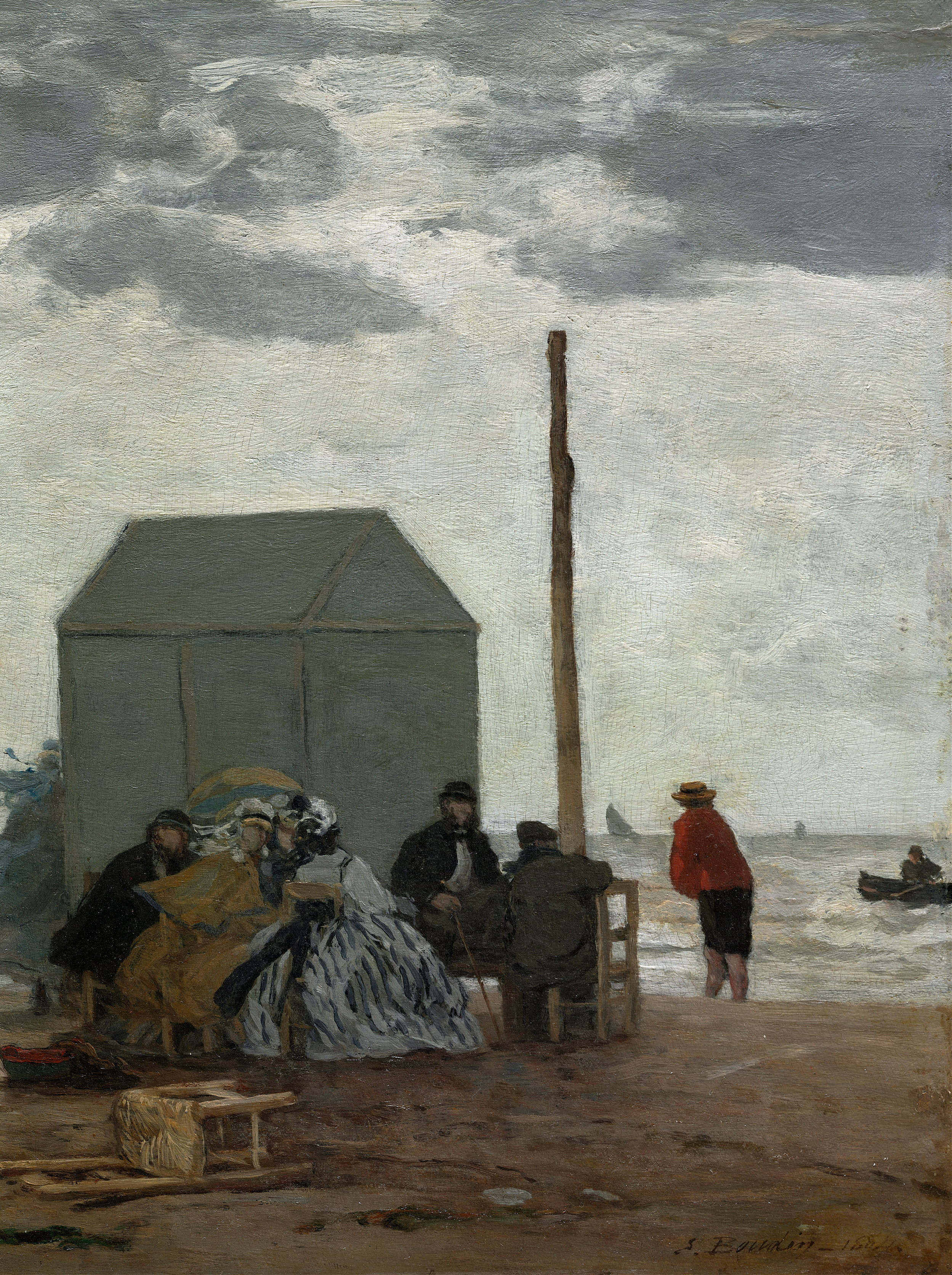
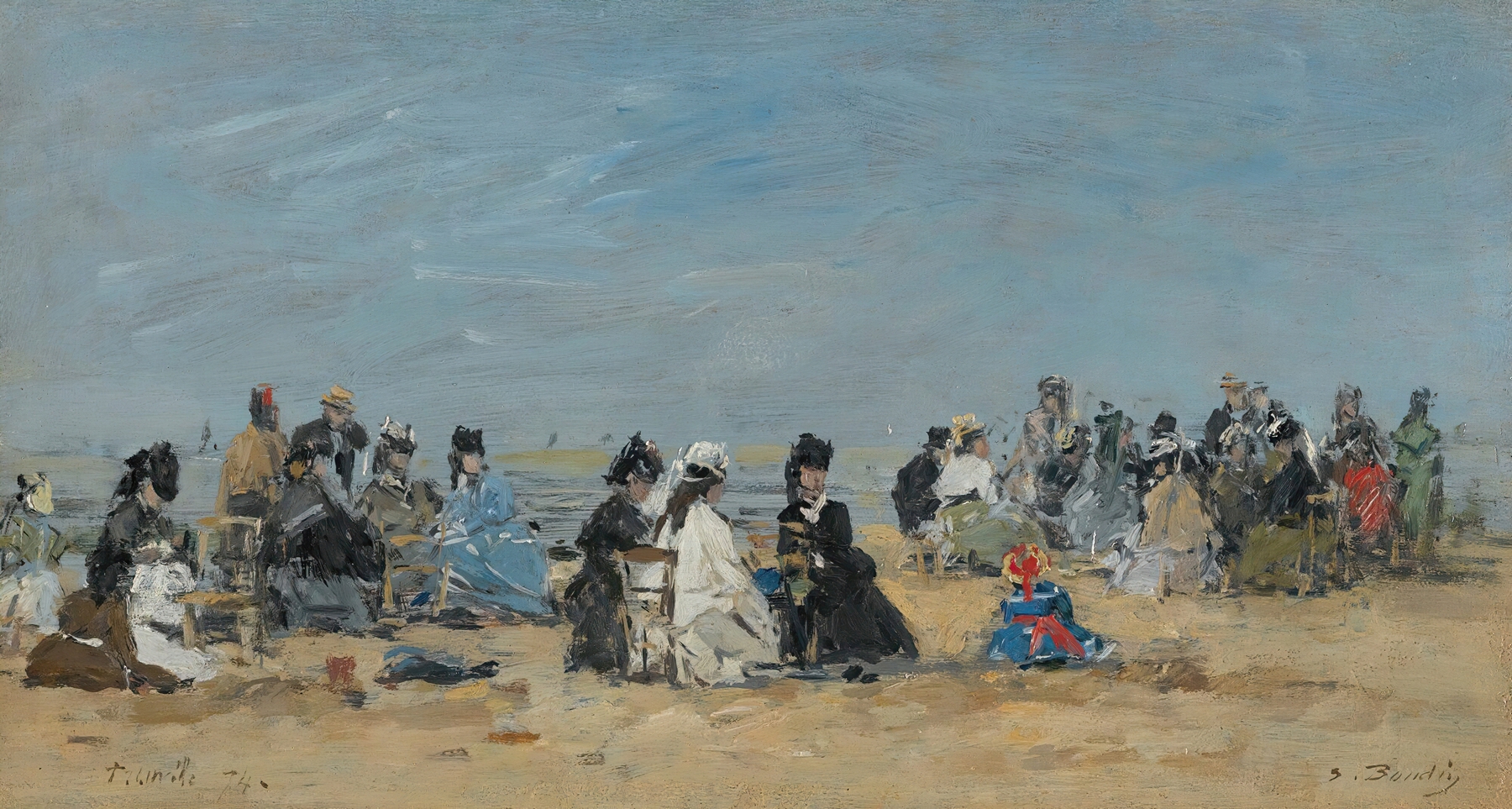
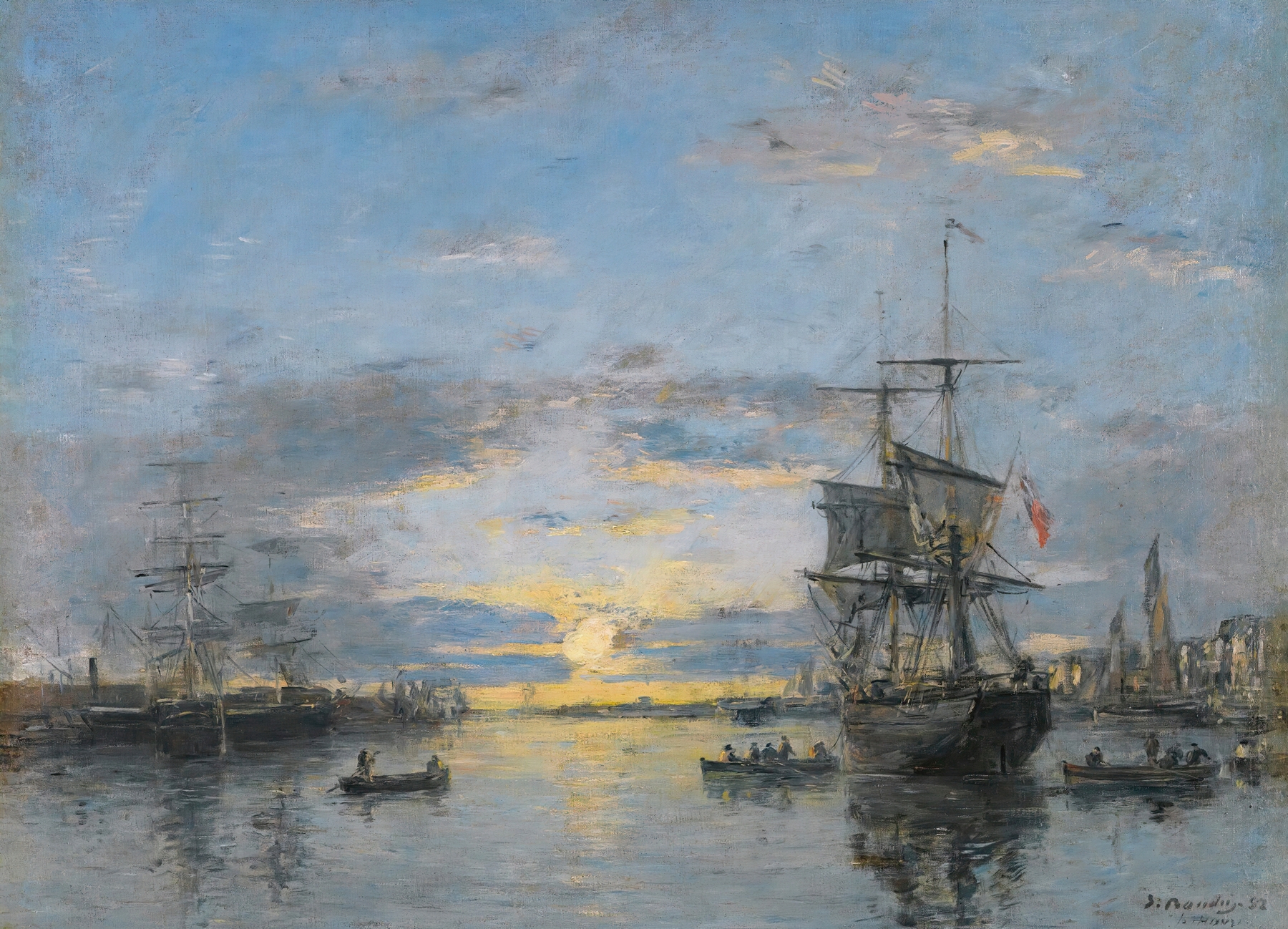
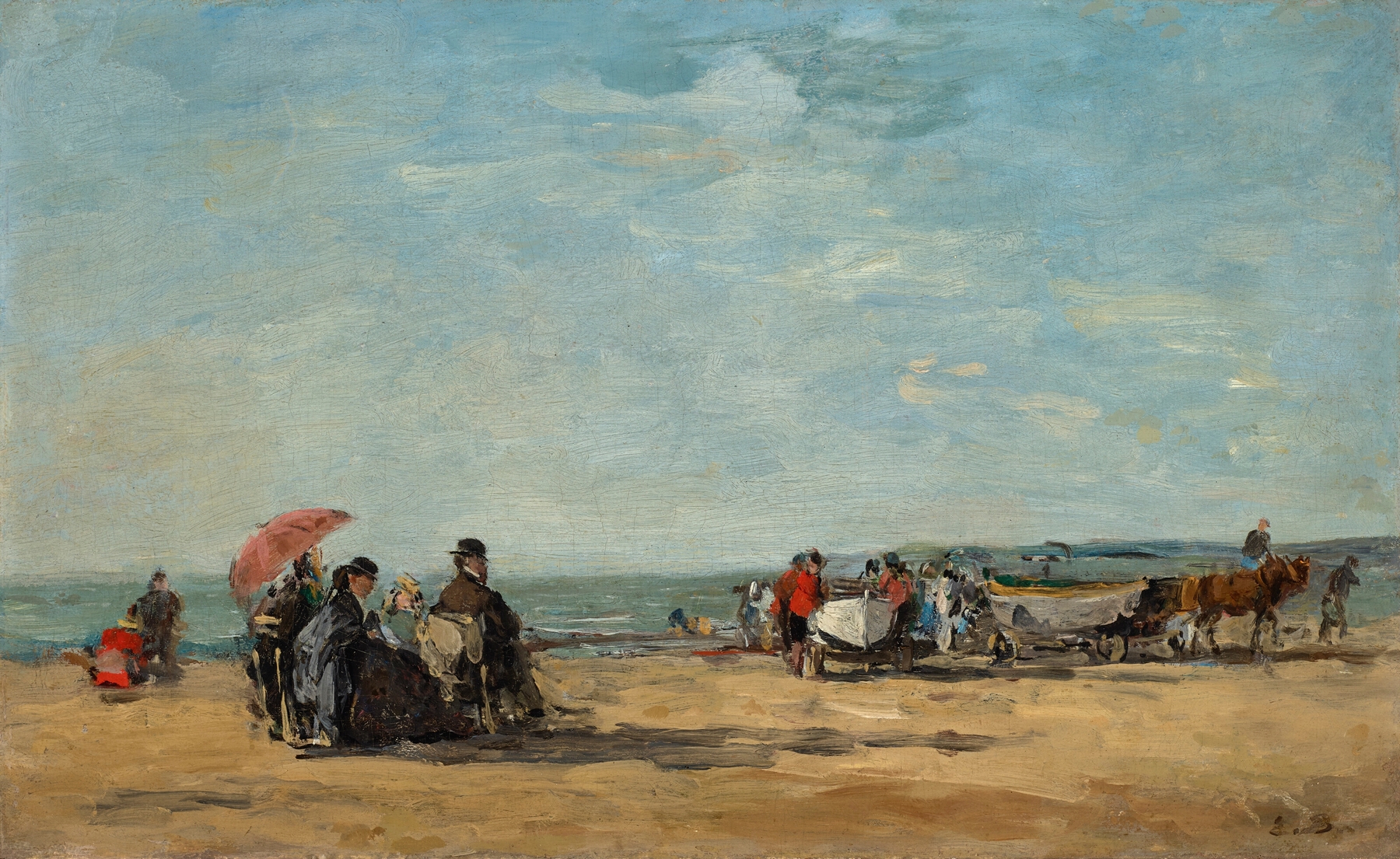
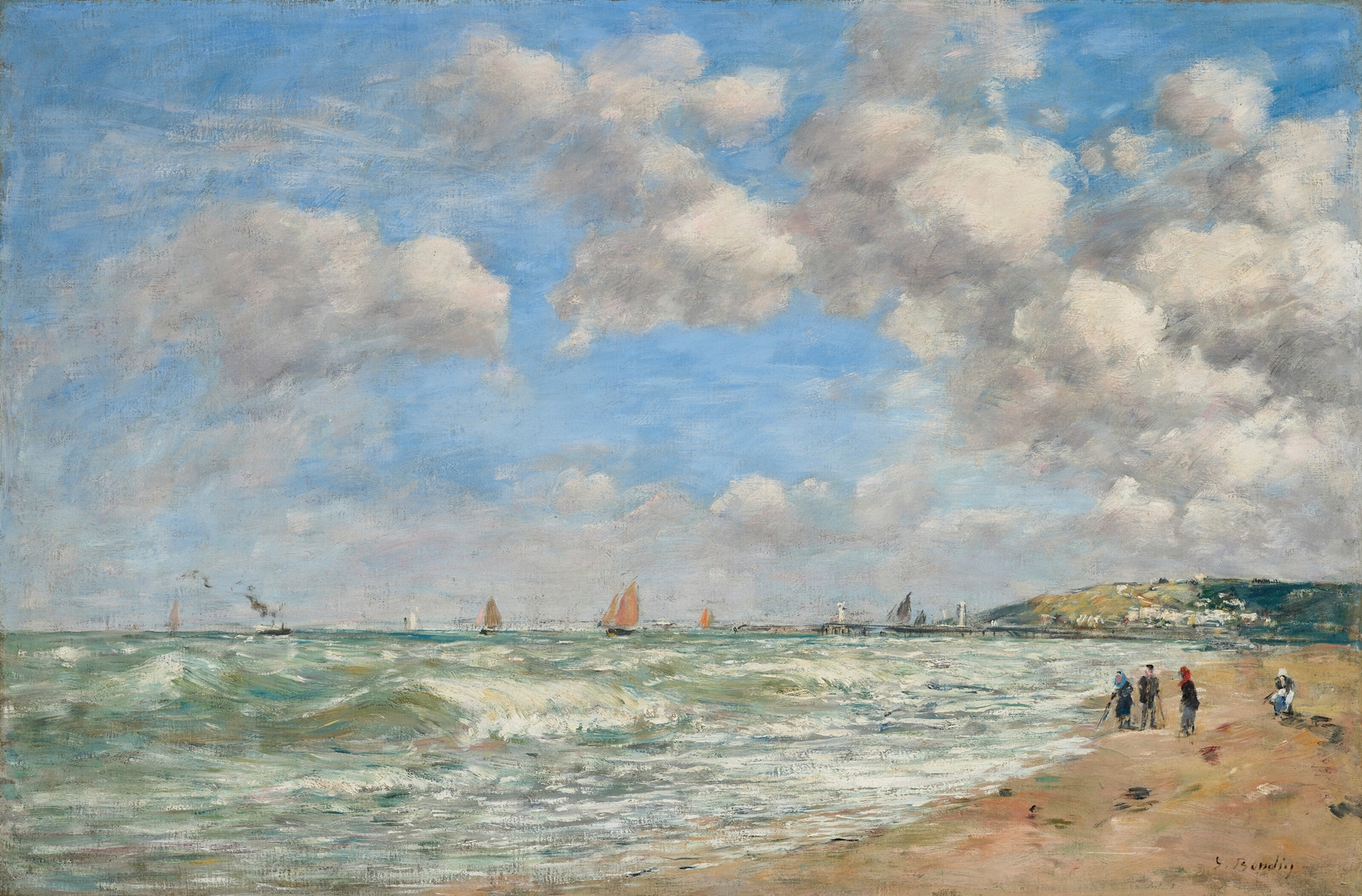
Where does light end, and longing begin? In the tender interplay of hues, a sense of melancholy lingers, whispering stories of fleeting moments on the shore. Look to the gentle curve of the beach, where soft waves lap against the sand, mingling with the reflective surface of the water. The horizon stretches wide, a promise of distant lands bathed in the warm glow of a late afternoon sun. Notice how the artist employs a palette of muted blues and sandy yellows, evoking both tranquility and a hint of nostalgia.
The loose brushwork captures the movement of the sea and sky, inviting the viewer to step into this serene moment, yet also sparking an awareness of the inevitability of change. Delve deeper, and you might sense the emotional weight of the scene. The figures scattered along the beach seem absorbed in their own worlds, each a solitary island amid tides of thoughts and aspirations. The way the light dances upon the water captures the transience of time, a reminder that every wave that crashes upon the shore carries with it a piece of longing. Here, the juxtaposition of light and shadow paints a deeper narrative of desire, solitude, and the bittersweet nature of memory.
In 1890, Boudin painted this work during a period when he was becoming recognized for his plein air landscapes. Working in Deauville, he found inspiration in the ever-changing coastal light and the rhythms of daily life. His technique was evolving, influenced by both Impressionism and his observations of the world around him, as he sought to express the beauty inherent in the everyday. The painting captures not only a moment in time but also the artist's quest to illuminate the ephemeral nature of existence.