Deauville. Le Rivage — History & Analysis
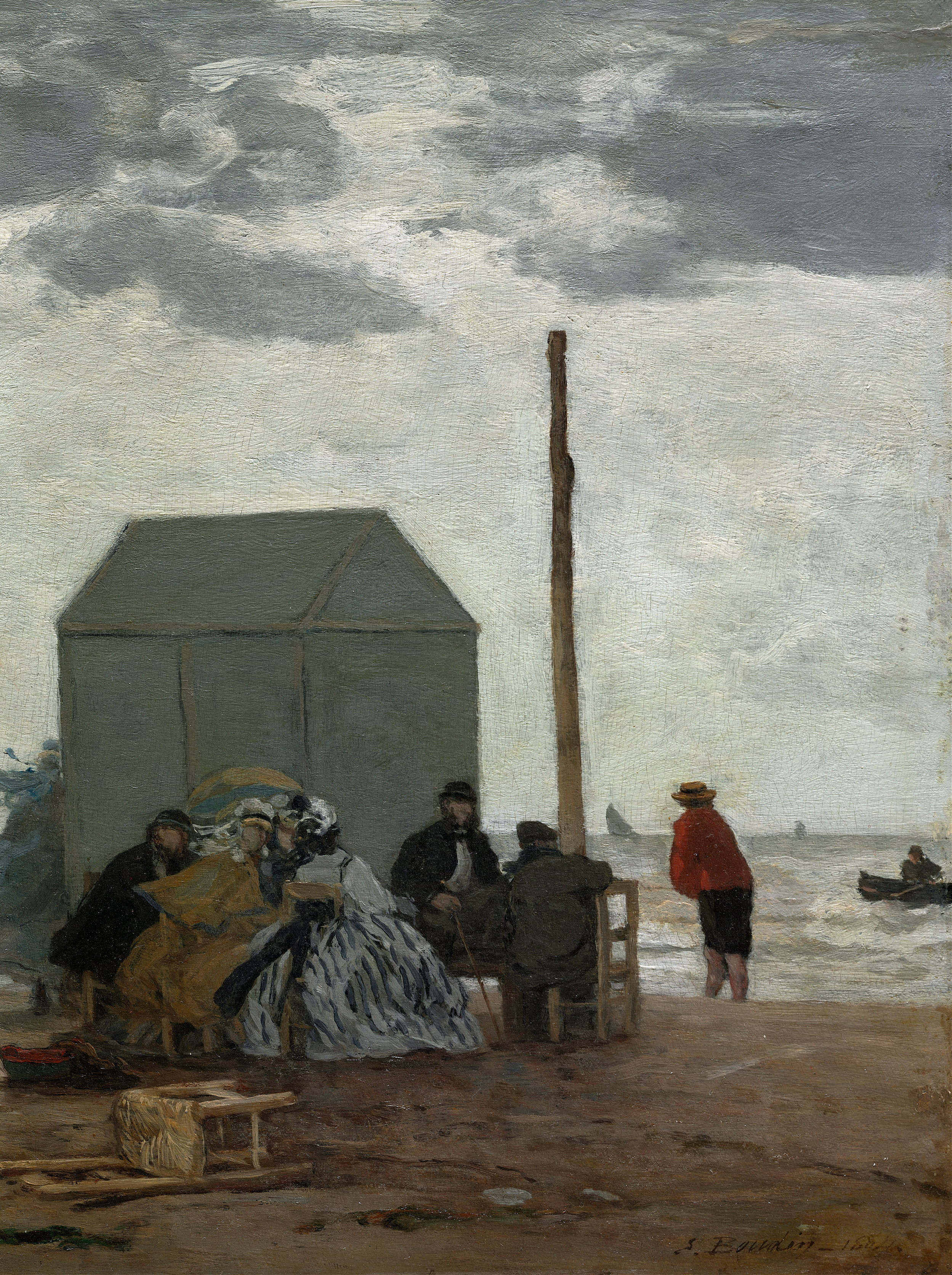
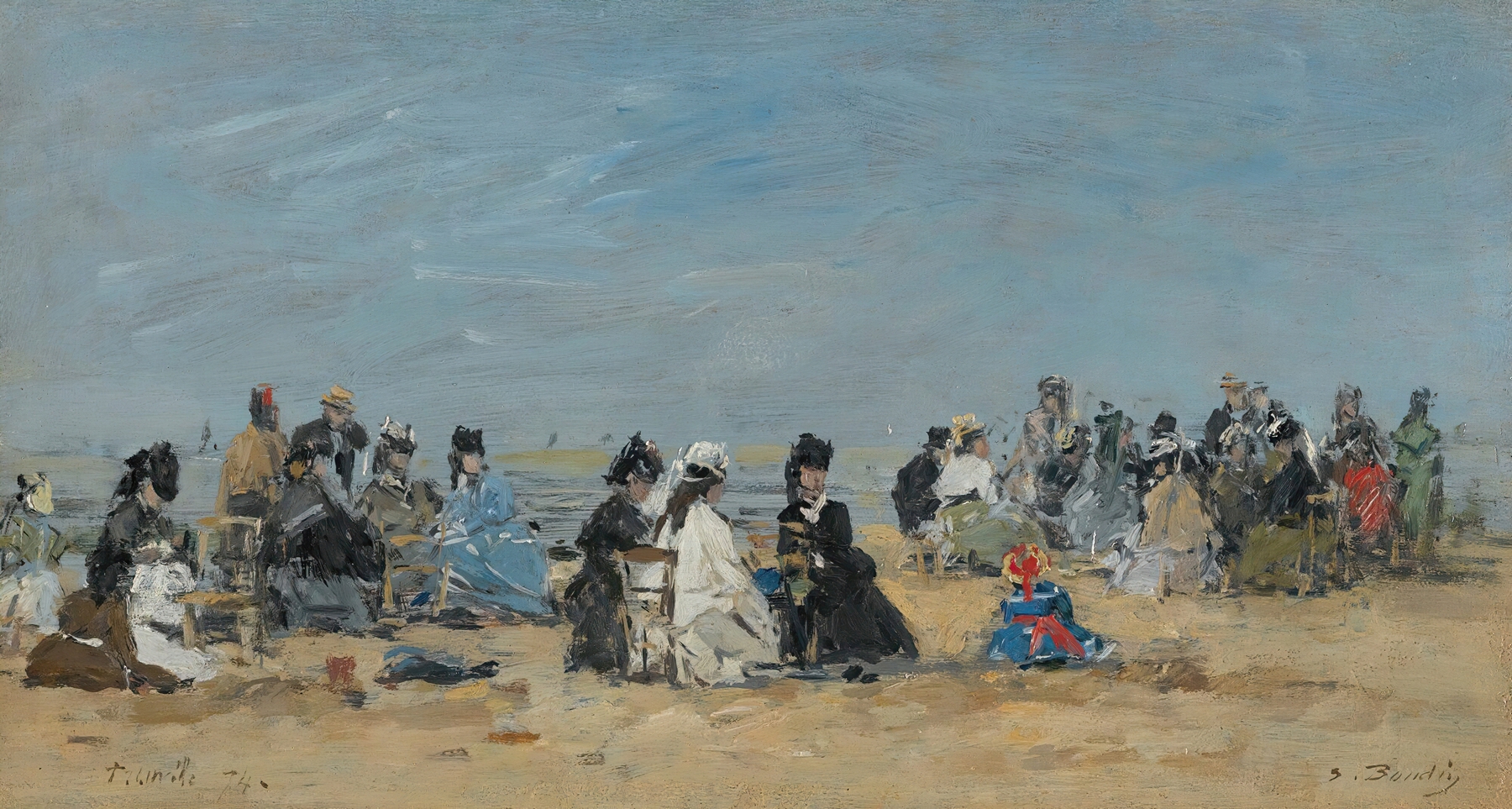
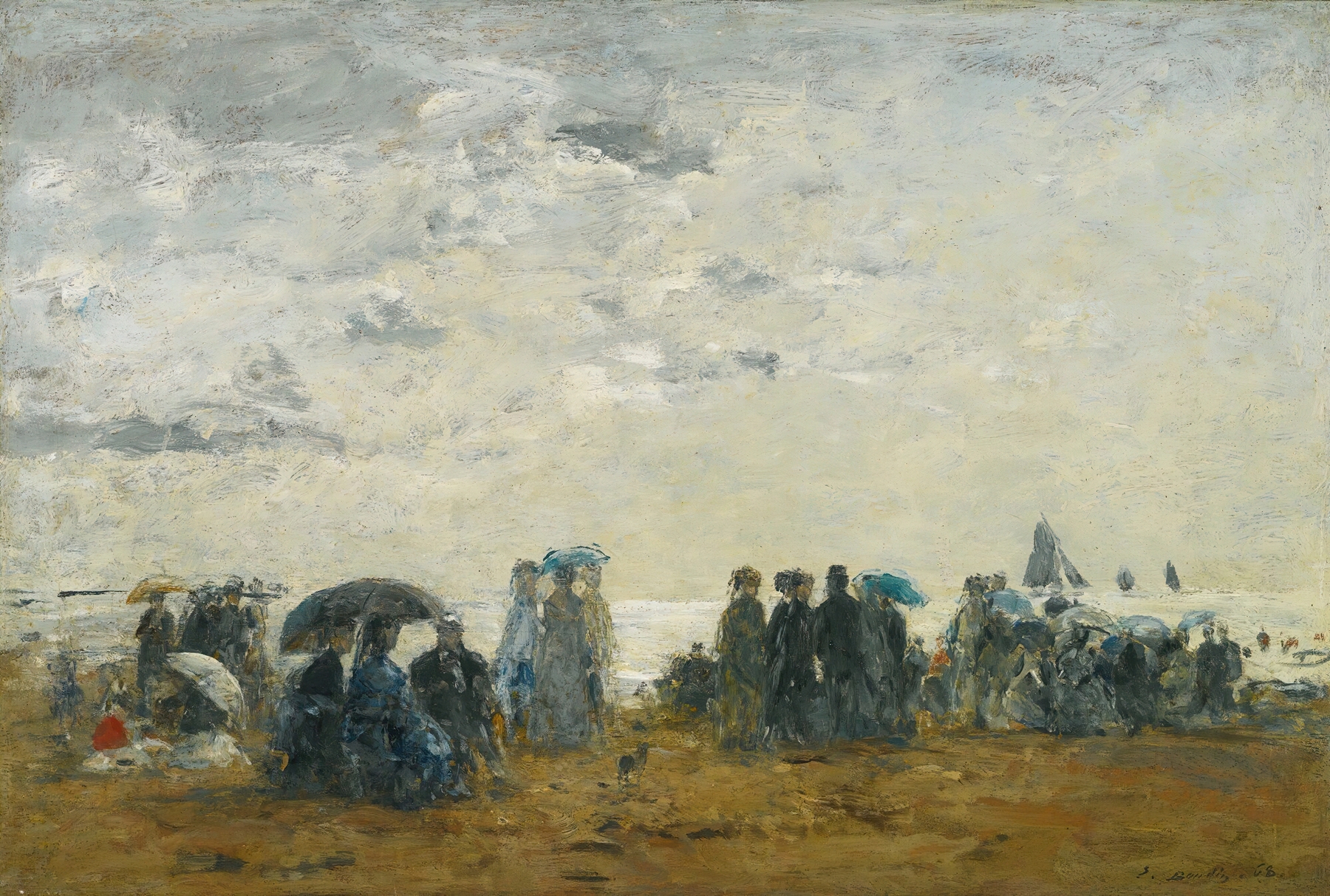
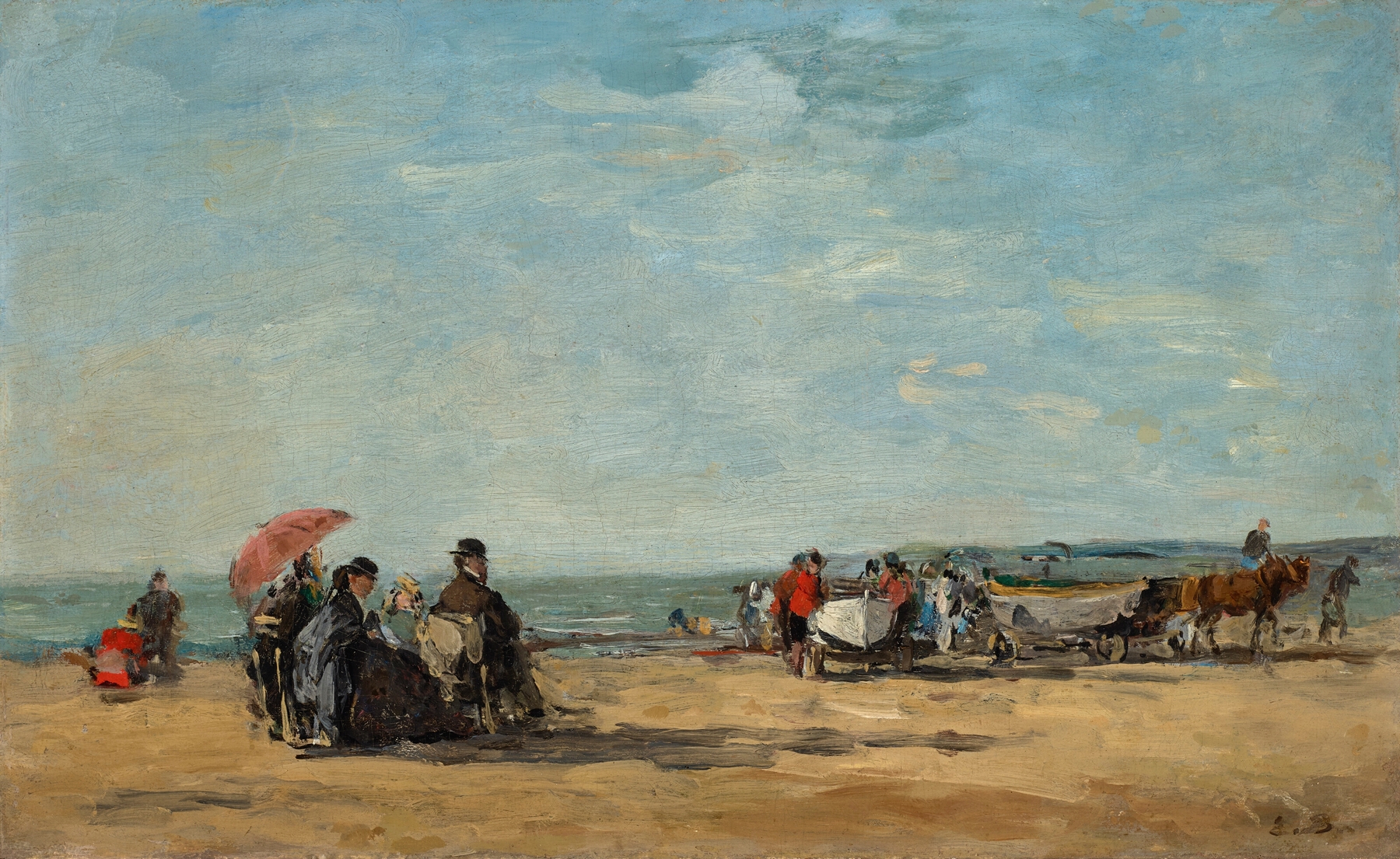
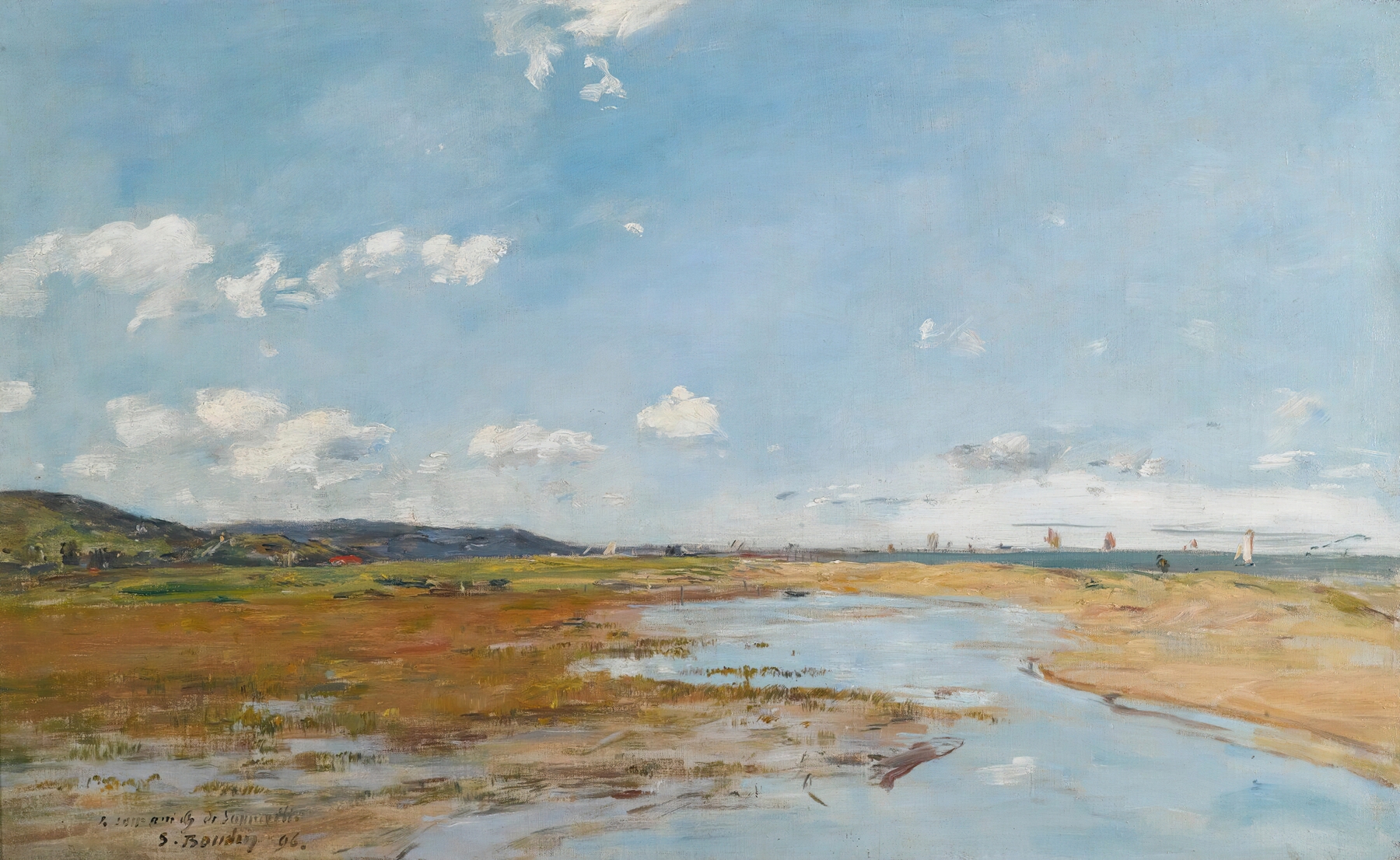
Can beauty exist without sorrow? In the soft, muted palette of the seaside, where waves gently embrace the shore, one can almost hear the whispers of lost stories carried by the breeze. Look to the horizon, where the pale blues of the sky blend seamlessly with the rolling waves, inviting you into a tranquil yet melancholic embrace. Notice how the artist skillfully captures the light dancing on the water's surface, each brushstroke illuminating the delicate interplay between nature and emotion.
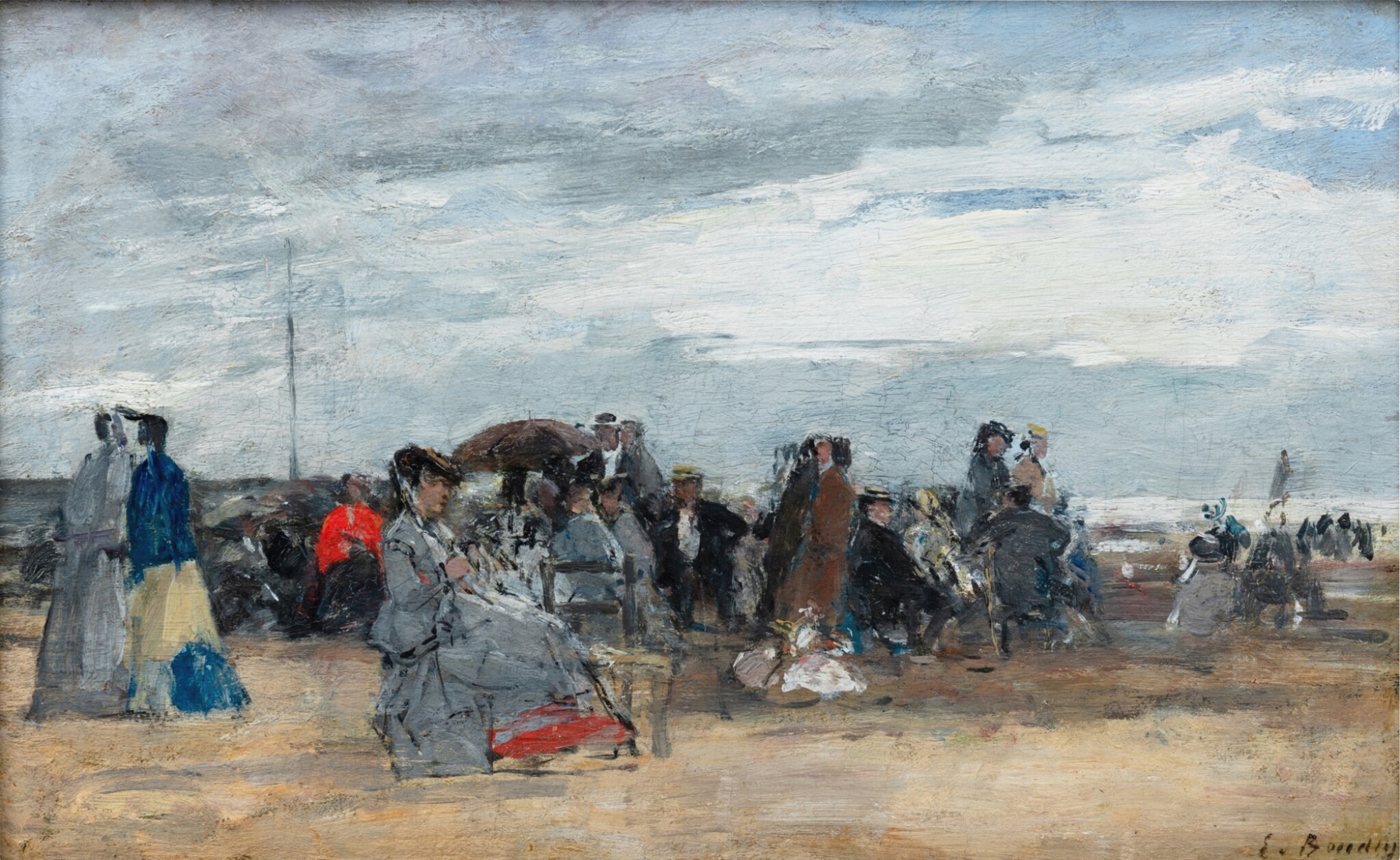
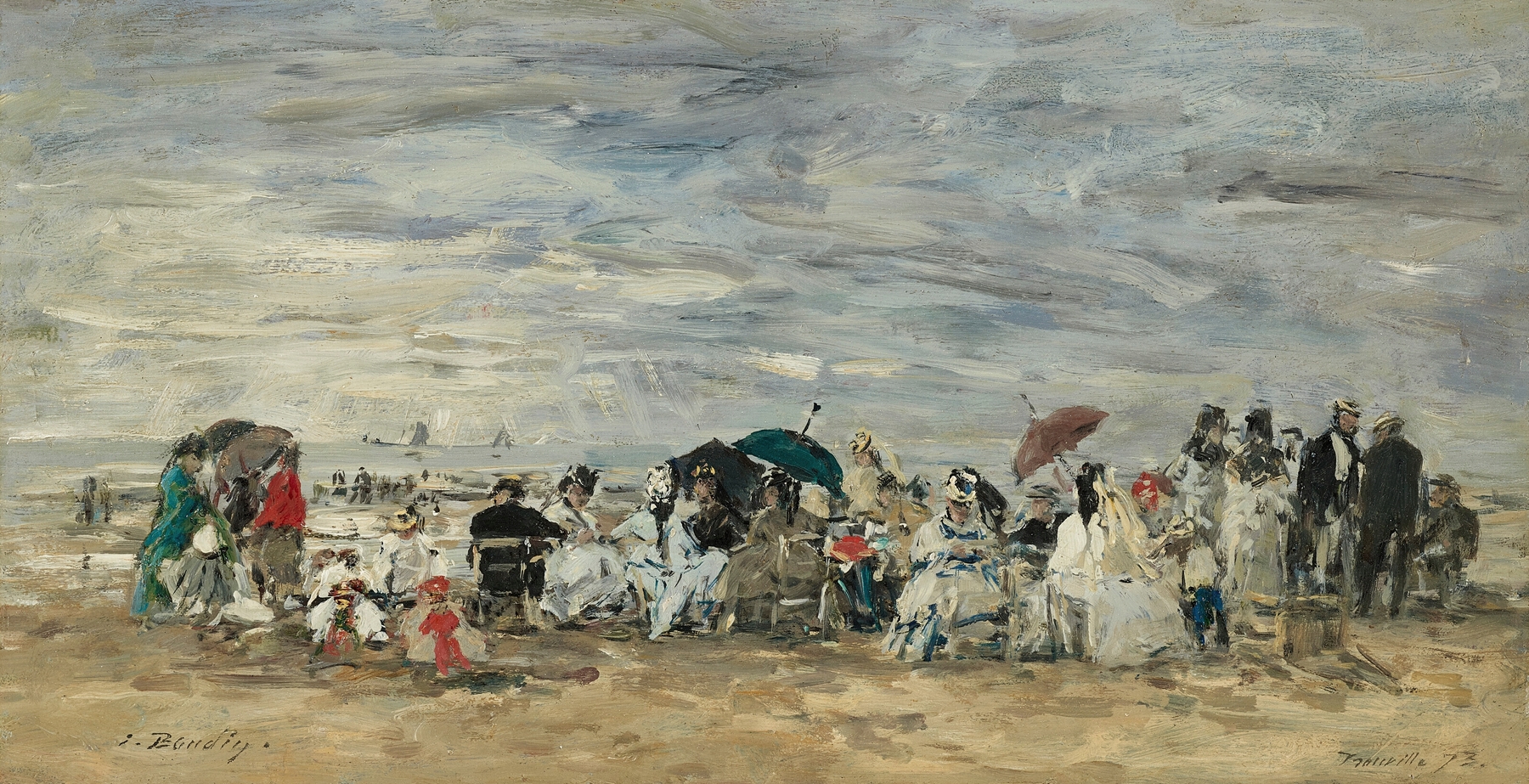
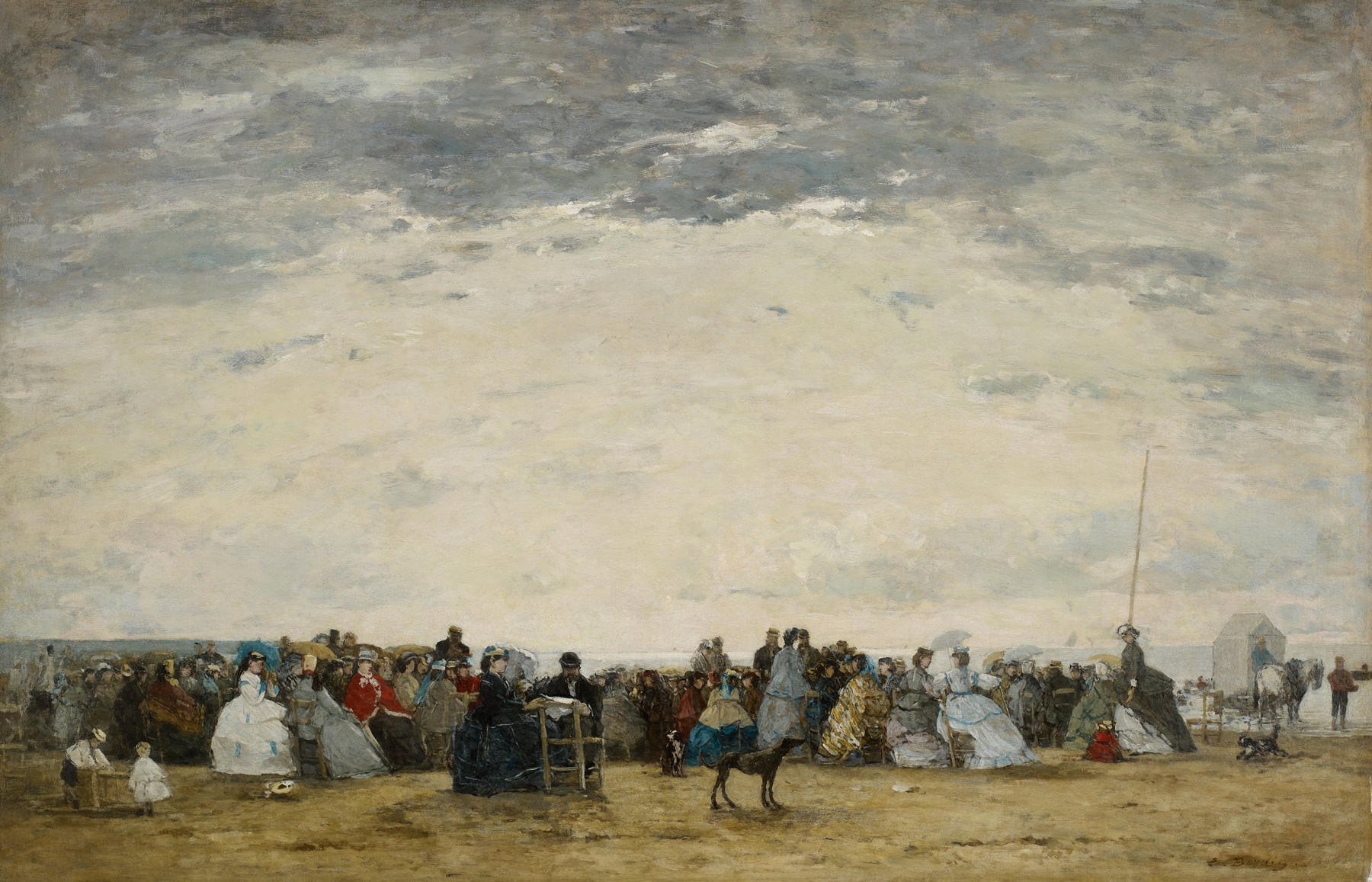
The sandy beach stretches across the canvas, dotted with figures who seem at once distant and present, their silhouettes infused with the soft earth tones of late afternoon. Boudin’s choice of color is telling; the gentle hues evoke a sense of nostalgia, suggesting the transience of beauty and the shadows cast by fleeting moments. There’s a striking contrast between the vibrant sky and the muted earth, hinting at the duality of joy and melancholy inherent in life by the sea. Each detail, from the billowing clouds to the ephemeral waves, reflects a deep awareness of the impermanence of happiness, as if the scene captures a cherished memory set against a backdrop of inevitable change.
Painted in 1896, this work arose during a period of significant transition for the artist. Boudin, often regarded as a precursor to the Impressionists, was immersed in a world shifting toward modernity. As he captured the serene beauty of Deauville, he was also grappling with the changing tides of the art world, where traditional forms were giving way to new expressions, much like the seaside itself—ever-changing yet timeless.