Distant View of Niagara Falls — History & Analysis
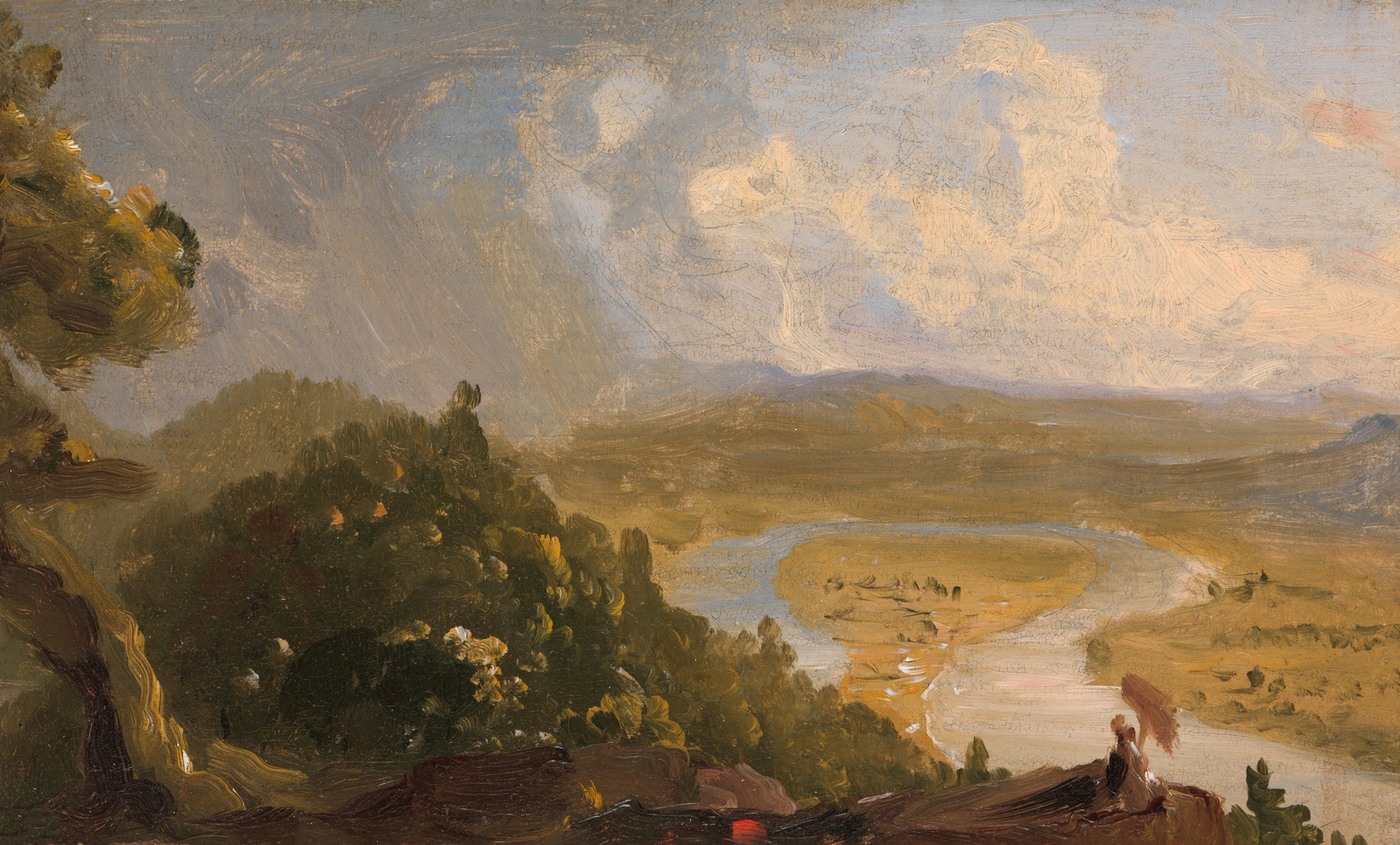
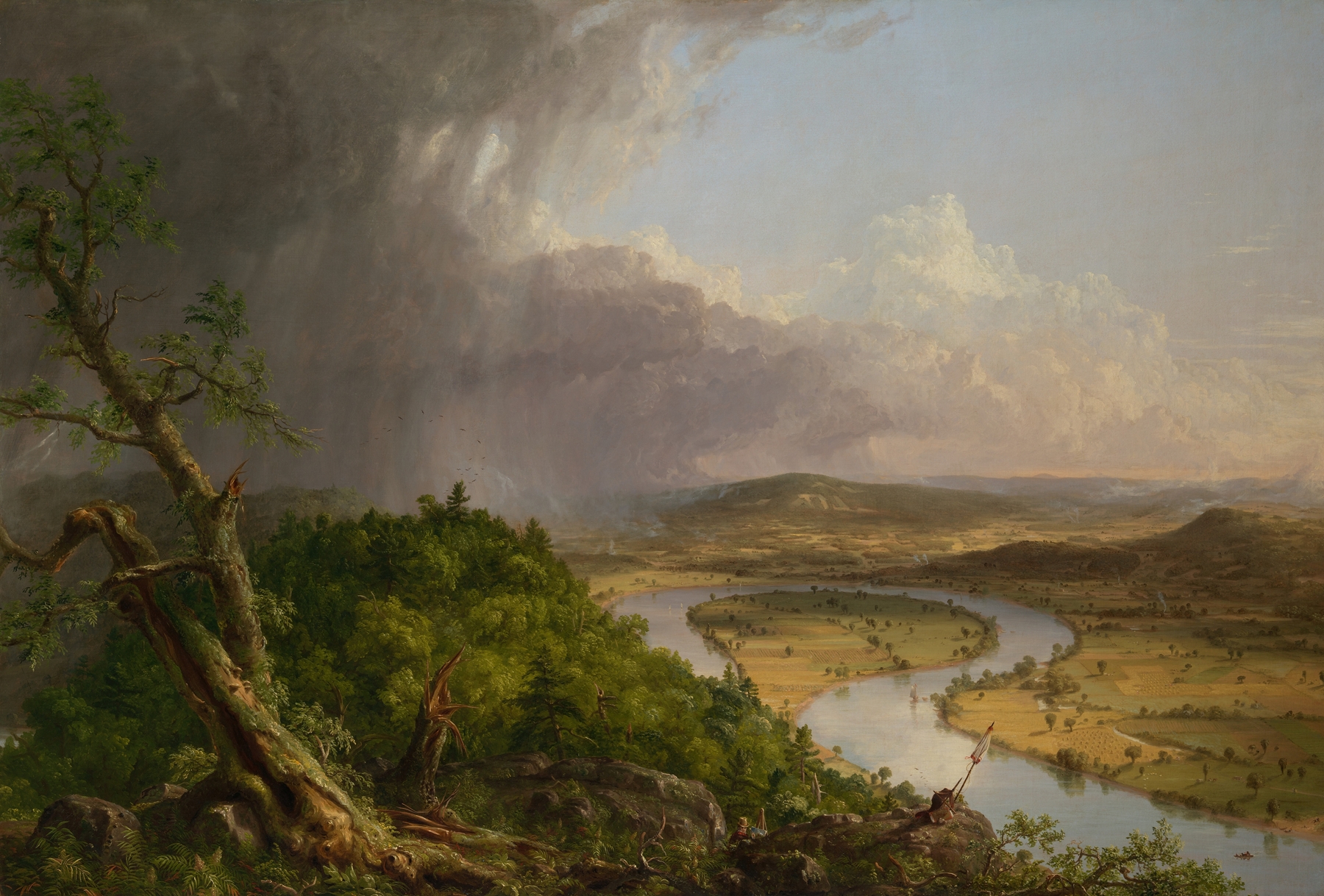
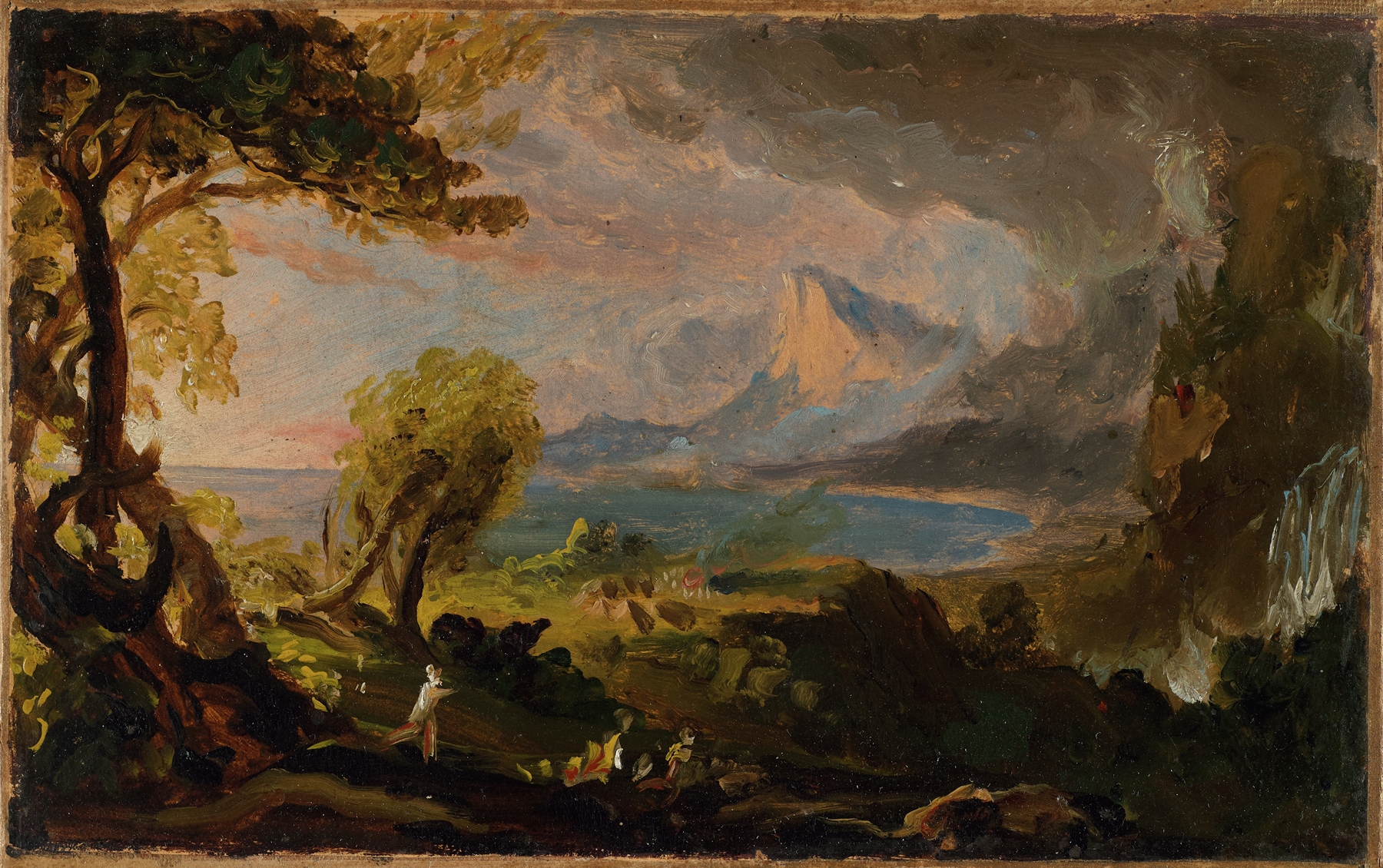
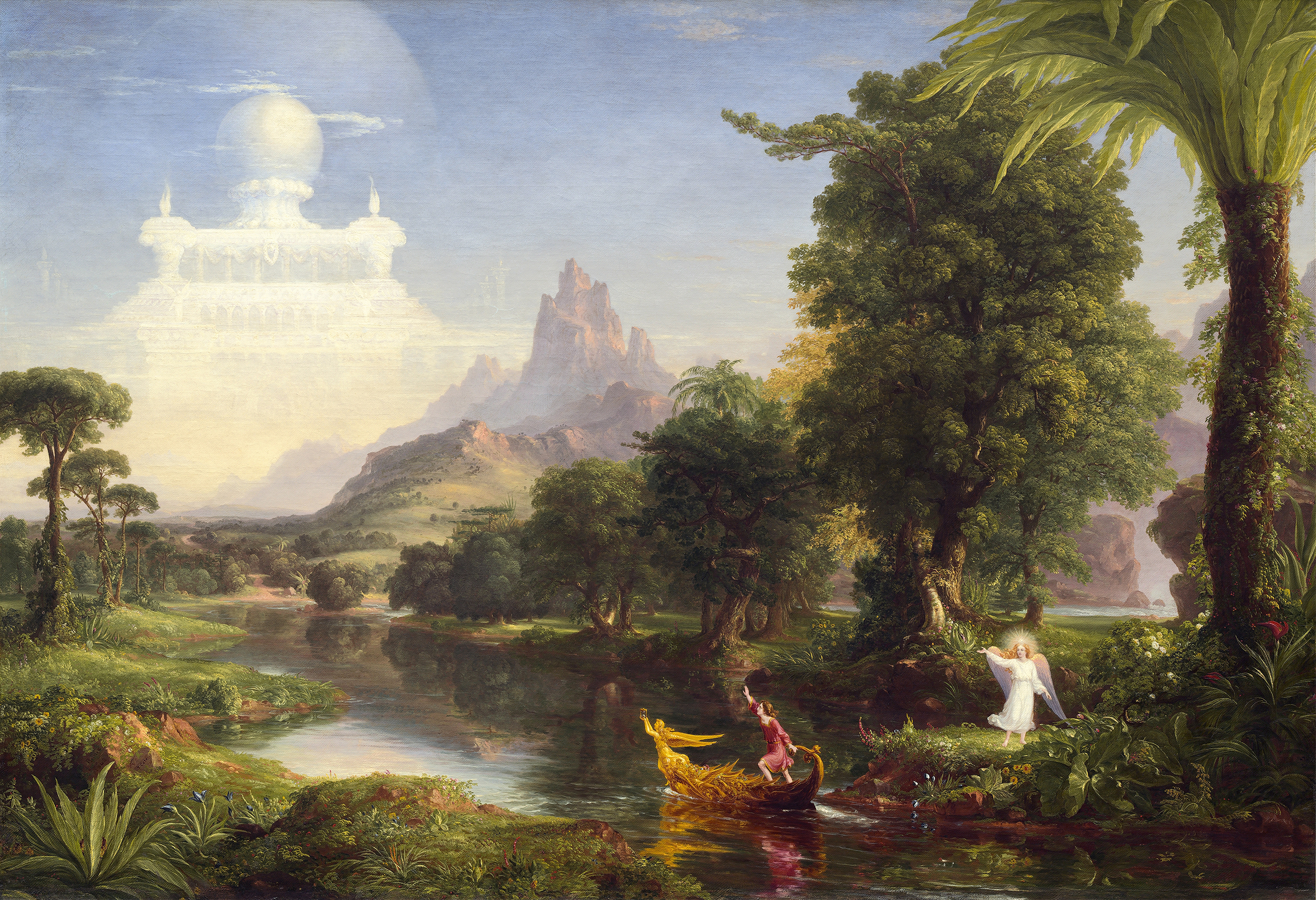
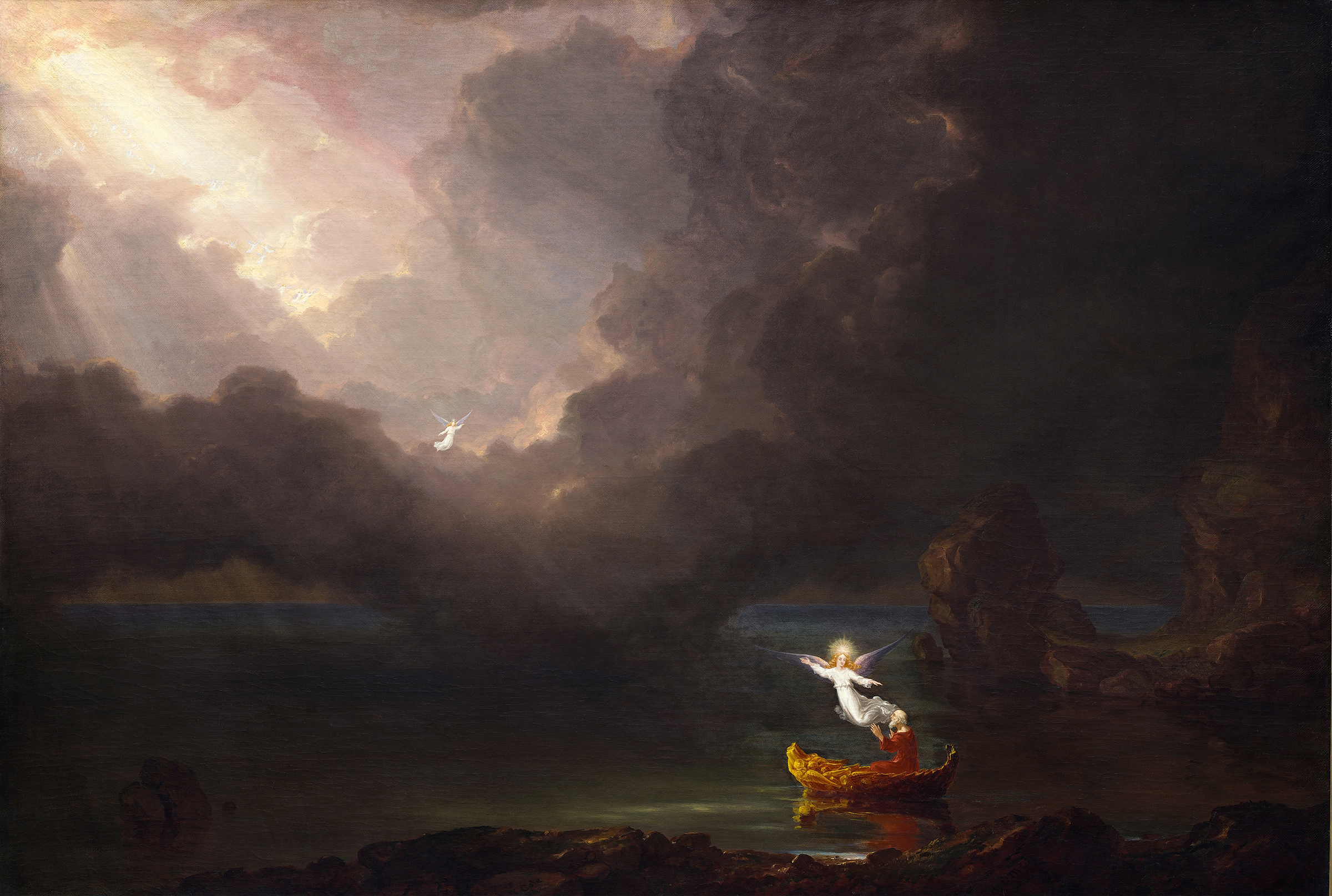
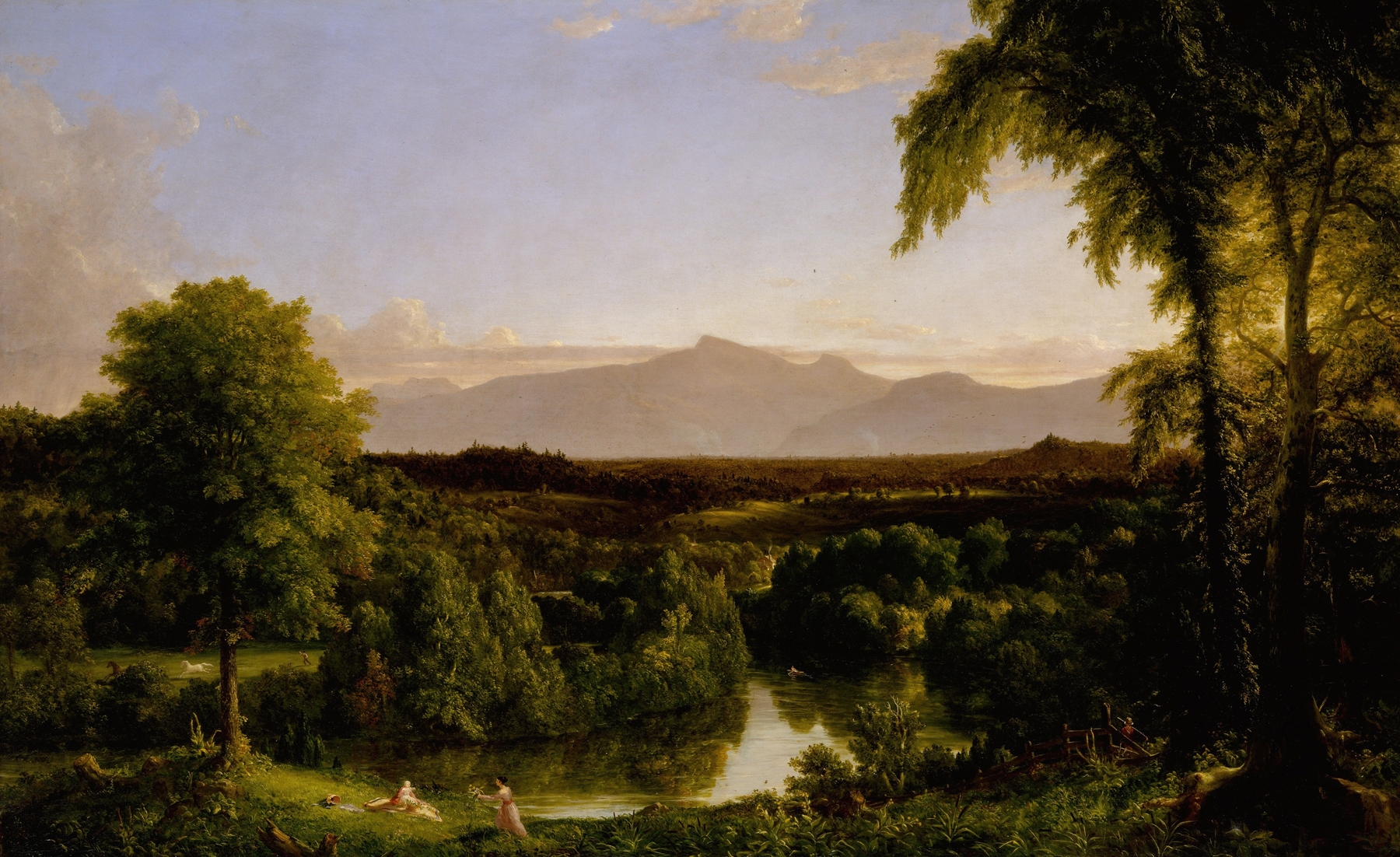
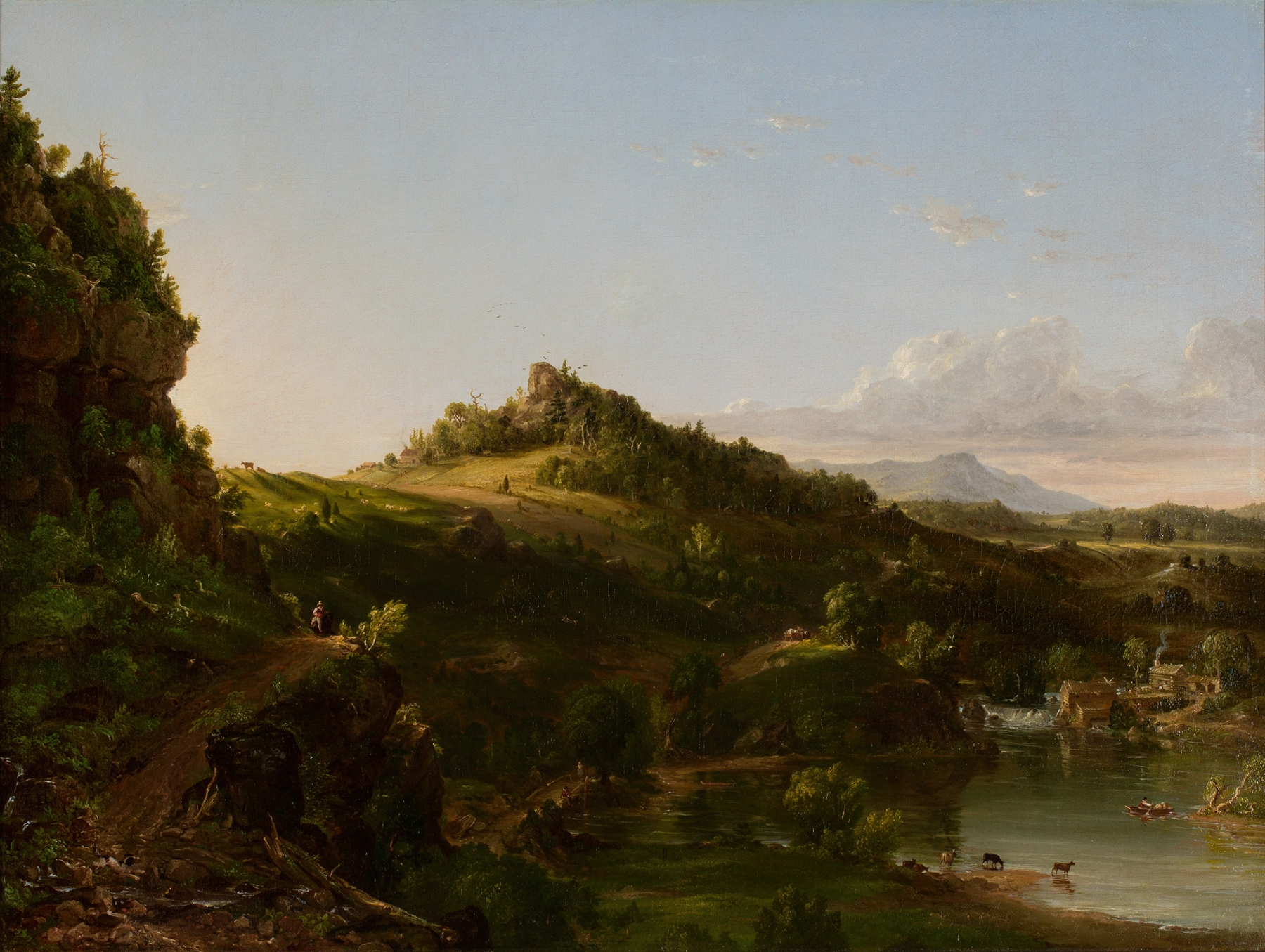
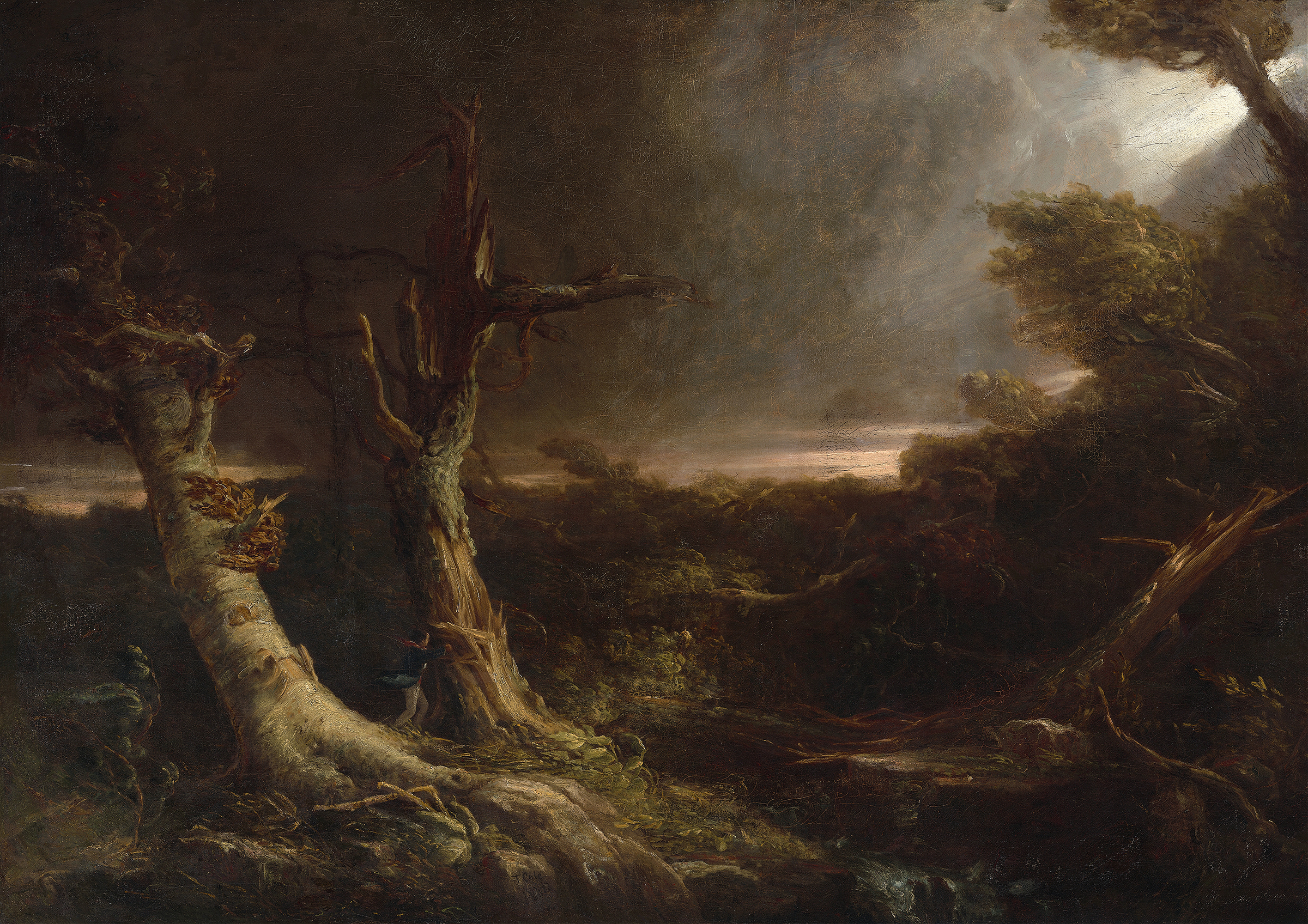
“Between color and silence, truth hides.” In the vibrant expanse of nature, a delicate interplay between light and shadow invites contemplation of creation's majesty. Look to the left at the gentle cascade of the falls, their foamy white torrents contrasting against the deep greens of the surrounding foliage. Notice how the sunlight filters through the trees, casting a warm glow that highlights the texture of the rocky cliffs. The horizon stretches far beyond, where soft blues of the distant sky seamlessly blend with the rushing waters, captivating your gaze and drawing you into the serene landscape.
Hidden meanings lie in the juxtaposition of the tumultuous waterfall and the calmness of the sweeping vista. The viewer is reminded of nature's duality—its capacity for both awe-inspiring beauty and overwhelming power. The foreground teems with life, while the distant horizon suggests infinite possibilities, offering a profound reflection on the act of creation itself.
In 1830, the artist was in the midst of establishing his reputation in the burgeoning American art scene. Influenced by the Romantic movement, he sought to convey the grandeur and spiritual significance of the American landscape. This piece emerged during a period of growing fascination with nature and its preservation, as the nation wrestled with its identity and the allure of the unspoiled wilderness.