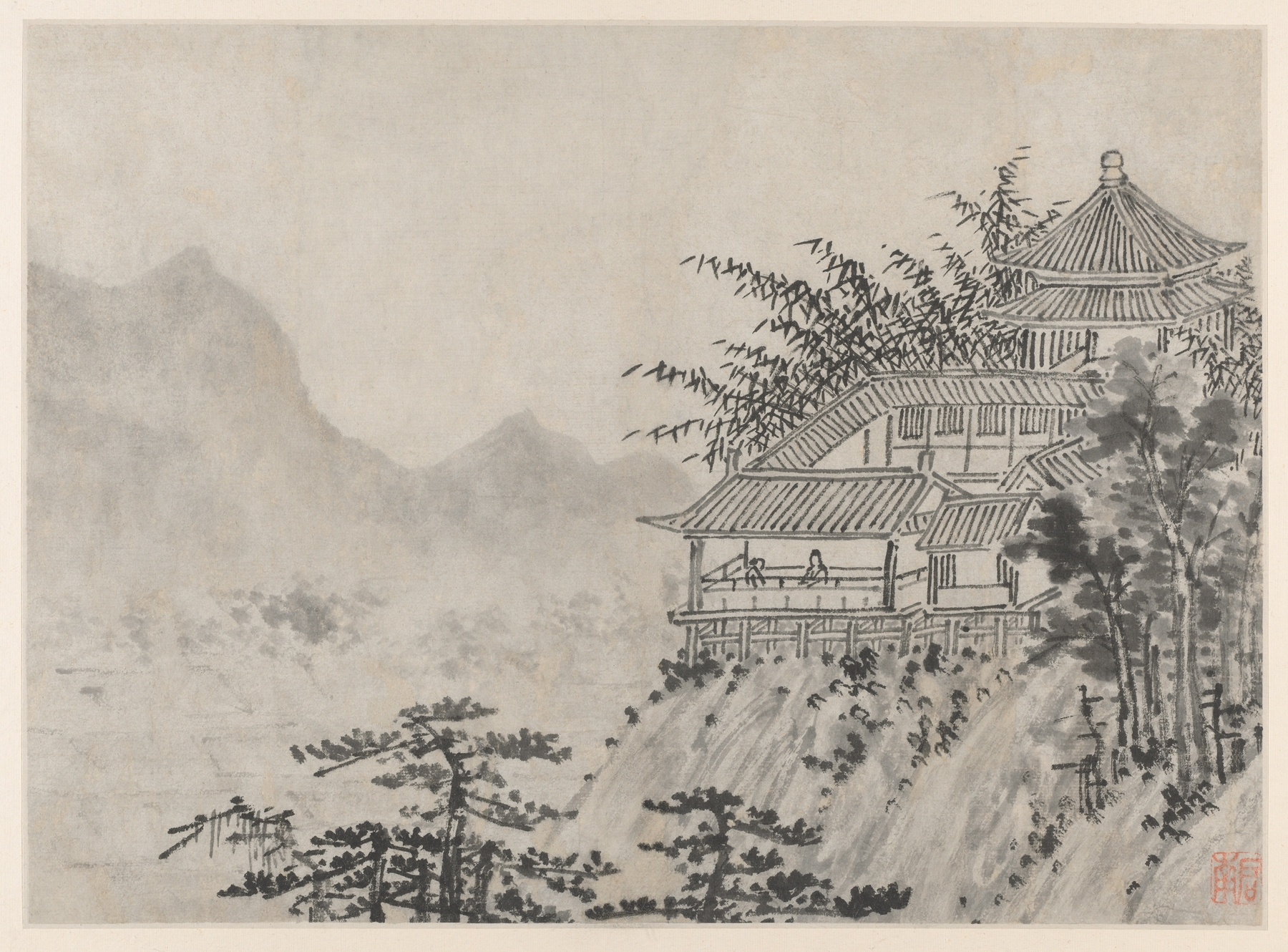
Distant View of Tiger Hill from the Canal Mooring — History & Analysis
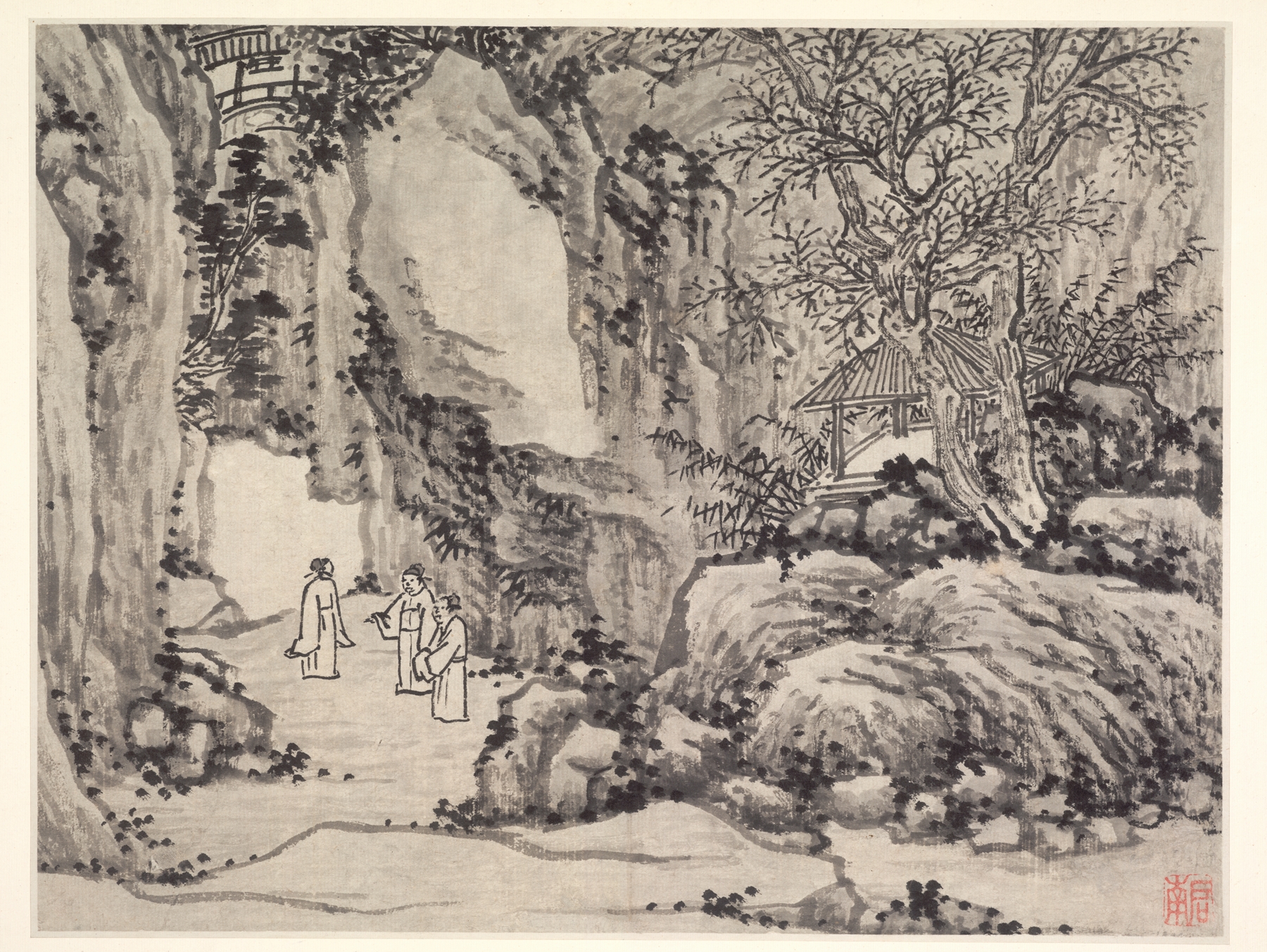
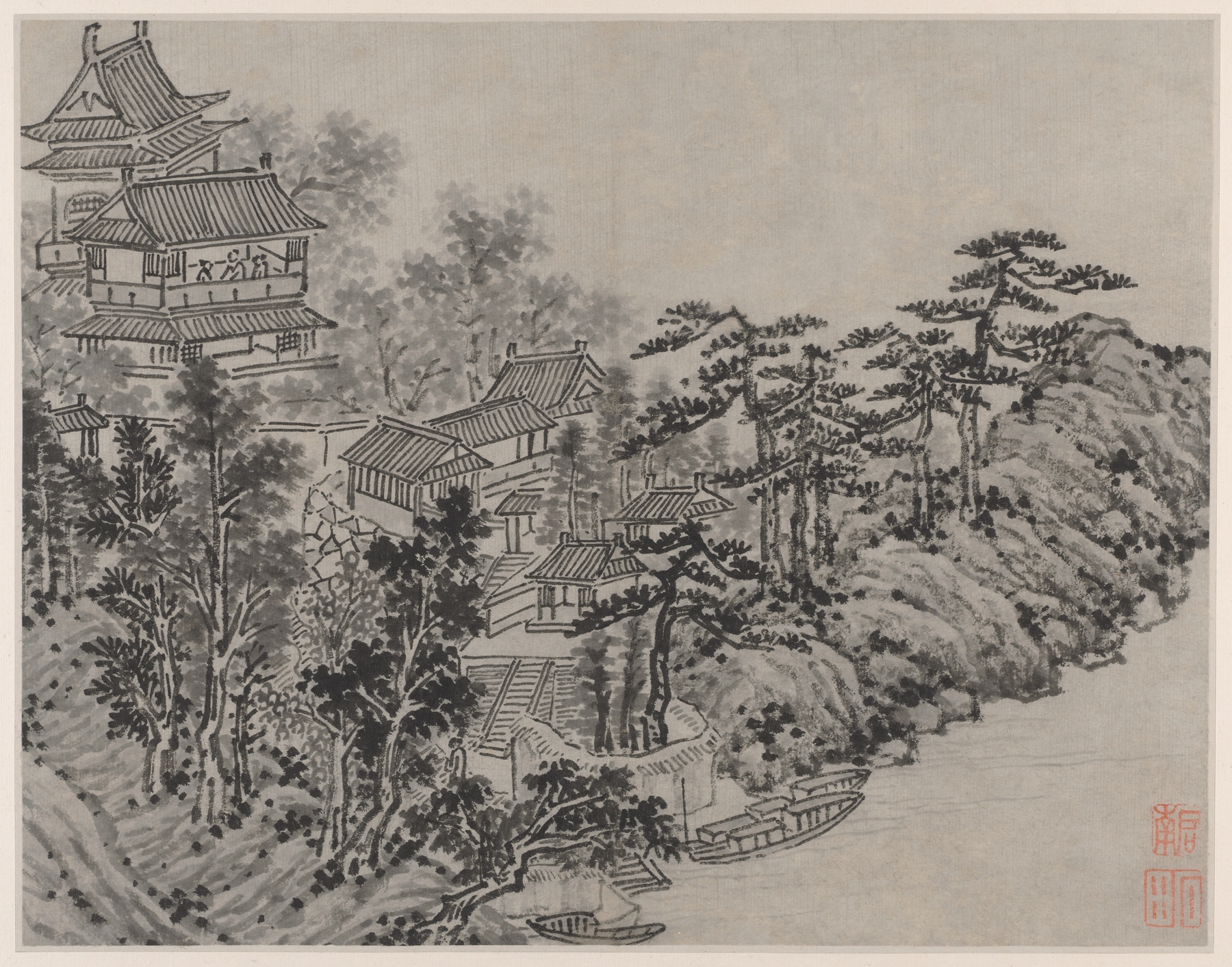
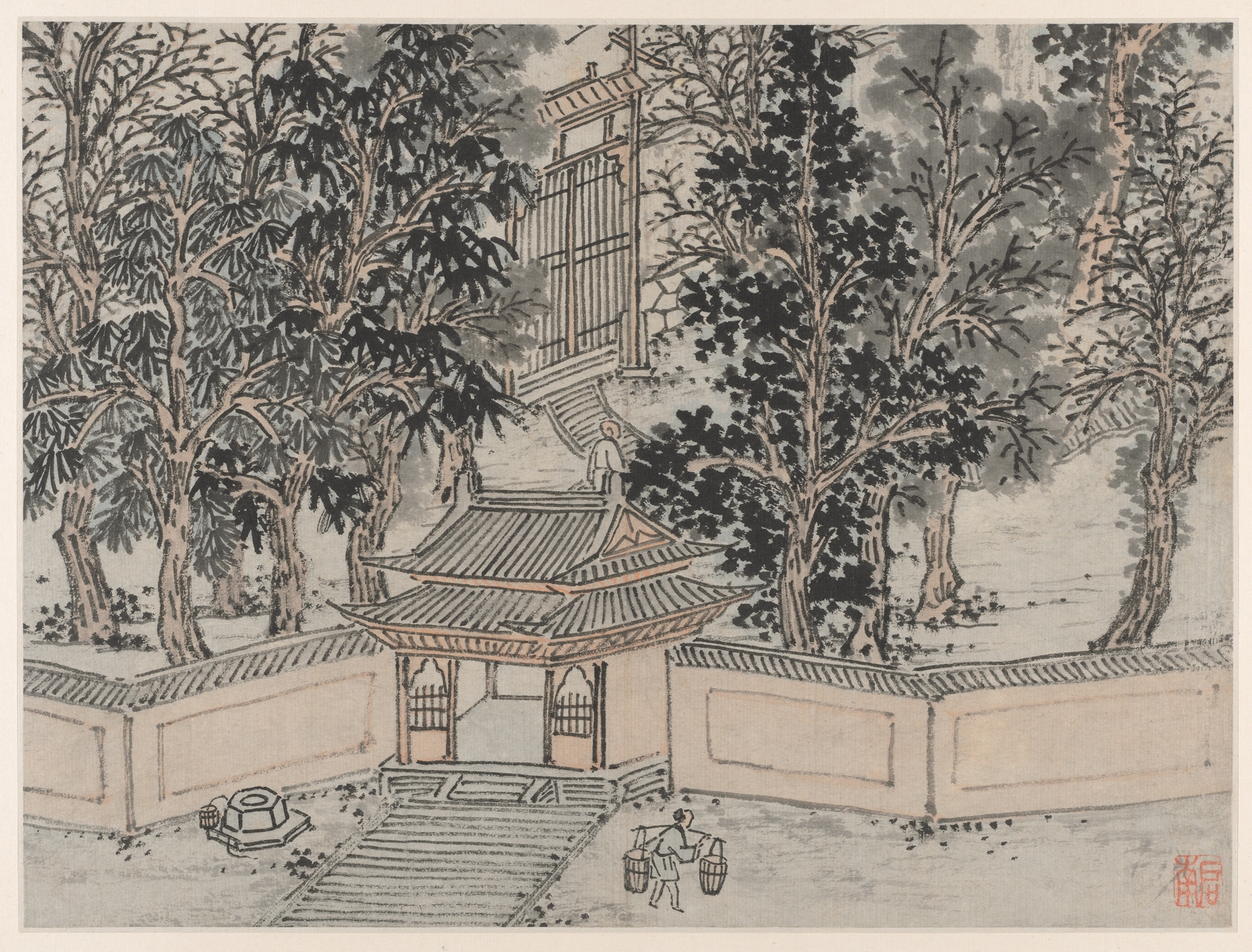
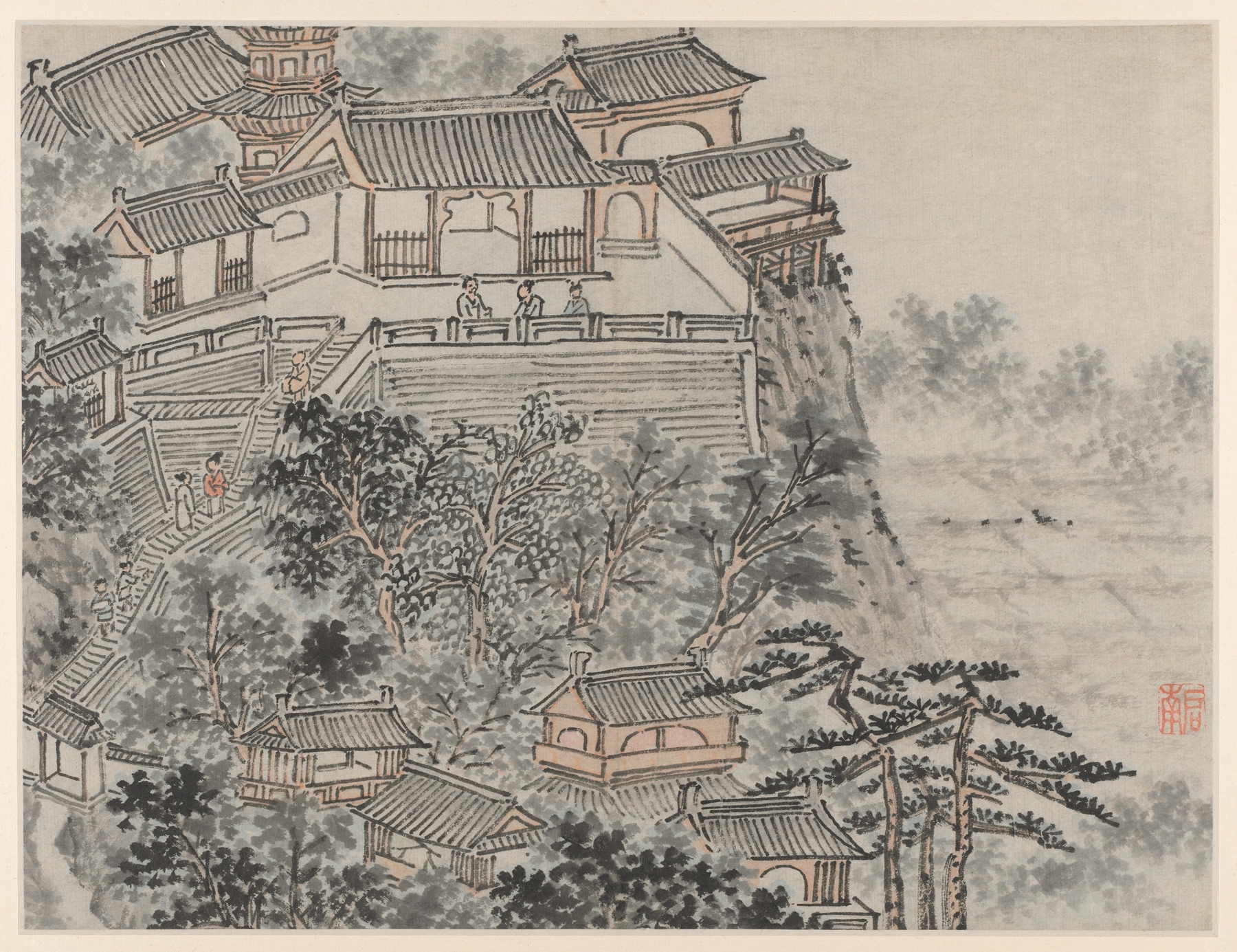
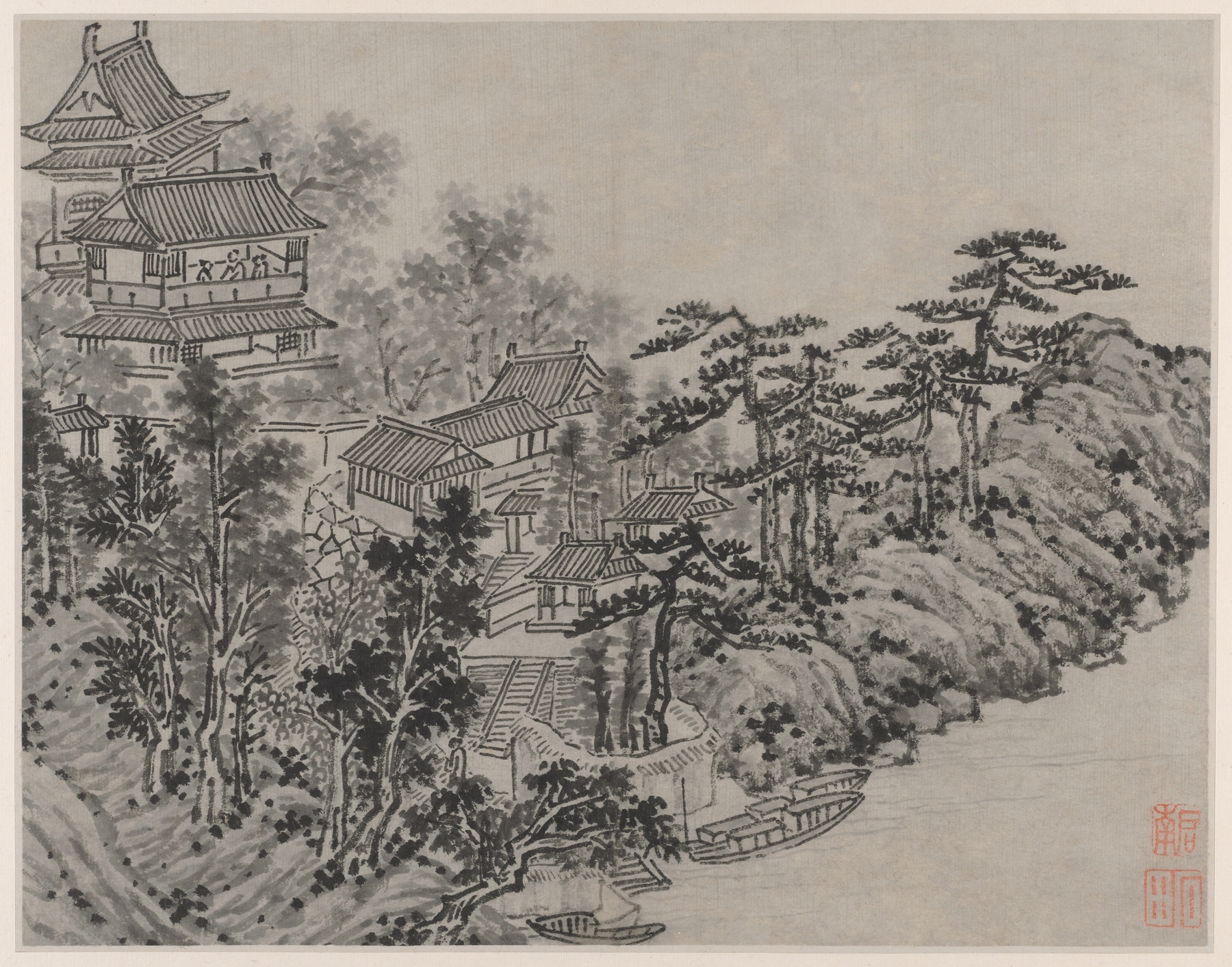
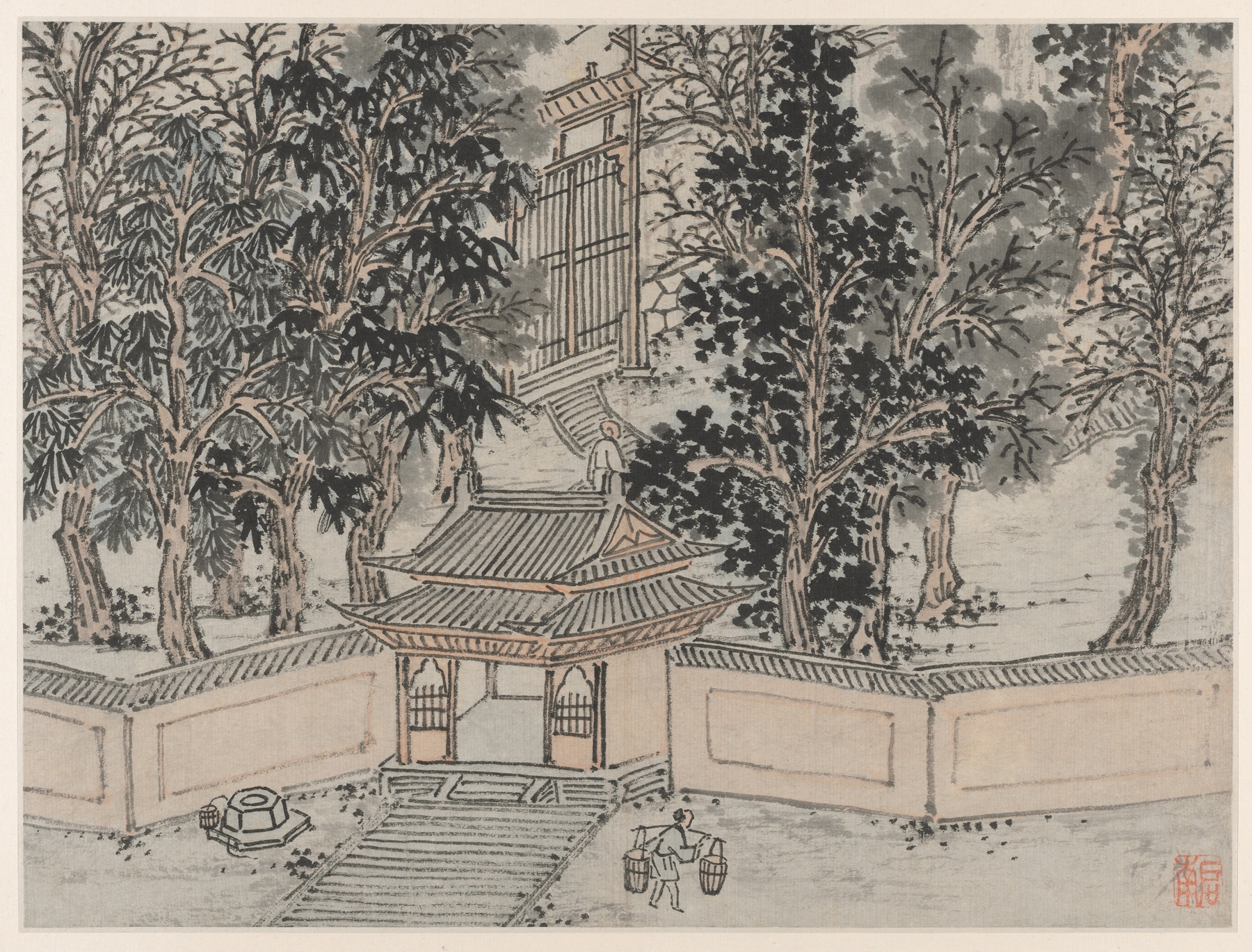
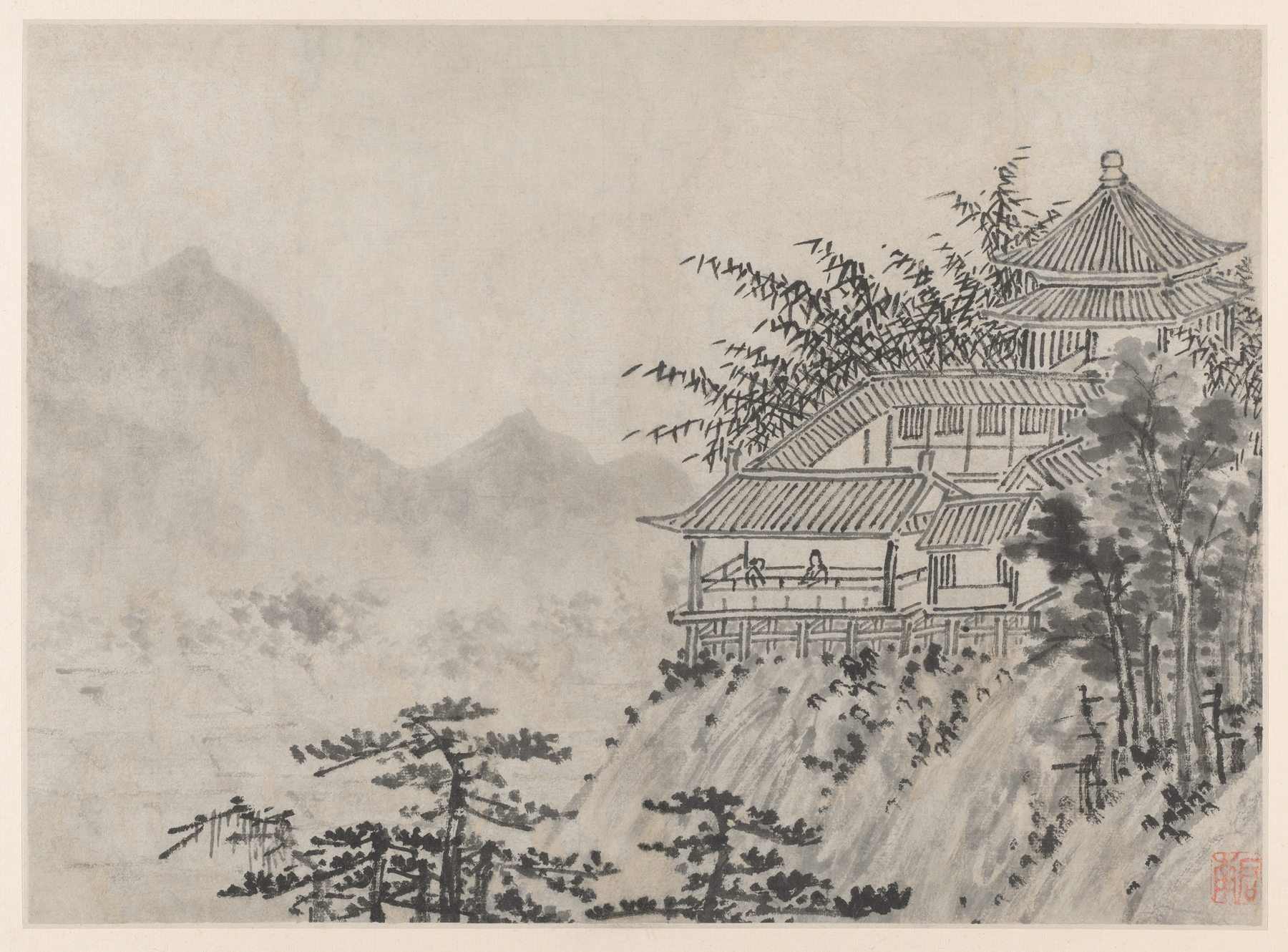
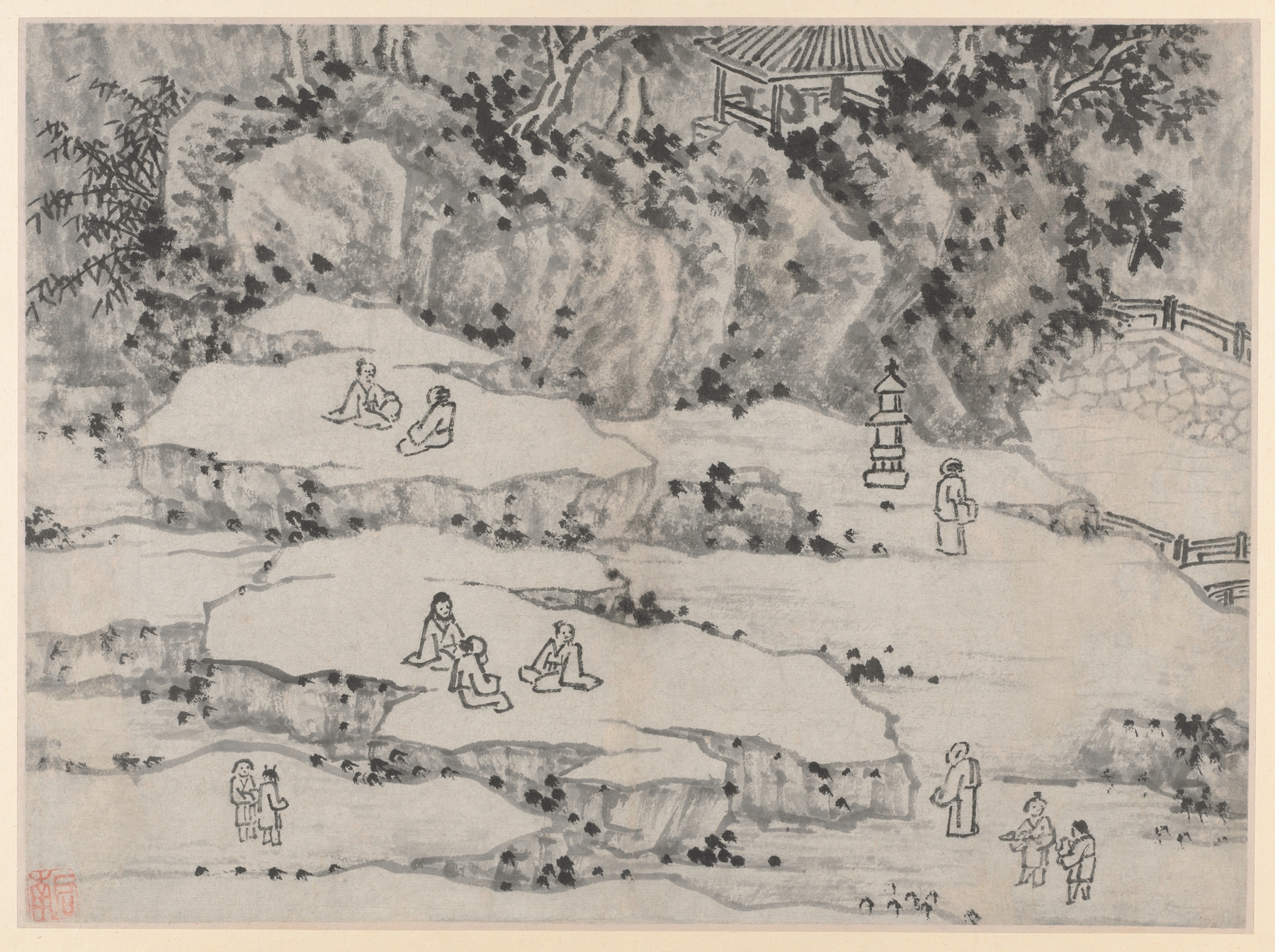
“To paint is to remember what time wants us to forget.” In the gentle embrace of melancholy lies a world poised between memory and solitude, where landscapes whisper secrets of the heart. Look to the left at the delicate brushwork that outlines the distant silhouette of Tiger Hill, its peaks shrouded in mist. The subtle palette of greens and blues captures the tranquil waters of the canal below, reflecting a serene yet haunting atmosphere. Notice how the strokes dance across the canvas, creating a sense of depth that pulls the viewer into an ethereal space suspended in time.
Amidst the calm, there exists an emotional tension, evoking a longing for connection with the natural world. The contrast between the solid, enduring mountains and the ephemeral quality of water suggests both permanence and transience. Each element—the languid flow of the canal, the fragile beauty of the foliage—echoes a deeper meditation on life's fleeting moments, inviting contemplation of what is lost yet forever cherished.
The piece was crafted by Shen Zhou in the late 15th century, a time when the artist resided in China’s Suzhou during the Ming dynasty. This period marked a flourishing of literati painting, where artists sought to blend poetry, painting, and philosophy. As he painted Distant View of Tiger Hill from the Canal Mooring, Shen Zhou was not only expressing a personal vision but also responding to a cultural shift that celebrated the beauty of nature and introspection, reflecting the broader artistic currents of his time.