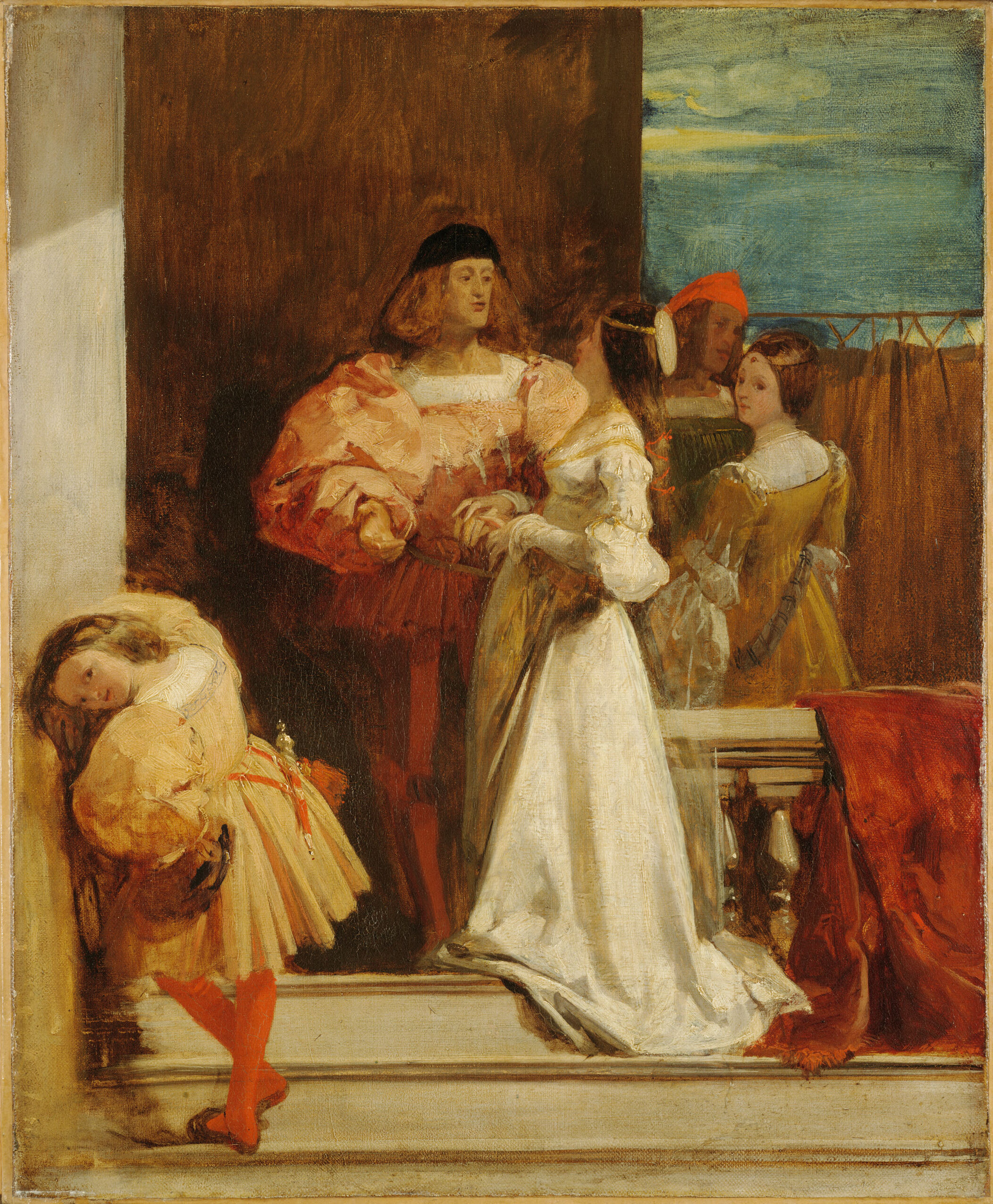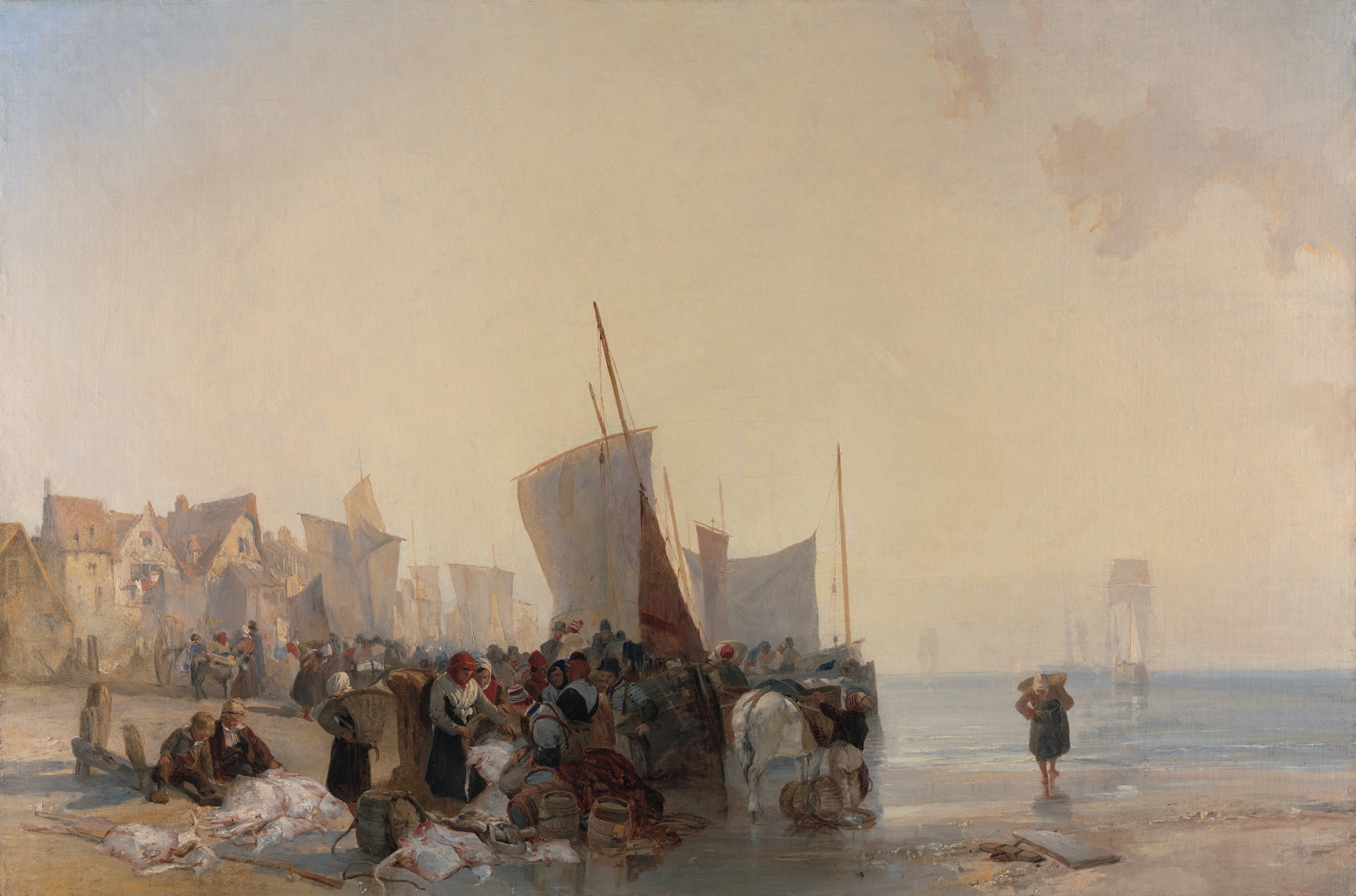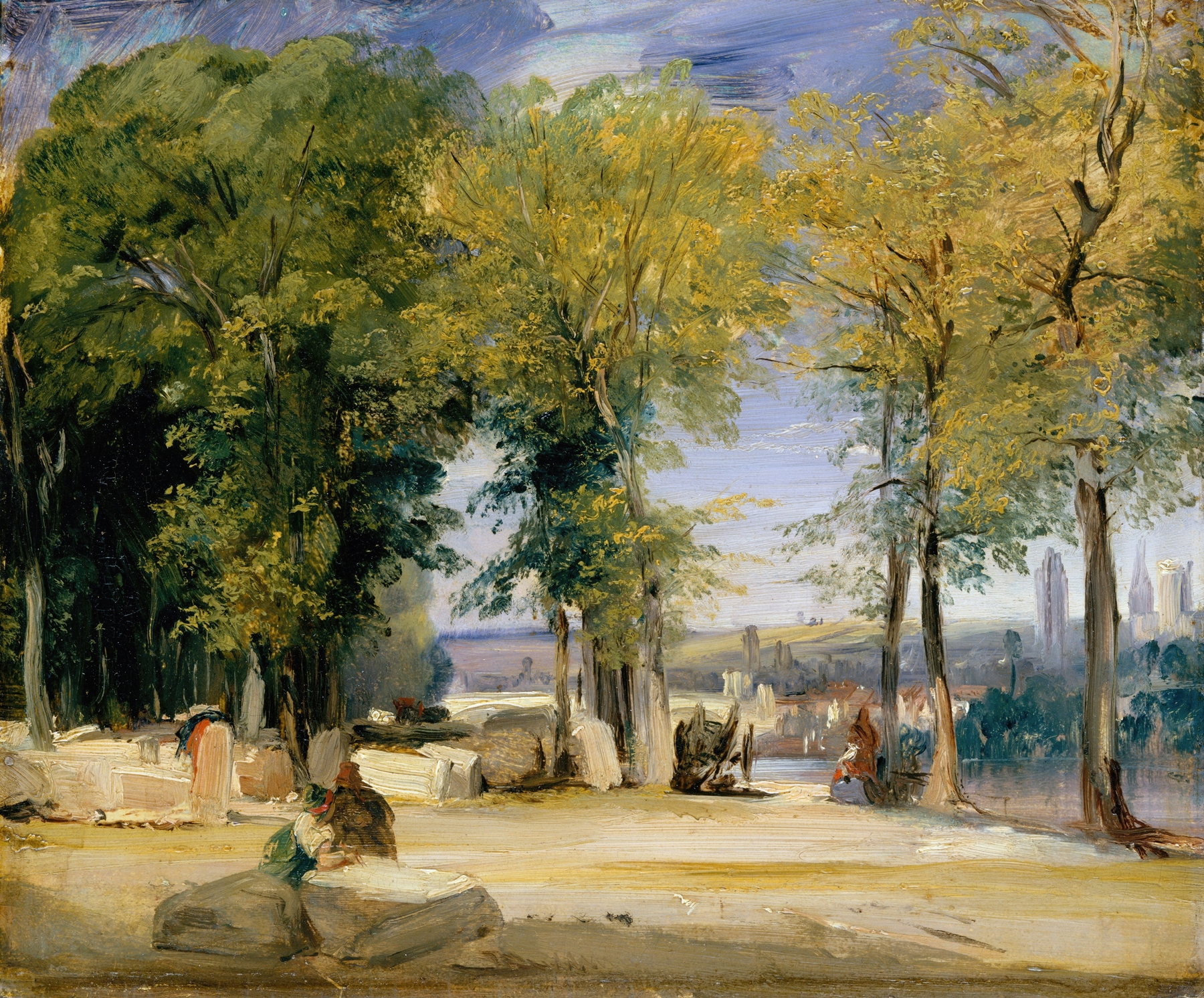
“Under the brush, chaos becomes grace.” In *Don Quixote*, a poignant emptiness lingers, evoking the bittersweet spirit of an unfulfilled dream. The very act of perceiving this painting challenges us to confront our own illusions and the void they often leave behind. Look first at the figure of Don Quixote, centrally placed yet shrouded in muted hues that evoke a sense of melancholy. His gaunt frame, perched atop a weary steed, draws the eye with a mix of nobility and fragility. The background, a blend of soft earth tones, swells and recedes, creating an atmospheric tension that suggests both the breadth of his adventures and the hollowness of his quests. Shadows play delicately across the landscape, as if mirroring the internal conflicts that define the knight’s journey. Within this composition lies a profound juxtaposition: the vibrant aspirations of a fervent dreamer contrasted against the dull palette of haunting reality. Each brushstroke resonates with the weight of unreasoned hope, while the muted colors reflect the isolation inherent in Don Quixote's relentless pursuit. The richness of his imagination stands in stark relief against the emptiness that surrounds him, compelling the viewer to ponder the cost of such lofty ideals. Richard Parkes Bonington created this work around 1825-1826 during a period of personal challenge, experiencing the limitations of his own artistic ambitions amid the burgeoning Romantic movement. Living primarily in France, he was influenced by the vibrant culture of his time, yet his health was declining, marking the twilight of his career. In this context, *Don Quixote* stands as a testament to both his artistic vision and the universal struggle against the void left by unattainable dreams.