Donnybrook Fair — History & Analysis
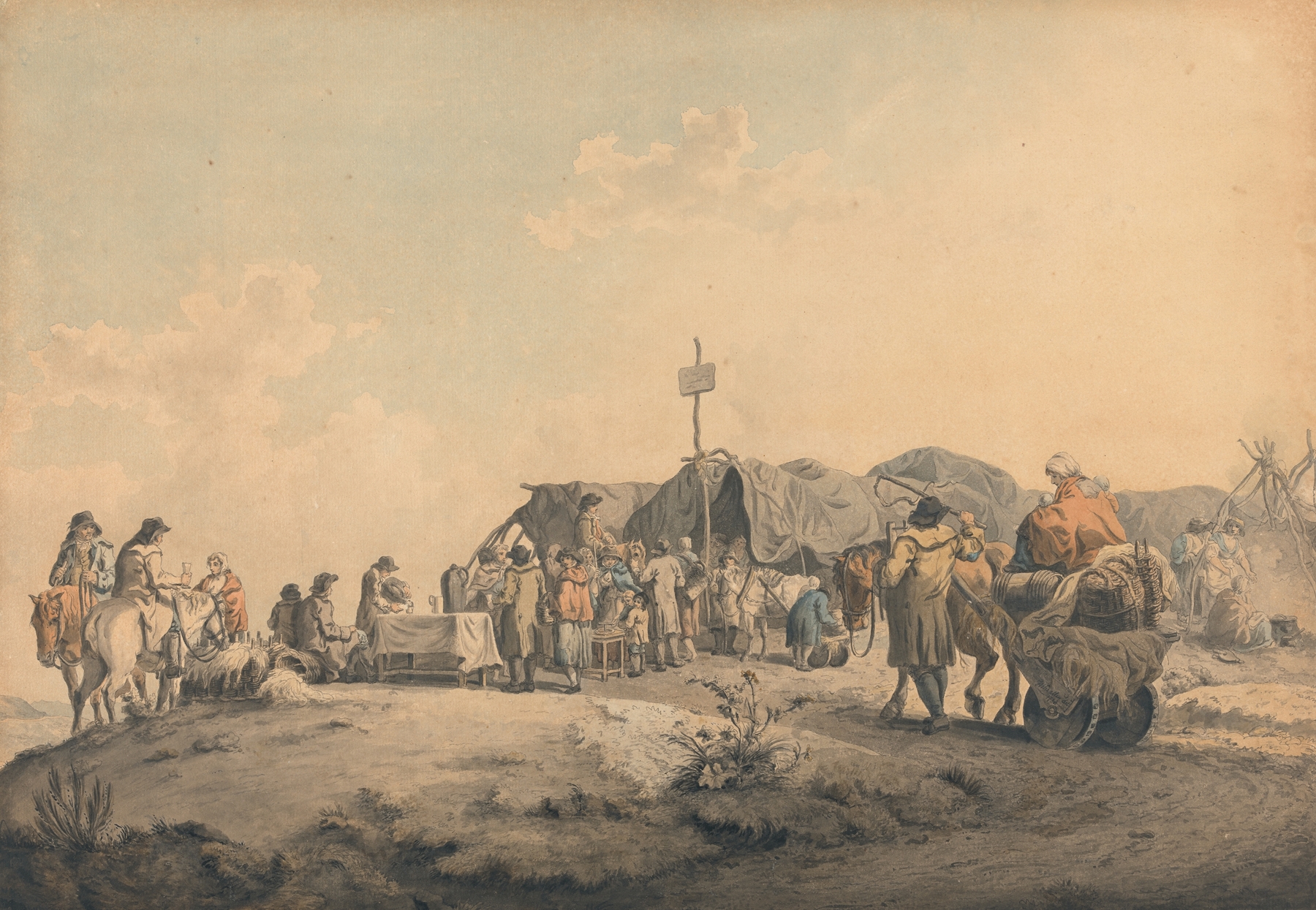
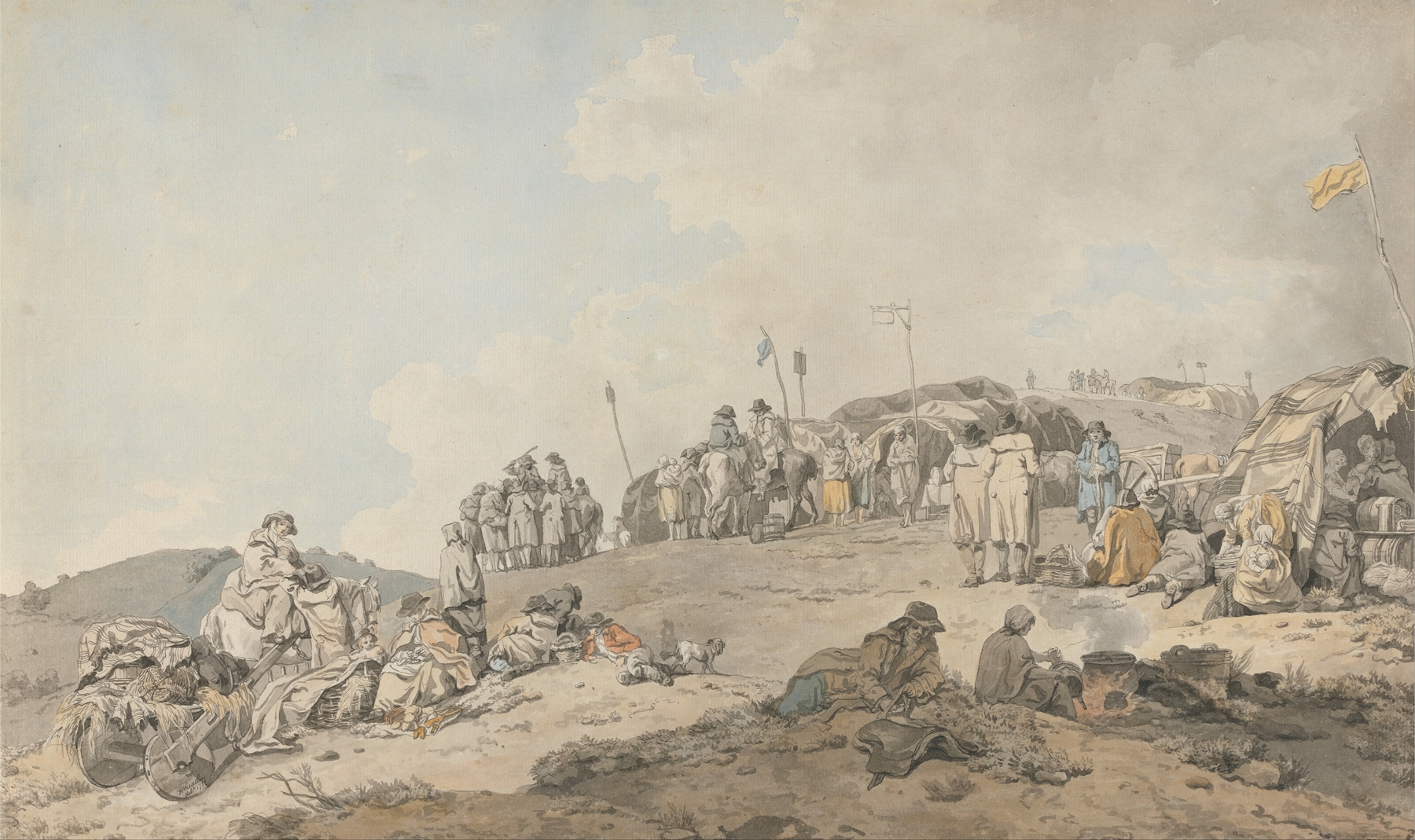
“To paint is to remember what time wants us to forget.” Within the confines of our daily lives, we yearn for moments that transcend time, and in Donnybrook Fair, the essence of that longing is captured in vivid detail. This artwork serves as a portal to a lively celebration, invoking the emotions tied to memory, community, and the fleeting nature of joy. Look to the center where a swirling mass of figures engages in a spirited dance, their lively gestures echoing the energy of the fair. The artist employs warm, earthy hues to create a sense of warmth and familiarity, while lighter shades punctuate the scene, illuminating the laughter and spirited exchange among the crowd. Notice how the vibrant red ribbons sway with the movement, leading our gaze through the jubilant chaos.
The careful placement of each character invites the viewer to feel immersed in the fair's atmosphere, where every face tells a story. Amidst the exuberance, there lies a subtle tension. The exuberance of youth collides with a hint of nostalgia; the joyous laughter is underscored by an underlying awareness of the passage of time. Details, such as the older individuals observing the young revelers, serve as a poignant reminder of fleeting moments and the inevitable march of time.
Through these contrasts, the artwork captures the duality of celebration and reflection, urging viewers to acknowledge both the joy of the present and the bittersweet nature of remembrance. In 1782, Francis Wheatley created Donnybrook Fair in a period marked by both civic celebration and social change in England. As a prominent figure within the burgeoning genre of British genre painting, Wheatley sought to depict the vibrancy of everyday life. During this time, the fair served as a mirror of society, reflecting both the joy of communal festivities and the emerging complexities of modernity, marking a pivotal moment in the history of art.