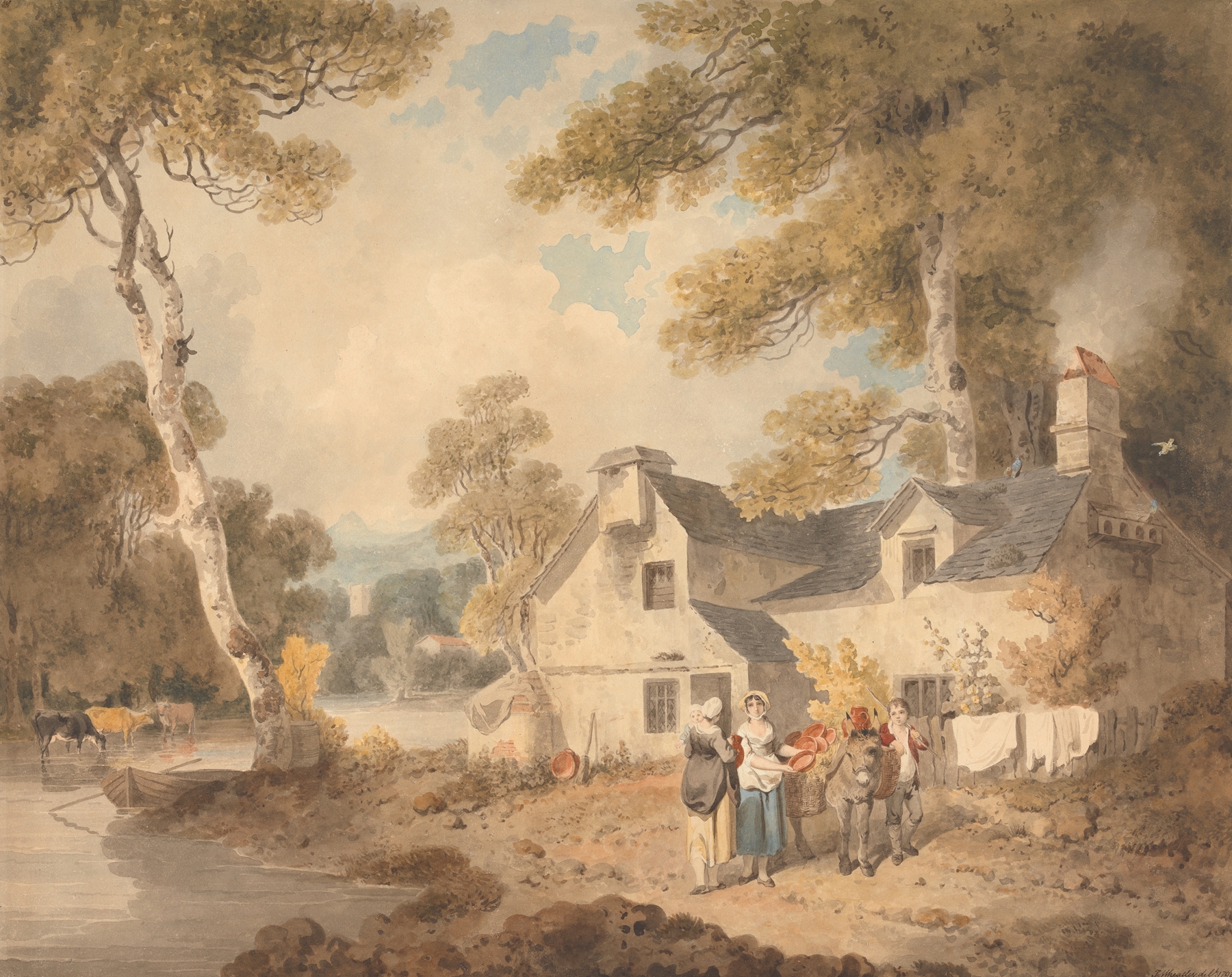
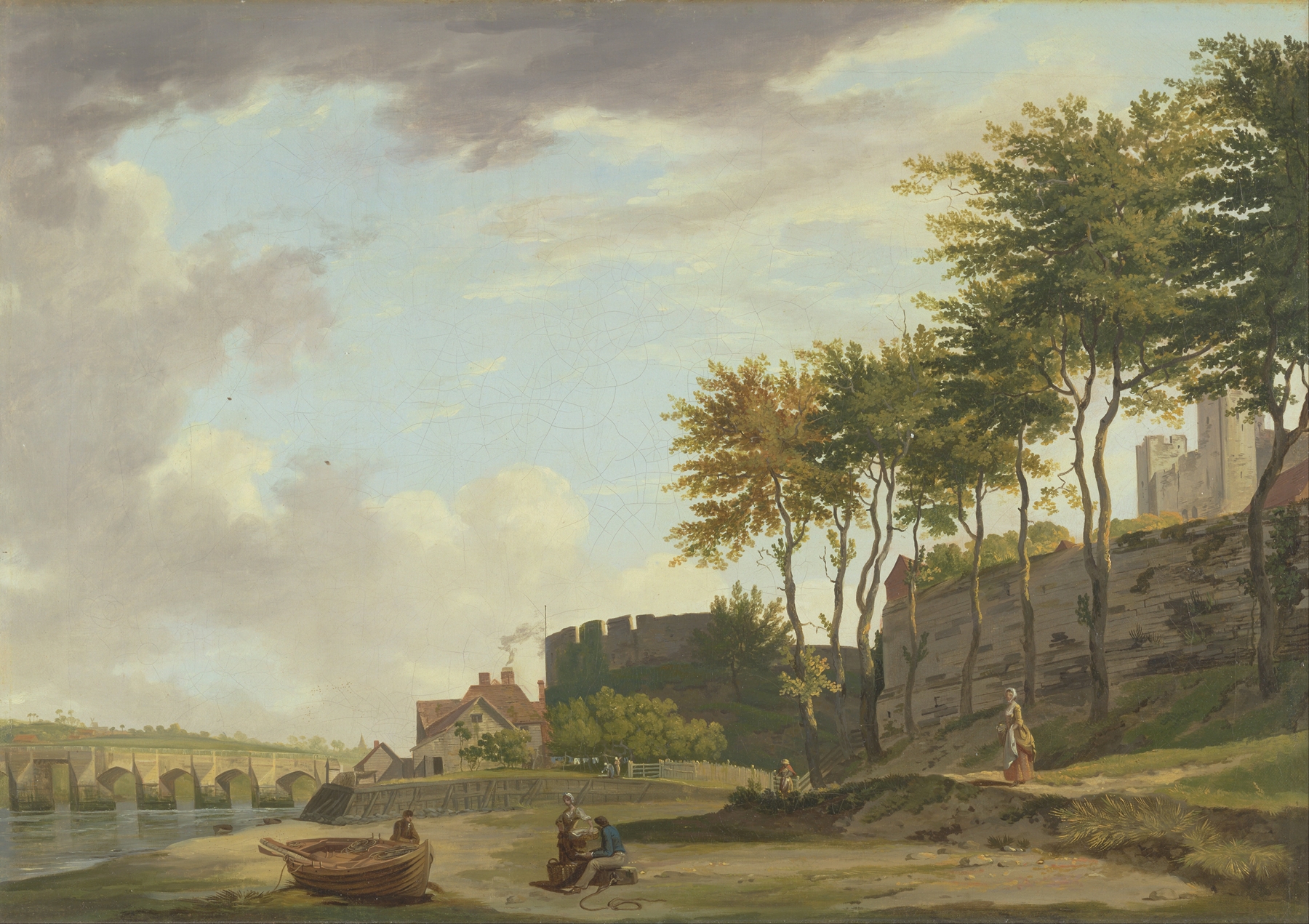
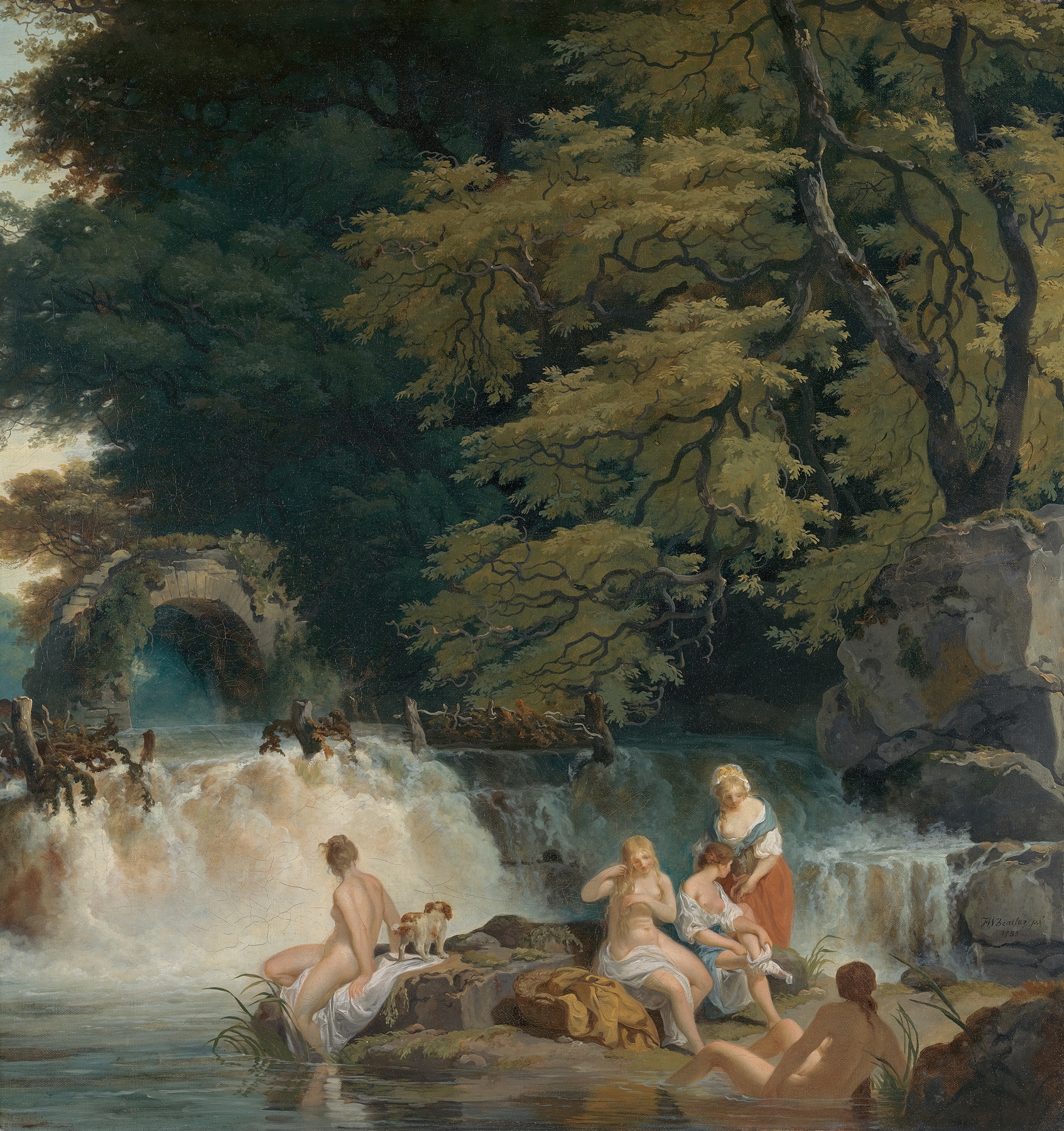
Country Scene; Figures by a Cottage Door and Cattle in a Stream — History & Analysis
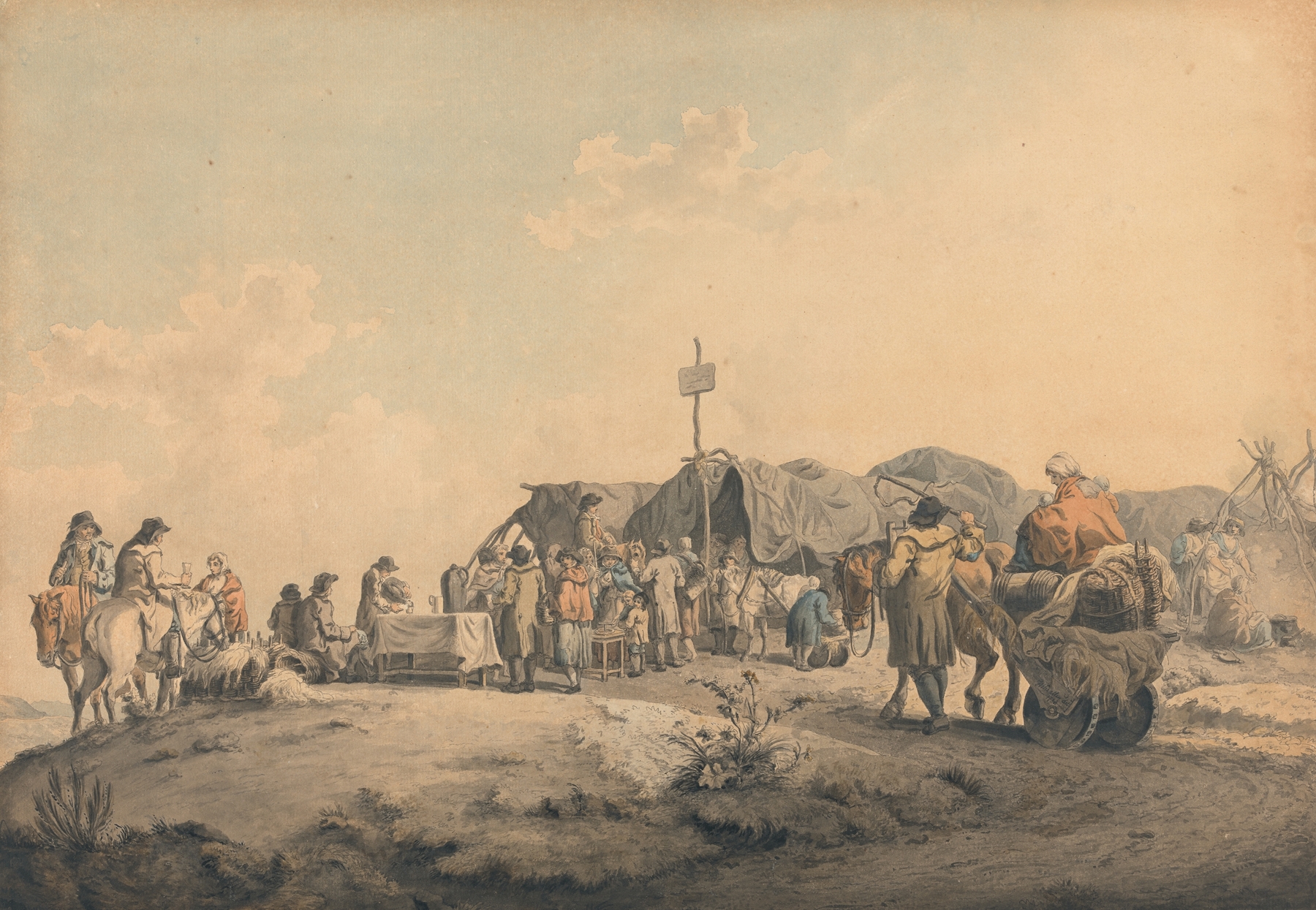
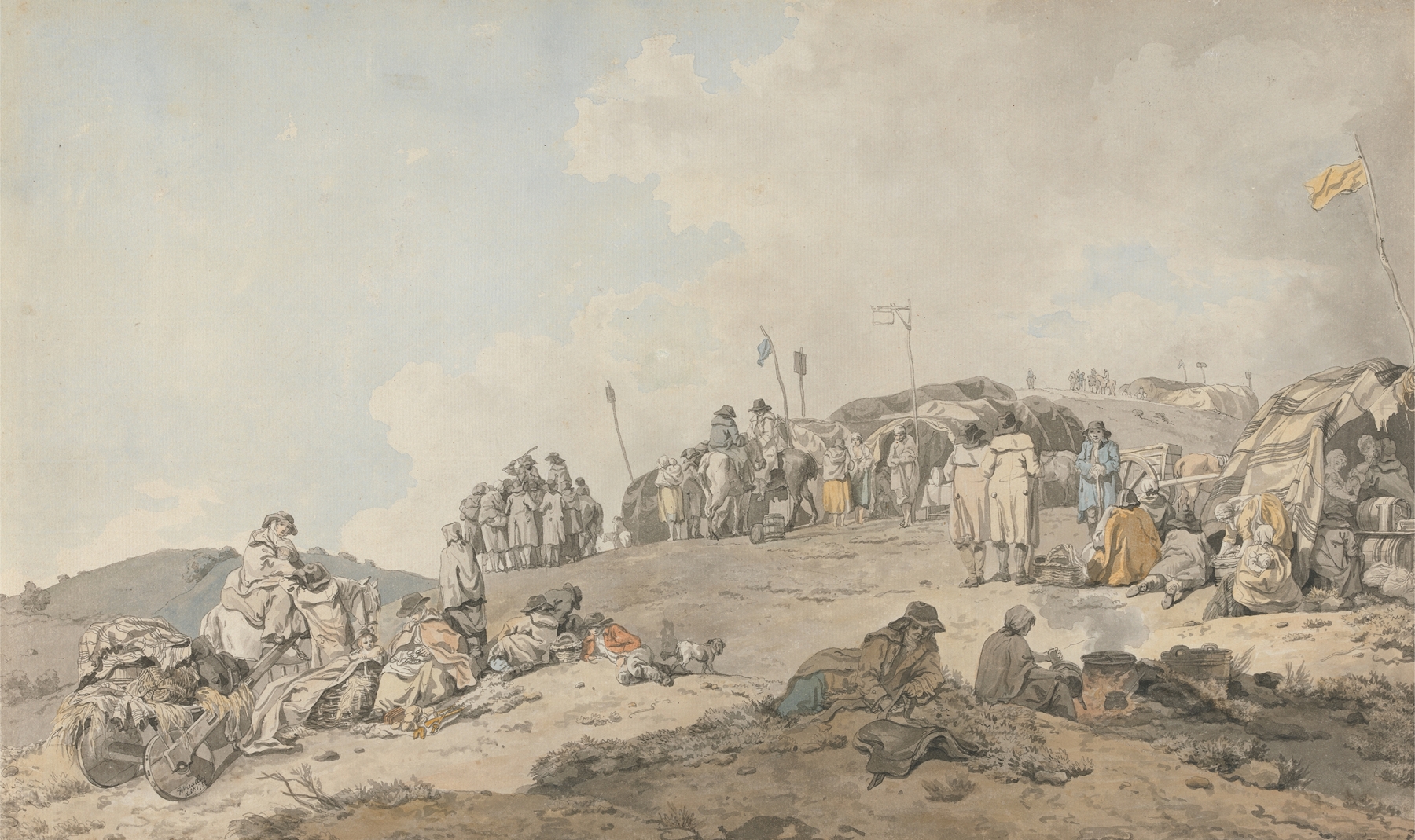
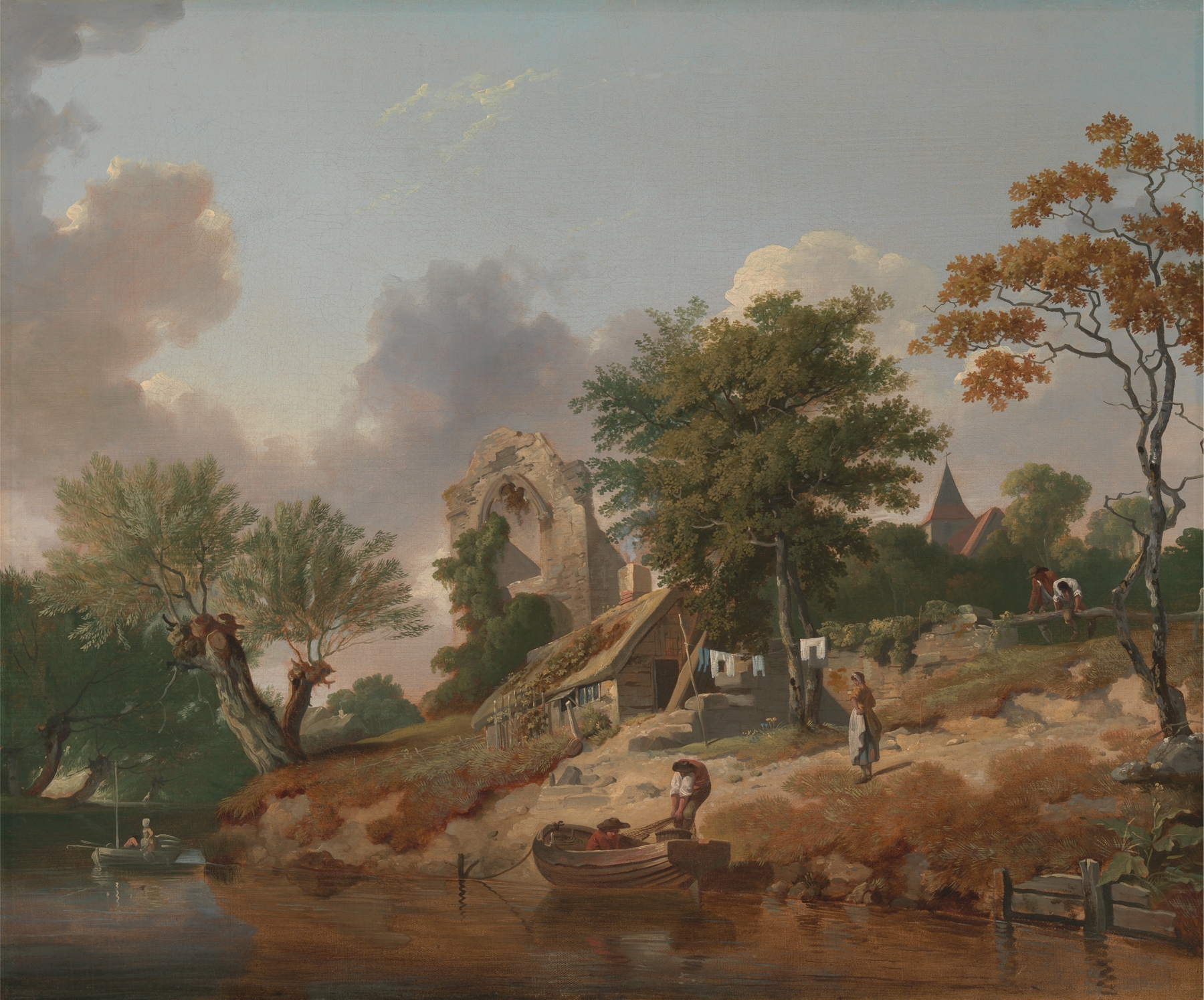
“To paint is to remember what time wants us to forget.” In capturing the fragility of rural life, art preserves fleeting moments that time relentlessly erodes. Look to the left at the gentle slope of the cottage roof, its weathered texture a testament to years of exposure. The warm earth tones blend into the lush greens of the surrounding landscape, guiding the viewer's gaze toward the figures standing at the door. Attention shifts to their relaxed postures and muted clothing, which contrast with the vibrant cattle splashing in the stream nearby, creating a harmonious balance between human and nature.
The soft, dappled light dances across the scene, illuminating the tranquil interaction between the people and their environment, as though inviting us to step into their world. Beneath the surface, the painting speaks to the tension between simplicity and the passage of time. The leisurely pose of the figures suggests a moment of respite, yet their gaze towards the stream suggests an awareness of life’s transience. The cattle, seemingly at ease, symbolize both the sustenance and vulnerability of rural existence, embodying the fragility of a pastoral life at the mercy of the elements.
Each detail, from the rippling water to the subtle expressions on the figures' faces, encapsulates a delicate balance between serenity and the impending reality of change. In 1795, the artist created this work during a period of social upheaval and transformation in England. Wheatley was known for his depictions of everyday life, and this painting reflects a nostalgic view of the countryside amidst the rapid industrialization taking place. At this time, as urban spaces expanded and traditional rural lifestyles faced challenges, his artwork served as a reminder of the beauty and transience of simpler times.