The Medway at Rochester — History & Analysis
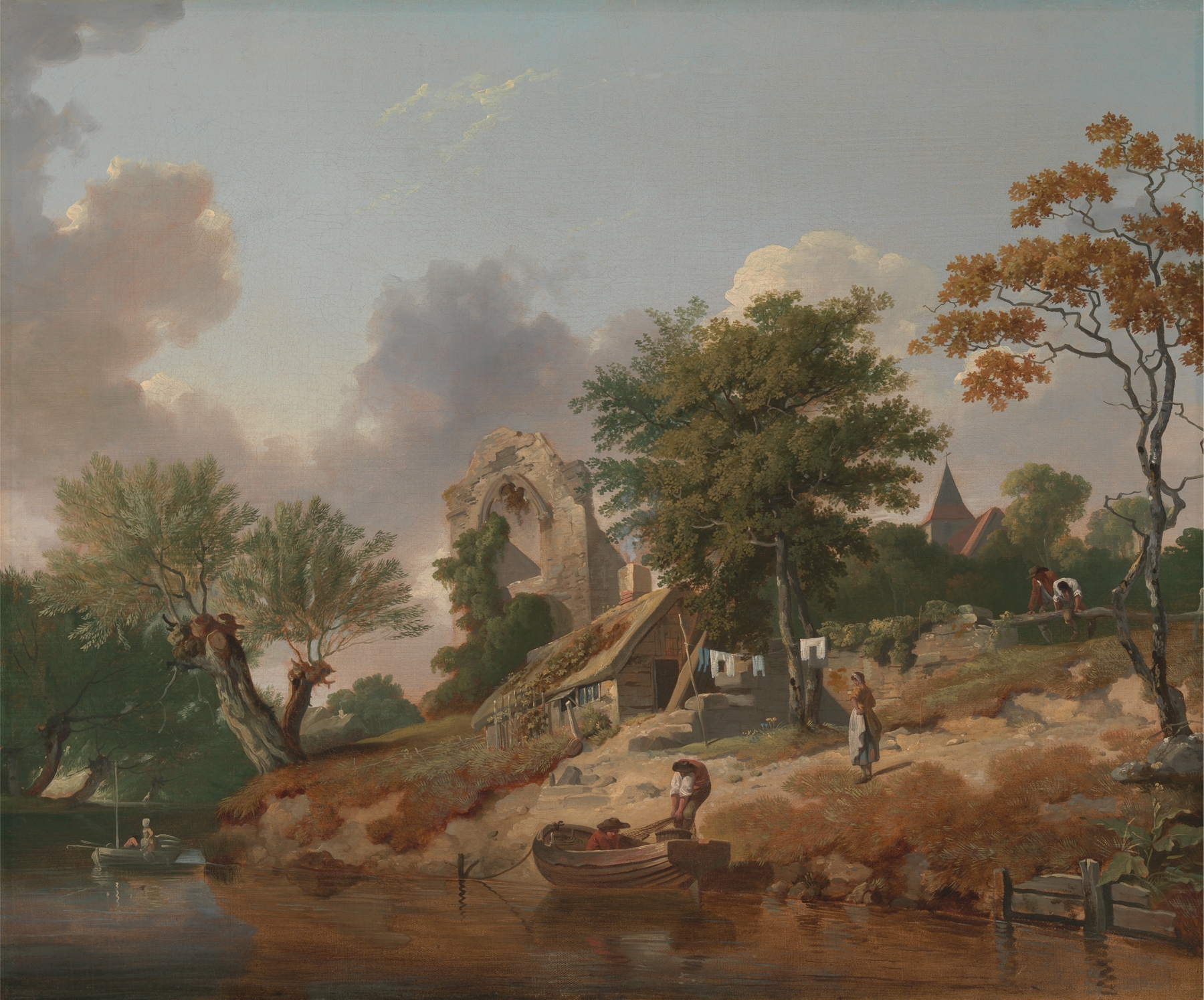
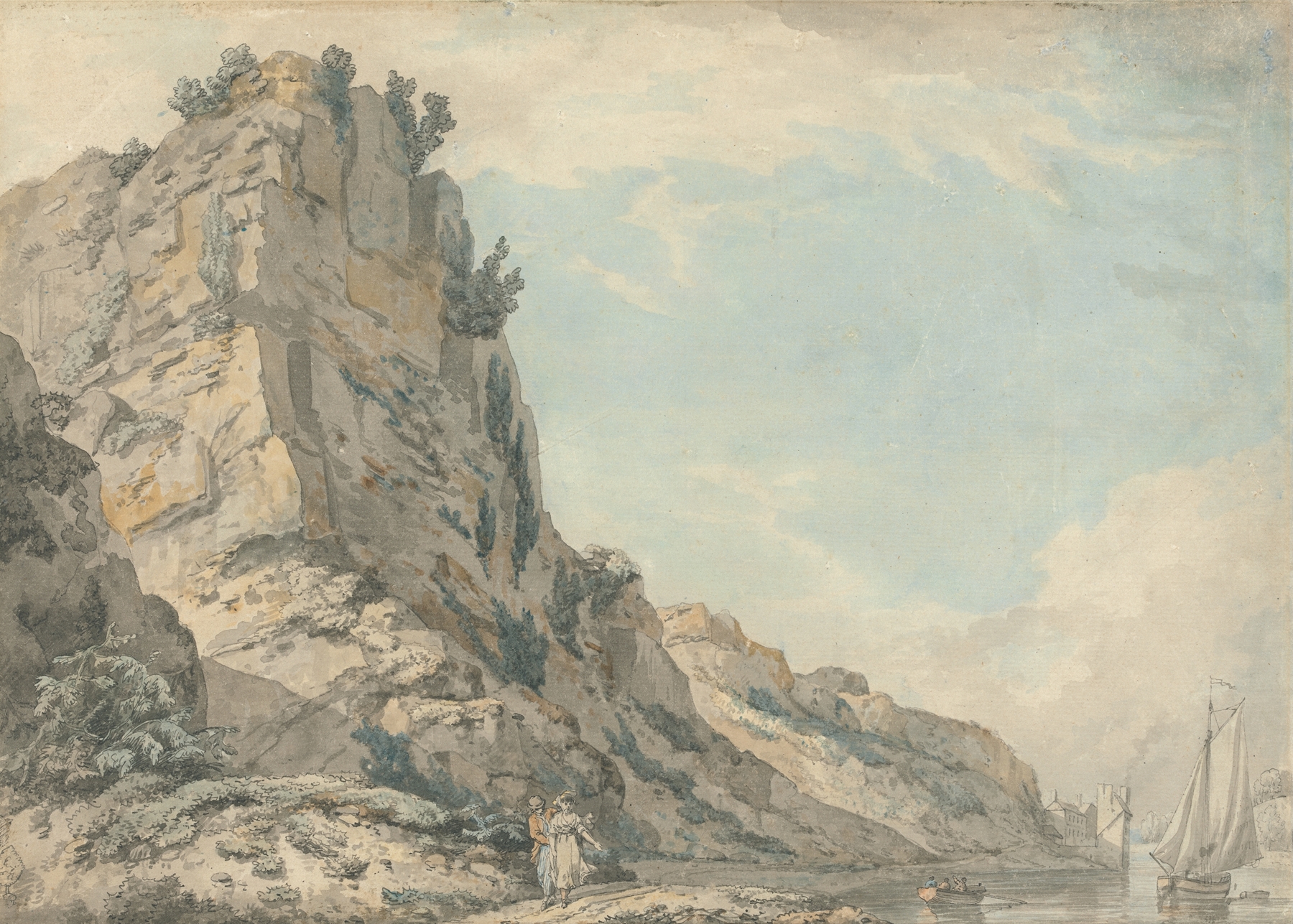
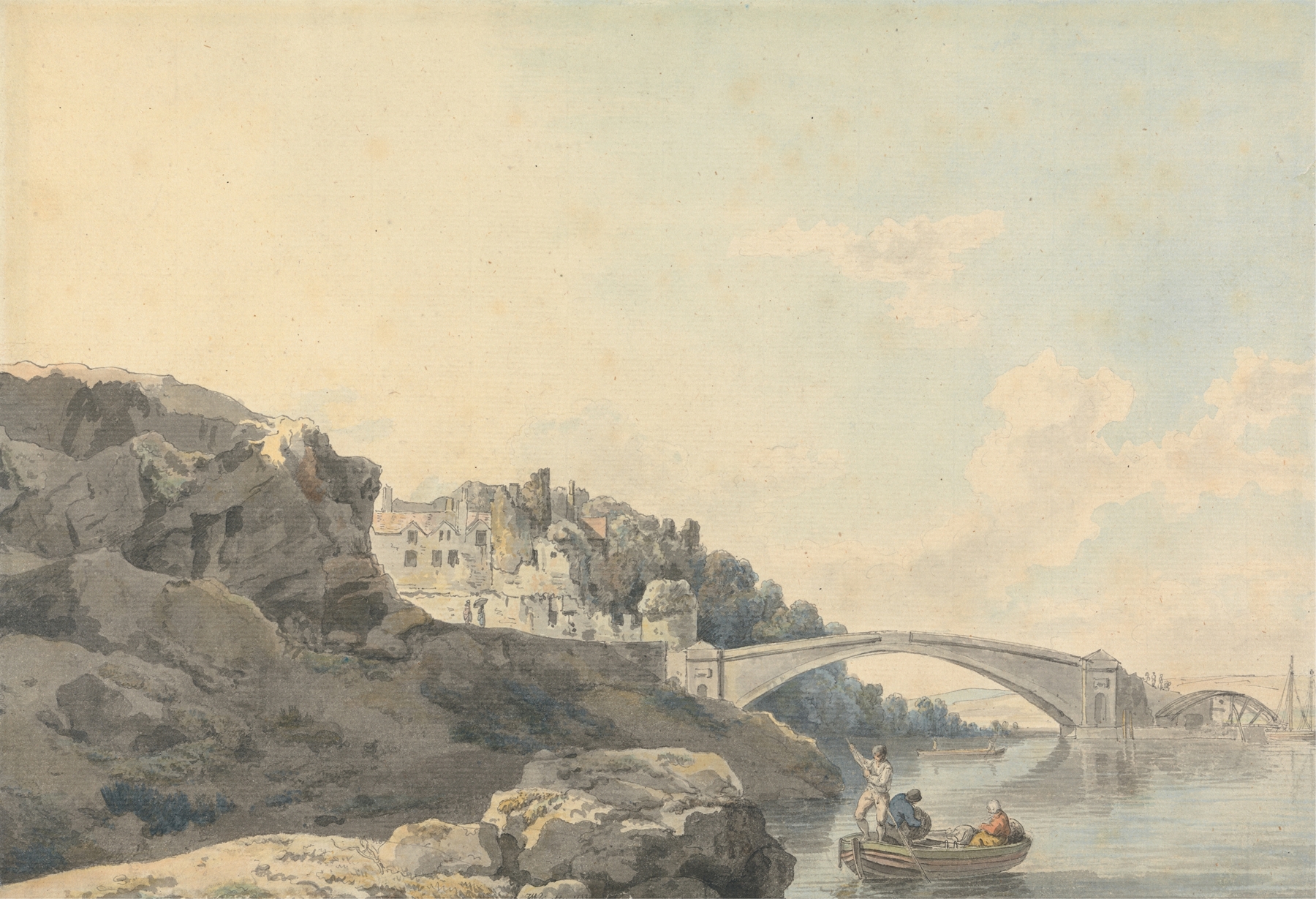
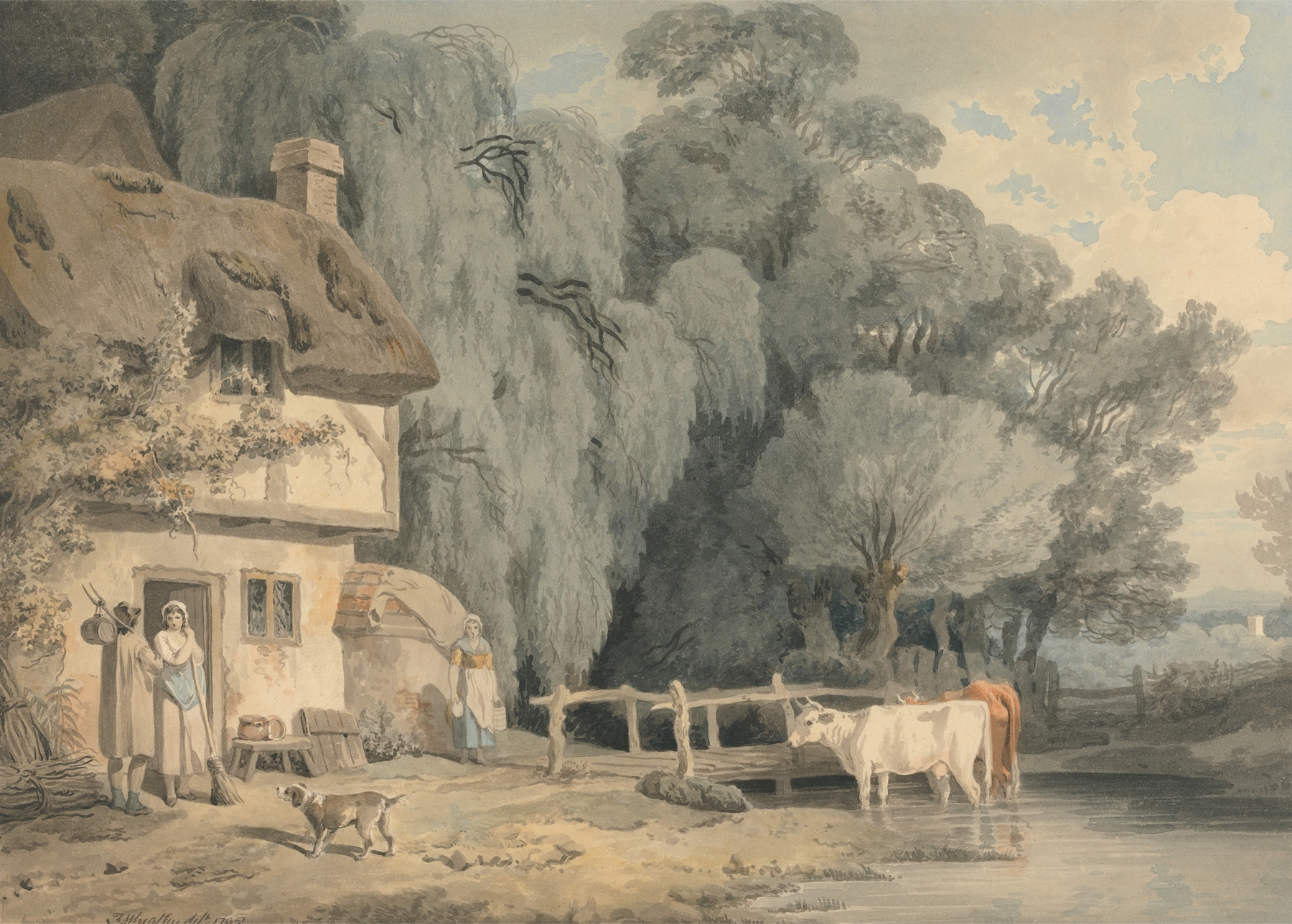
Could a single brushstroke hold eternity? In The Medway at Rochester, silence reigns over the tranquil waters, inviting introspection and contemplation. Look to the foreground, where the gentle curves of the river's edge beckon your gaze. Notice how the stillness of the water mirrors the soft hues of the sky, casting a serene glow that interplays with the subtle greens of the riverside foliage. The delicate brushstrokes weave a tapestry of color and light, creating an almost ethereal quality that emphasizes the natural beauty of the landscape.
This is a moment suspended in time, where the viewer is drawn into the quietude of the scene. Yet beneath this calm exterior lies a rich tapestry of emotional tension. The distant figures along the riverbank hint at a life lived in harmony with nature, yet their smallness against the vastness of the landscape evokes feelings of solitude. The juxtaposition of the vibrant colors against the muted tones suggests a world brimming with potential, yet untouched by the chaos of human existence.
Each stroke seems to whisper the unspoken stories of those who have walked this path, reinforcing the theme of silence that permeates the painting. During the late 18th century, when this piece was likely created, Francis Wheatley was immersed in the flourishing art scene of London, reflecting the Romantic interest in nature and landscape. This period marked a shift toward the appreciation of the sublime in art, as artists sought to capture not only the beauty of the natural world but also its capacity for profound introspection. Wheatley’s focus on the Medway River stands as a testament to the era's romantic ideals, revealing a moment where tranquility meets the vast potential of the human experience.