Traveling Potter Outside a Cottage — History & Analysis
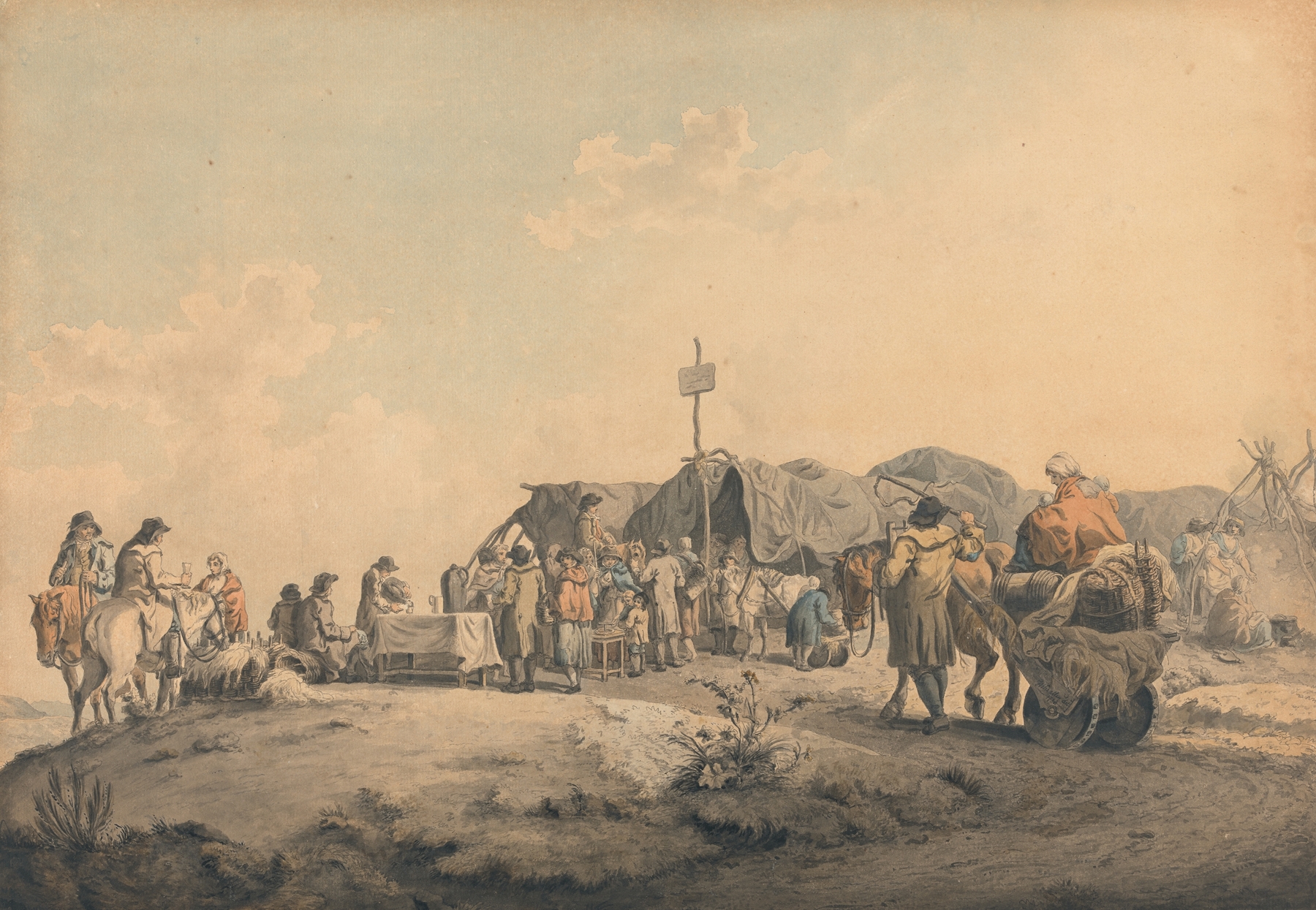
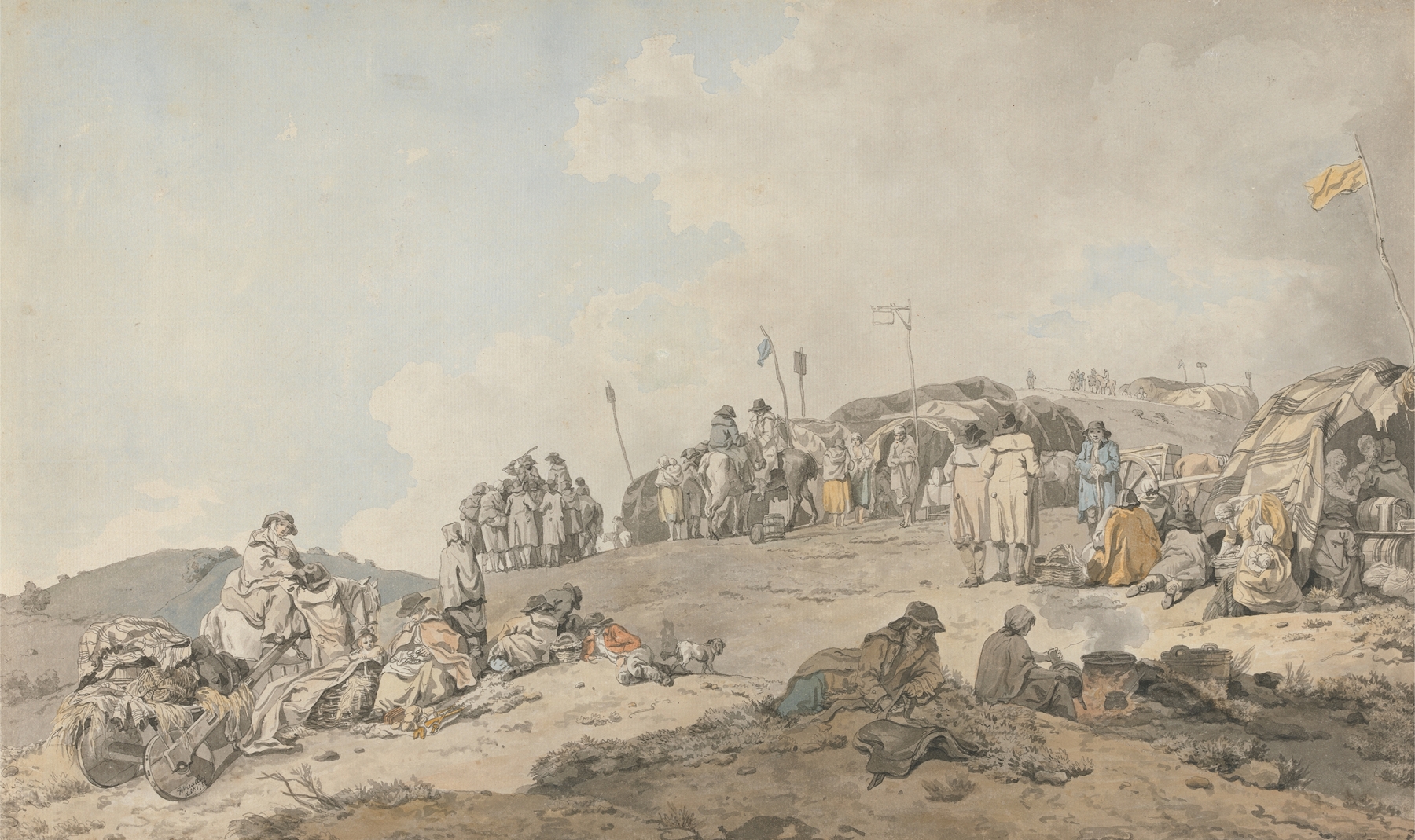
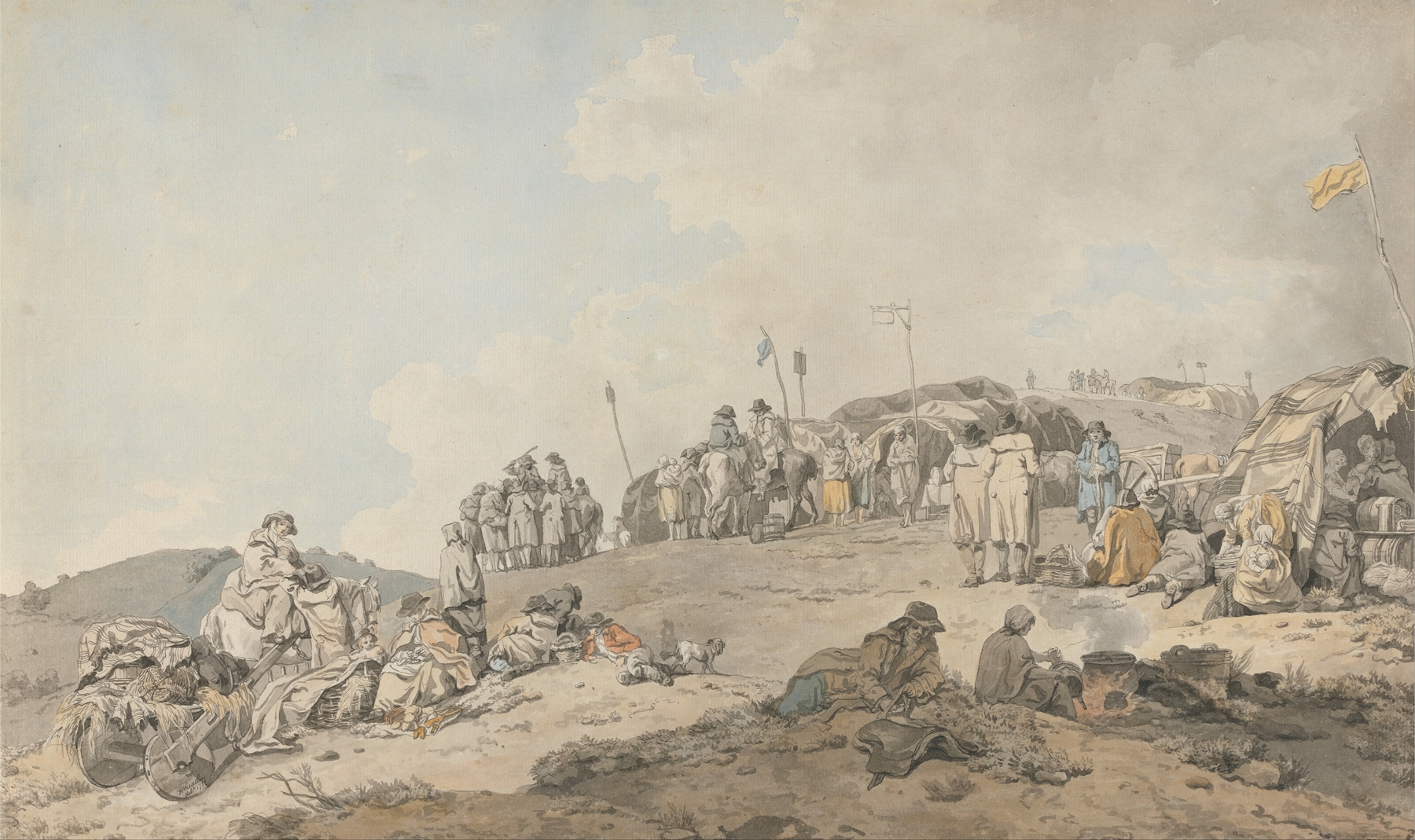
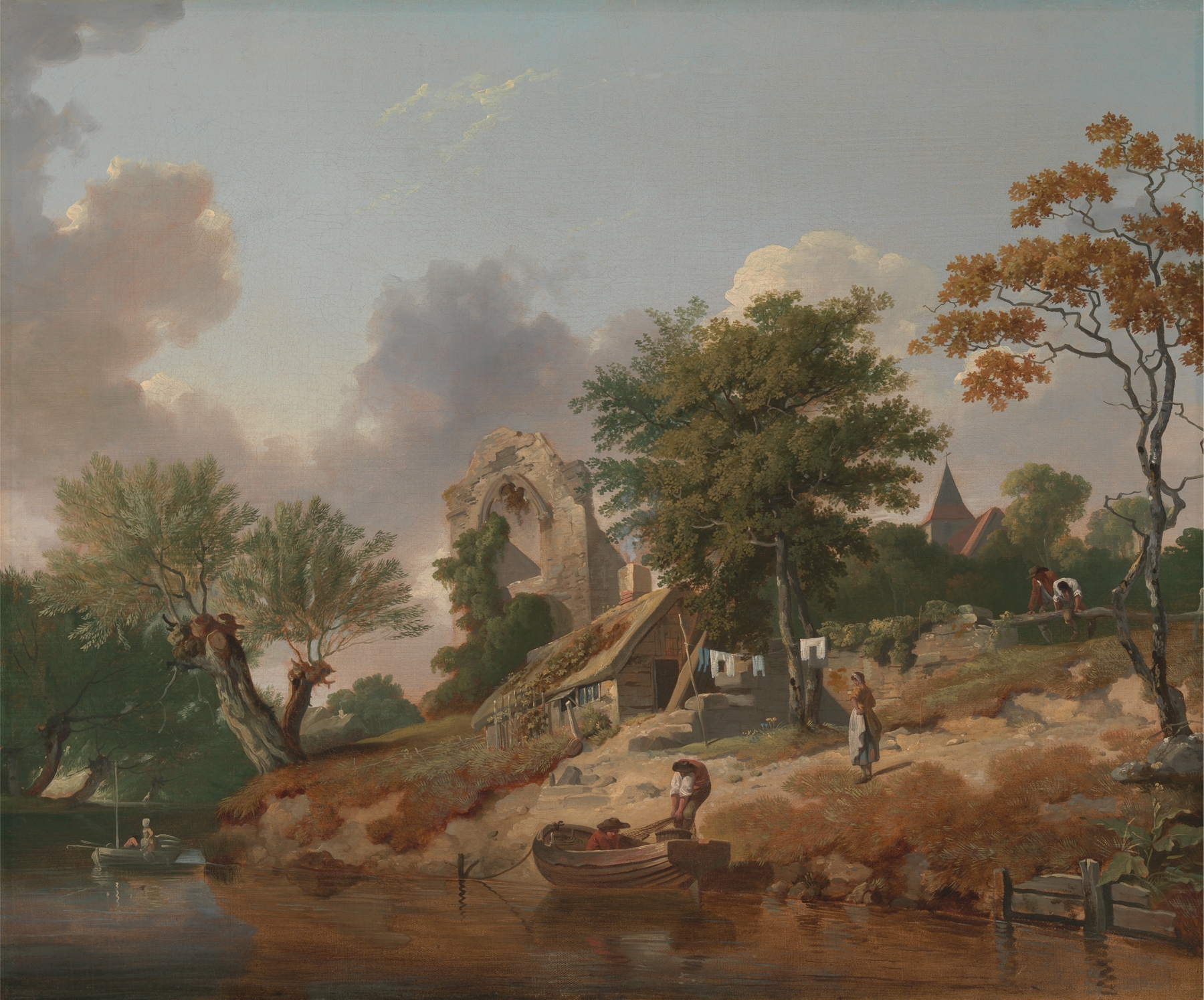
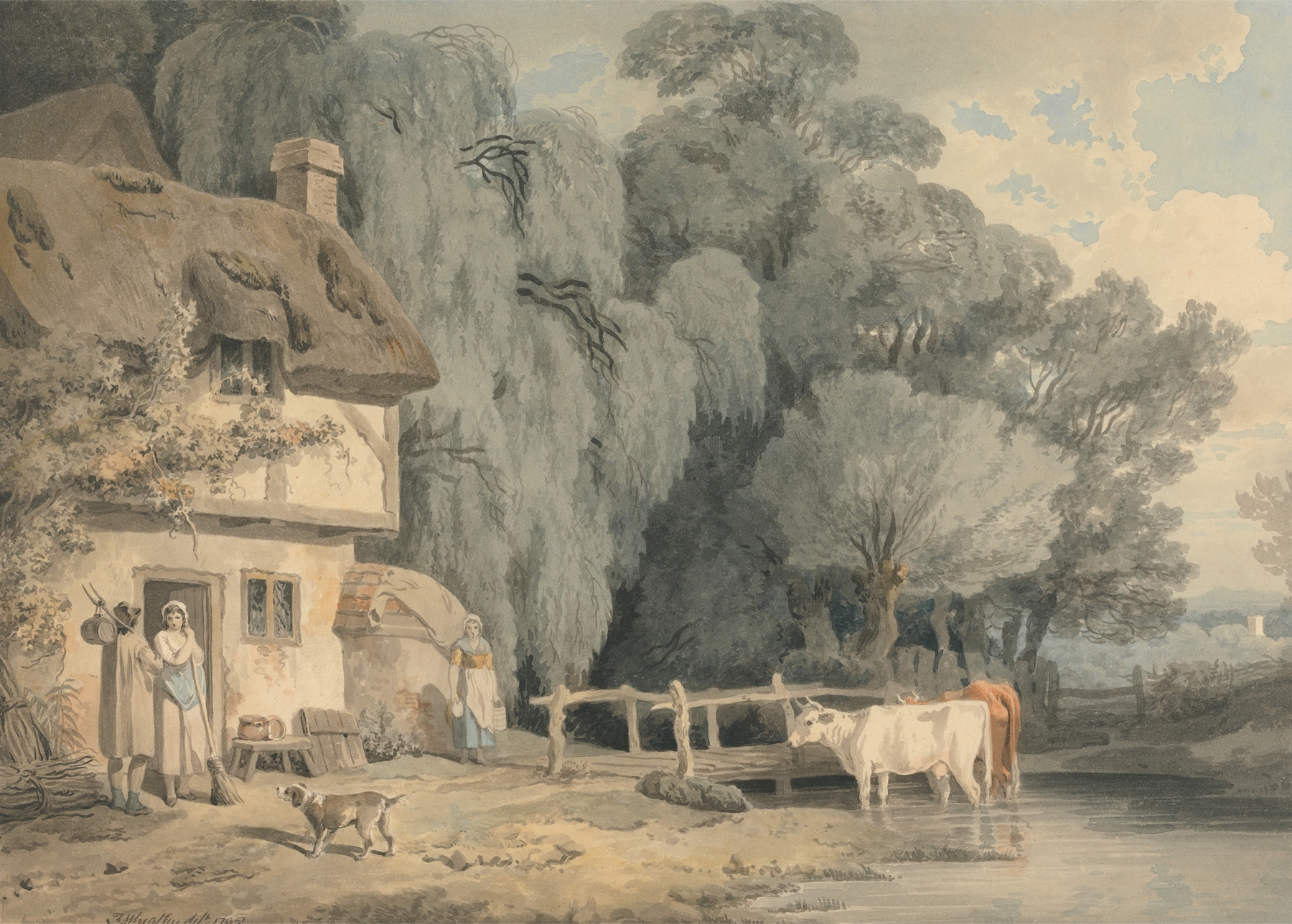
“To paint is to remember what time wants us to forget.” In the gentle embrace of rural life, the act of creation becomes an obsession, tethered to the essence of existence. Look to the right at the weathered cottage, its stone walls cloaked in the soft hues of twilight. The traveling potter, poised before a wheel, channels the vibrations of the earth into each rotation, his hands a blur of motion. Notice how the warm light bathes him and his craft, lending a golden sheen to the clay that embodies both fragility and potential.
The contrast between the potter’s earthy browns and the cottage's muted greys creates a dialogue of tradition and labor, inviting contemplation. Amidst the serenity, tension lingers in the potter’s focused gaze, revealing an obsession with perfection that mirrors the relentless passage of time. The gentle curve of the pottery speaks of life’s cyclical nature, while the stillness of the cottage stands as a sentinel, observing the intimate dance between the artist and his medium. This moment encapsulates the tension between creation and decay, as the artist’s work strives to defy the very transience that surrounds him.
In 1798, Wheatley painted this scene during a period when England was experiencing both industrial advancements and a growing appreciation for pastoral life. As he sought to capture the simplicity of rural crafts, he was part of a broader movement that celebrated the everyday lives of ordinary people. Wheatley’s work reflected a longing for authenticity in an age increasingly influenced by modernization, encapsulating a moment that resonates with the human spirit’s desire to create amidst change.