St. Vincent’s Rock, Clifton, Bristol with Hotwell’s Spring House in the Distance — History & Analysis
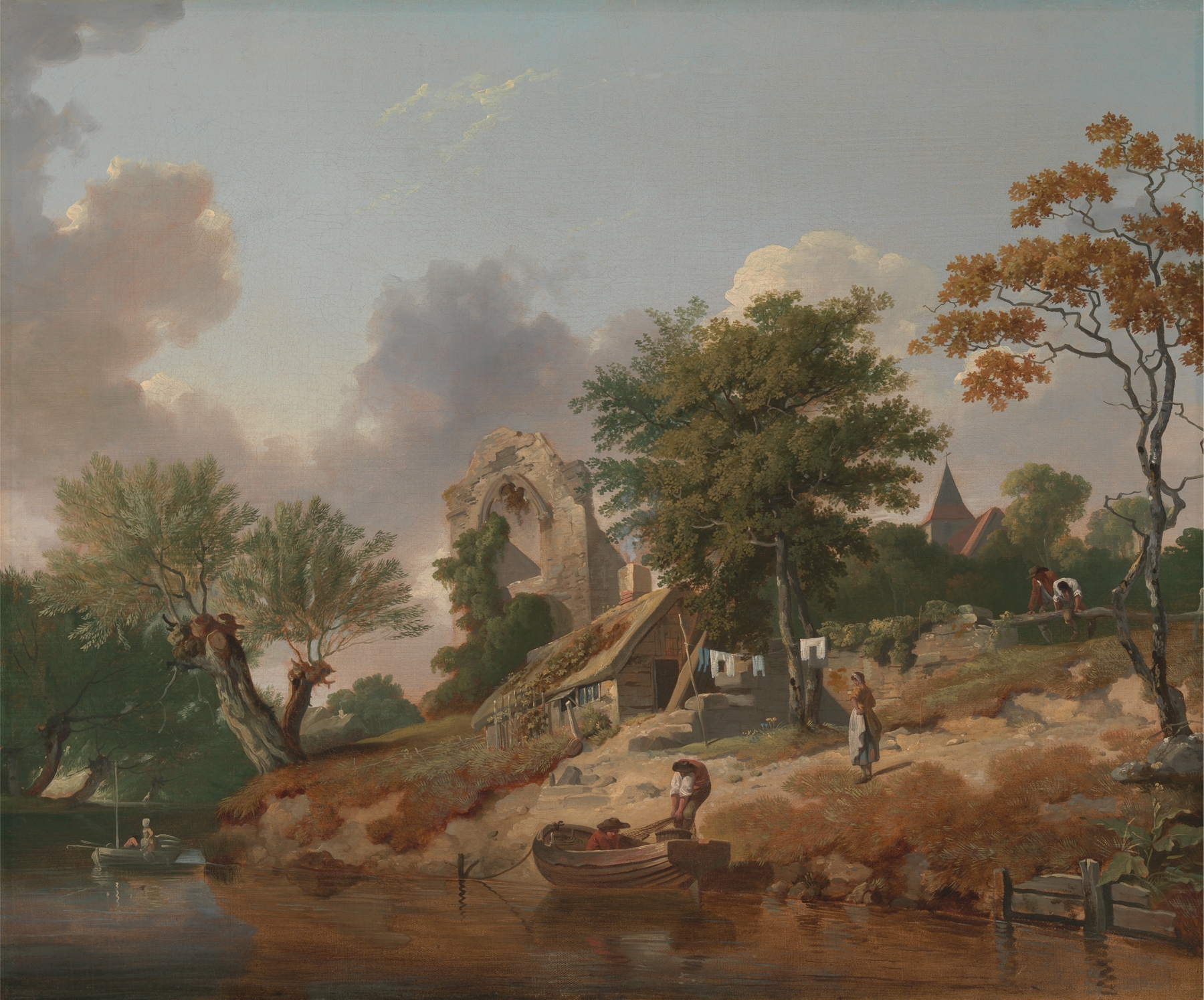
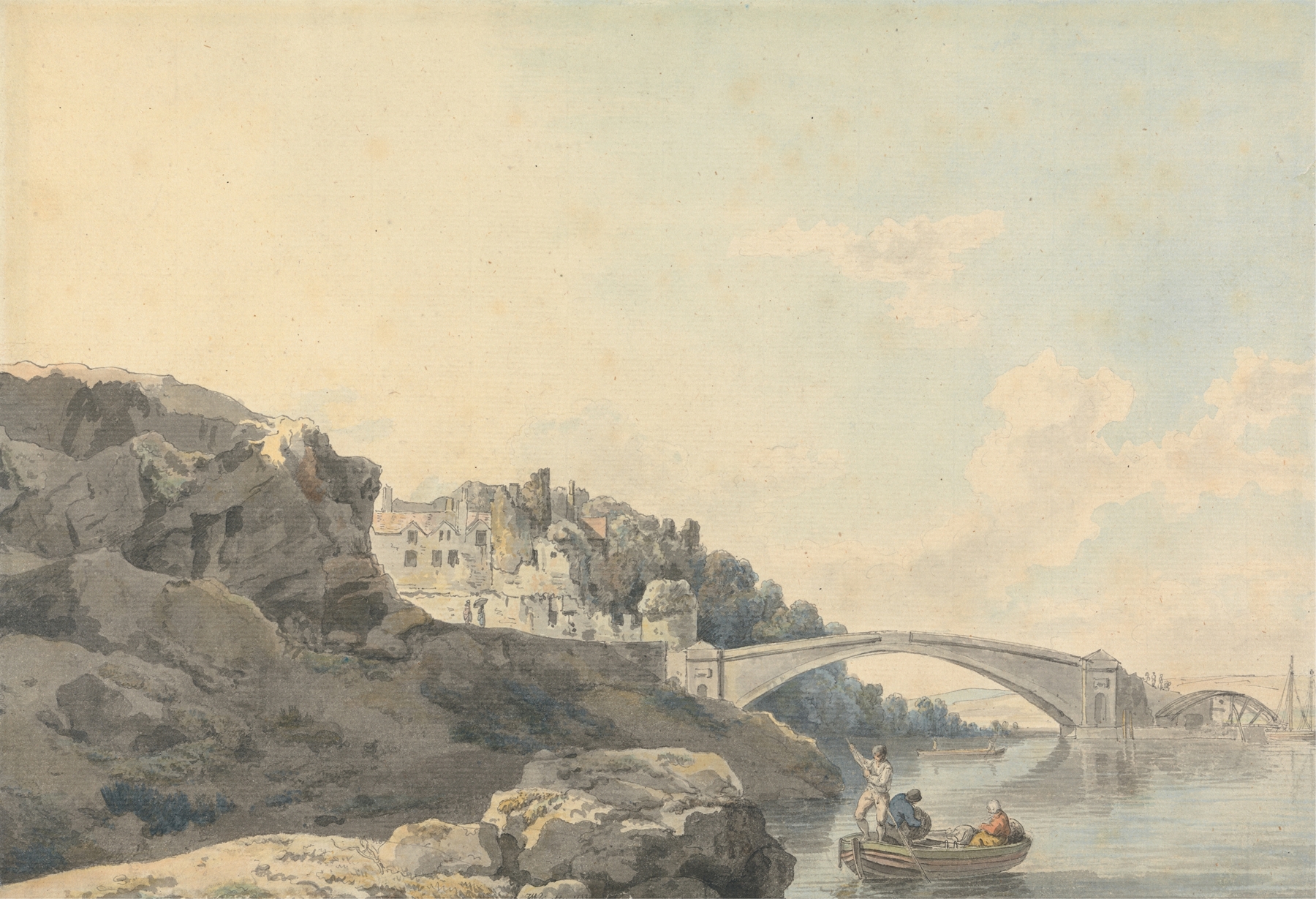
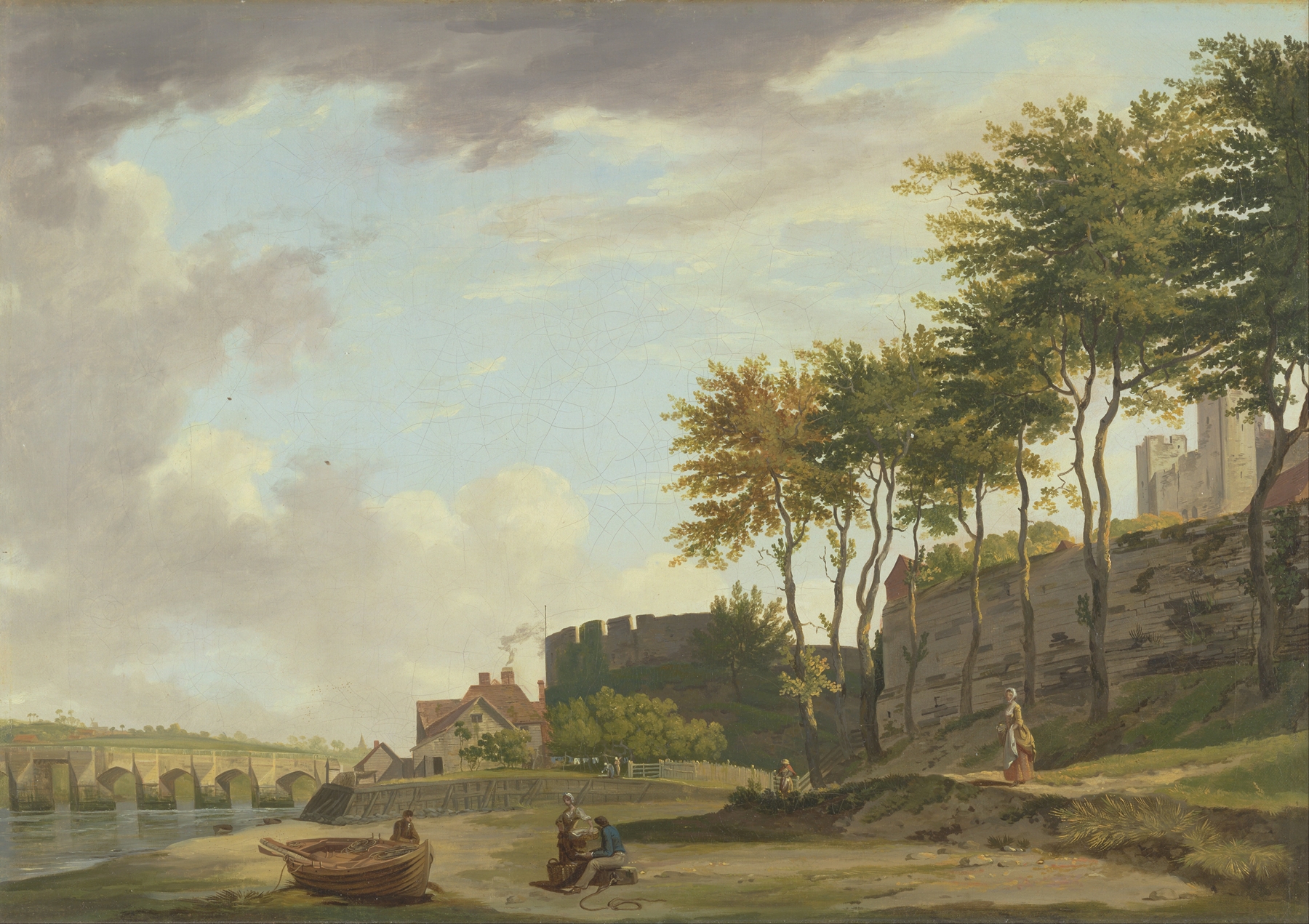
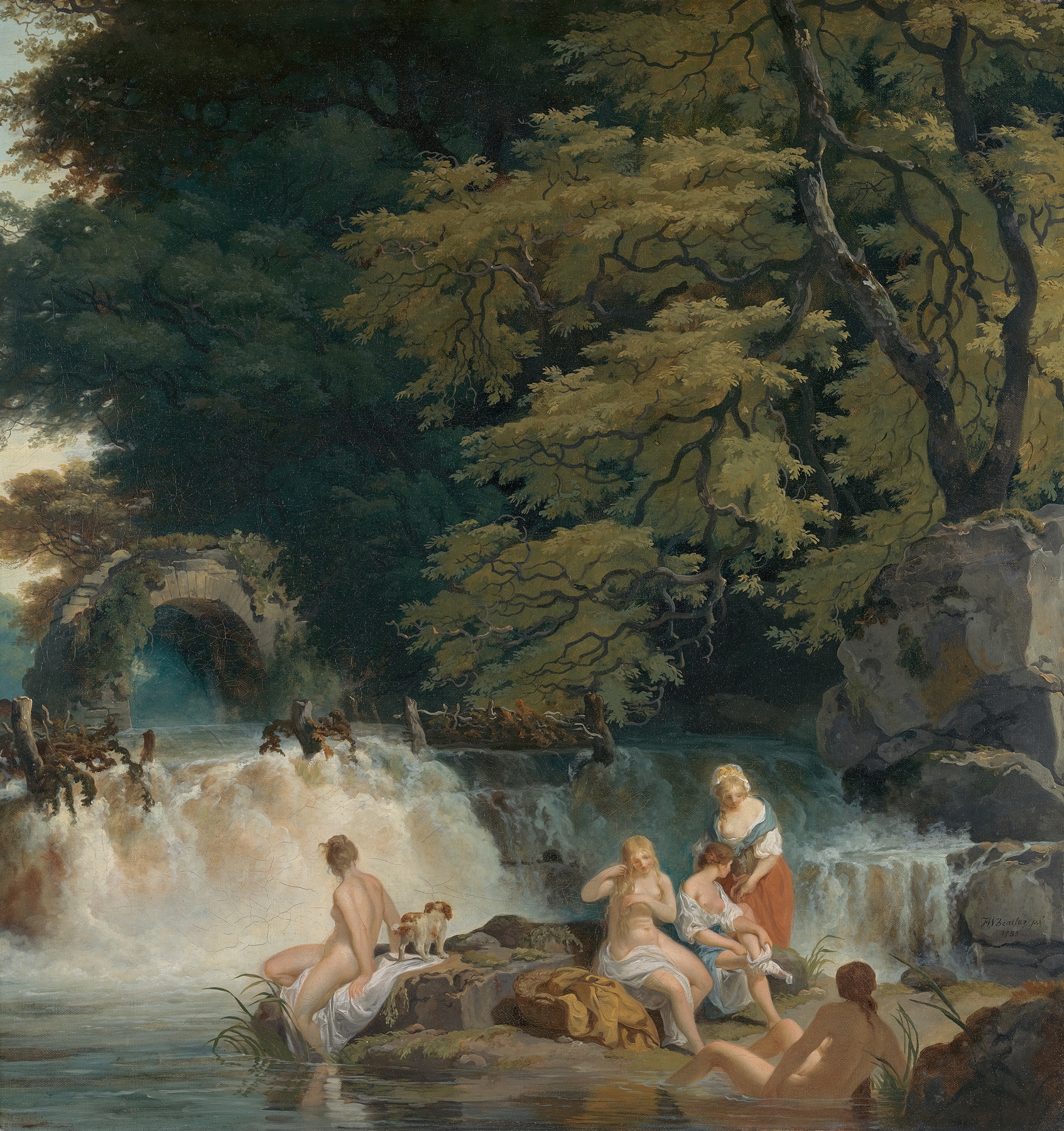
What secret hides in the quiet of the canvas? Beneath layers of paint and brushstrokes, there lies a story of transformation and nature’s enduring beauty. Look to the left at the vibrant greenery that cascades down the rugged cliffs, the brushwork lending a lively texture that pulses with life. Notice how the sunlight bathes Hotwell’s Spring House in a warm, golden hue, creating a stark contrast against the darker, more shadowed areas of the rocks.
The arrangement draws your gaze toward the serene waters below, where the gentle ripples mirror the sky’s soft blues and whites, inviting you to linger in this tranquil moment. Yet, this painting speaks of more than just a picturesque landscape. The juxtaposition of the natural elements and man-made structures reflects the tension between civilization and the wild; the spring house, a symbol of human intervention, sits so delicately within the embrace of nature. The viewer is left to ponder the emotional weight of this coexistence, the potential for harmony found in transformation—a reminder that life continues to evolve, even in stillness.
Wheatley created this work during a time when the picturesque movement was gaining momentum in British art, likely in the late 18th century. Living in Bristol, he was immersed in a world that celebrated both natural beauty and the burgeoning industrial landscape. This context influenced his depictions of both the serene and the structured, capturing the essence of his time while inviting contemplation of the transformations that lay ahead.