Lismore Castle, Ireland — History & Analysis
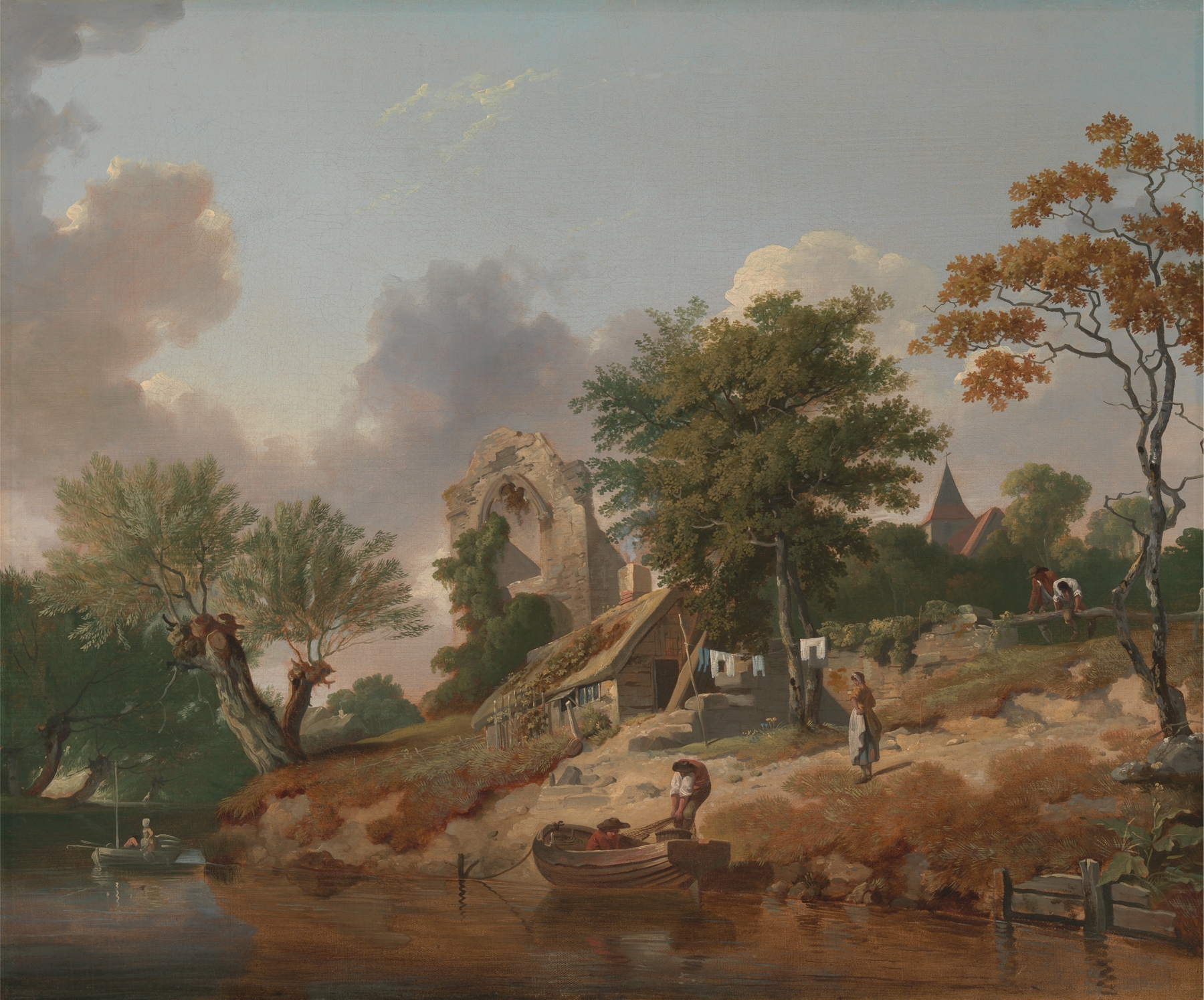
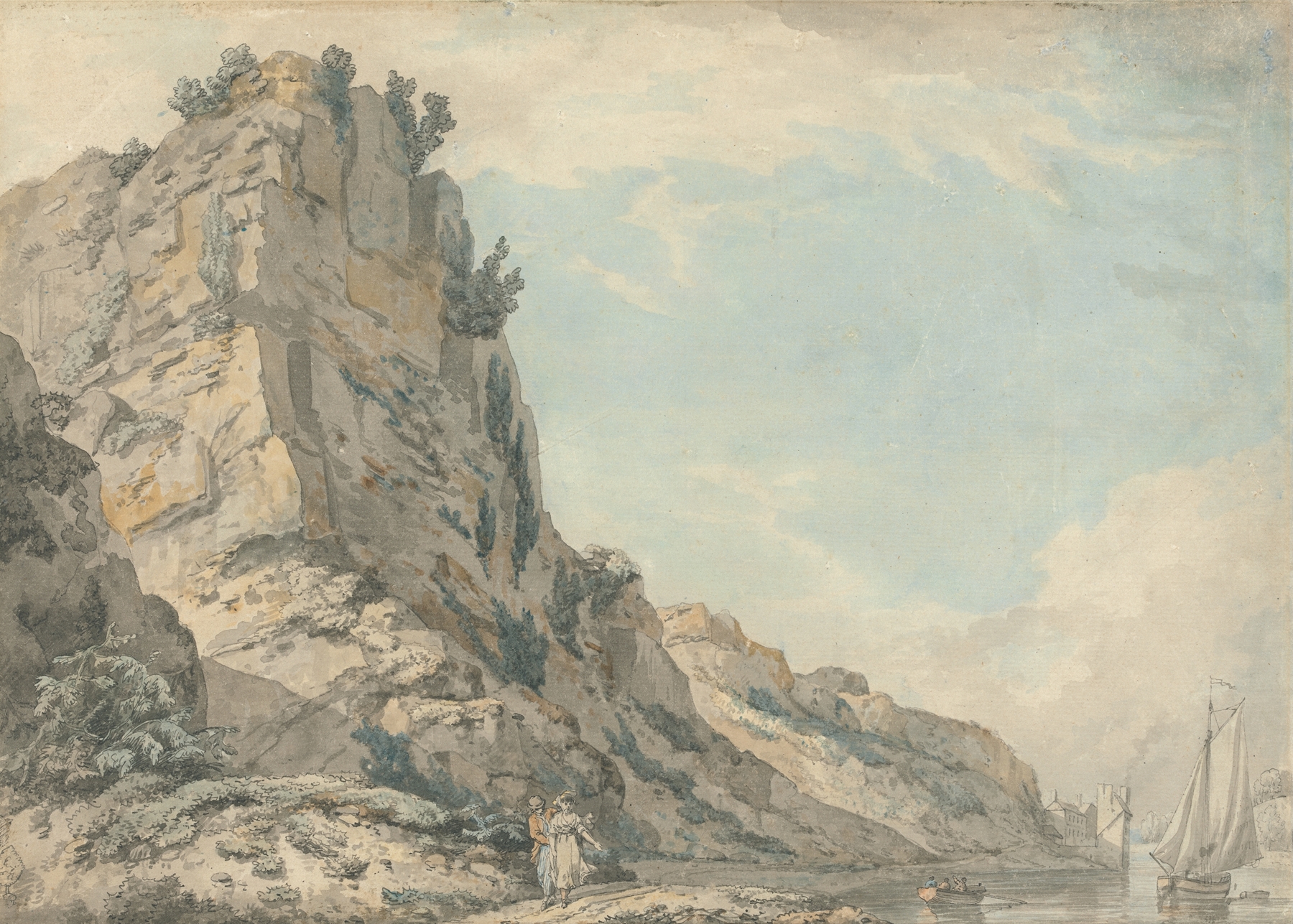
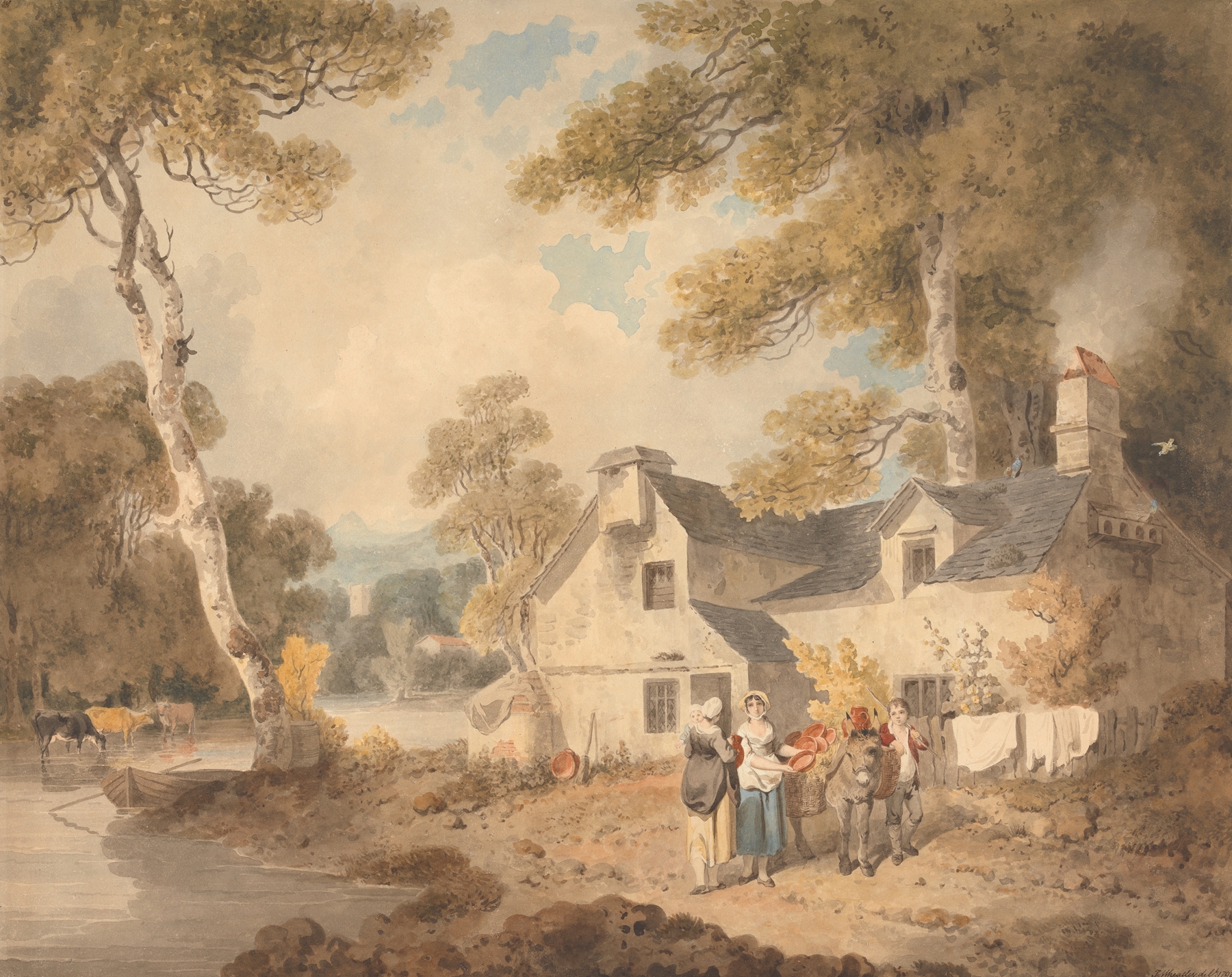
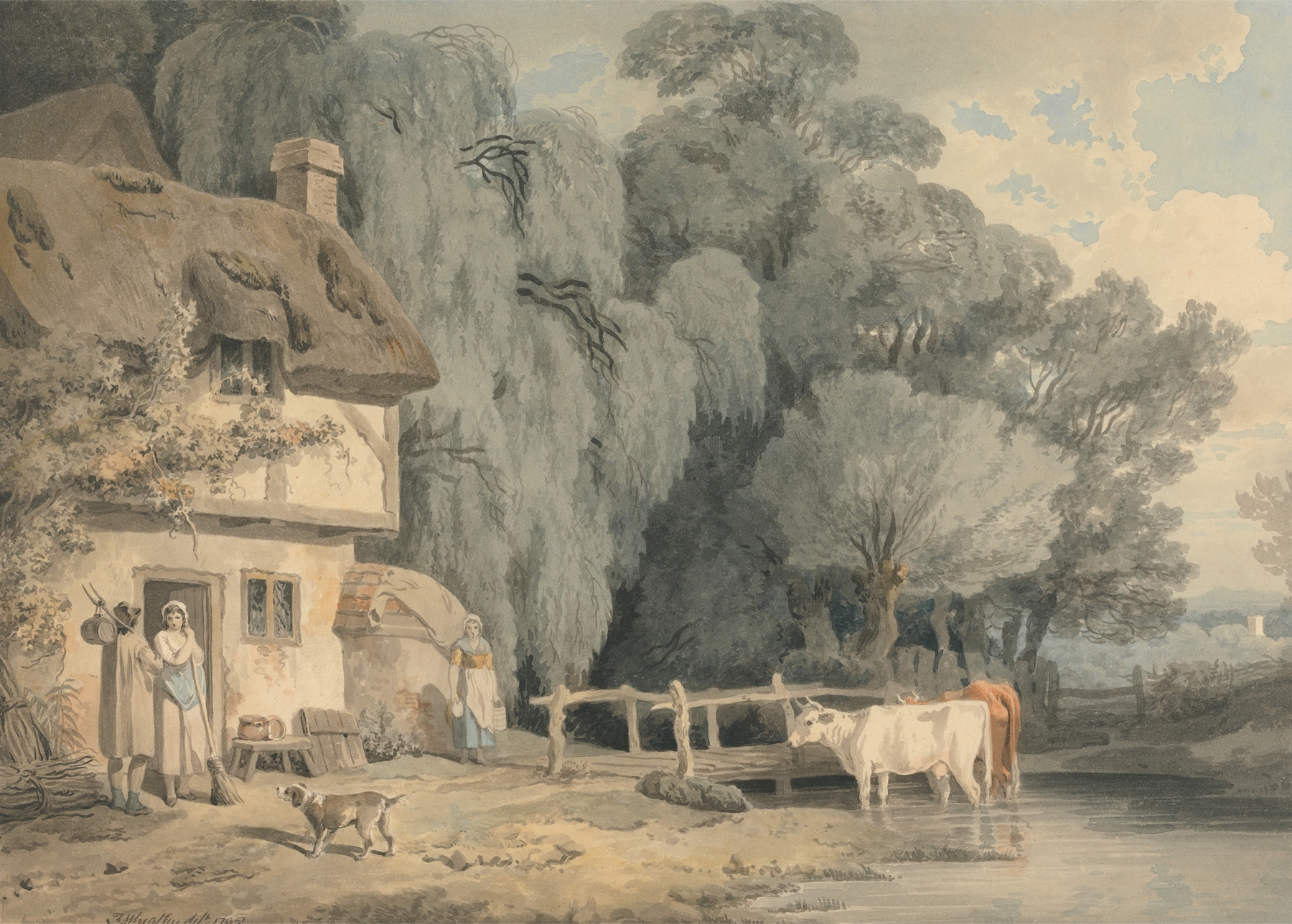
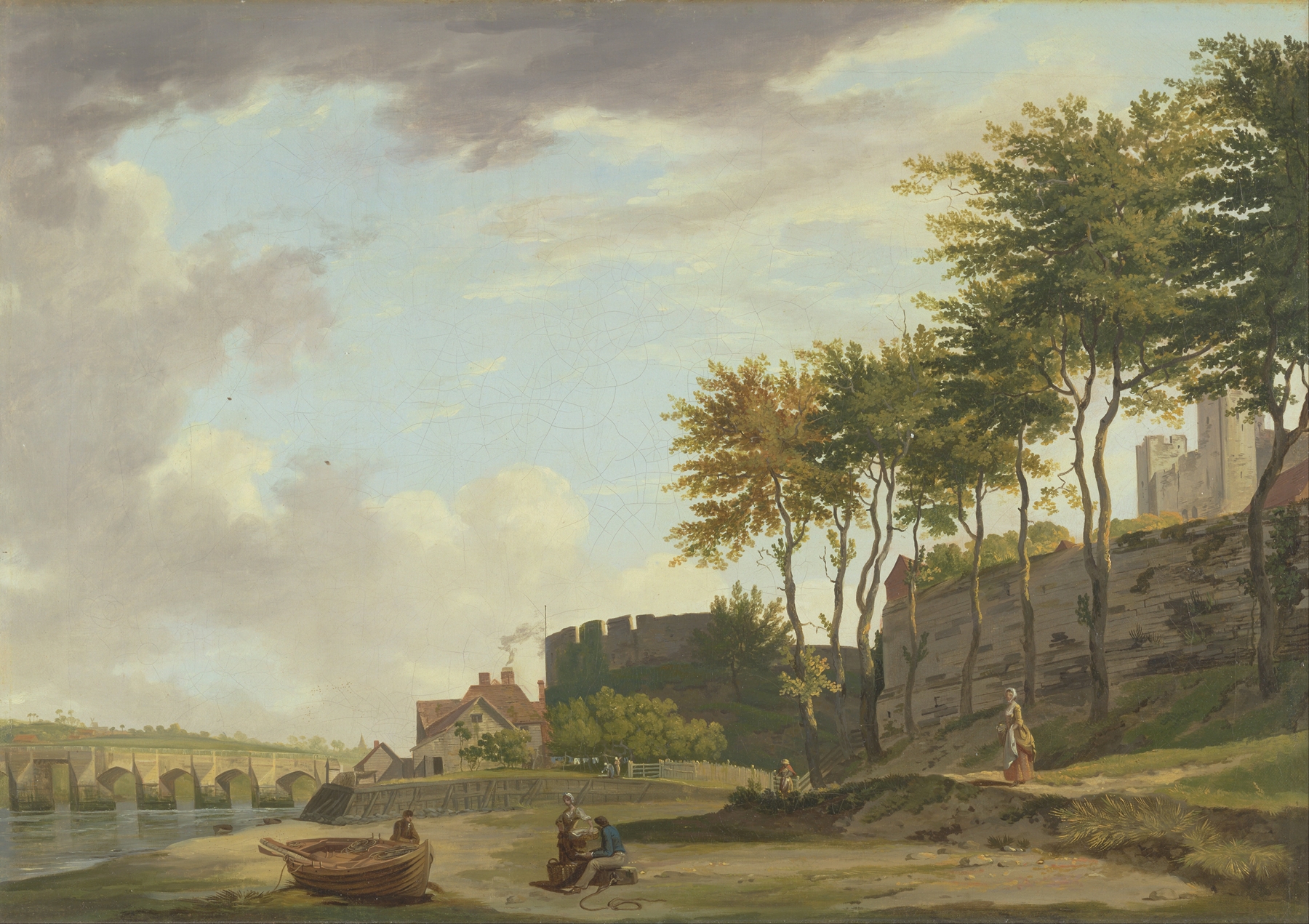
Could beauty survive in a century of chaos? In the tranquil embrace of the Irish landscape, Lismore Castle stands as a testament to resilience, its grandeur echoing tales of history amidst the storms of time. Look to the center of the canvas, where the majestic castle rises, its stone walls bathed in warm sunlight that softly highlights every intricate detail. The lush green surroundings create a vivid backdrop that enhances the castle's imposing structure, inviting the eye to wander among the verdant trees and the shimmering river below.
Notice how the artist employs a harmonious palette of greens and browns, imbuing the scene with a sense of both peace and vitality, while the delicate brushwork captures the fleeting essence of light and shadow. The juxtaposition of the castle’s steadfast presence against the fluidity of nature speaks to deeper themes of permanence versus transience. While the castle symbolizes stability and heritage, the meandering river and shifting clouds suggest the relentless passage of time. This tension is further enriched by the interplay of light and shadow, hinting at the dual nature of beauty — something both enduring and ephemeral, inviting contemplation on what remains after chaos.
Francis Wheatley painted Lismore Castle in 1783 during a time when he was establishing himself within the British art scene, having returned from a period in Italy. This moment marked a burgeoning interest in landscape painting, reflecting a growing appreciation for the natural world, even as societal upheavals loomed. Wheatley’s work embodies not only his personal journey but also the wider movement towards romanticizing the sublime beauty of the Irish countryside, a theme that resonated deeply in an era marked by both change and reflection.