Doornenkroning van Christus — History & Analysis
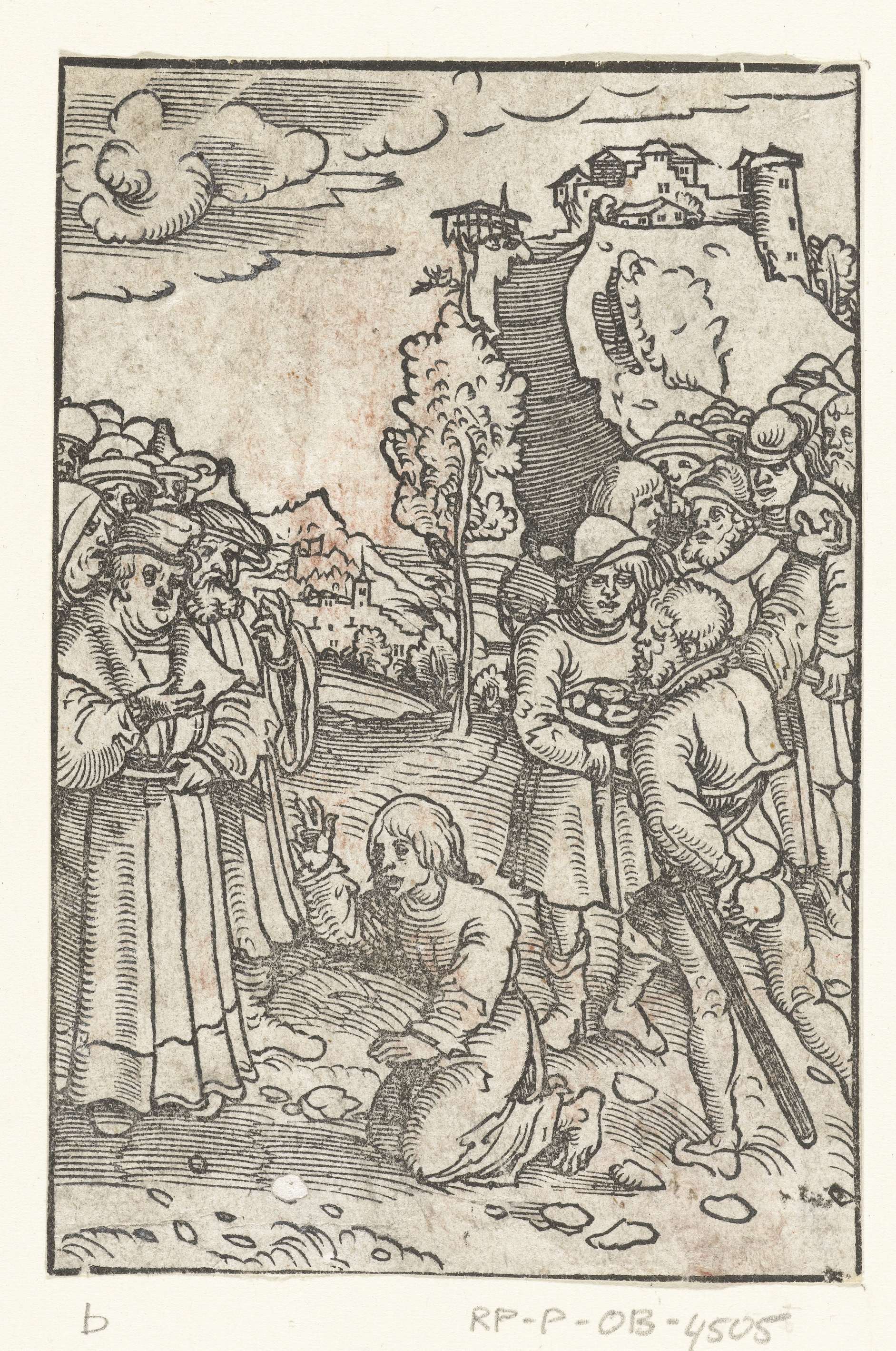
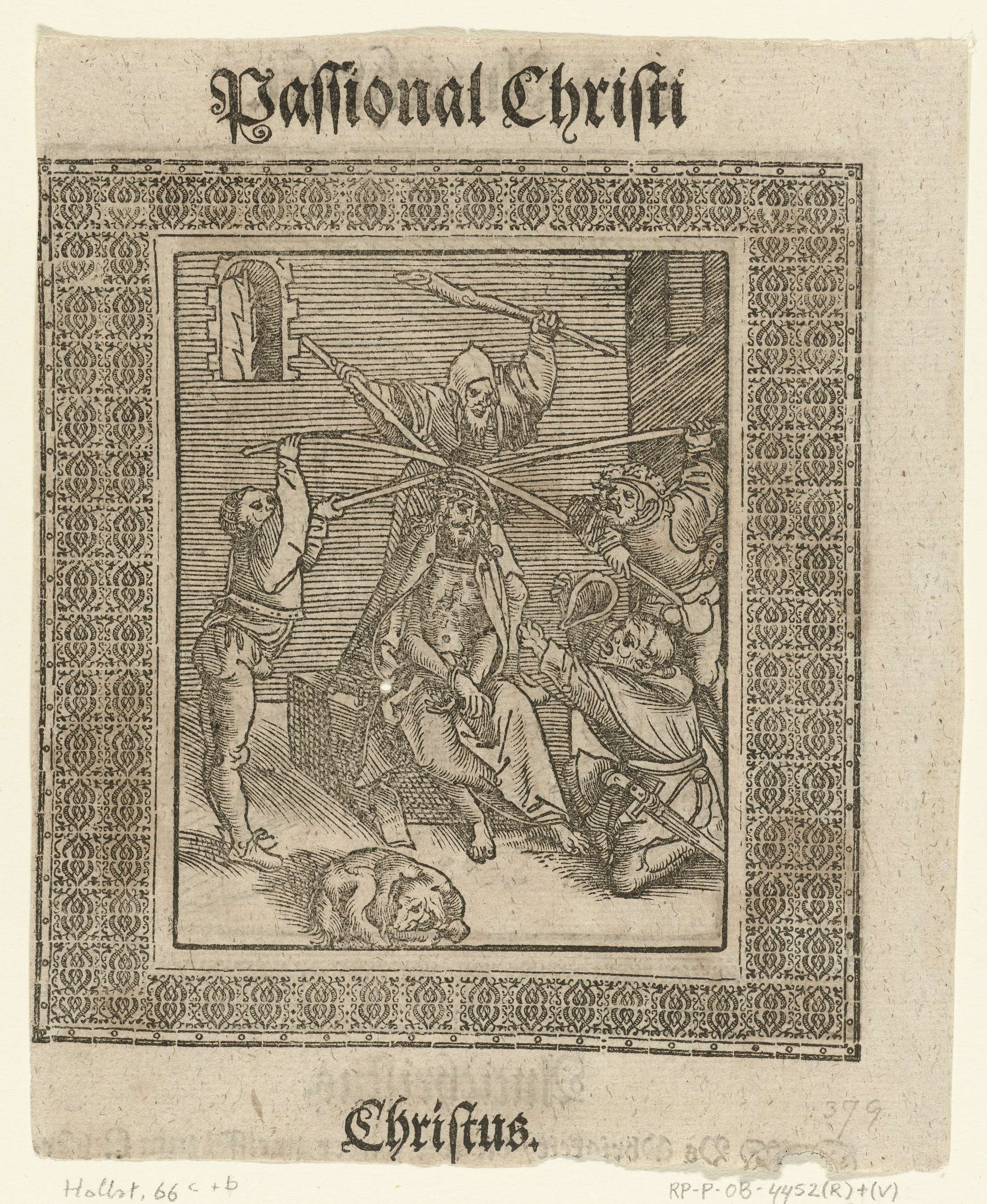
"The canvas doesn’t lie — it simply waits." In the quiet moments of contemplation, the obsession to capture divine suffering pulses beneath the paint, weaving a tale of passion and sacrifice. Focus on the center of the composition, where Christ, crowned with thorns, dominates the scene. His anguished expression is rendered in haunting detail, the texture of each thorn meticulously defined, drawing your gaze as if it were a magnet to the pain and humanity embodied in his visage. Notice how the muted palette of earthy browns and deep reds envelops him, contrasting sharply against the ethereal light illuminating his face, casting an almost divine glow that beckons the viewer to ponder the weight of his suffering.
The emotional tension radiates from the contrasts within the work: between pain and redemption, earthly existence and spiritual transcendence. The gold of the crown symbolizes both royalty and torment, while the muted backgrounds suggest the shadow of a world oblivious to the gravity of the scene. Hidden in the details, one can observe the soft brushstrokes that create a sense of movement, hinting at the dynamic struggle between hope and despair, and the artist’s intricate interplay of light and shadow draws the viewer into this moment of profound stillness.
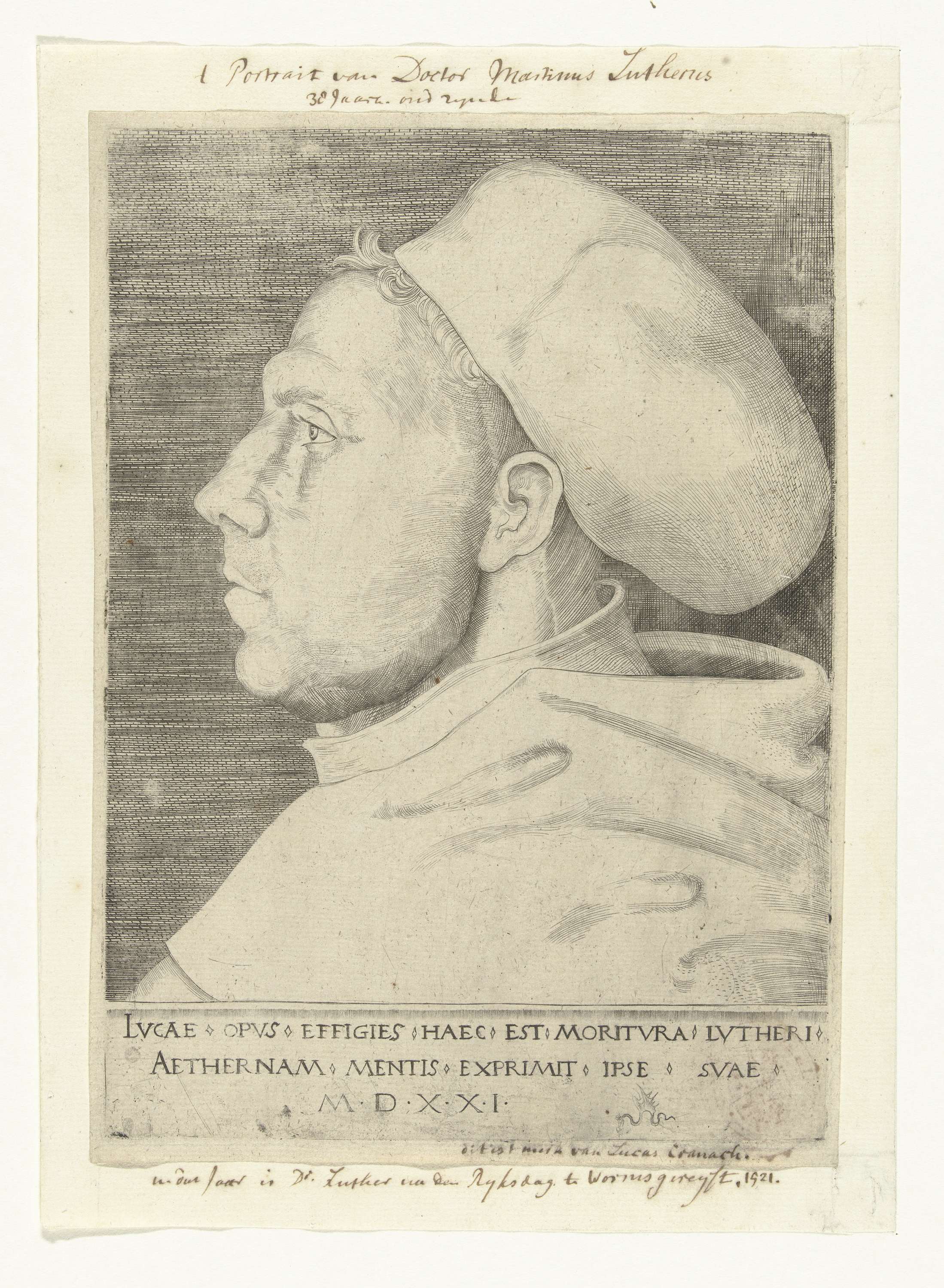
In 1521-1522, Lucas Cranach (I) painted this work during a time rich with religious upheaval and the rise of Protestantism. Operating in Wittenberg, he was an influential supporter of Martin Luther, and this piece reflects the burgeoning tension between faith and dogma, as well as Cranach's deep commitment to translating the theological into the visual. His work stands at the crossroads of art and ideology, encapsulating a moment where obsession with faith and the human condition coalesce.