Dresden in Moonlight — History & Analysis
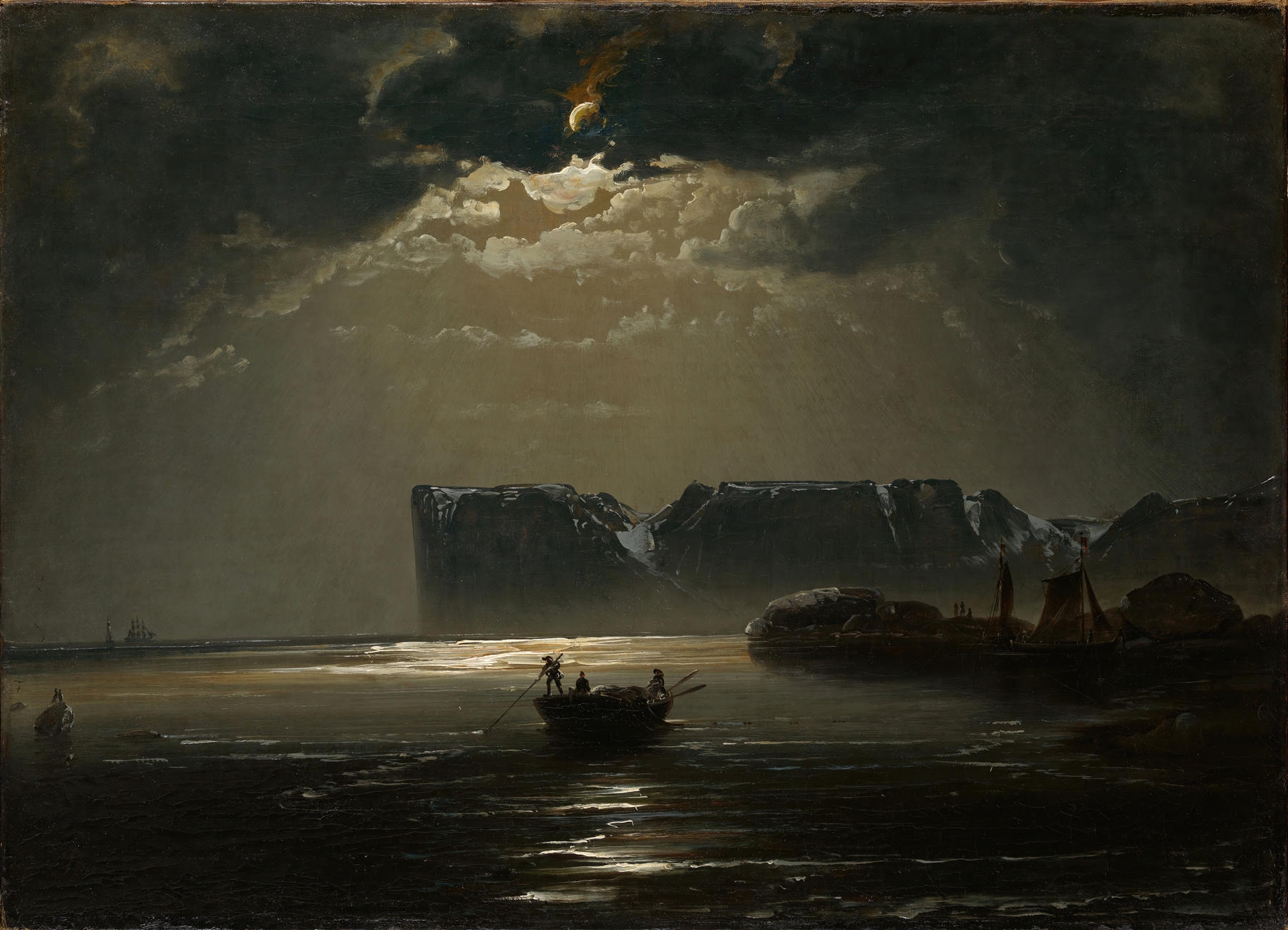
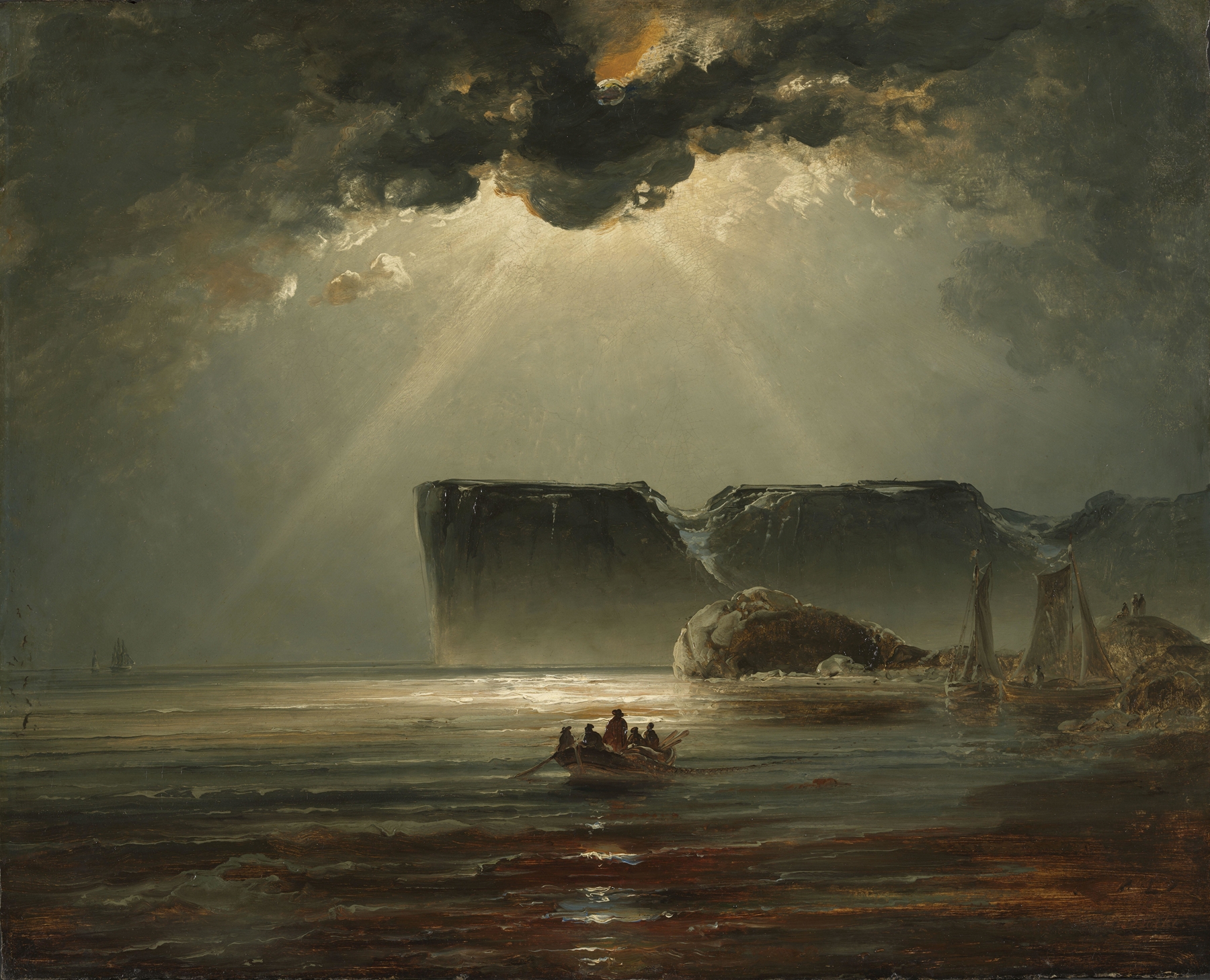
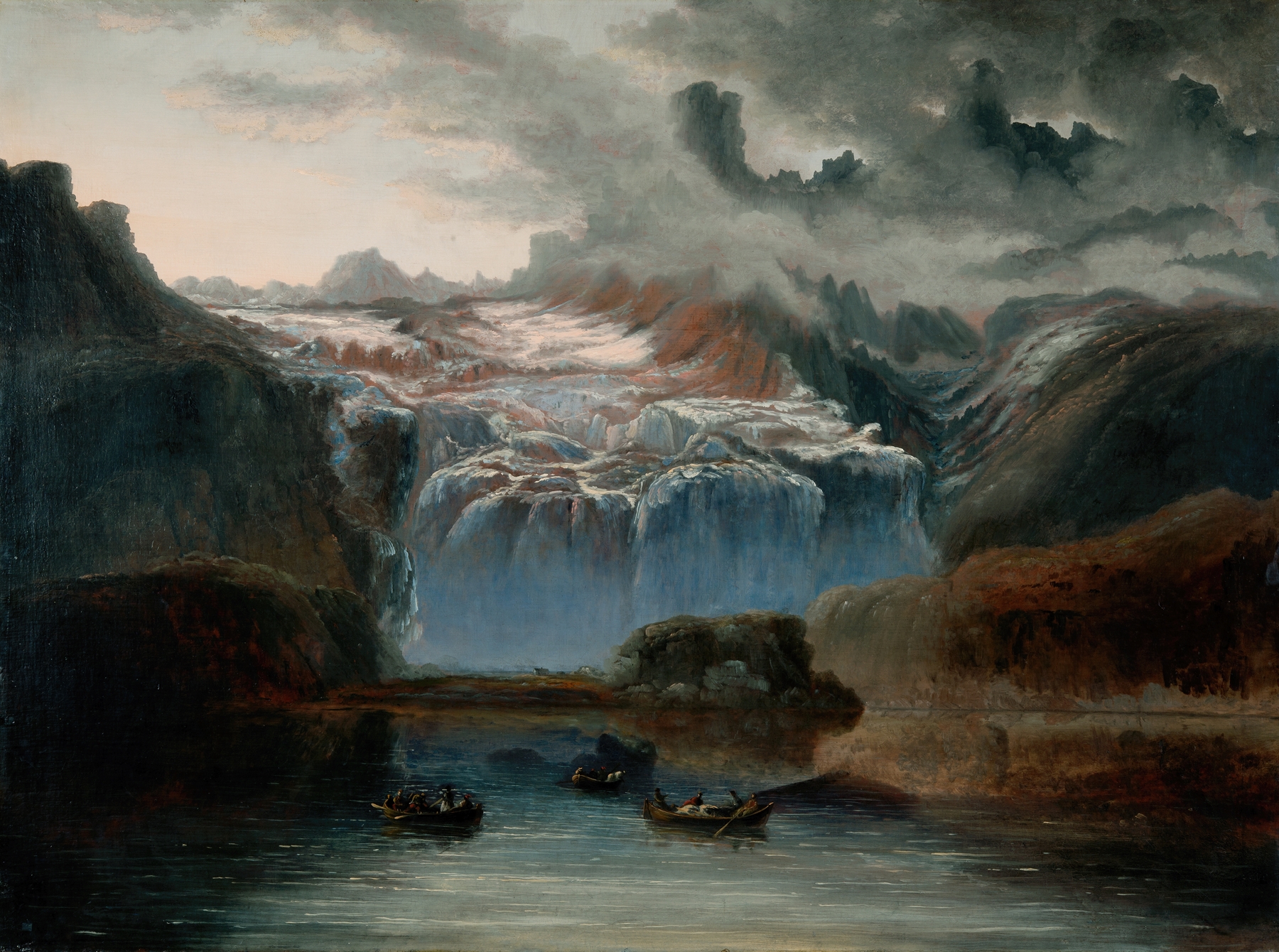
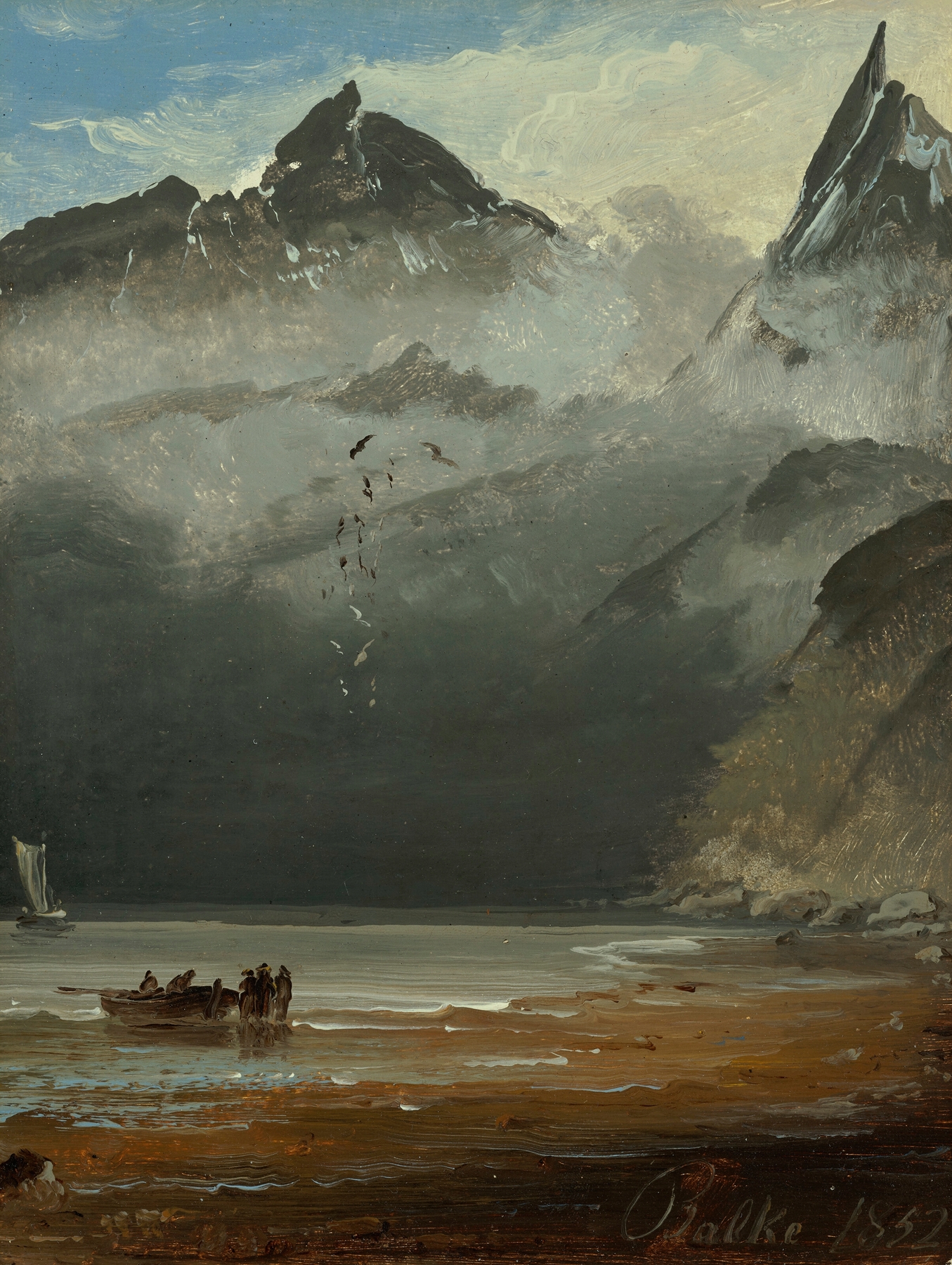
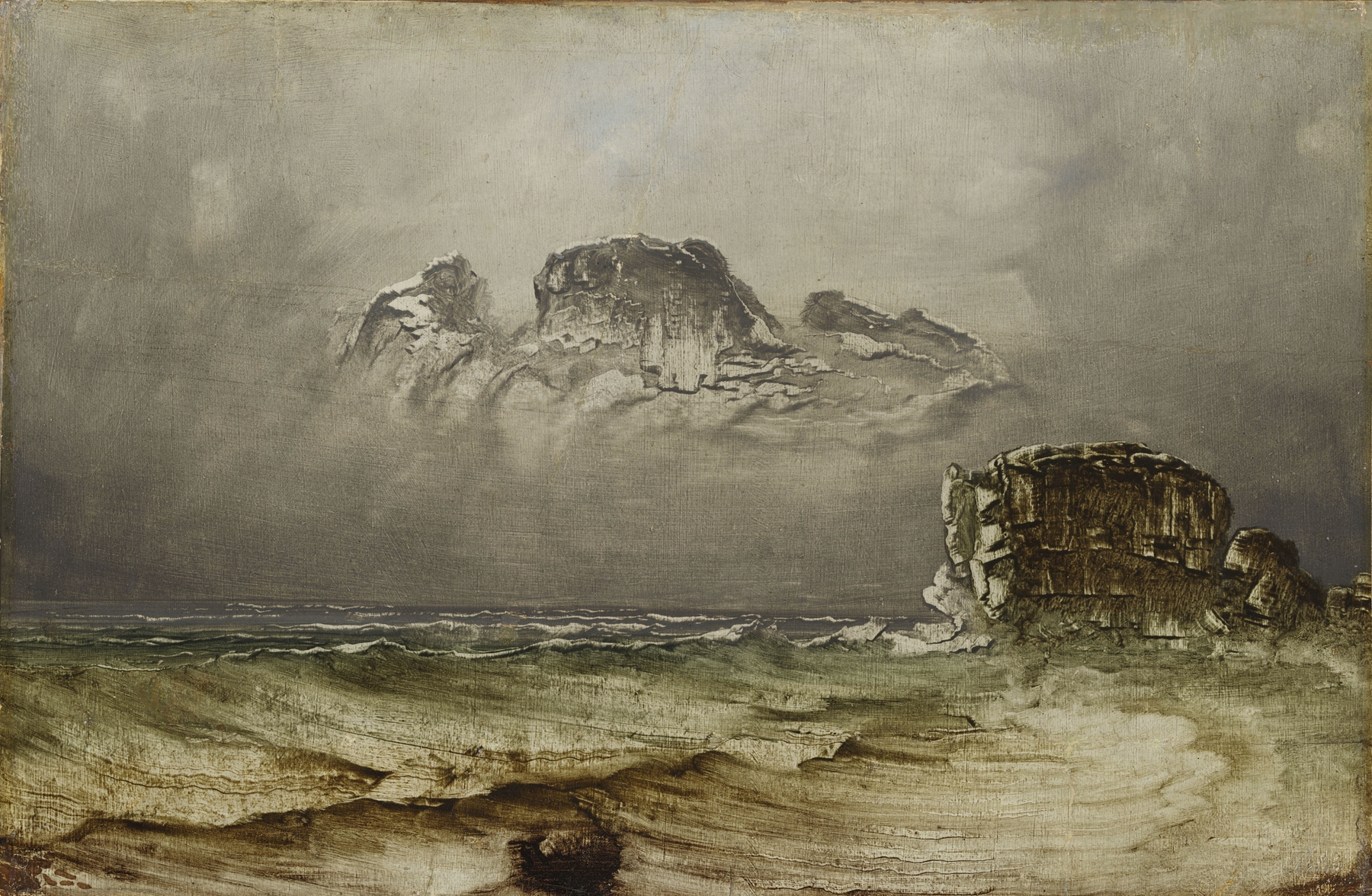
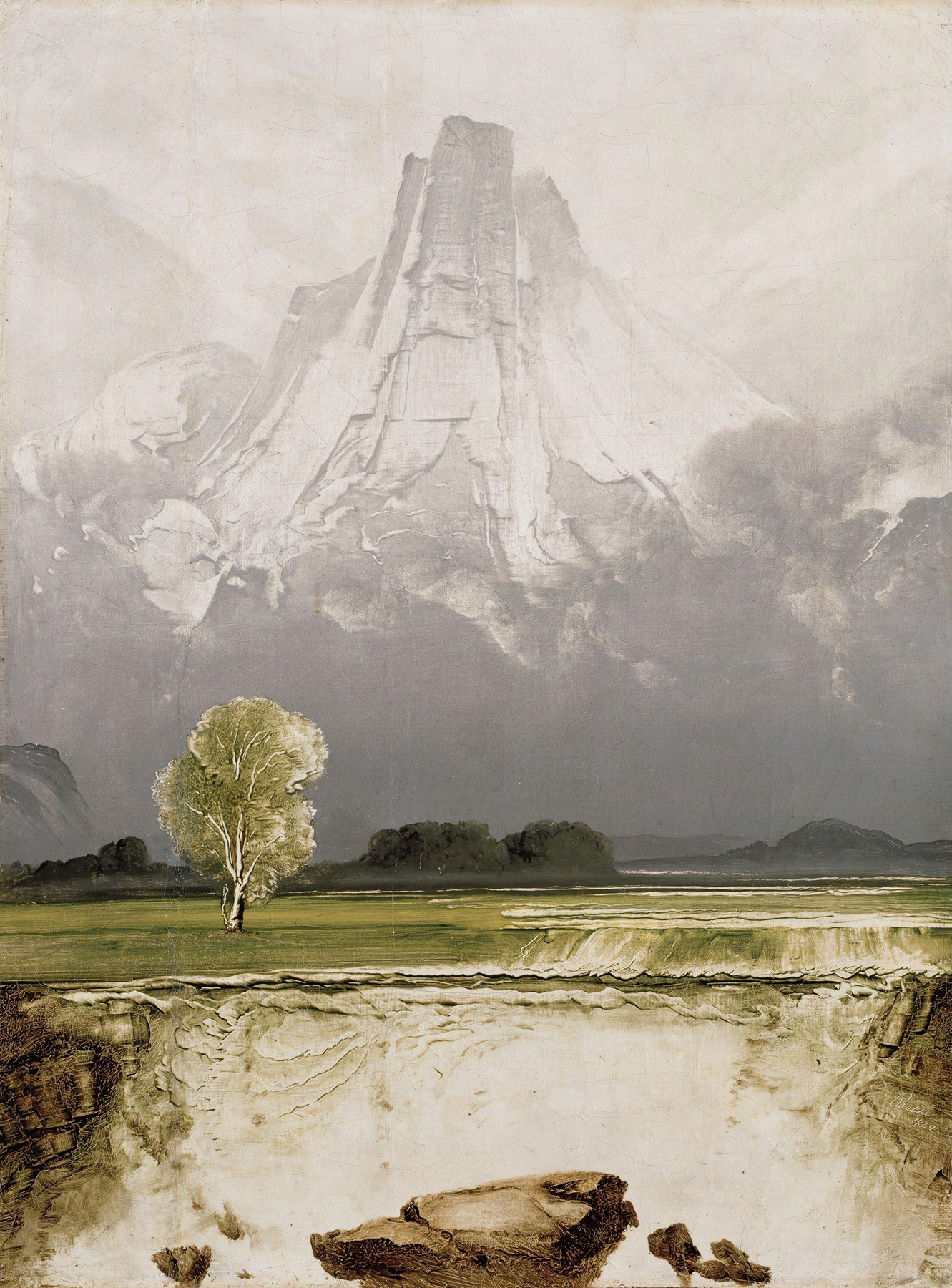
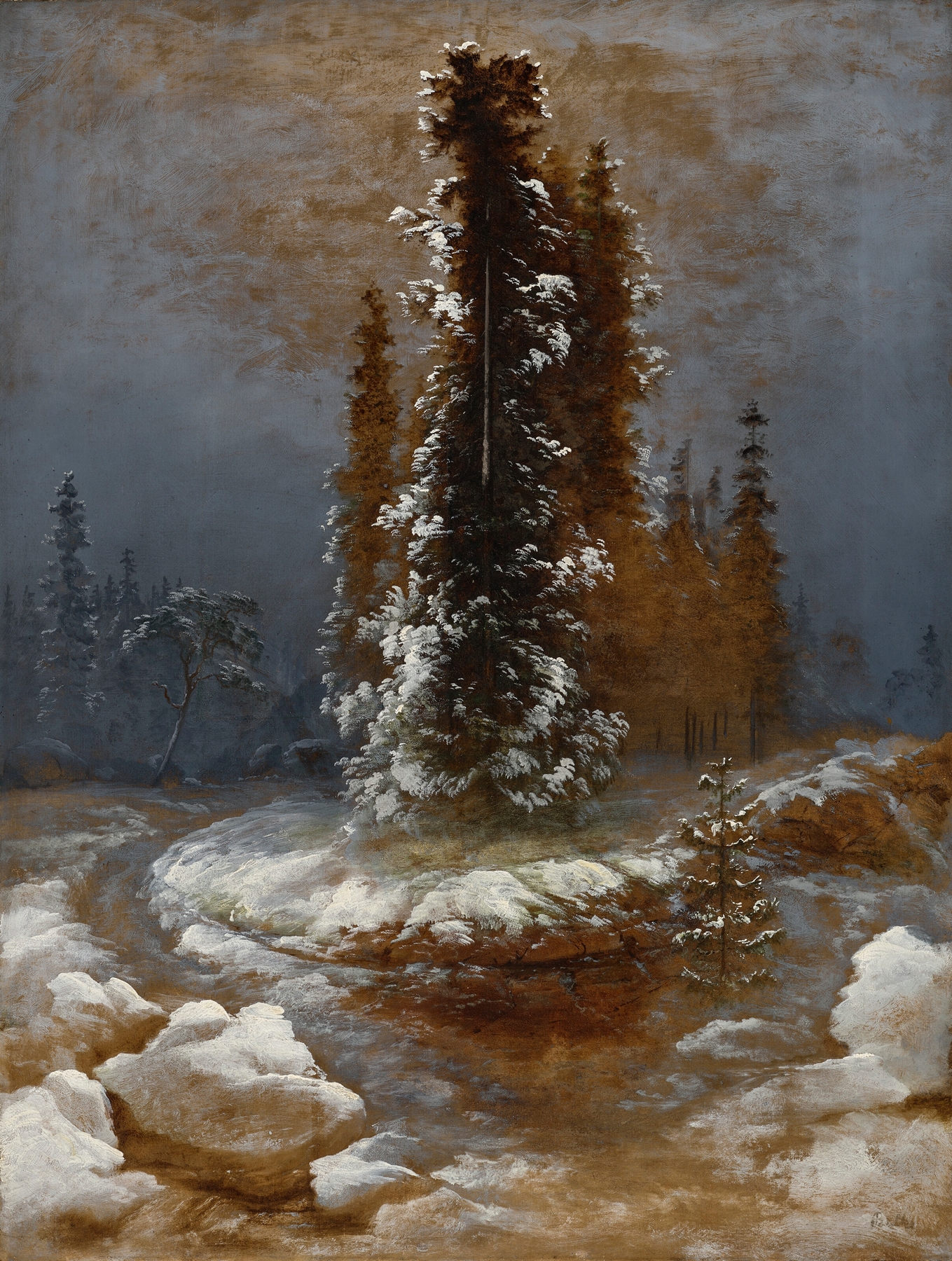
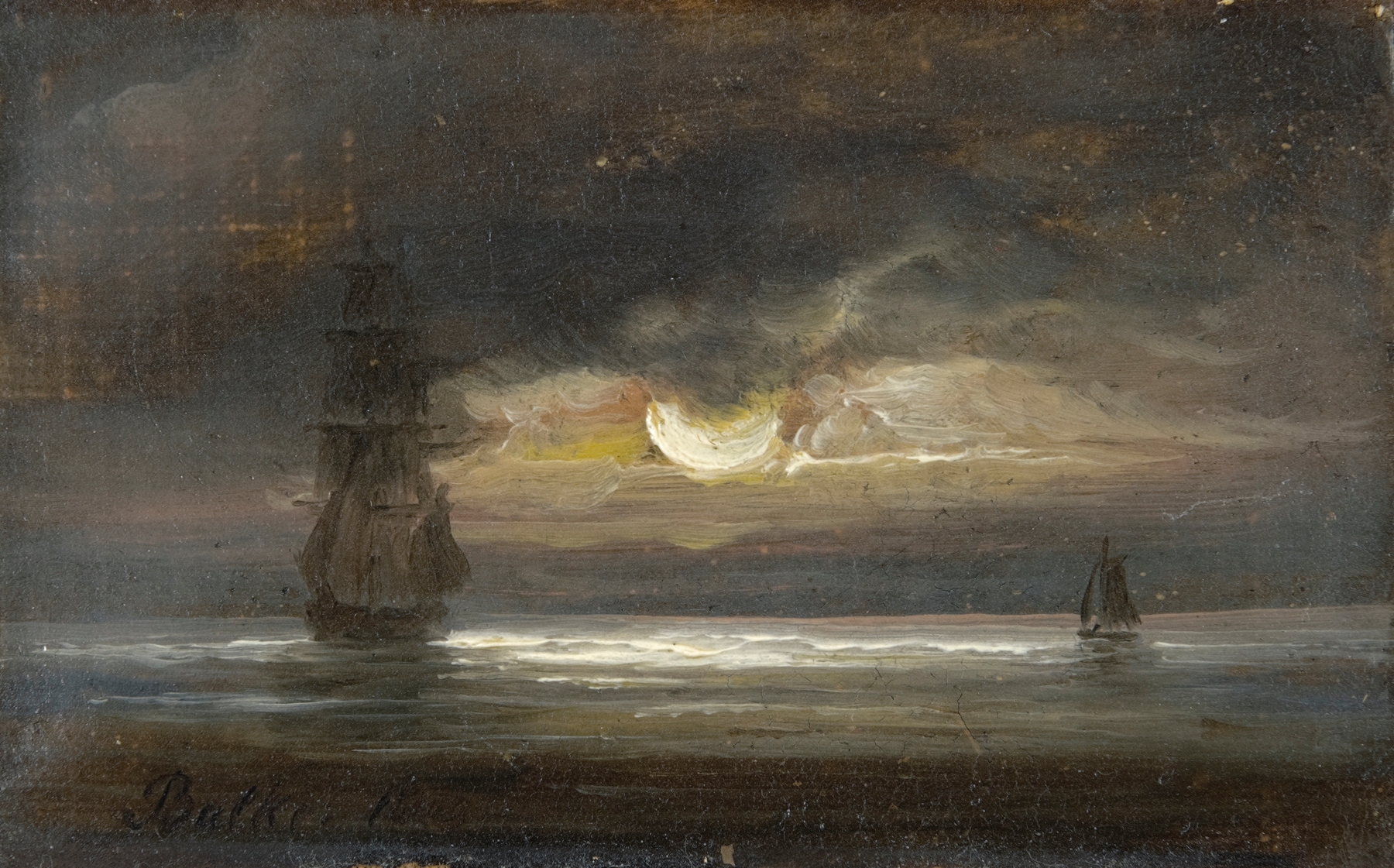
Is this a mirror — or a memory? In Dresden in Moonlight, a haunting landscape invites us to contemplate time itself, the delicate balance between past and present, and the way both are captured in the shimmering reflections of moonlit waters. Look to the center of the canvas where the river glistens under a silvery moon, illuminating the silhouettes of distant buildings. The soft blues and grays blend seamlessly, evoking an ethereal atmosphere.
Notice how the texture of the brushstrokes gives life to the clouds, swirling above the cityscape, while the delicate play of light casts long shadows that stretch into the viewer's space, blurring the boundaries between reality and dream. The composition creates a sense of nostalgia, as the contrast between the serene moonlit scene and the darkened foreground suggests a depth of emotion. Each ripple in the water reflects not only the architecture of Dresden but also the passage of time, urging us to consider what memories lie beneath the surface. The interplay of light and dark evokes feelings of longing, as if inviting us to step into a moment that is both fleeting and eternal.
In 1851, Peder Balke was living in Norway, far from the vibrant artistic circles of Europe, where Romanticism was evolving and starting to give way to Impressionism. His work frequently explored themes of nature and the ephemeral, reflecting his fascination with the Northern Lights and the tranquility of landscapes. At this time, Balke was establishing his identity as a painter, drawing from his experiences to create evocative images that resonate deeply with the sense of time and place.