Vårløsning — History & Analysis
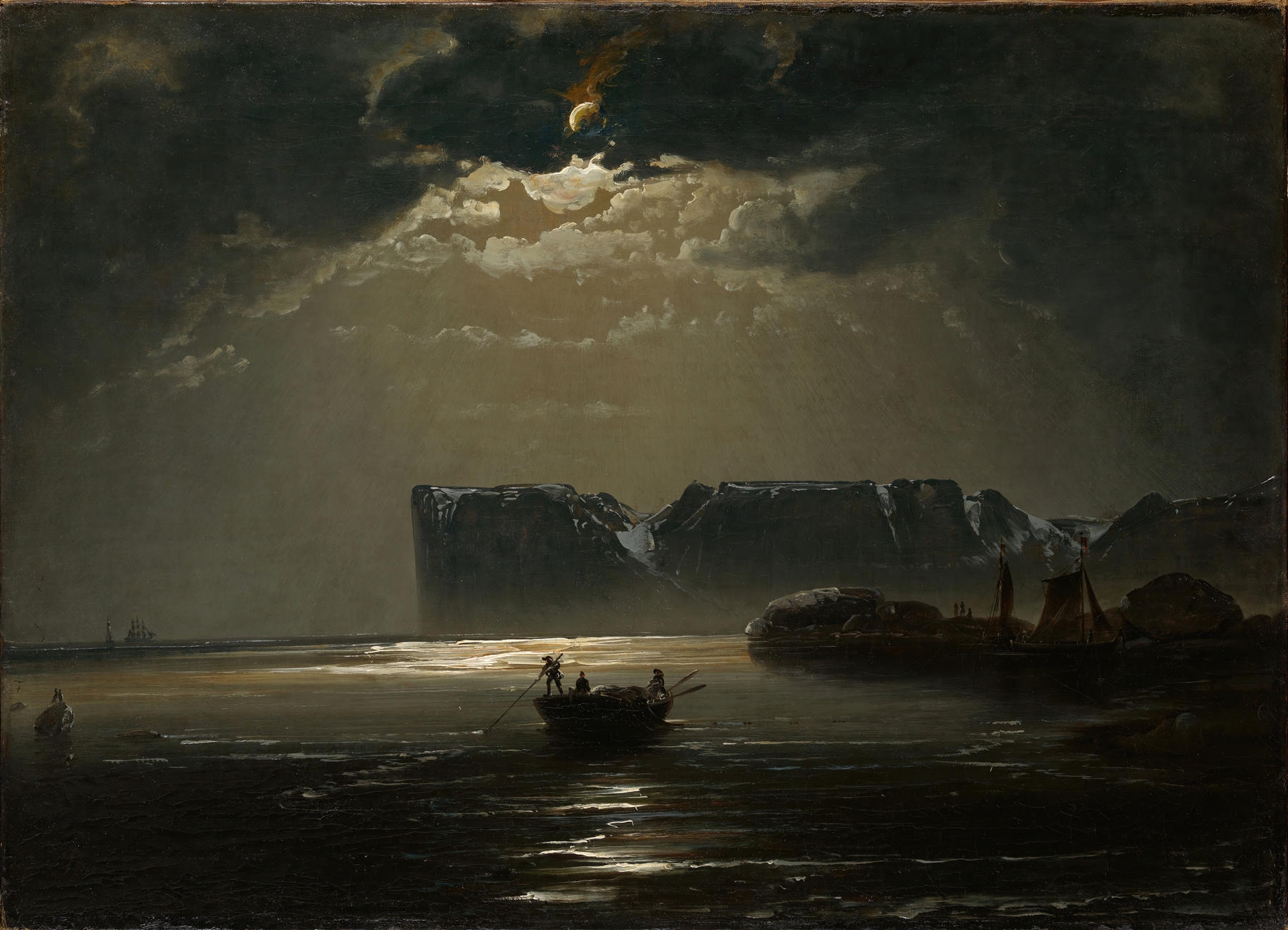
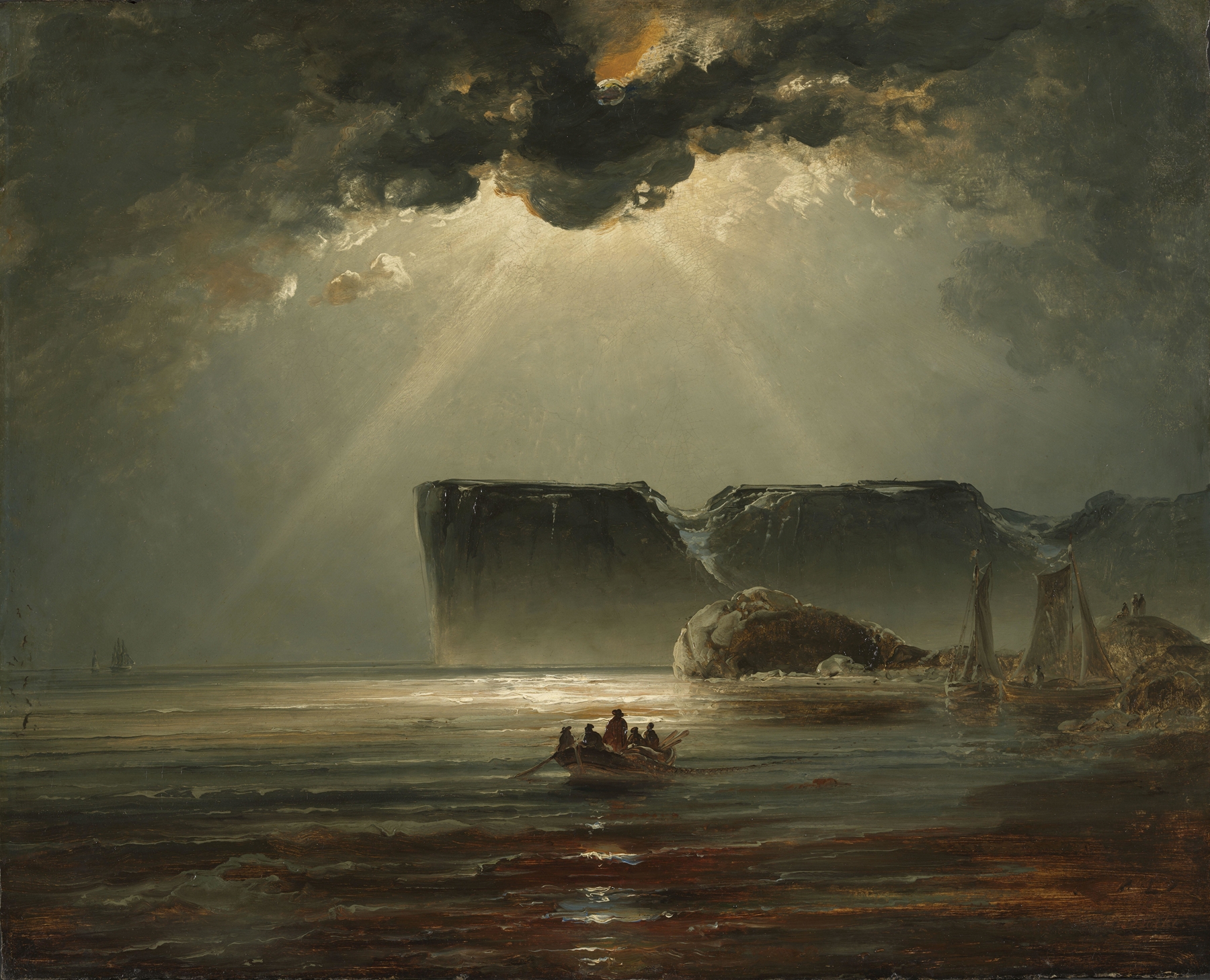
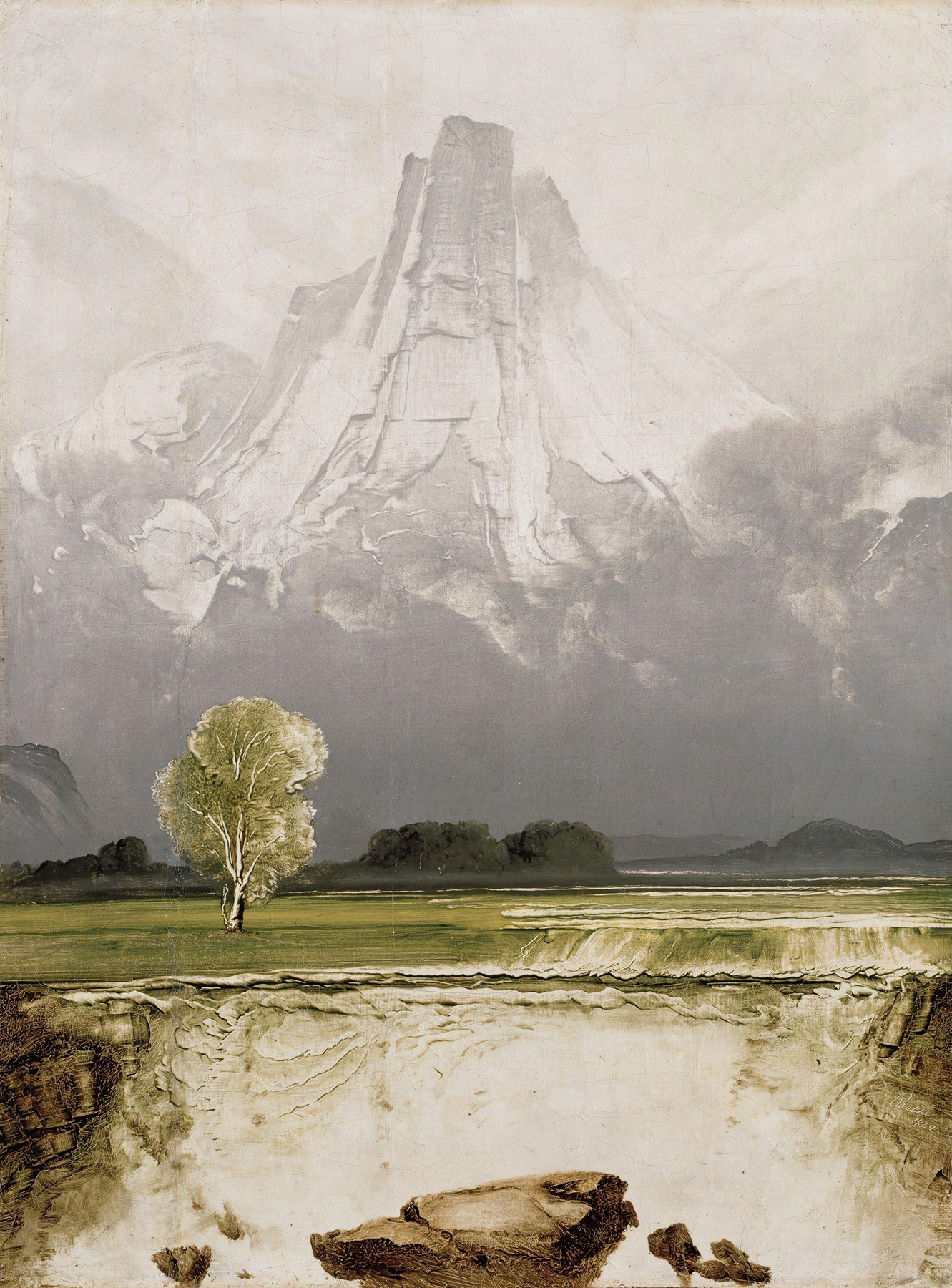
When did color learn to lie? The vibrant hues of spring beckon, yet beneath the surface, decay and renewal grapple for dominance, revealing nature’s frailty. Look to the center of the canvas, where the lively greens and bright yellows spill forth, suggesting the awakening of life. Notice how the brushstrokes pulse with energy, a vivid contrast against the muted browns and grays framing the scene. The sweeping horizon invites your gaze, while delicate lines in the foreground evoke the remnants of winter, blurring the boundary between vitality and decline.
This dynamic interplay challenges the viewer, asking them to consider the duality of existence. Dig deeper, and you’ll find a tension between the idyllic and the inevitable. The interplay of light hints at both hope and melancholy, as the vibrant colors of rebirth seem to emerge from the remnants of decay. This juxtaposition reflects life’s transience, reminding us that blossoming beauty is often tethered to underlying decay.
Each stroke embodies a moment in time, poised delicately between the struggle of survival and the inevitability of change. In the spring of 1860, the artist created this piece during a period when he was exploring the emotional connection between landscape and the sublime. Residing in Norway, Balke was increasingly influenced by Romanticism, focusing on nature's grandeur while grappling with personal themes of loss and renewal. The world around him was shifting, as he sought to portray not just the physical landscape, but the deeper emotional narratives woven within it.