The North Cape by Moonlight — History & Analysis
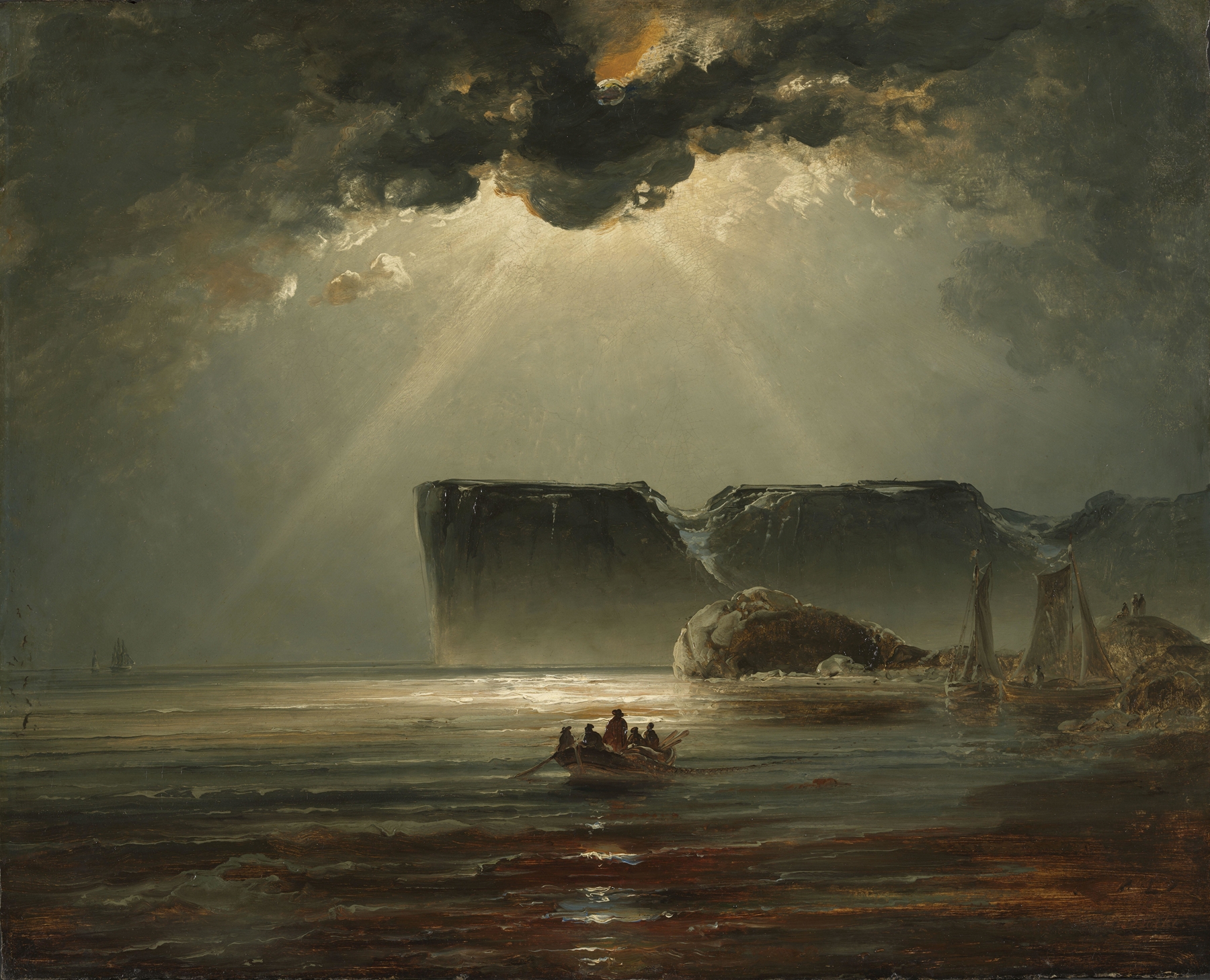
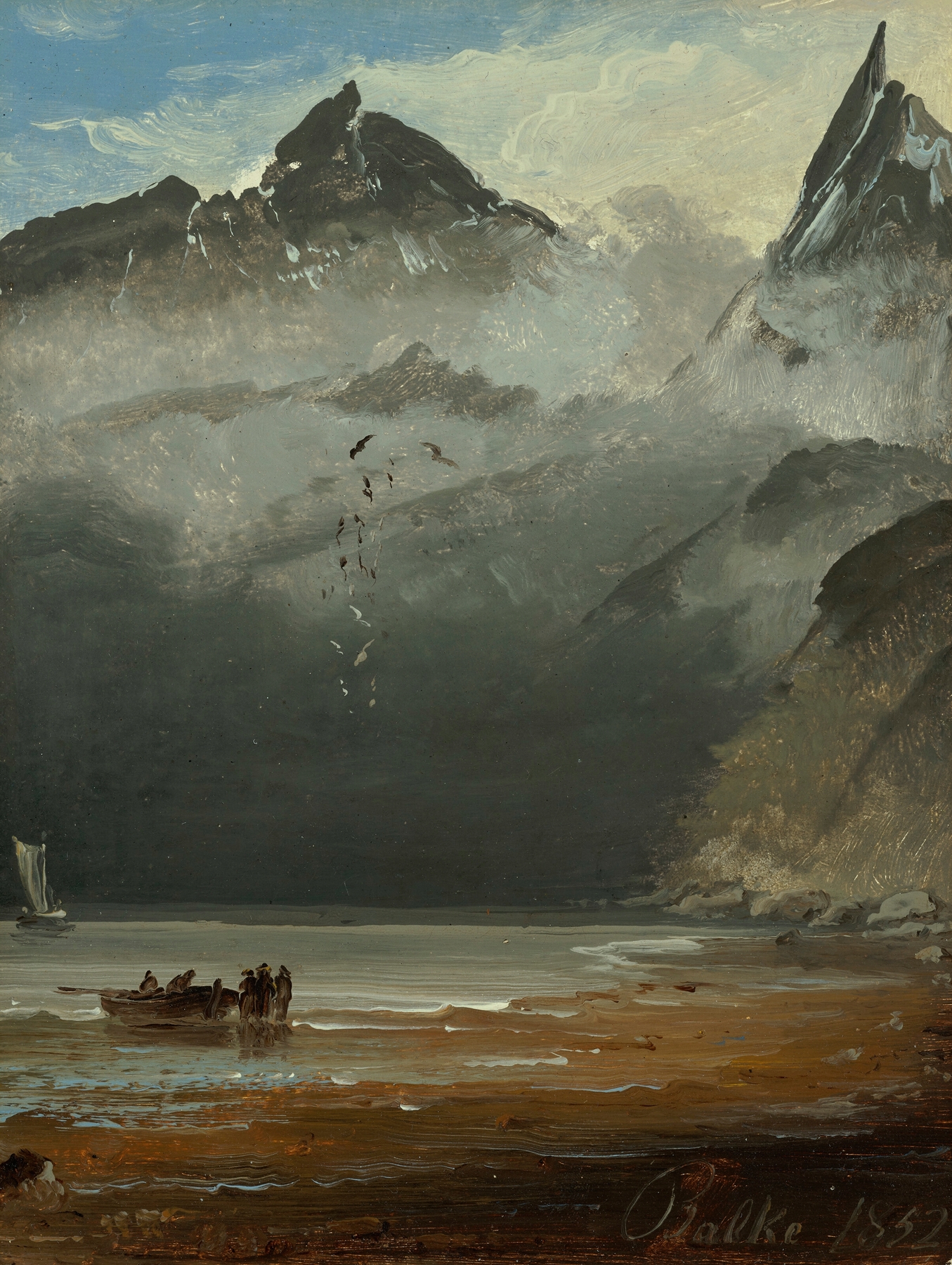
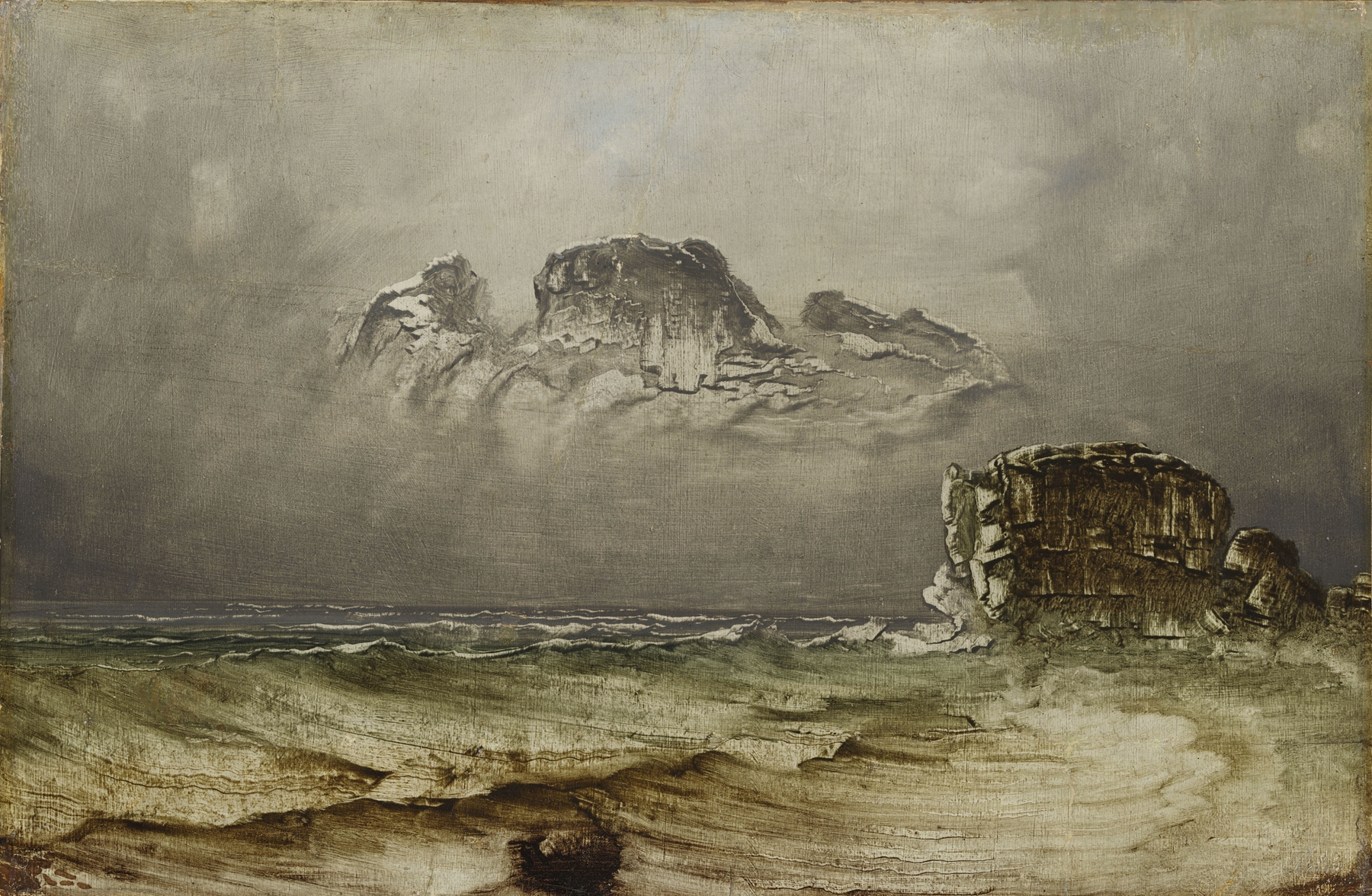
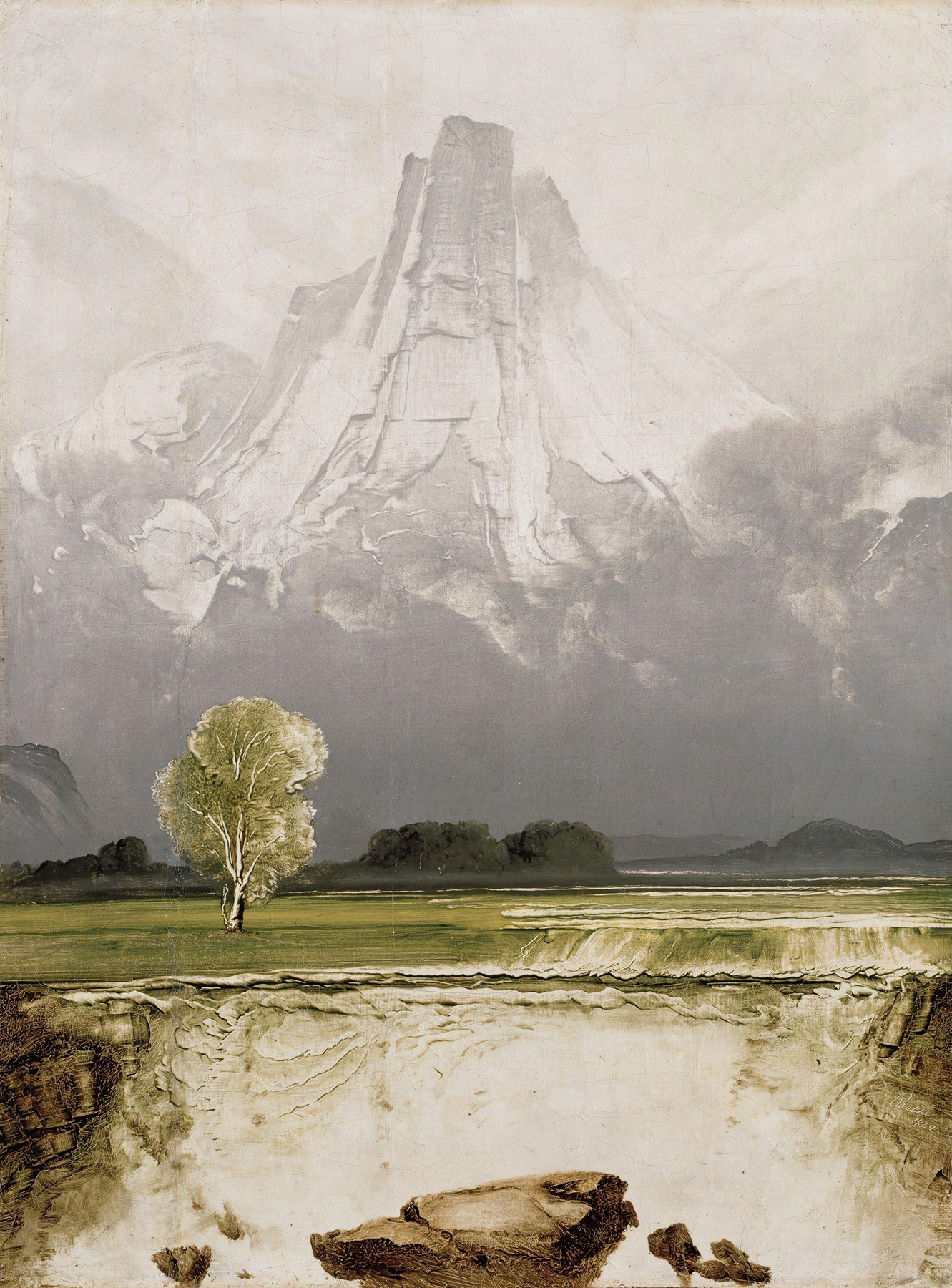
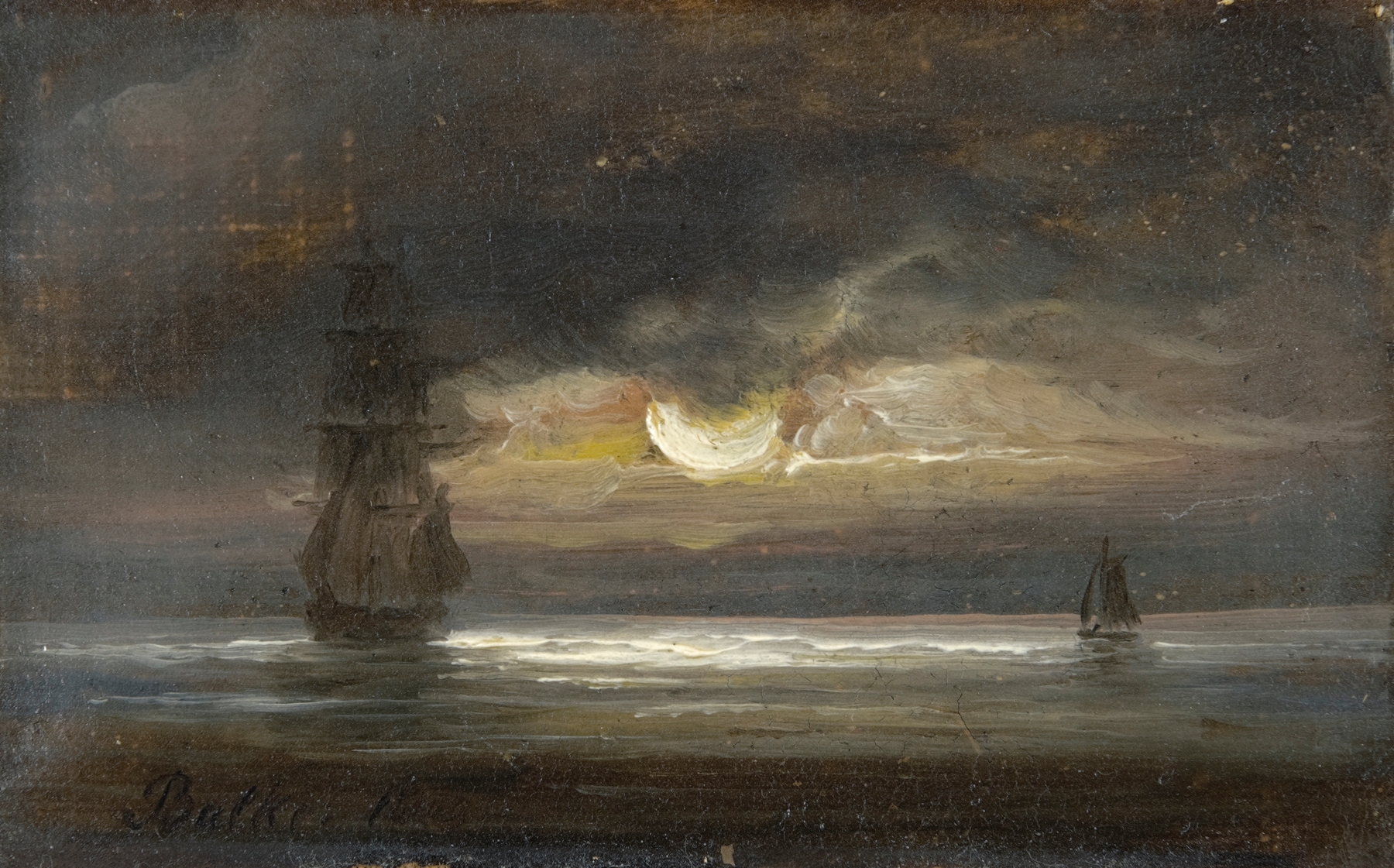
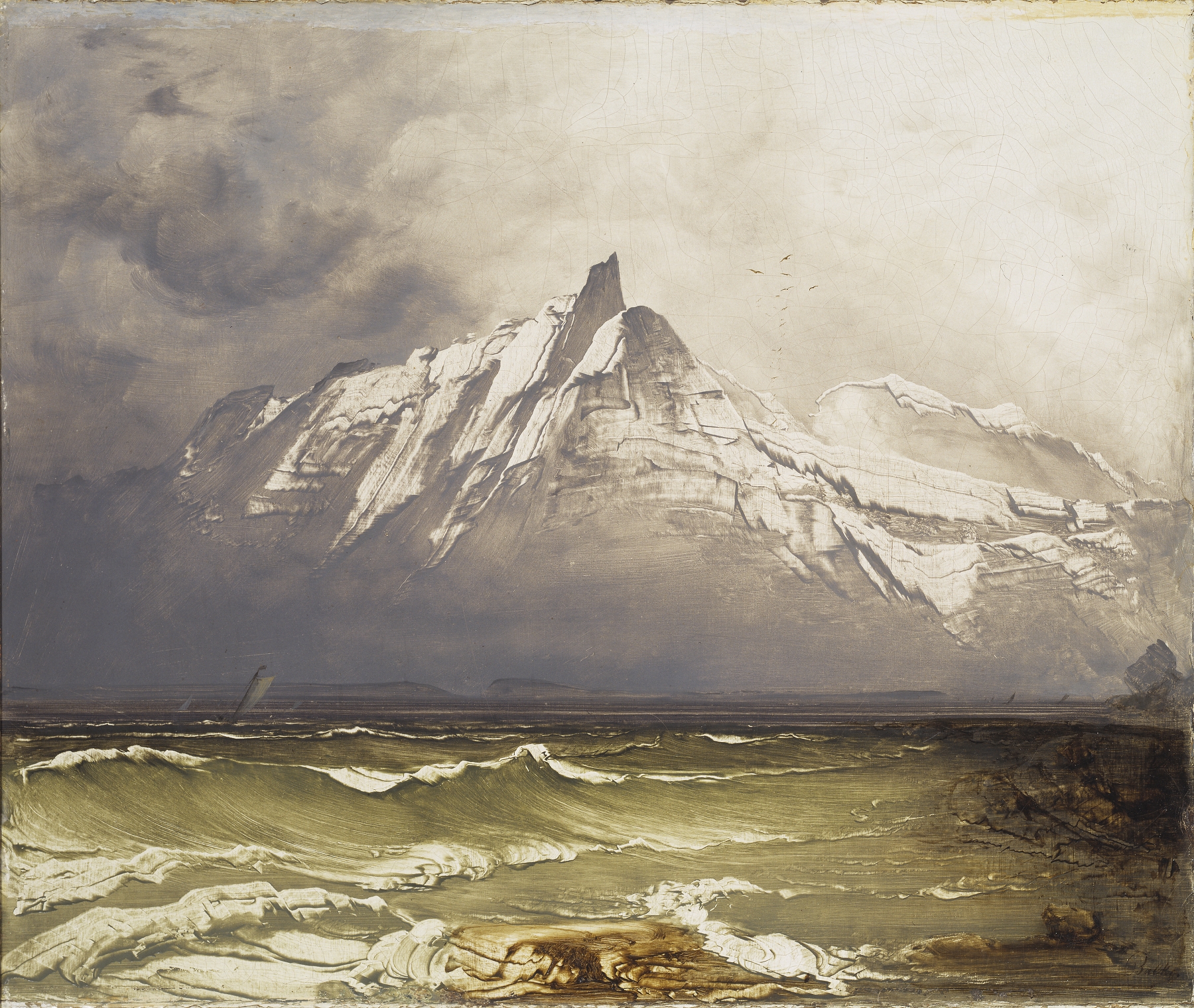
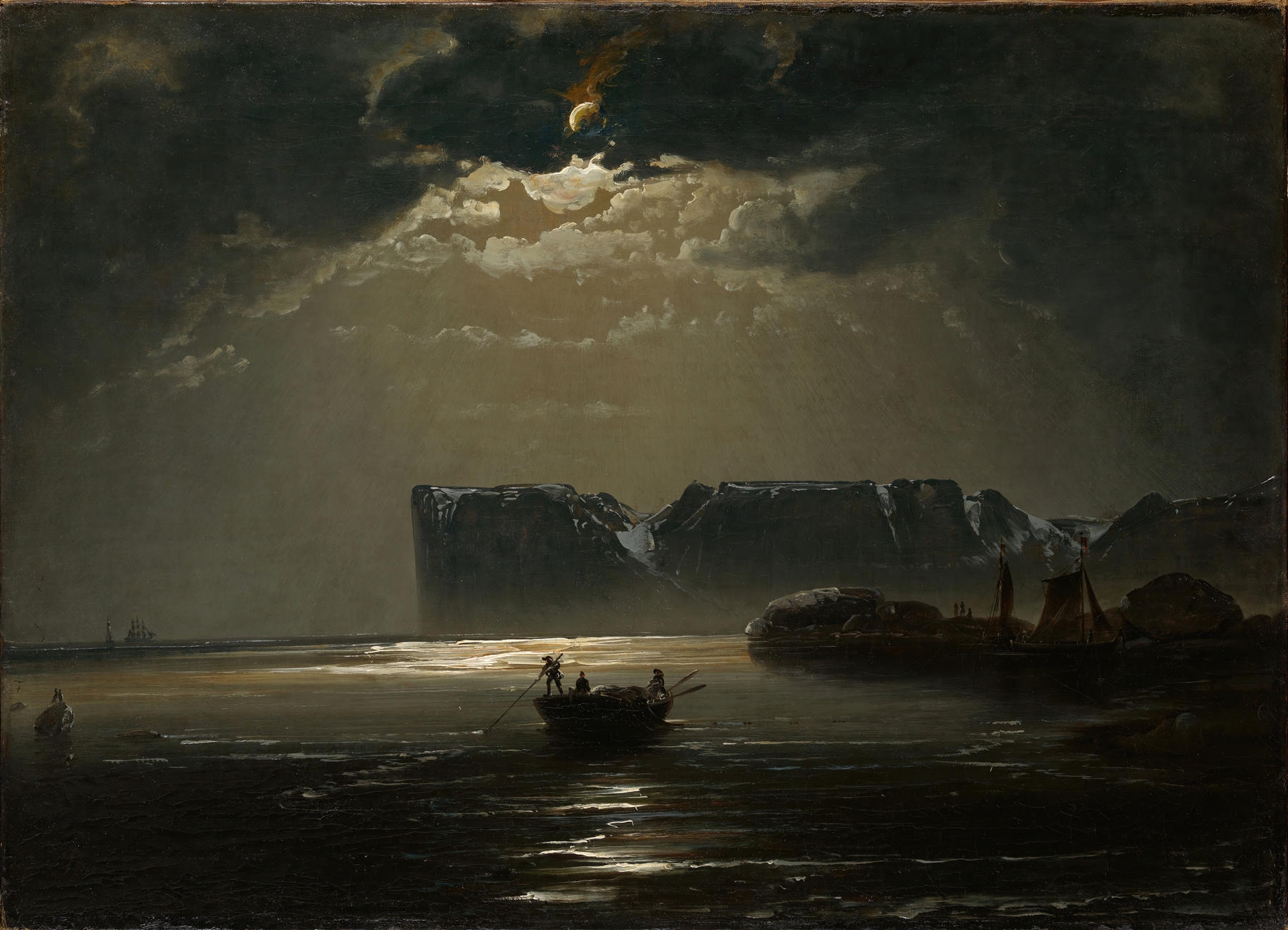
“Under the brush, chaos becomes grace.” In the realm of art, the transformation of tumultuous nature into serene beauty is a profound act of creation. Look closely at the swirling clouds and the stark moonlit landscape; your gaze is immediately drawn to the ethereal glow that bathes the rugged terrain. The icy mountain tops pierce the night like silent sentinels, while the water’s gentle ripples reflect the luminous moon. Balke's delicate brushwork captures the interplay of light and shadow, with hues of deep blue and soft silver blending seamlessly, evoking both tranquility and awe. Beneath the surface, a tension brews between nature's raw power and the sublime beauty of the scene. The dynamic movement of the clouds suggests an impending storm, while the calmness of the moonlit water invites introspection. This contrast mirrors human emotion — the tumult we endure against the peace we seek. The solitary moon, a beacon in the darkness, evokes solitude, yet offers hope, a reminder of guidance amid chaos. Peder Balke created *The North Cape by Moonlight* in 1848, amidst a period of personal experimentation and shifting styles in the art world. Living in Norway, he embraced the Romantic tradition, focusing on the sublime in nature. At that time, Balke was seeking to redefine landscape painting, using this piece to explore the emotional depths of his surroundings while reflecting broader European artistic currents that sought to connect viewers with the grandeur of the natural world.