From North Cape — History & Analysis
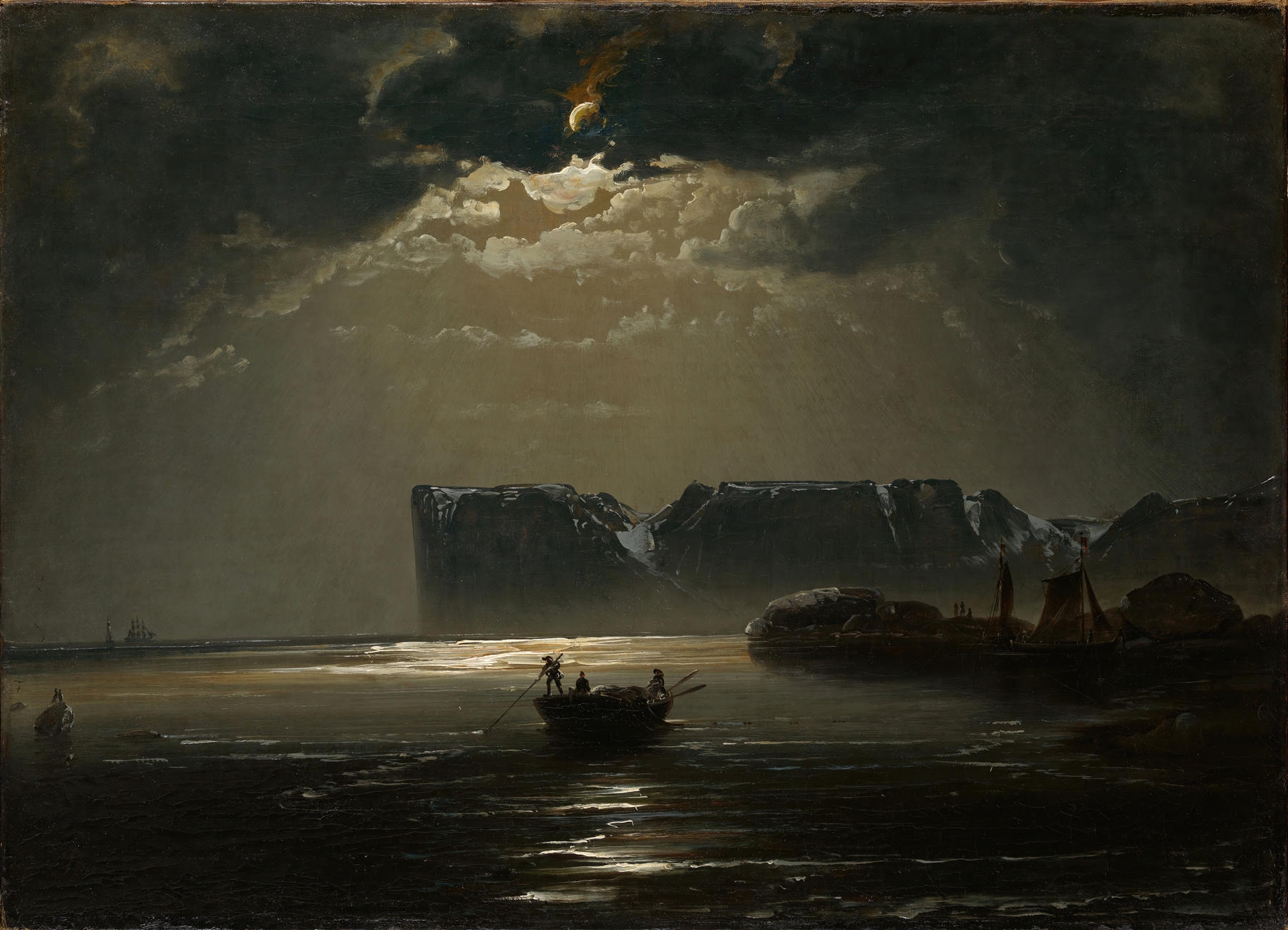
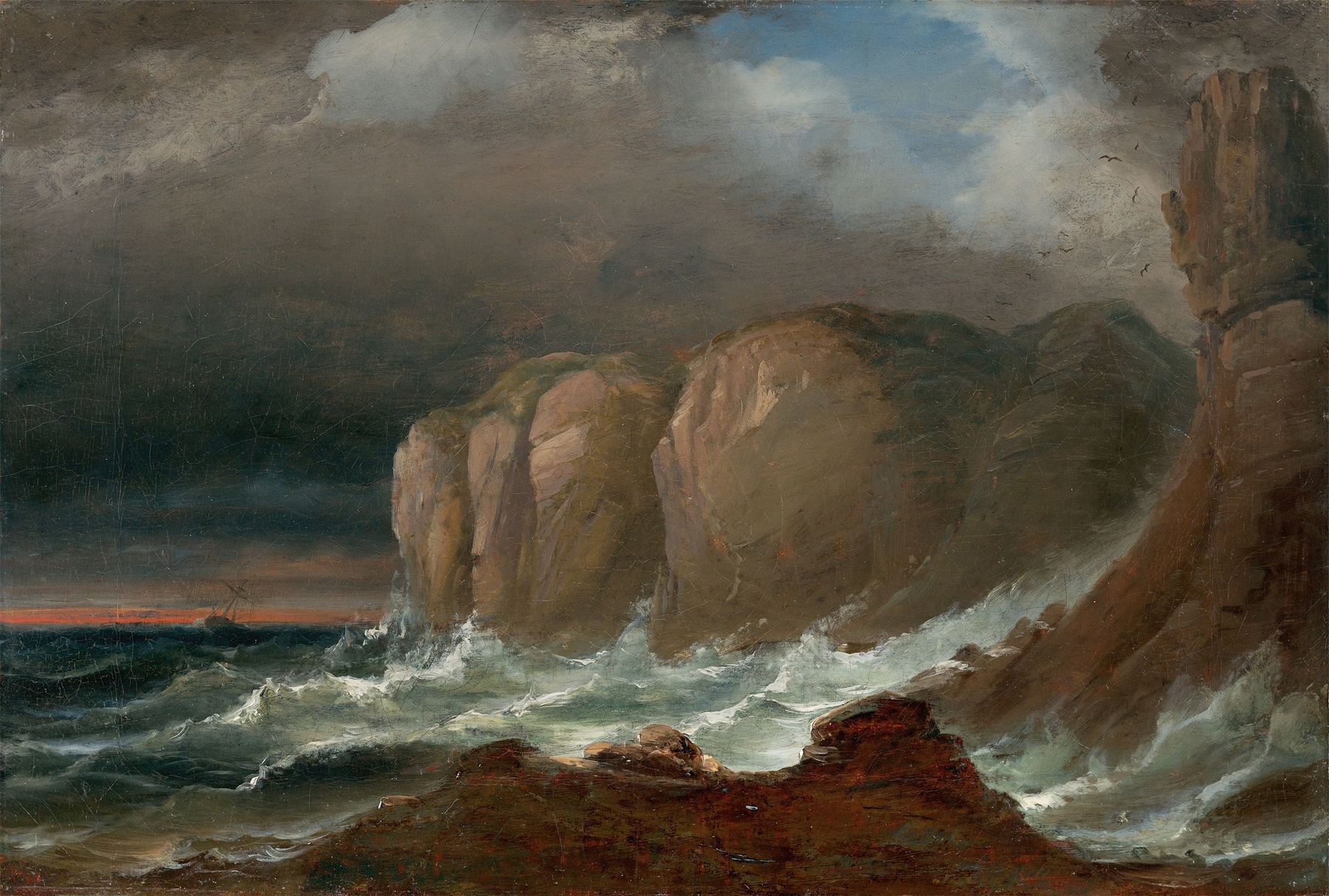
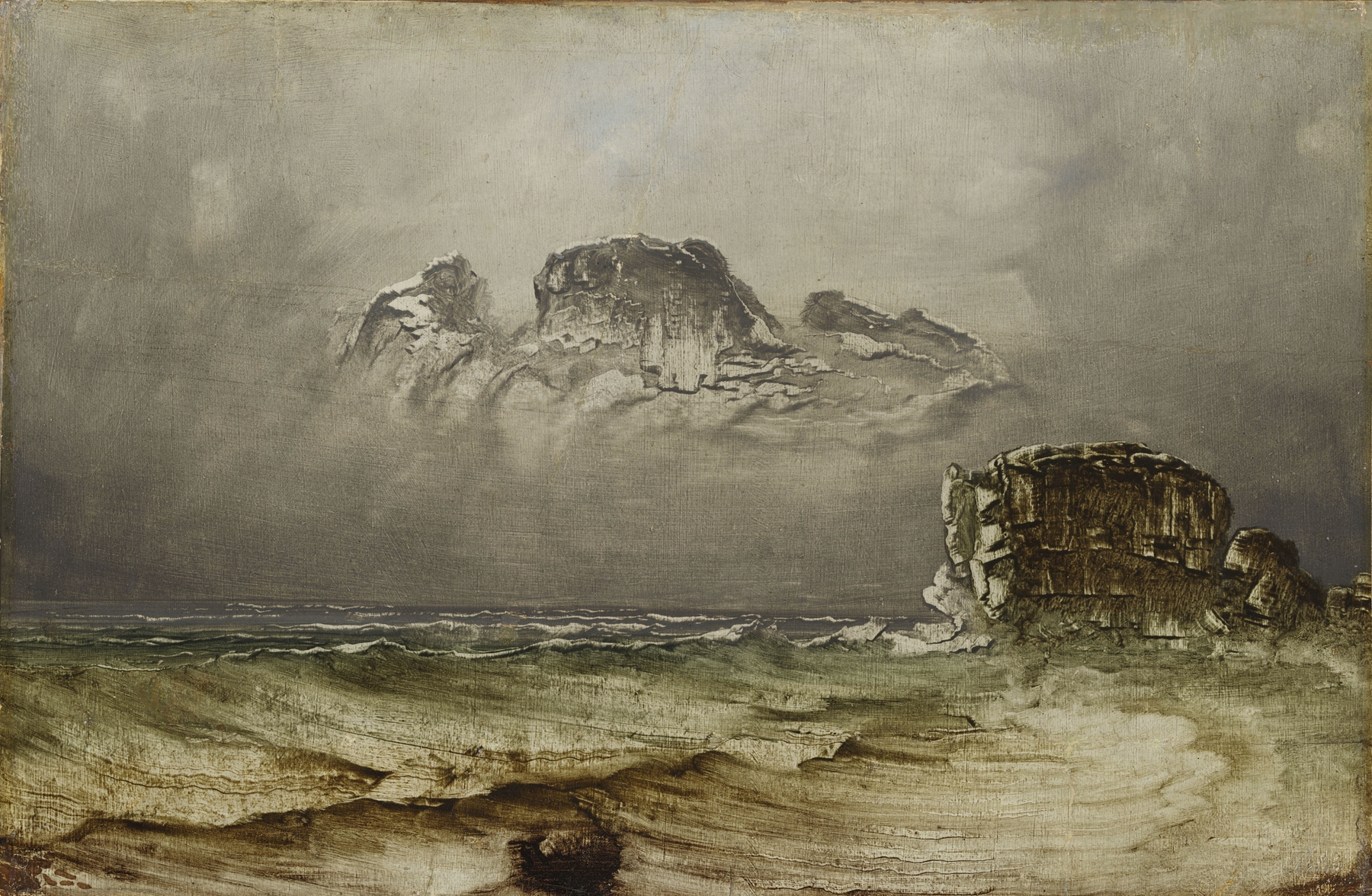
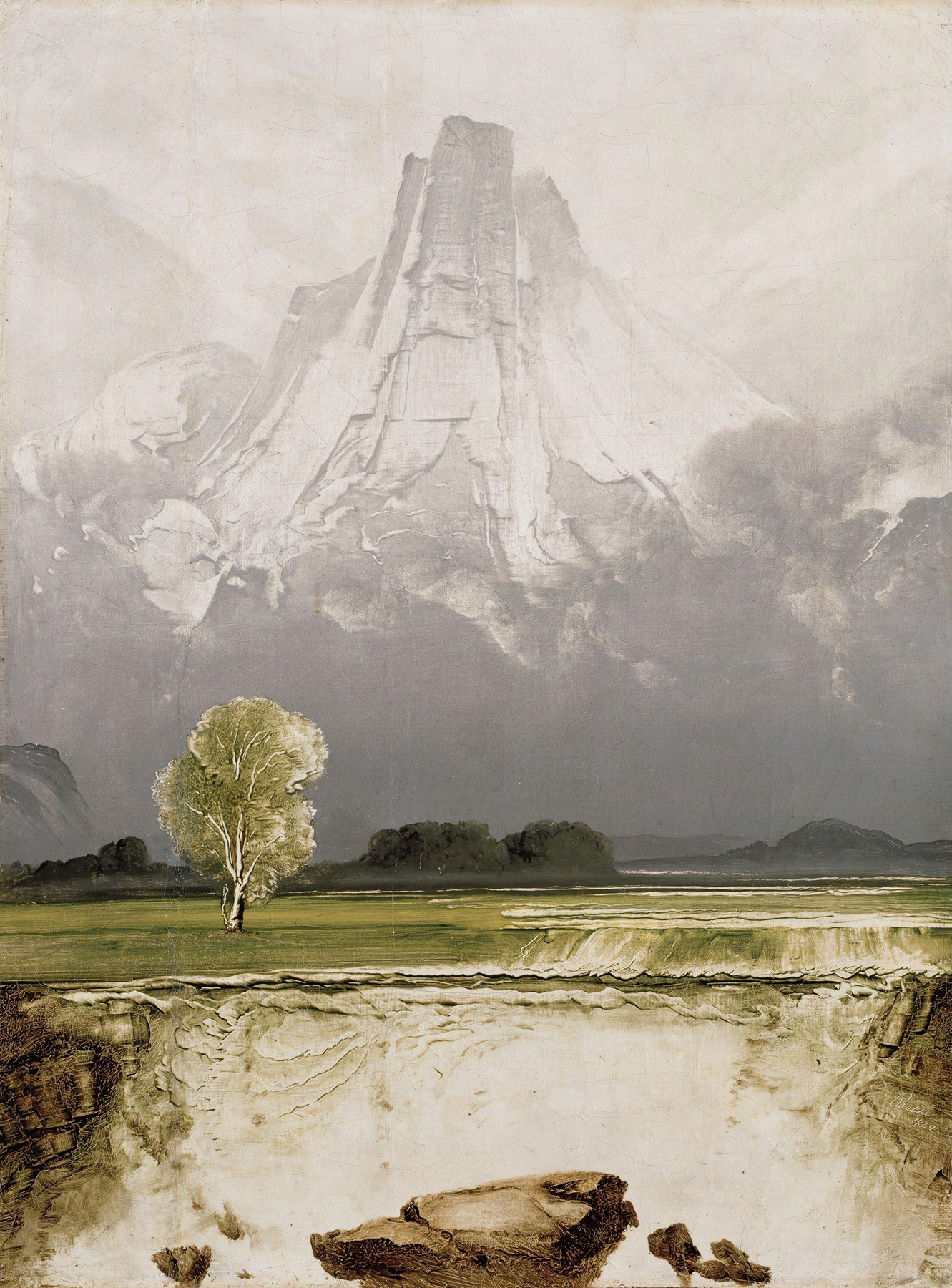
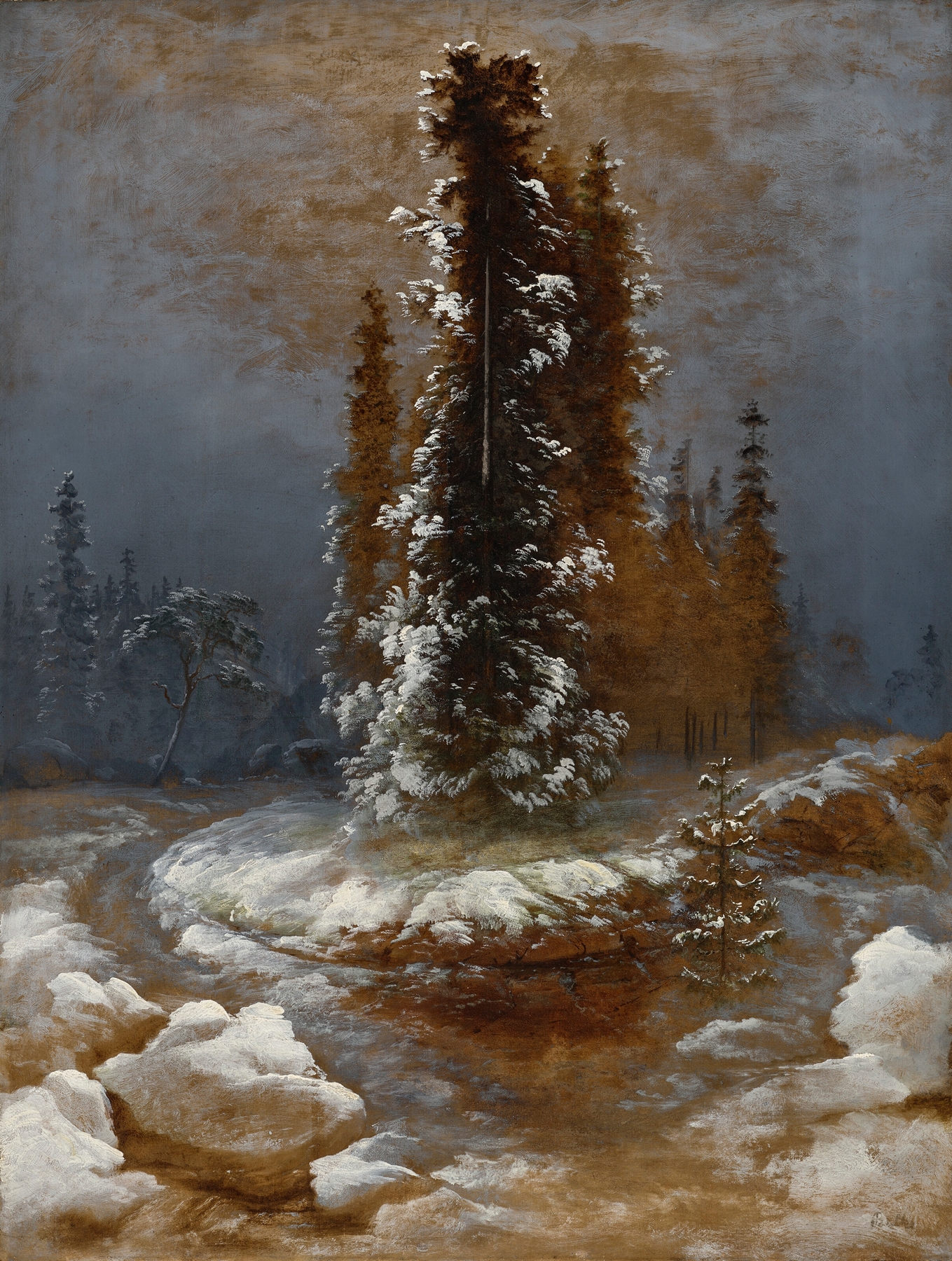
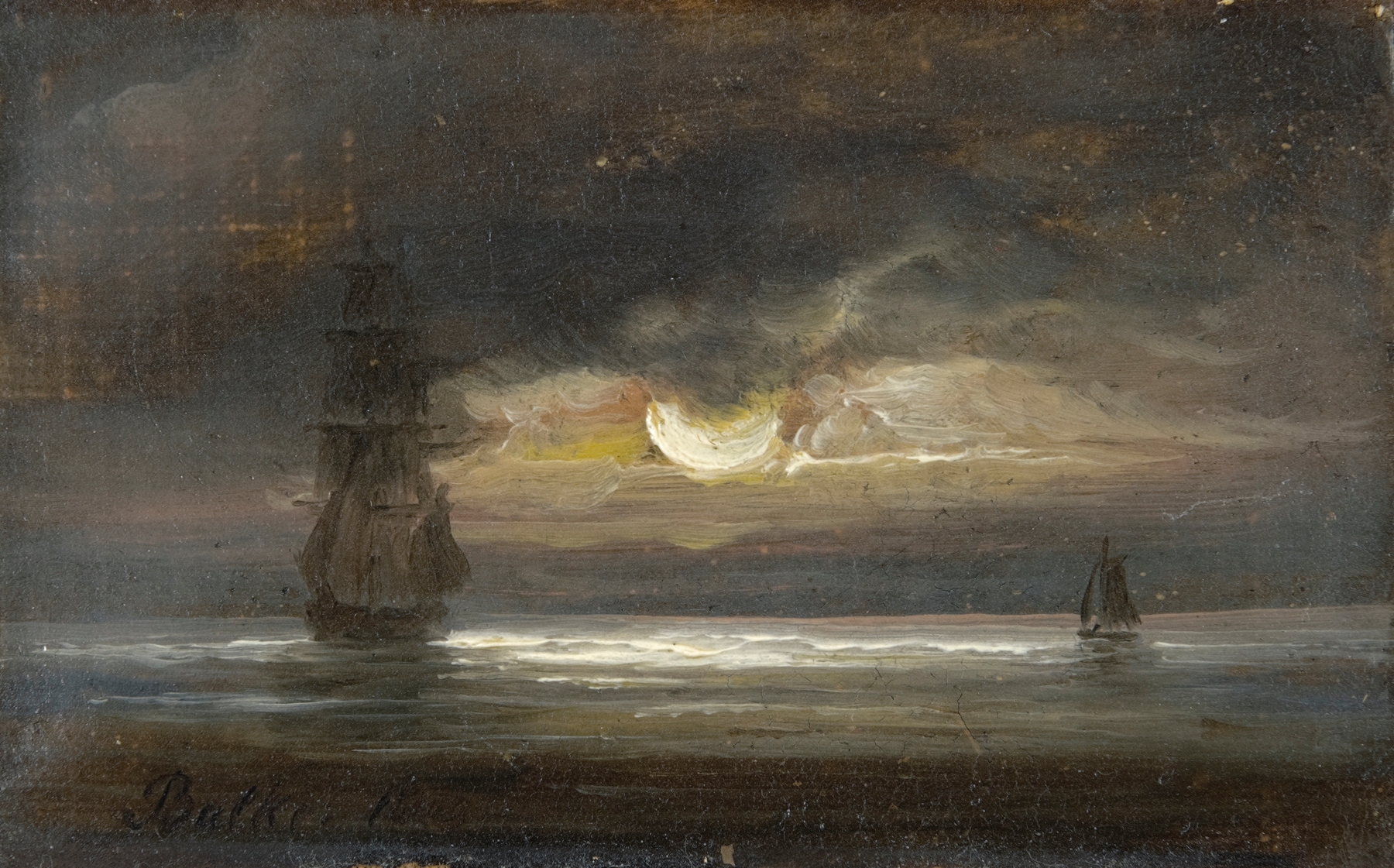
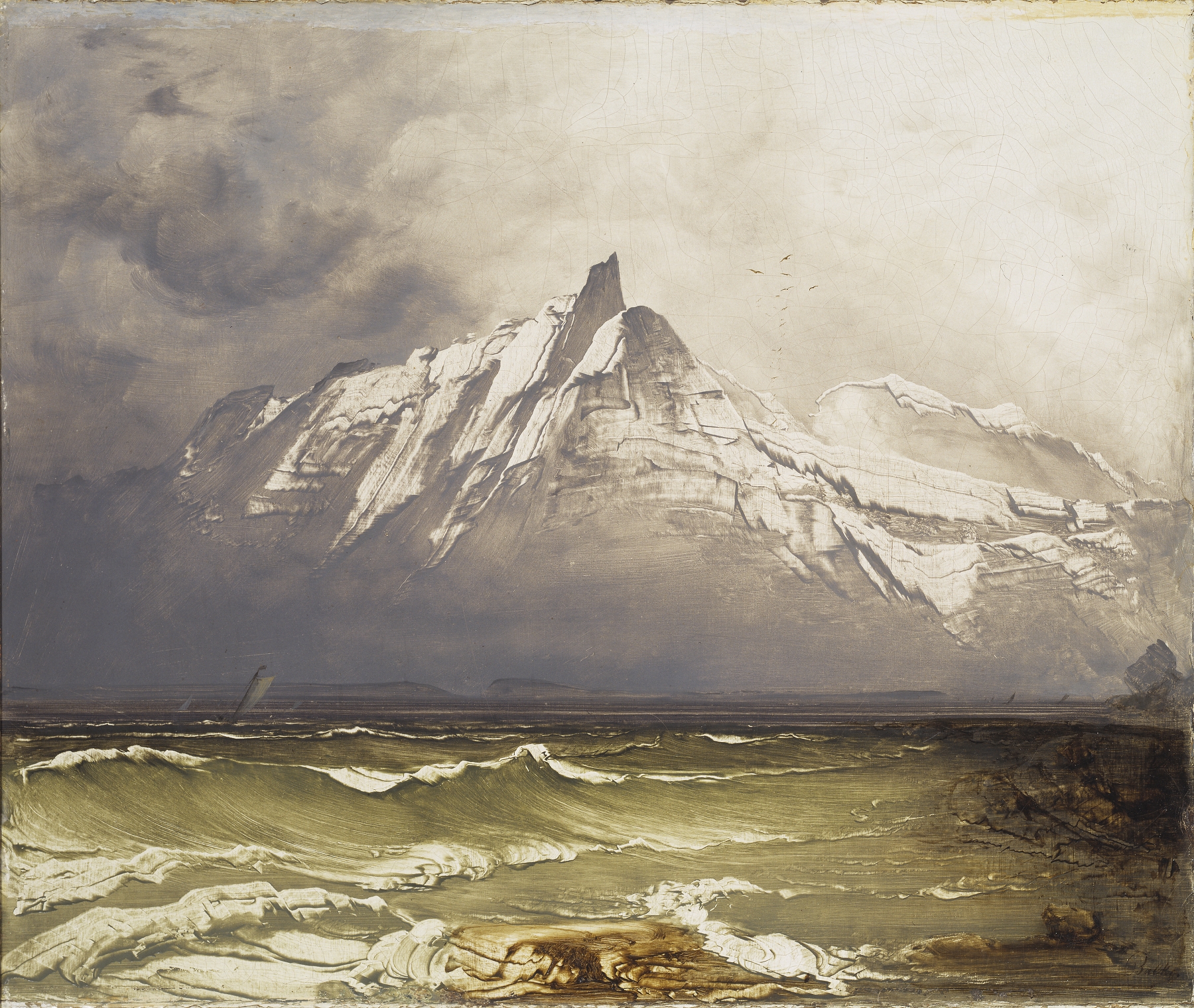
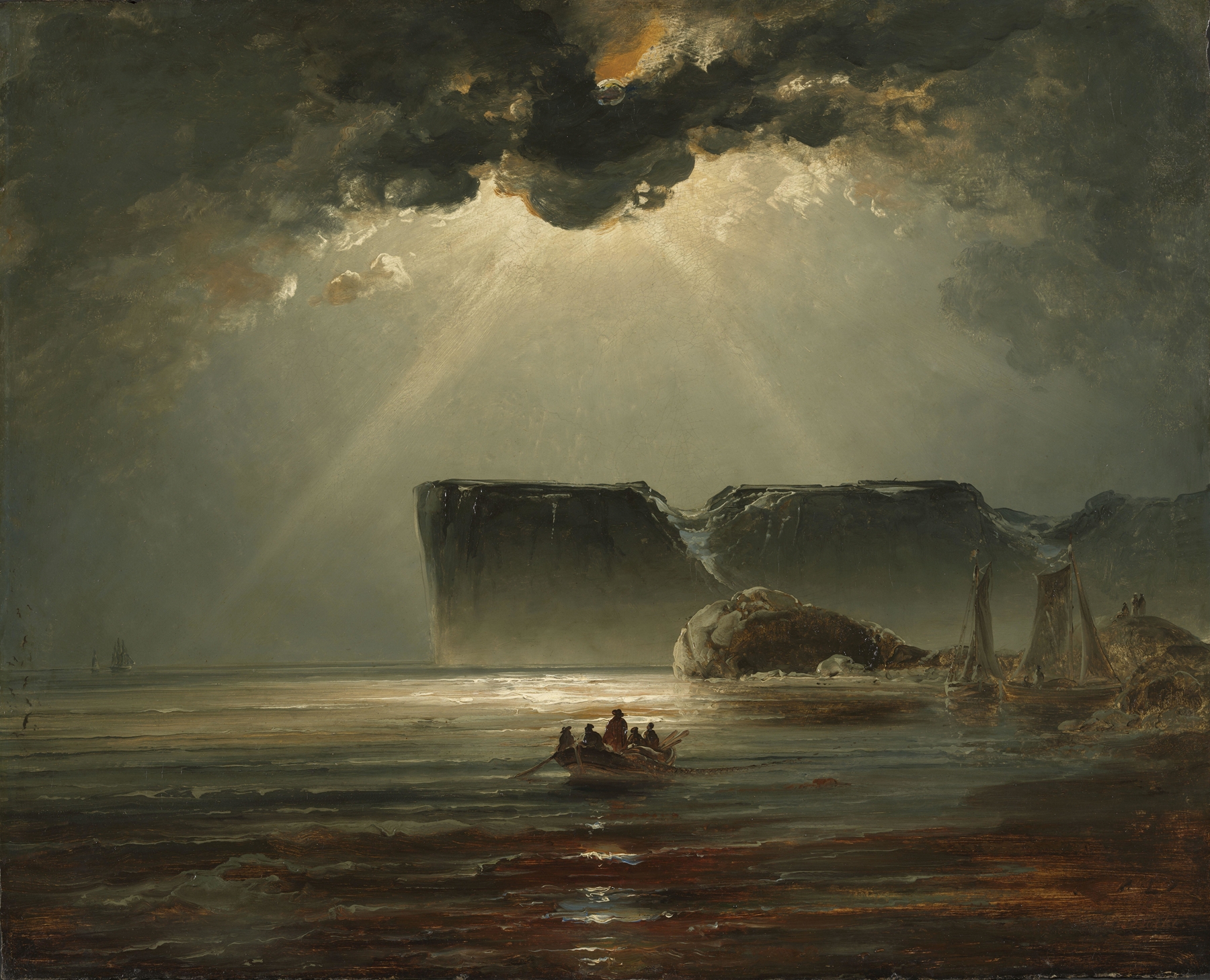
“Art reveals the soul when the world turns away.” In the face of nature’s majestic chaos, we find a reflection of our own turmoil, a powerful echo of internal struggle nestled within the serene beauty of the wild. Look closely at the swirling clouds that dominate the canvas; their tumultuous shapes draw your eye upwards, suggesting a violent storm brewing just out of reach. The icy blue tones contrast sharply with the fiery hues at the horizon, creating a sense of impending chaos that feels both menacing and awe-inspiring. The starkness of the rocky foreground grounds the scene, while the brilliant light peeking through the clouds imparts a sense of hope amidst uncertainty.
This artwork holds a tension between tranquility and turmoil, inviting viewers to contemplate the delicate balance of nature’s forces. The chaotic brushstrokes speak to an emotional depth, while the distant ship, barely visible, symbolizes humanity’s frail attempt to navigate through life’s unpredictability. The interplay of light and darkness evokes a paradoxical sense of solace found in the chaotic embrace of the natural world.
Created in 1840, this piece emerged during a time of considerable change for Peder Balke. Living in Norway, he was deeply influenced by the Romantic movement, which emphasized emotion and individuality. At this juncture, Balke was exploring the sublime in nature, reflecting not only his personal sentiments but also the broader artistic shift towards expressing the profound in the face of chaos.