Two Sailing Boats By Moonlight — History & Analysis
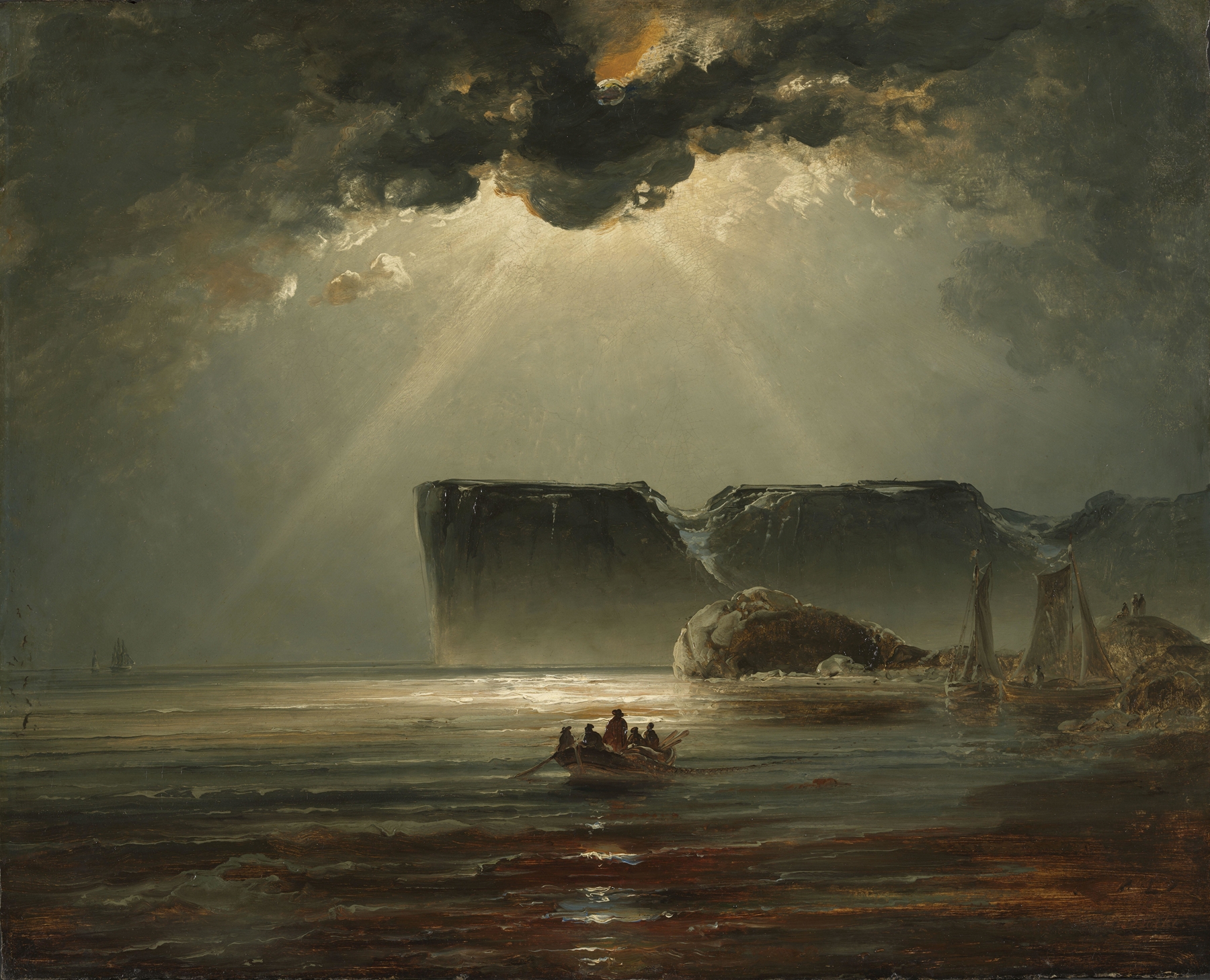
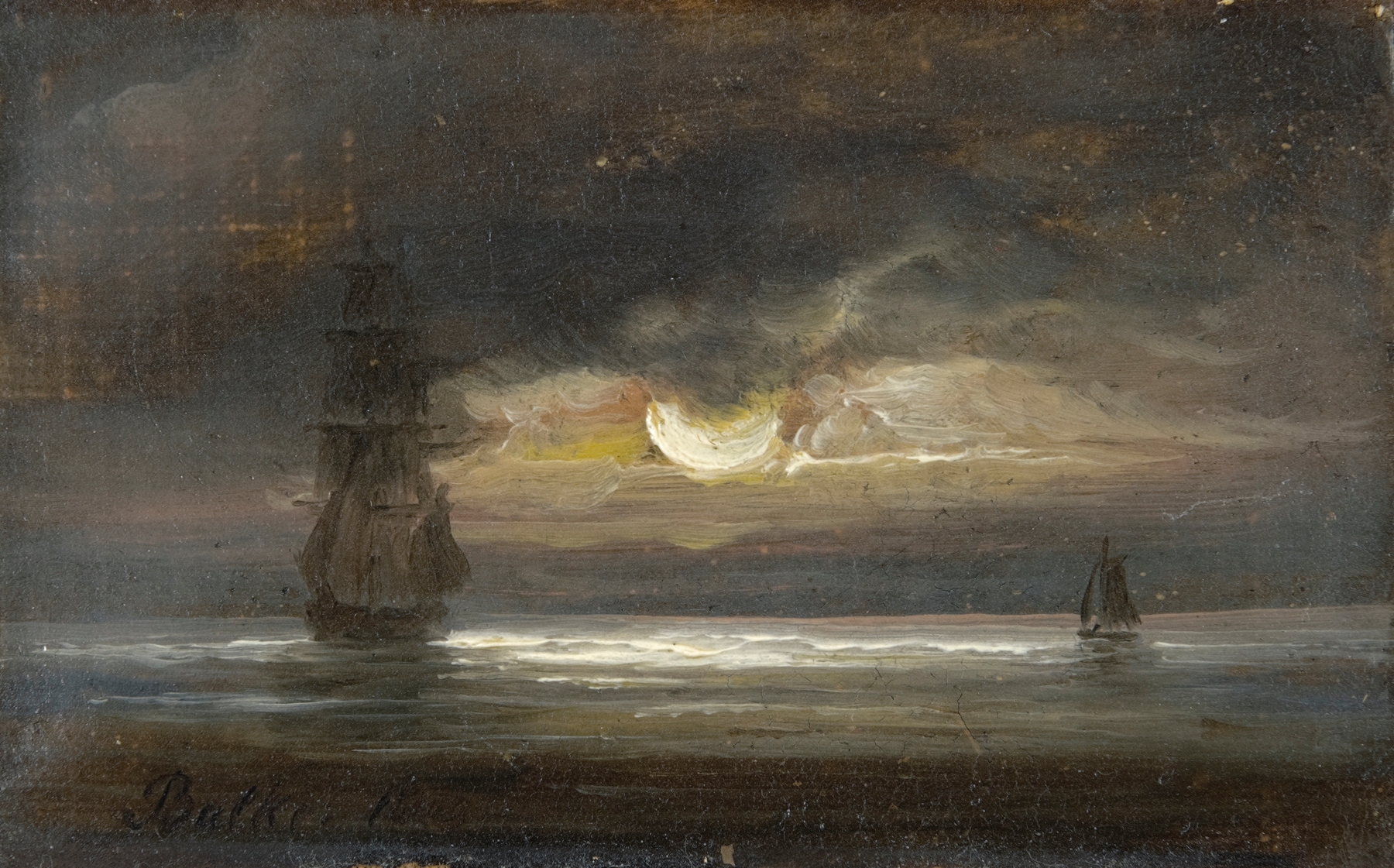
“Under the brush, chaos becomes grace.” In the stillness of the night, two boats glide silently across the shimmering water, their sails catching the gentle whispers of the moonlit breeze. What lies beneath the surface is a profound tranquility, inviting us to experience serenity in its purest form. Look to the left at the luminous moon, which bathes the scene in ethereal light, illuminating the delicate outlines of the boats. Notice how Balke employs a muted palette, with deep blues and silvers blending harmoniously, creating an impression of calmness. The brushwork is soft yet deliberate, implying movement while maintaining a sense of stillness.
The boats, though depicted in motion, float effortlessly on the surface, reflecting the serene beauty of their surroundings. As you delve deeper, consider the juxtaposition of the boats against the vast, dark expanse of the water. They seem both vulnerable and liberated, symbolizing the delicate balance between nature and humanity. The serene moonlight reflects the quietude of night, an emotional tension that speaks to isolation and introspection.
Each stroke of the brush suggests a longing for peace amid the chaos of life, encapsulating a moment where time stands still. In 1843, Peder Balke painted this work in Norway, a time when the Romantic movement was exploring emotional depth and the sublime beauty of nature. His focus on atmospheric effects and the interplay of light and shadow marked a departure from more traditional landscapes, reflecting a personal quest for solace amid a world in flux. Balke's choice to capture the essence of night sailing reveals not only his mastery of technique but also his profound connection to the natural world.