The Glacier, Jostedalsbreen — History & Analysis
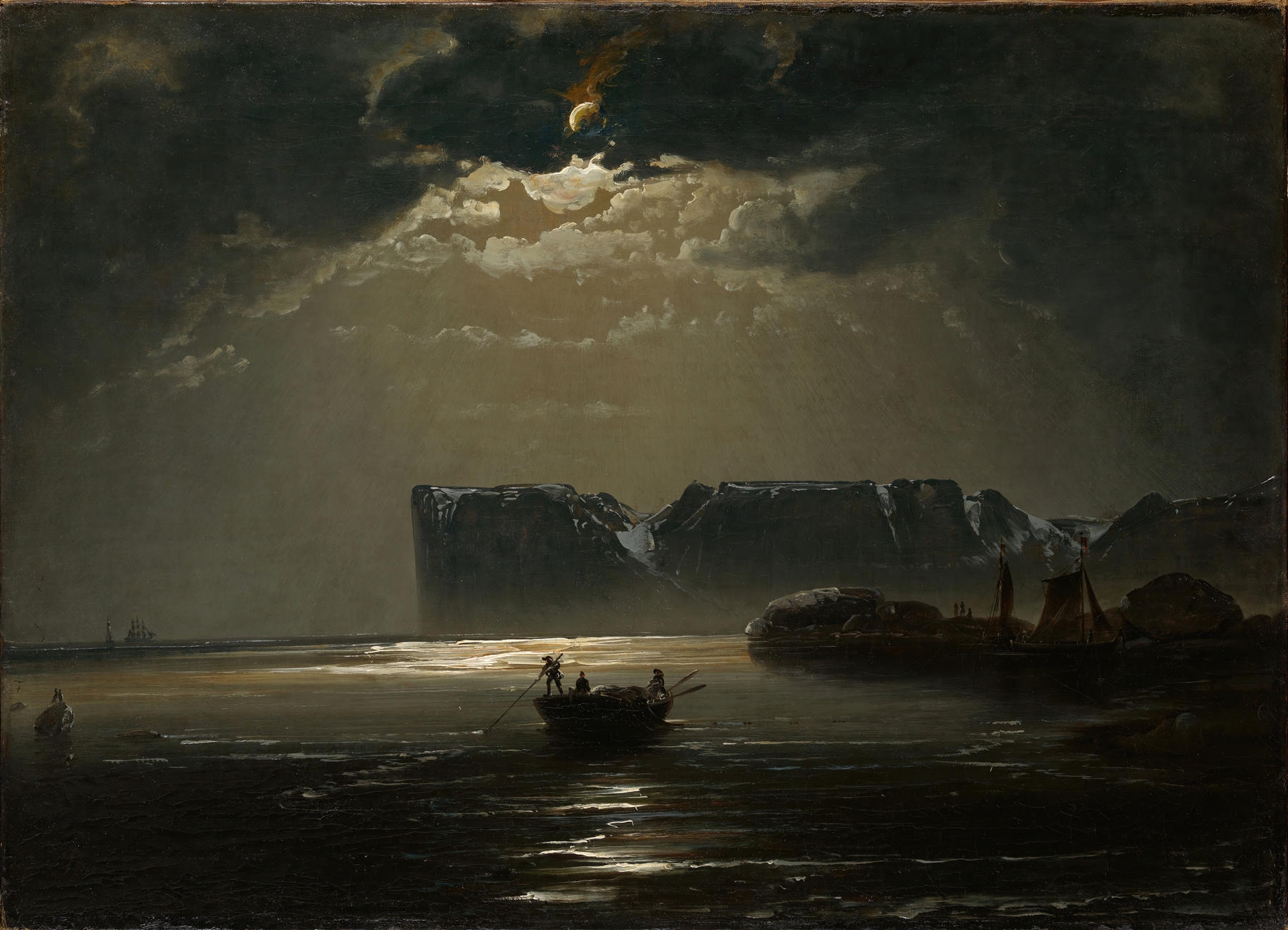
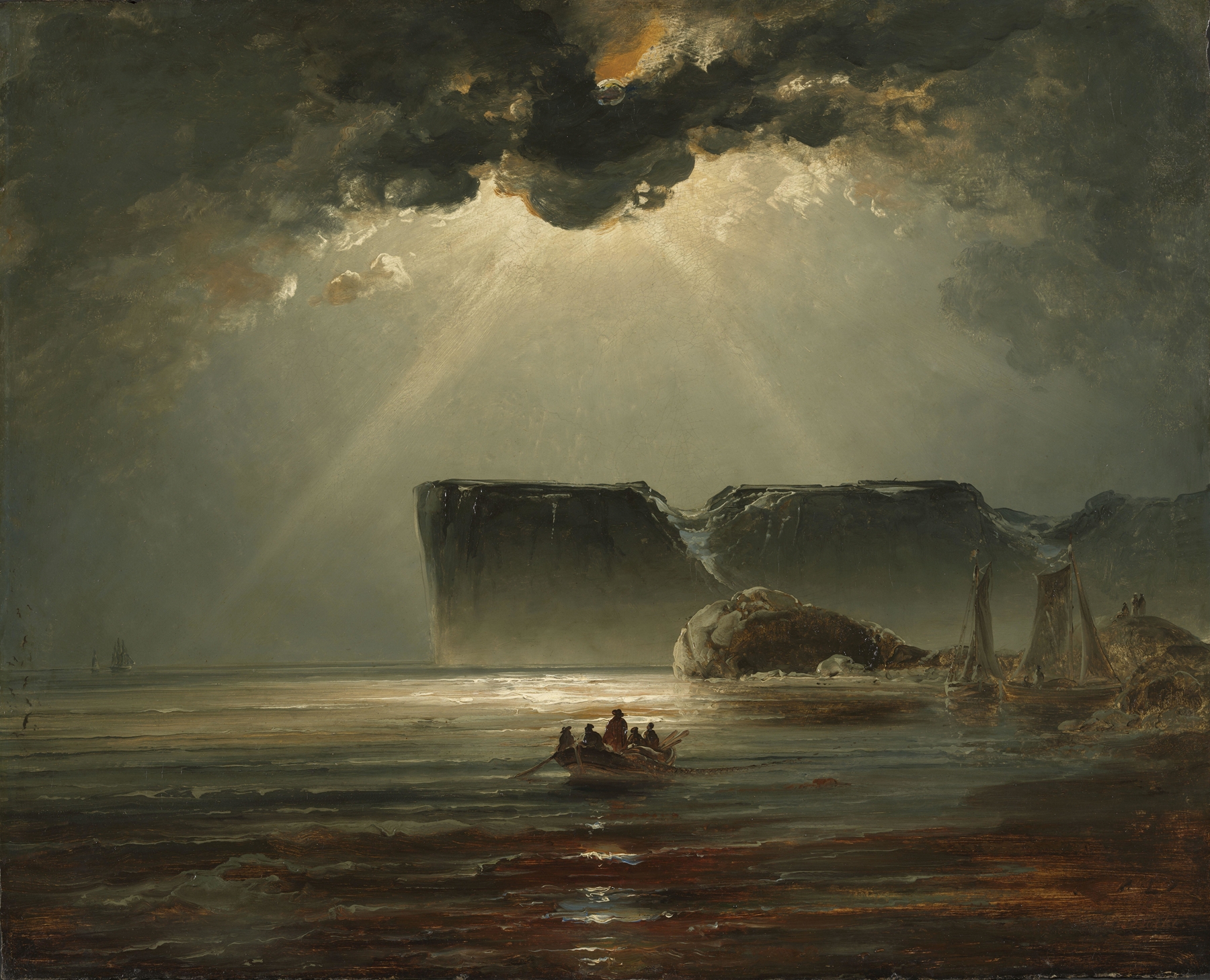
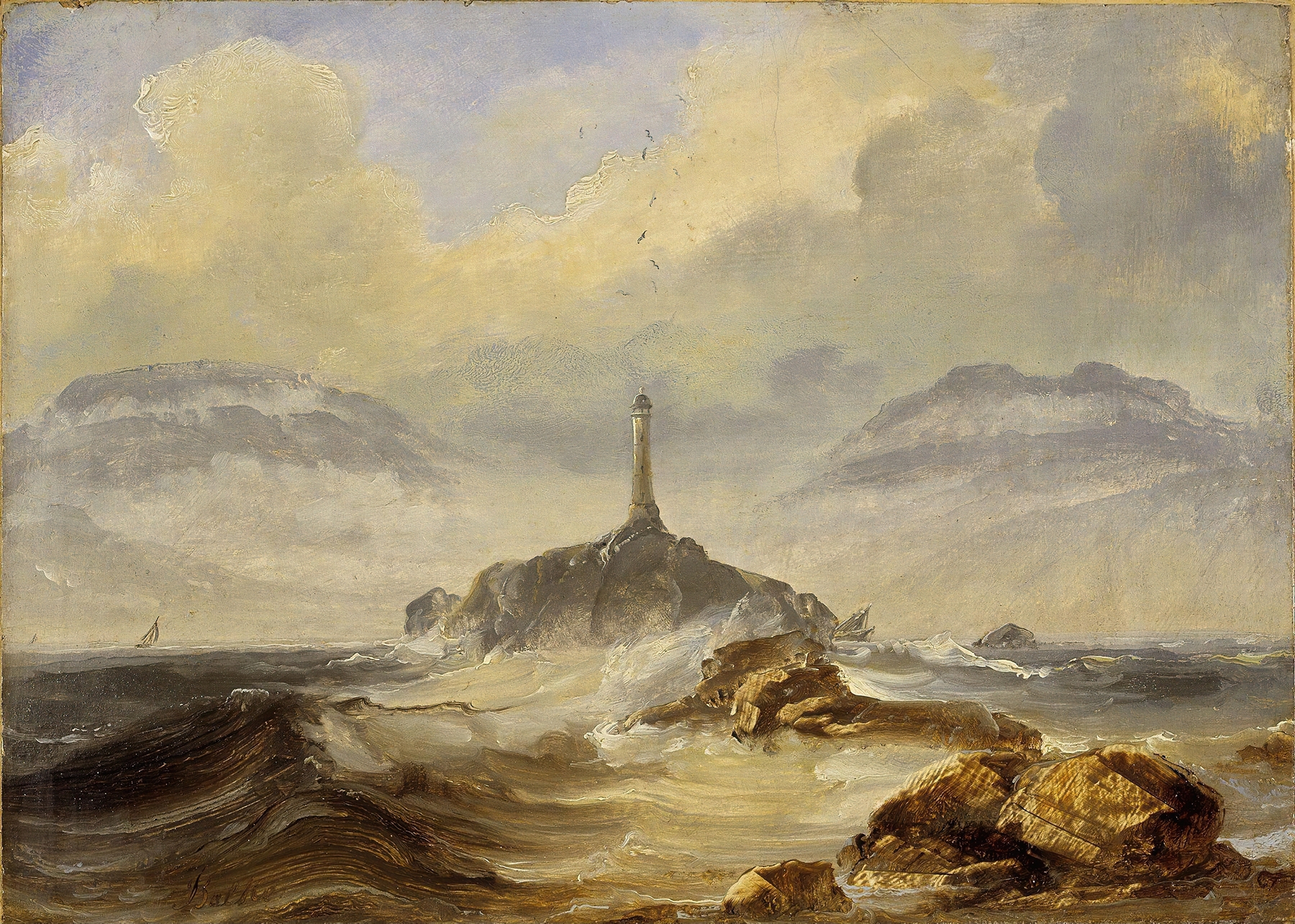
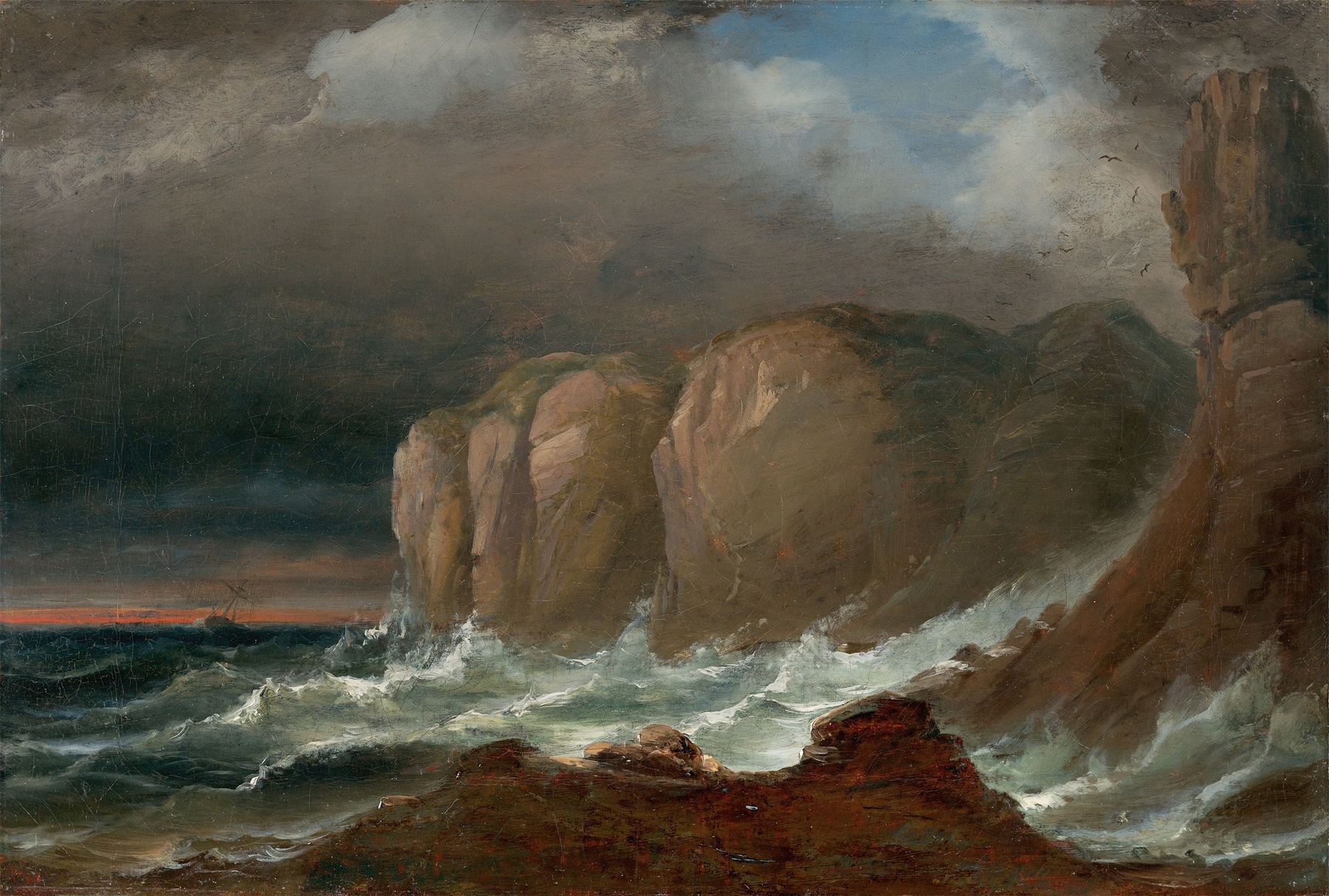
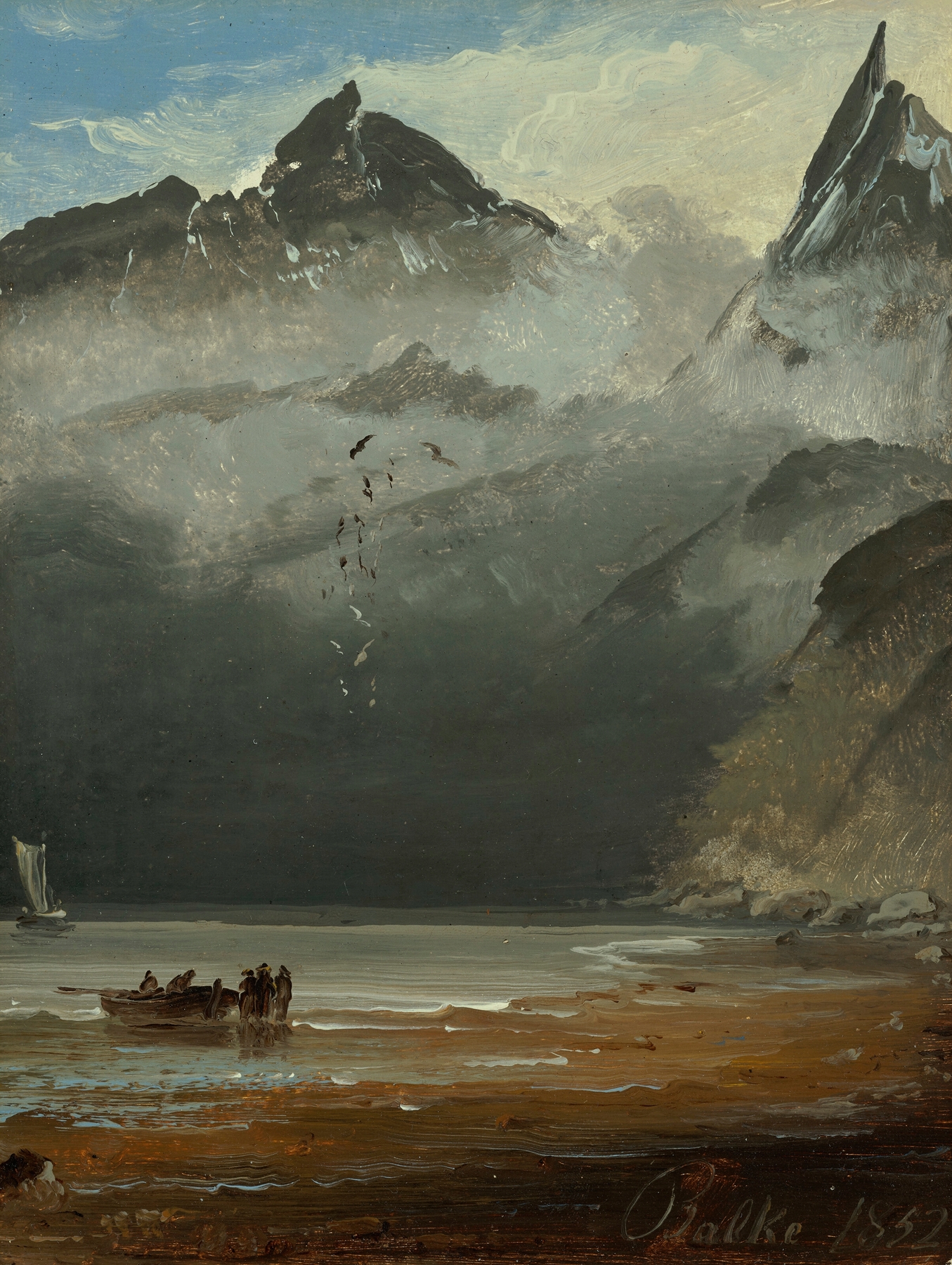
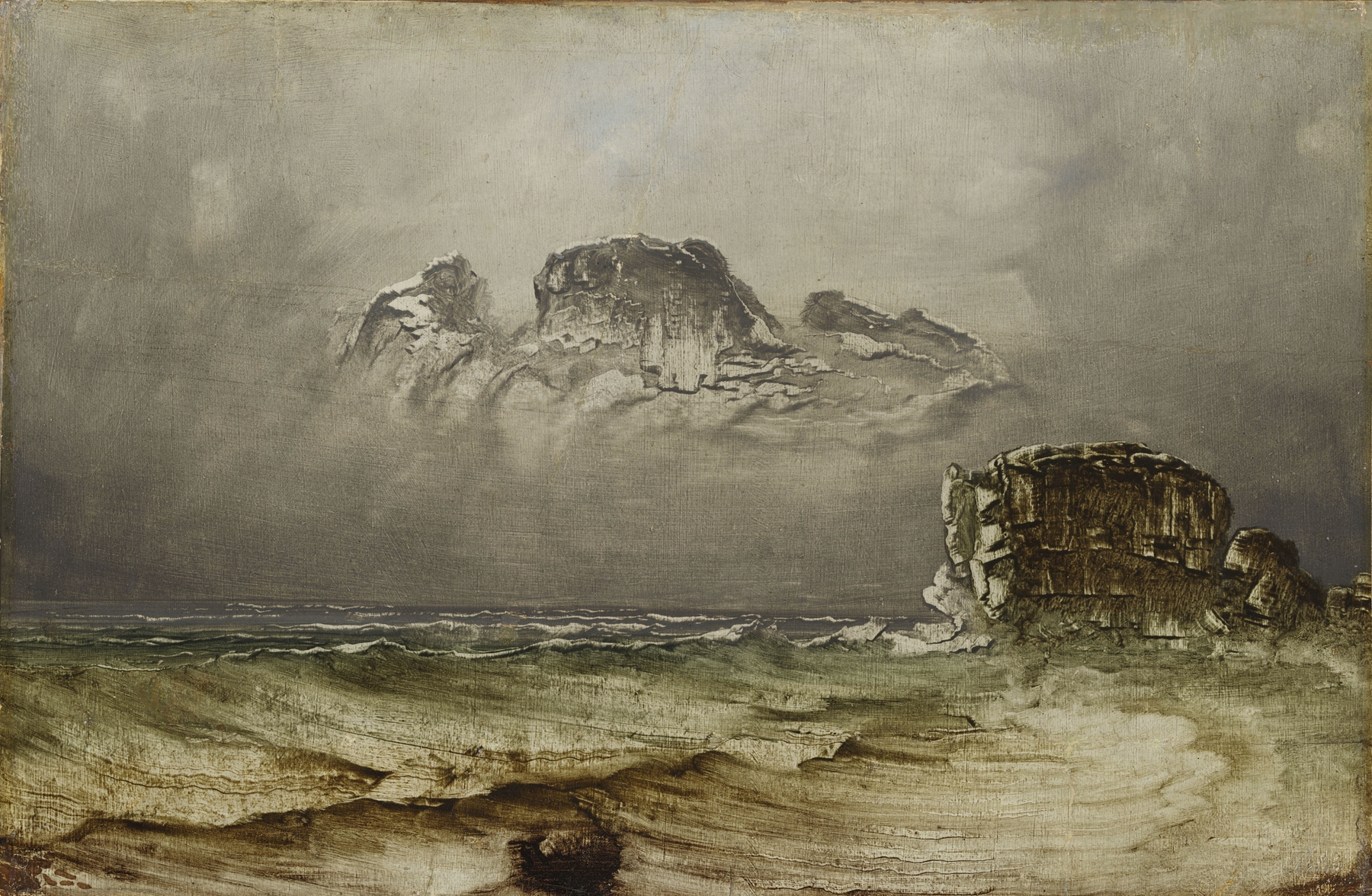
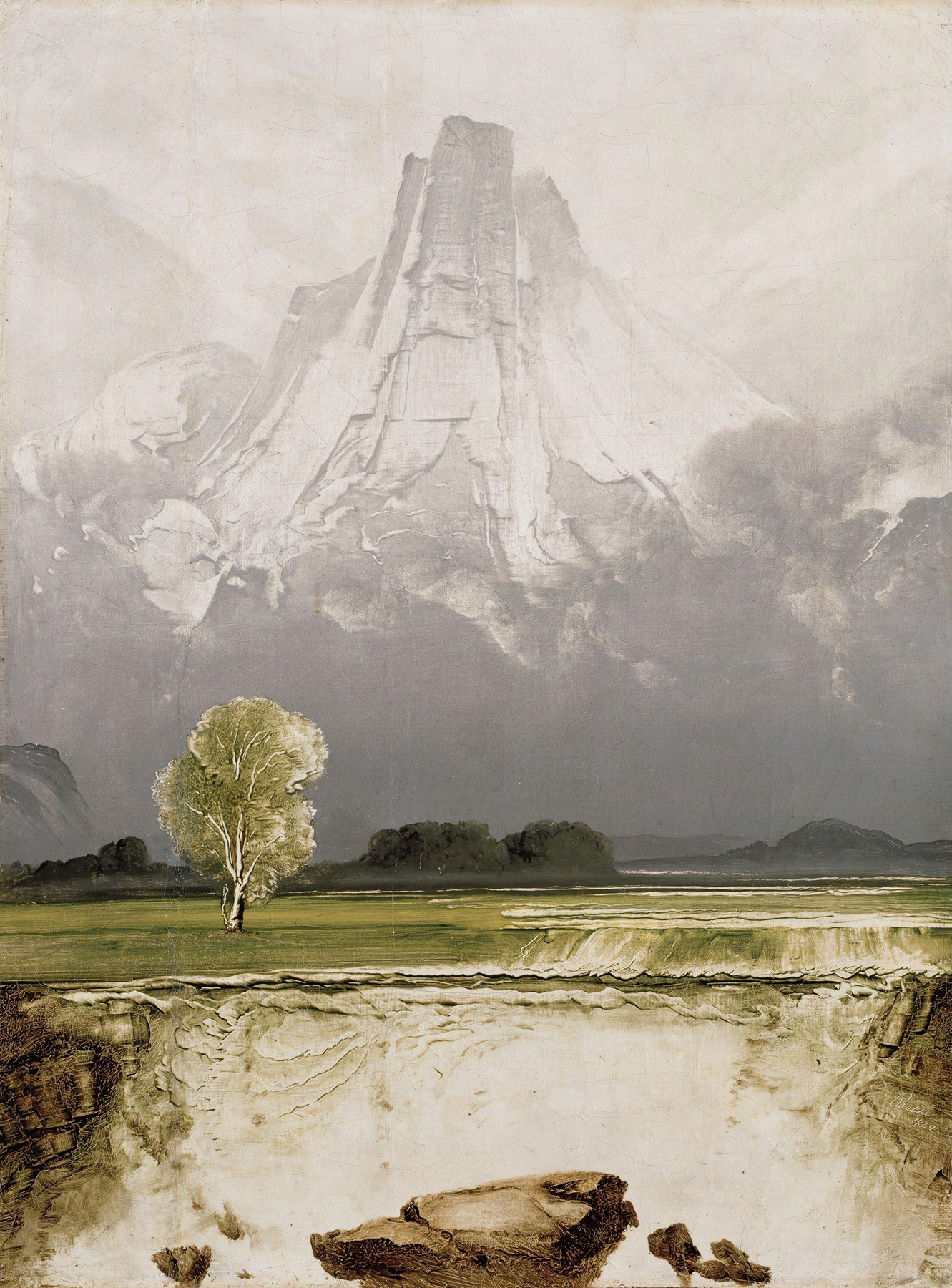
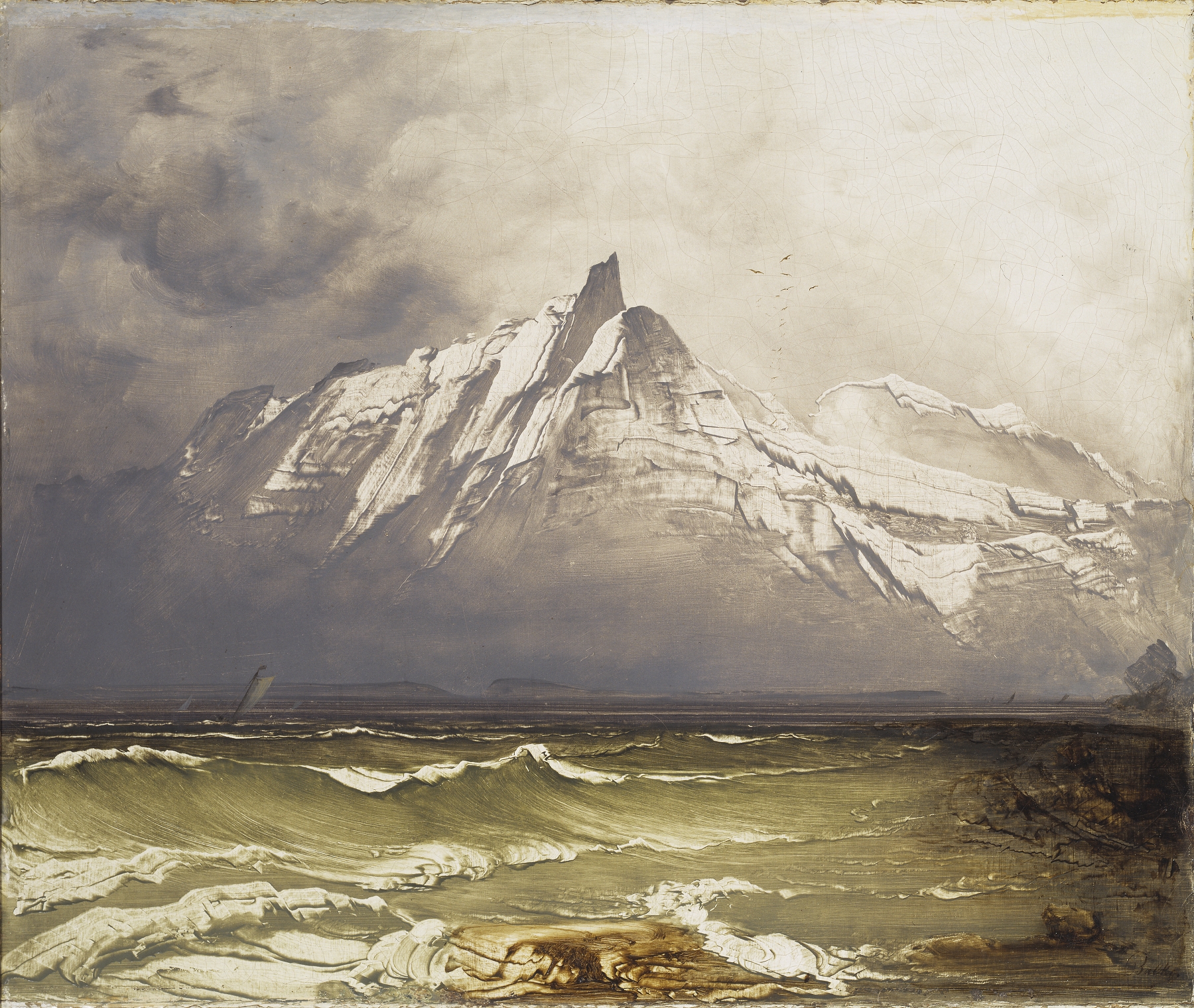
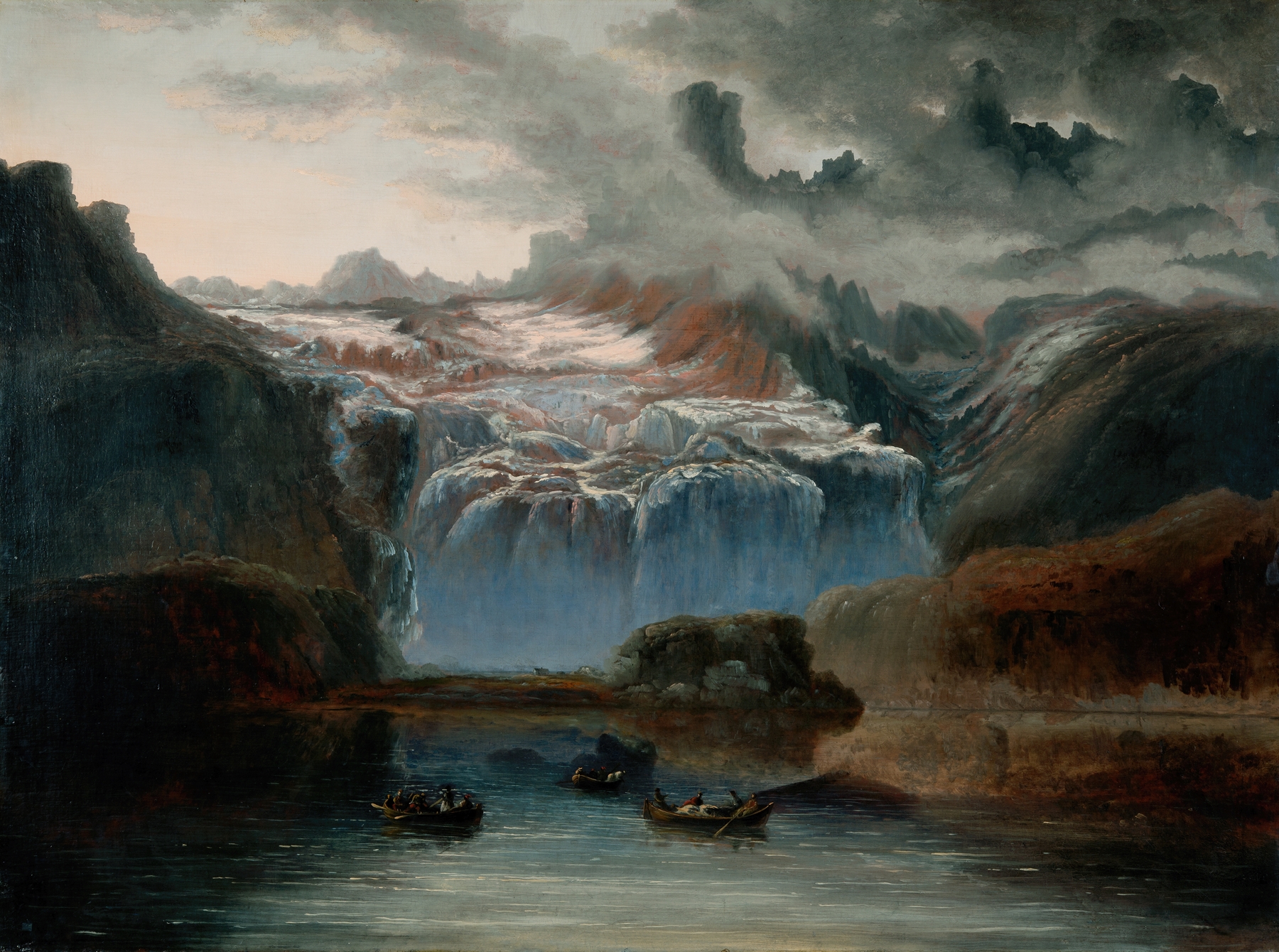
Is this a mirror — or a memory? In the stillness of Peder Balke's landscape, a profound awakening occurs, where the ethereal beauty of nature meets the depths of human introspection. Focus on the serene expanse of ice stretching across the canvas. The subtle interplay of whites and soft blues draws the eye to the shimmering surface, reflecting both the sky and the viewer's consciousness.
Notice how the brushwork, delicate yet confident, captures the essence of the glacier, inviting you to explore its crevices and contours. The misty horizon hints at an omnipresent solitude, evoking a sense of longing intertwined with the magnificence of the natural world. Delve into the contrasts present within the composition; the starkness of the ice juxtaposed against the brooding clouds hints at the fragility of nature amid looming change. A sense of isolation emerges, as if the glacier stands timeless, yet on the brink of transformation.
This duality engages the viewer, evoking a reflection on the passage of time and the impermanence of beauty itself, stirring a deep emotional connection. In the 1840s, Balke painted this masterpiece while situated in Norway during a period marked by Romantic ideals. He sought to express not just the physicality of the landscape but also the emotional resonance of nature. His works reflected a growing interest in portraying the sublime, as the world around him surged with industrialization and change, prompting a visual exploration of the sublime and the profound relationship humans have with their environment.