Drie jagers met honden — History & Analysis
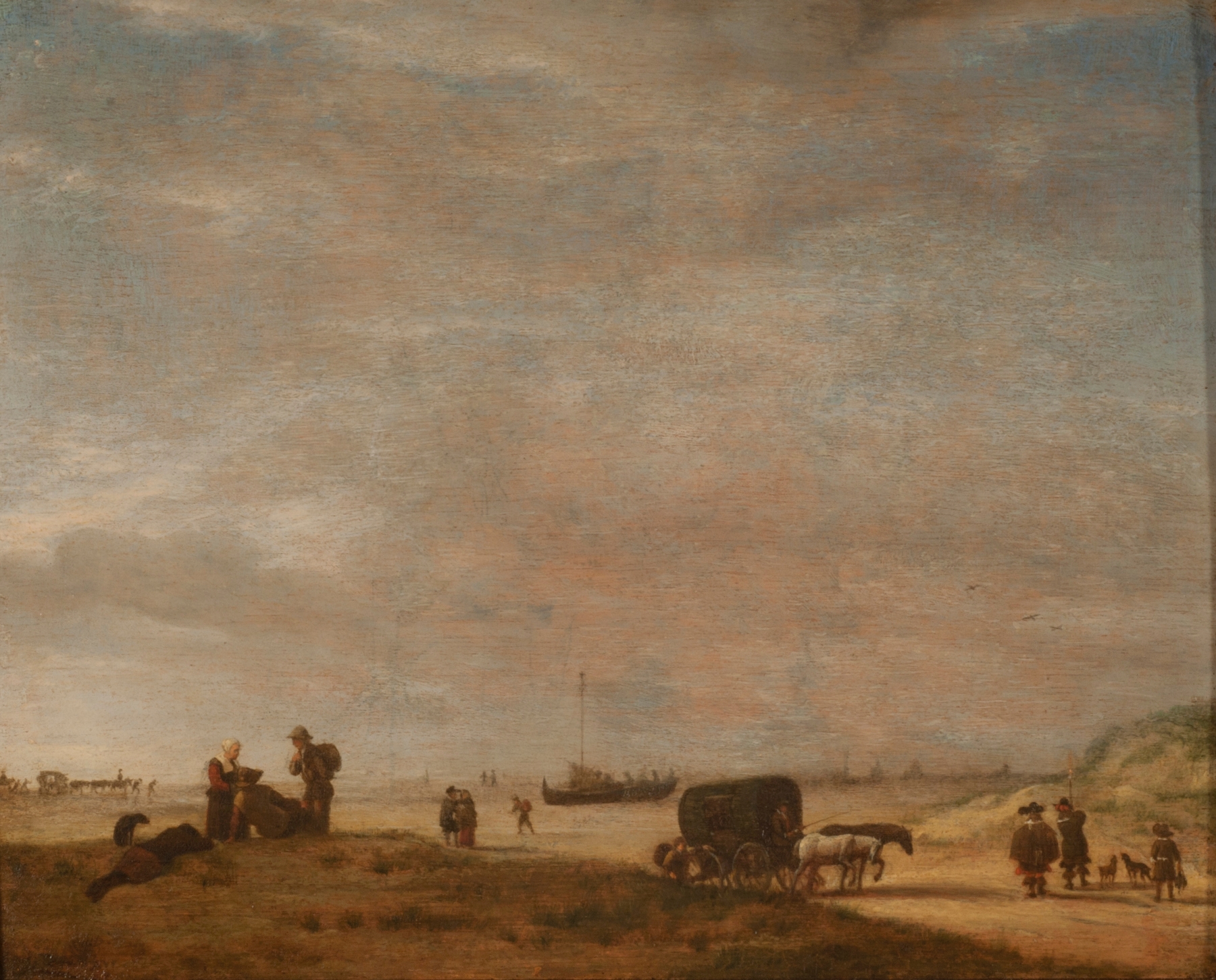
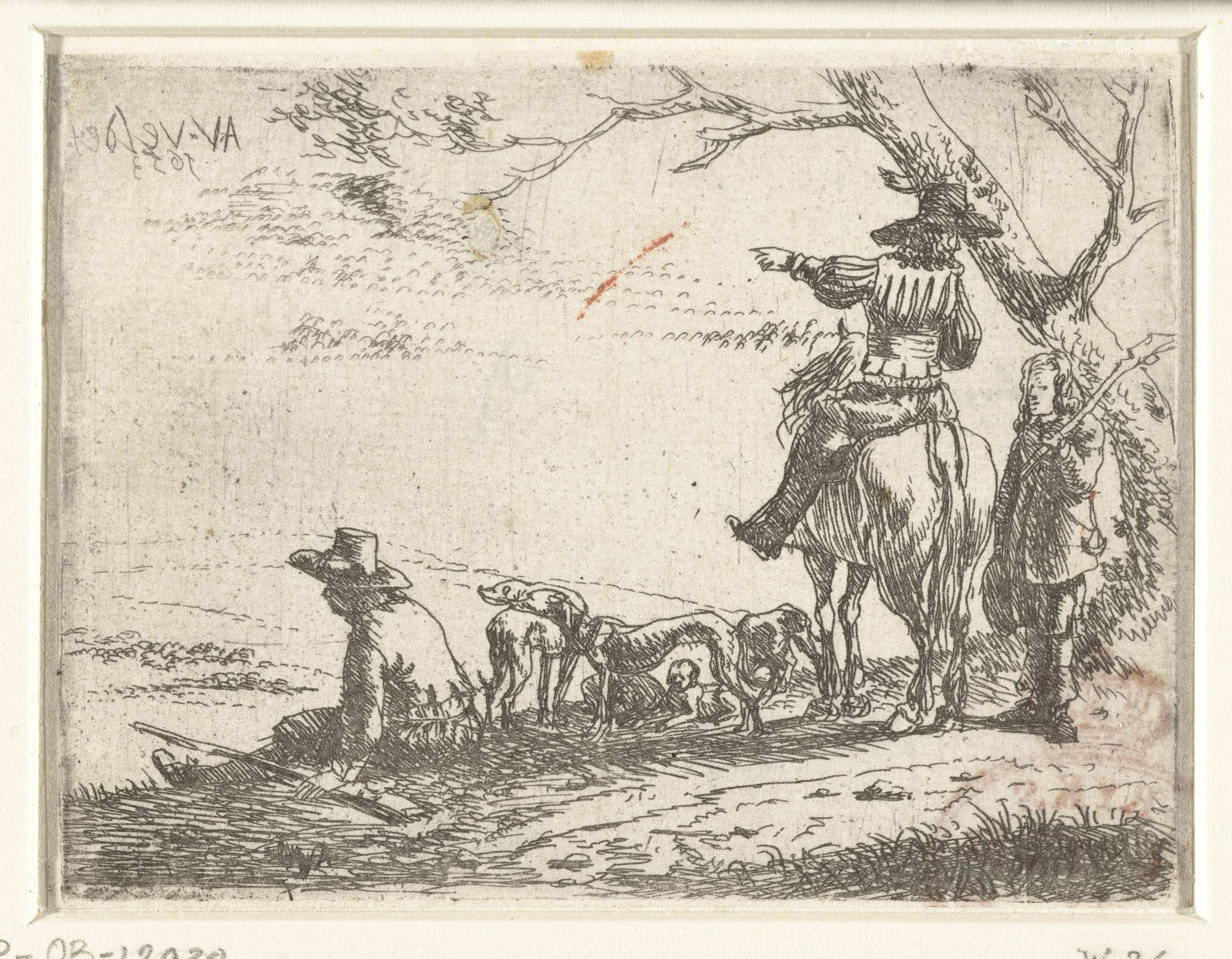
“Sometimes beauty is just pain, disguised in gold.” This thought lingers like a haunting echo, intertwining with the longing that permeates through the spaces of art. In the stillness of a moment, the beauty of a scene can evoke the deepest yearnings of the heart, where every brushstroke speaks of desire and loss. Look closely at the foreground, where the three hunters stand, their postures confident yet contemplative. Notice the way their clothing, with rich colors and textures, captures the play of light — a delicate dance that highlights both their strength and vulnerability.
To the left, the dogs appear alert and eager, their energy contrasting starkly with the tranquil landscape that stretches behind them. Soft greens and earthy tones envelop the scene, evoking the serenity of nature, yet hinting at the complexities of the human condition. Tension resides in the dynamic relationship between the figures and their environment. The hunters, poised with their weapons, embody a duality: they are both conquerors and seekers, enmeshed in a landscape that offers an escape while simultaneously reminding them of their solitude.
The lush backdrop, with its intricacies, symbolizes an idyllic world just out of reach — a longing for connection that resonates deeply within the viewer. Adriaen van de Velde created this work in 1653, during a period when Dutch painting flourished, marked by meticulous attention to detail and an exploration of everyday life. Living in Amsterdam, the artist found inspiration amid the burgeoning art scene, which celebrated both the beauty of landscapes and the quiet narratives of human existence. His ability to evoke longing through lush compositions signifies the emotional depth present in the works of this remarkable era.