Drie rustende koeien — History & Analysis
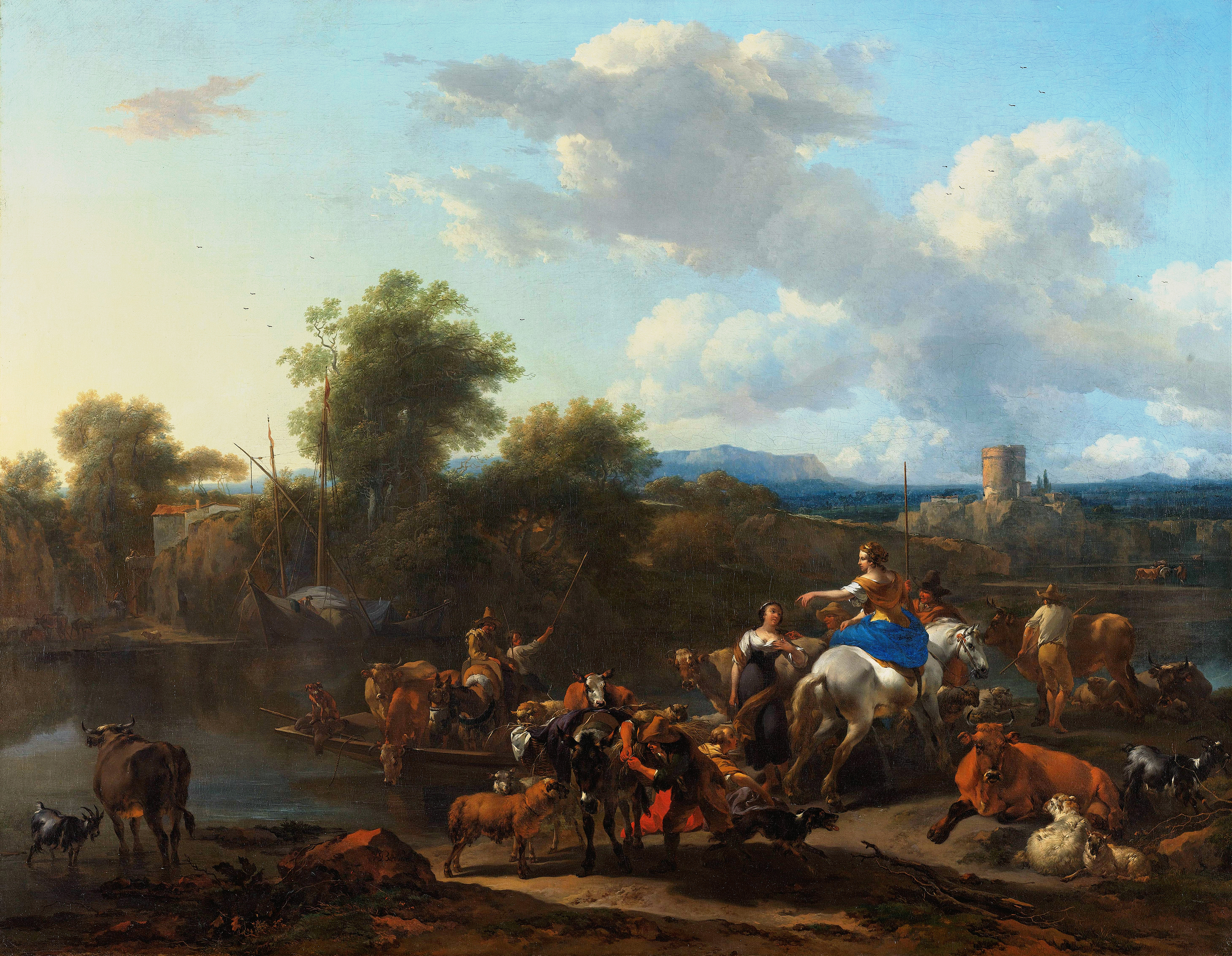
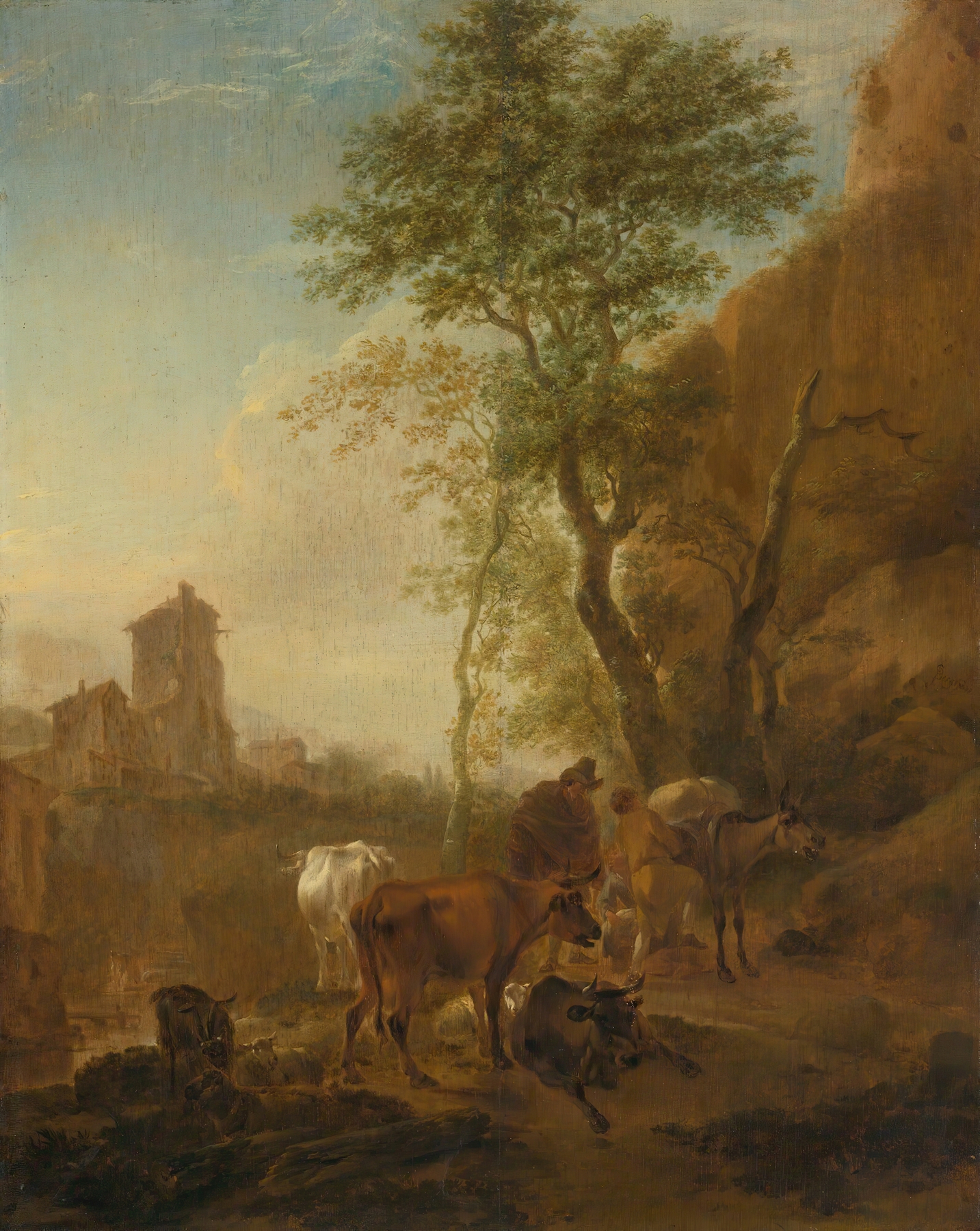
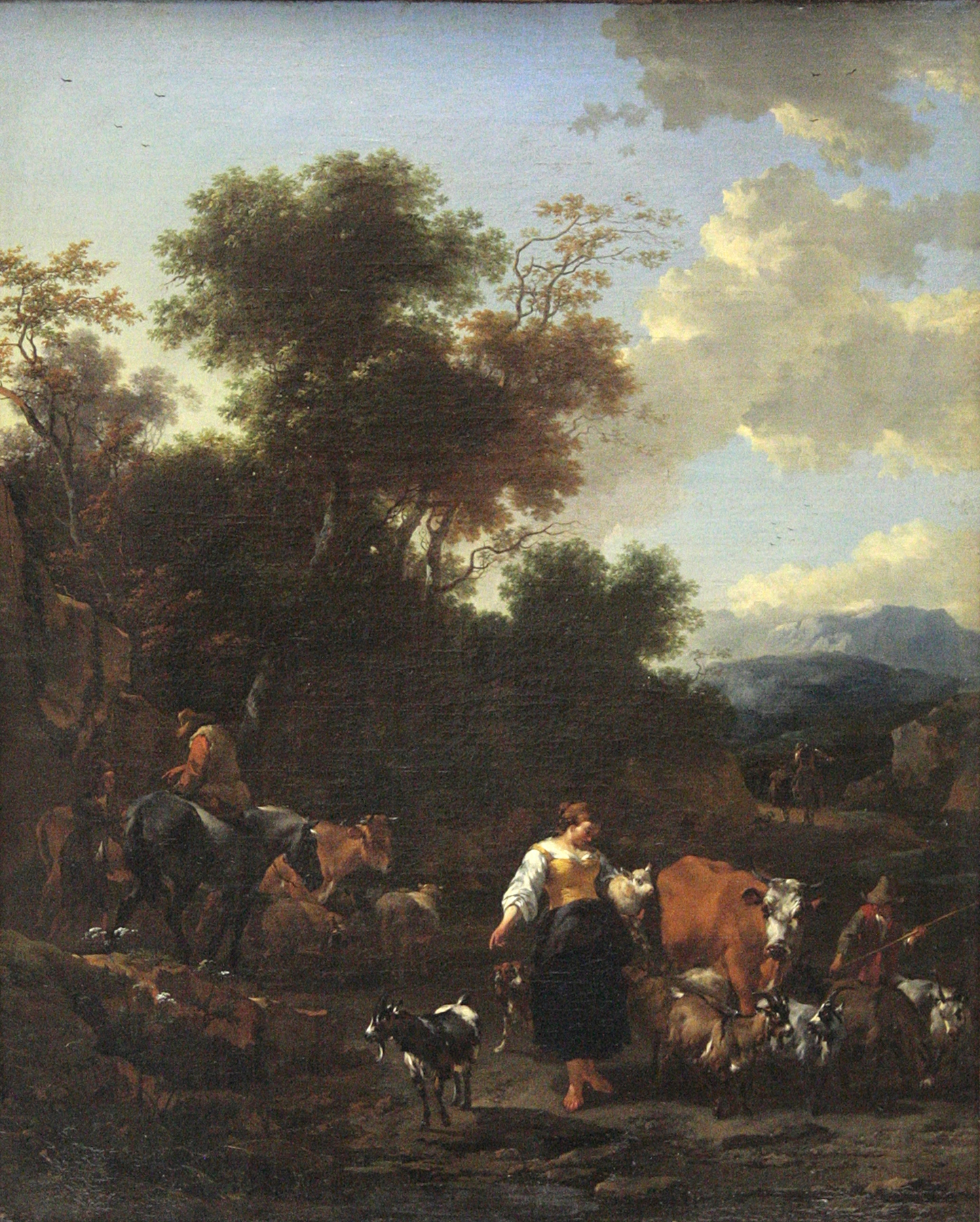
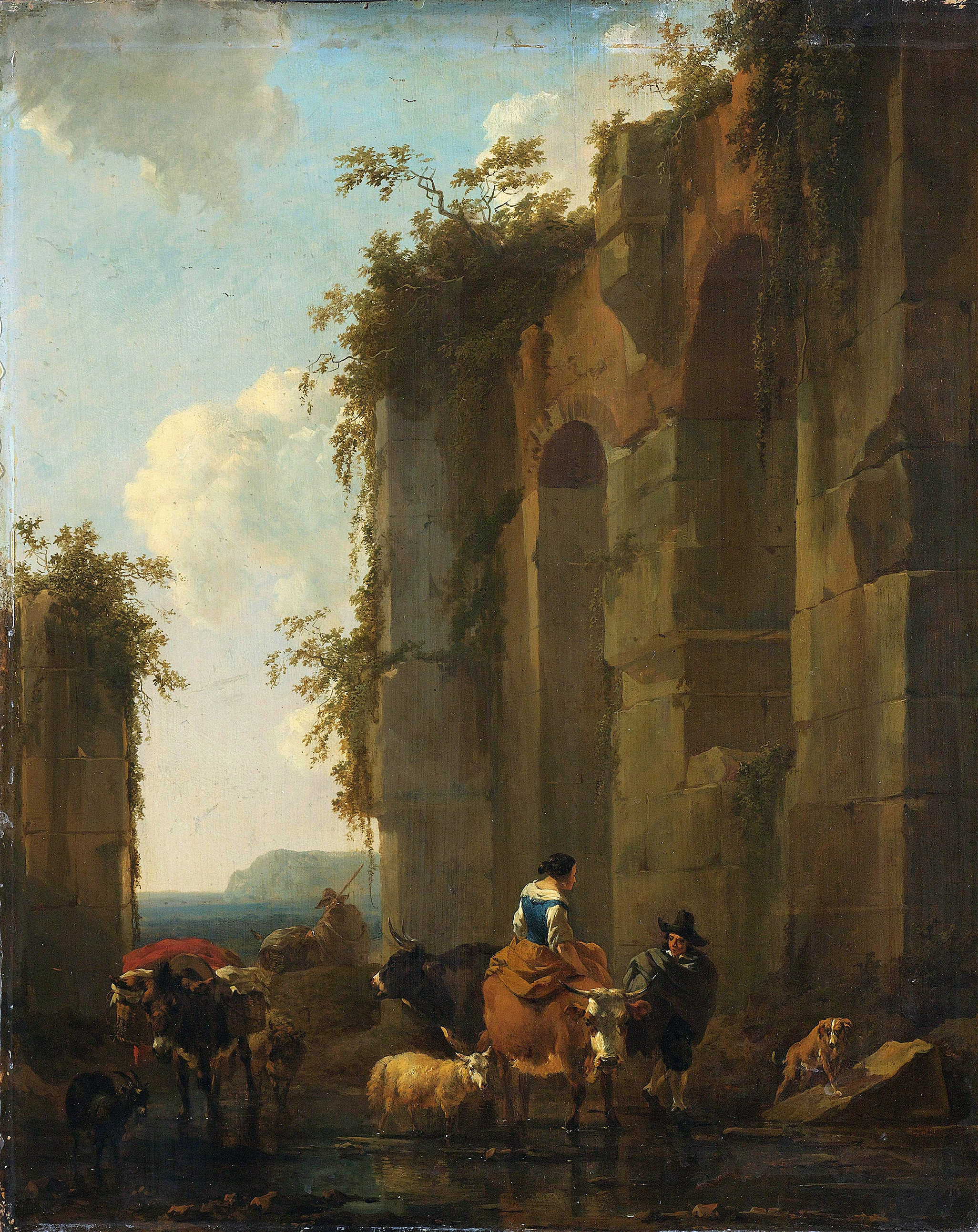
“To paint is to remember what time wants us to forget.” This sentiment echoes in every brushstroke, inviting us to contemplate the fleeting nature of pastoral tranquility. In a world that often moves too fast, how do we hold onto the serene moments that define our existence? Look closely at the soft, muted colors of Drie rustende koeien, where warm earth tones blend harmoniously. Focus on the gentle curves of the cows, their forms adorned with delicate highlights, which seem to hum with life even in repose.
The background melds into lush greenery, creating a sense of depth that draws the viewer’s eye toward the peaceful pastoral scene. The artist's deft use of light filters through, casting a gentle glow that envelops the entire composition. As you delve deeper, notice the juxtaposition between the stillness of the cows and the vibrant landscape surrounding them. Each animal, though peaceful, captures an echo of the wild, reminding us of an untamed spirit lurking beneath the surface.
The simplicity of their resting state evokes a deep nostalgia, prompting reflections on nature's role in our lives and the inevitable passage of time. Painted during the height of the Dutch Golden Age in Berchem’s studio between 1630 and 1683, this work reflects the era’s fascination with natural beauty and rural life. At this time, the artist was influenced by the pastoral themes that dominated the art scene, as he sought to create compositions that resonated with harmony and tranquility amid a rapidly changing world.