Duck Shooting — History & Analysis
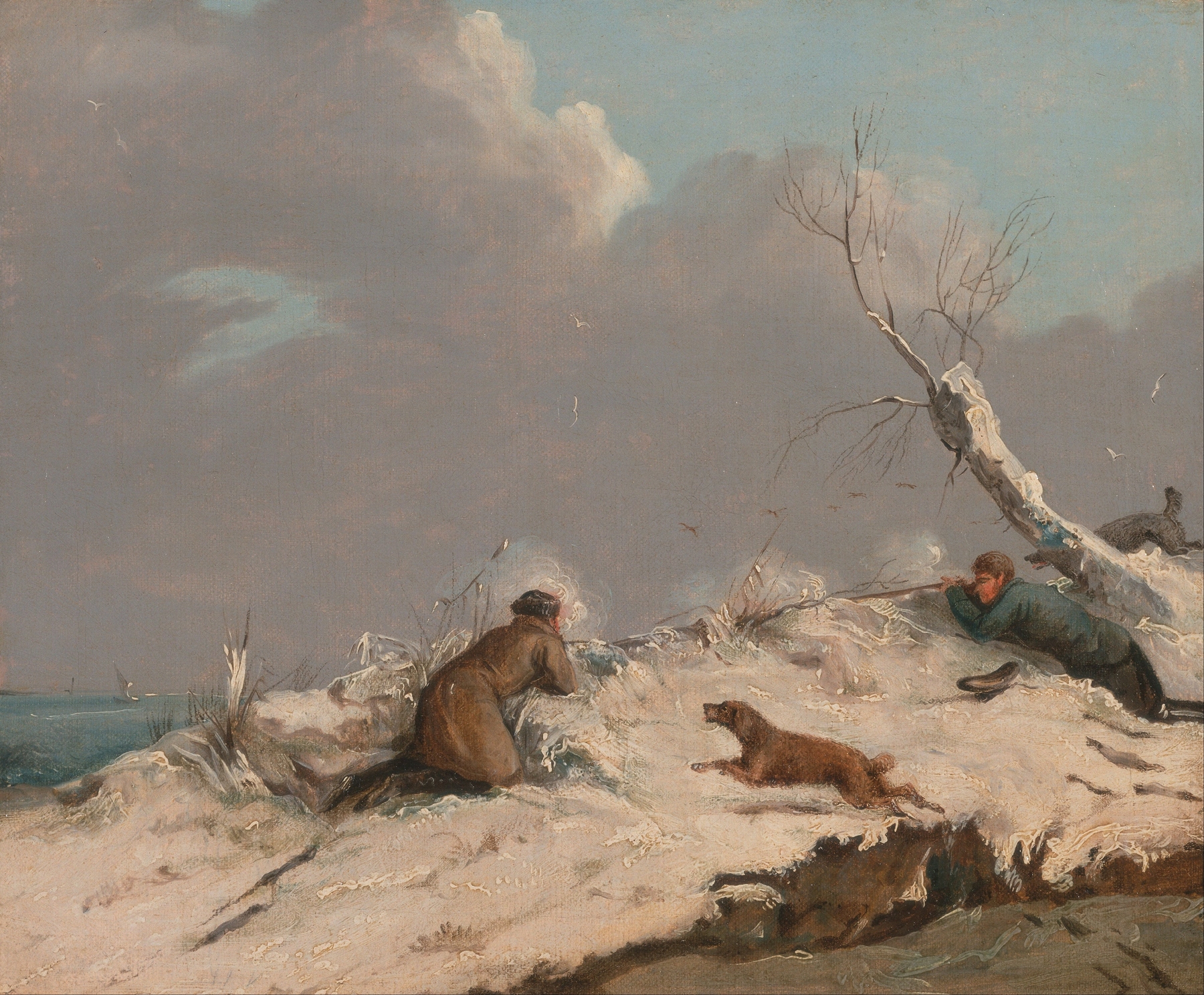
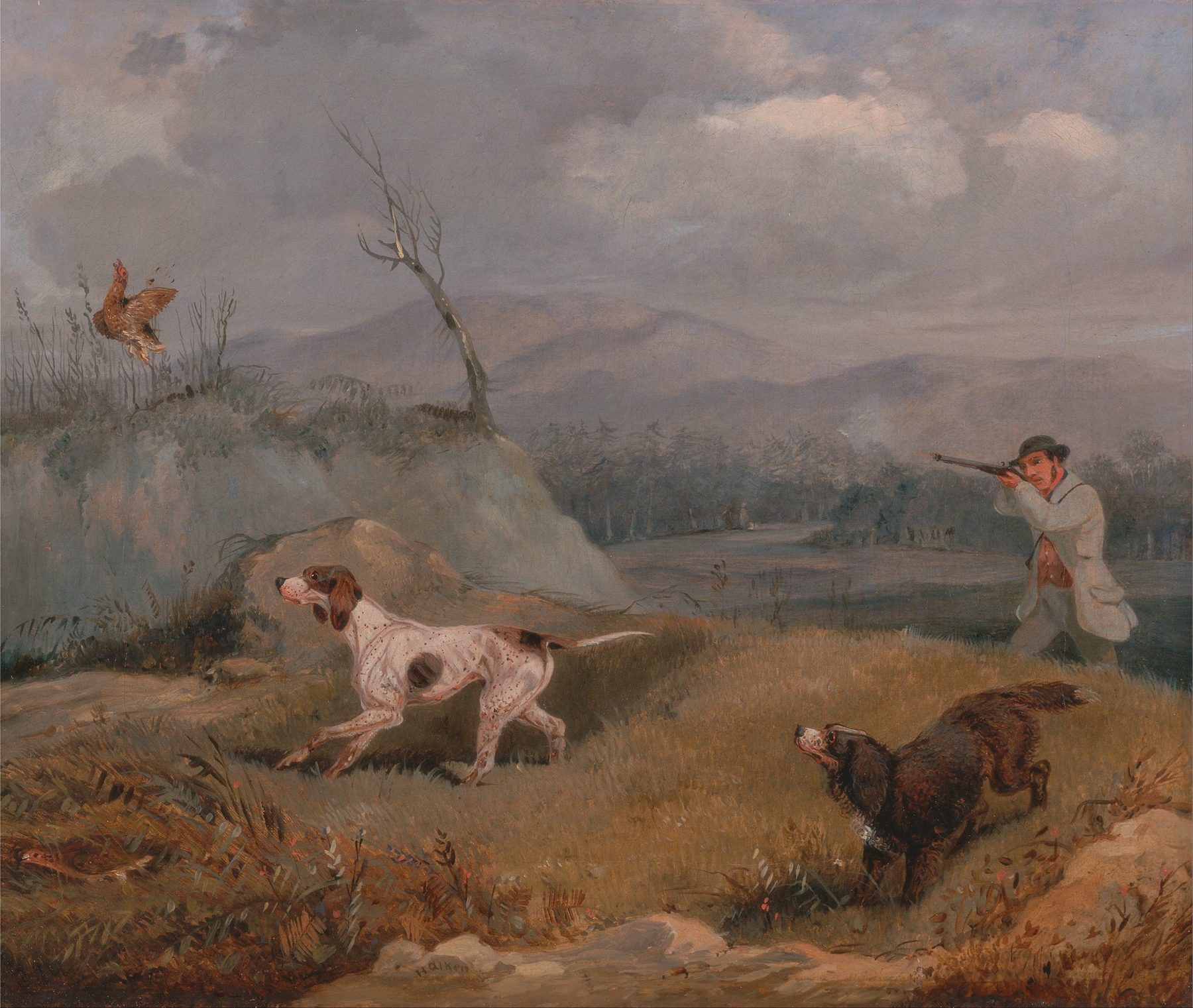
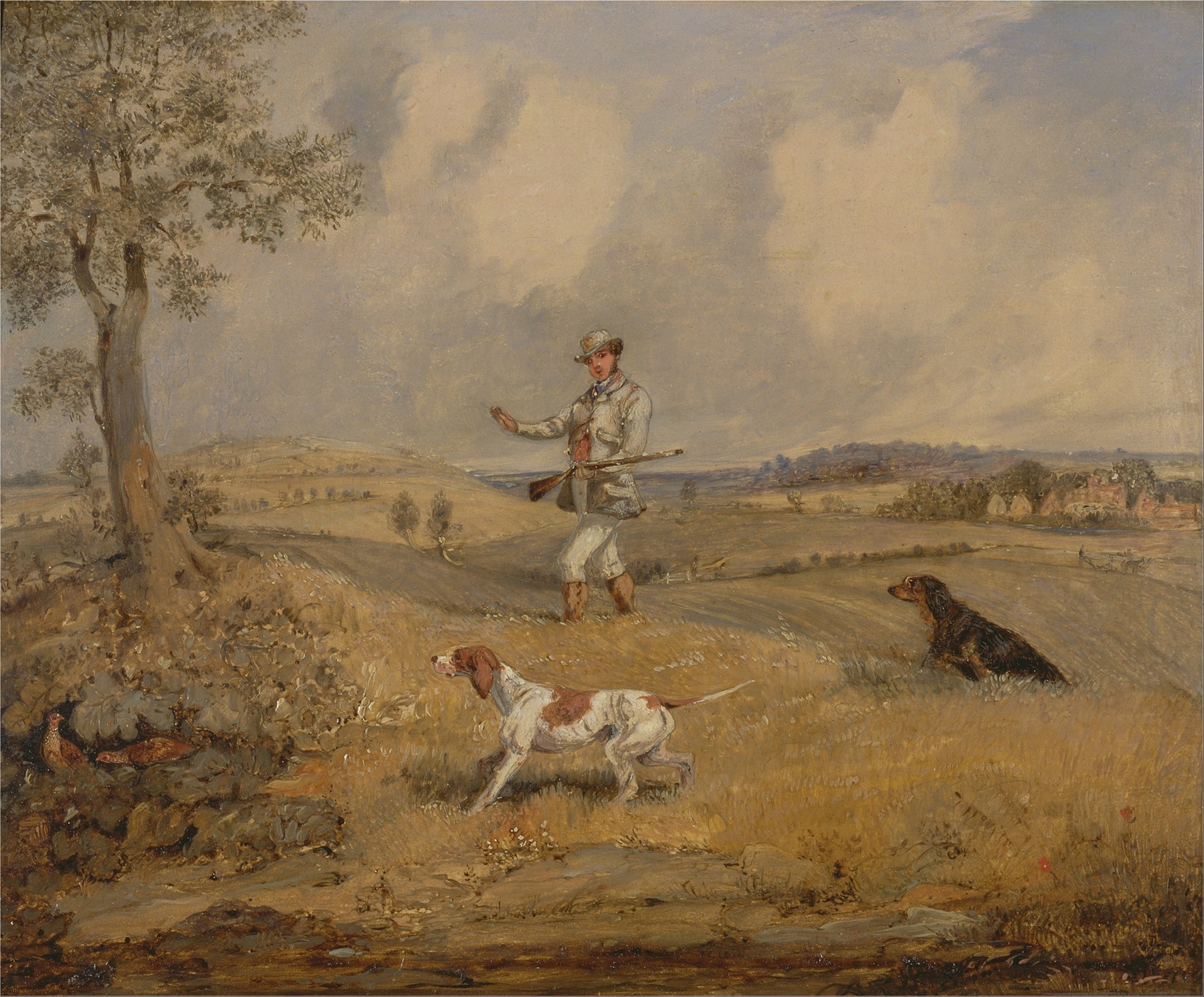
Could a single brushstroke hold eternity? In Duck Shooting, the tension of the hunt is captured in every meticulous detail, revealing the fragile balance between man and nature, fear and triumph. First, look to the left at the hunter, poised and alert, a figure of concentration amid the chaos of the marsh. His gun, sleek and glimmering, reflects the dappled sunlight filtering through the trees, casting a golden hue over the scene. Notice how the subtle browns and greens of the marshland blend into one another, a symphony of earth tones that envelops the figures and the wildlife, yet starkly contrasts with the explosive energy of the birds taking flight in the center.
The movement of the ducks, their wings outstretched, seems almost choreographed, a frantic dance against the stillness of the water. Delve deeper into the painting’s emotional complexity. The hunter’s rigid posture speaks to a moment filled with anticipation and fear—what will happen when the shot is fired? The birds, symbols of freedom and nature’s beauty, escape just as quickly, embodying both life and the fleeting nature of opportunity.
This juxtaposition captures the raw essence of survival, a reminder of the delicate interplay between predator and prey, and the inevitable consequences of choice. In 1825, Alken painted this piece during a period of significant change in both his personal life and the wider art world. Having established himself as an accomplished illustrator and sporting artist, he was influenced by the burgeoning Romantic movement, which emphasized emotion and nature. As industrialization transformed landscapes and ways of life, Alken’s work served as a poignant reflection on humanity’s relationship with the natural world, encapsulating the thrill and moral complexities of sport.