Scenes from a steeplechase: Near the Finish — History & Analysis
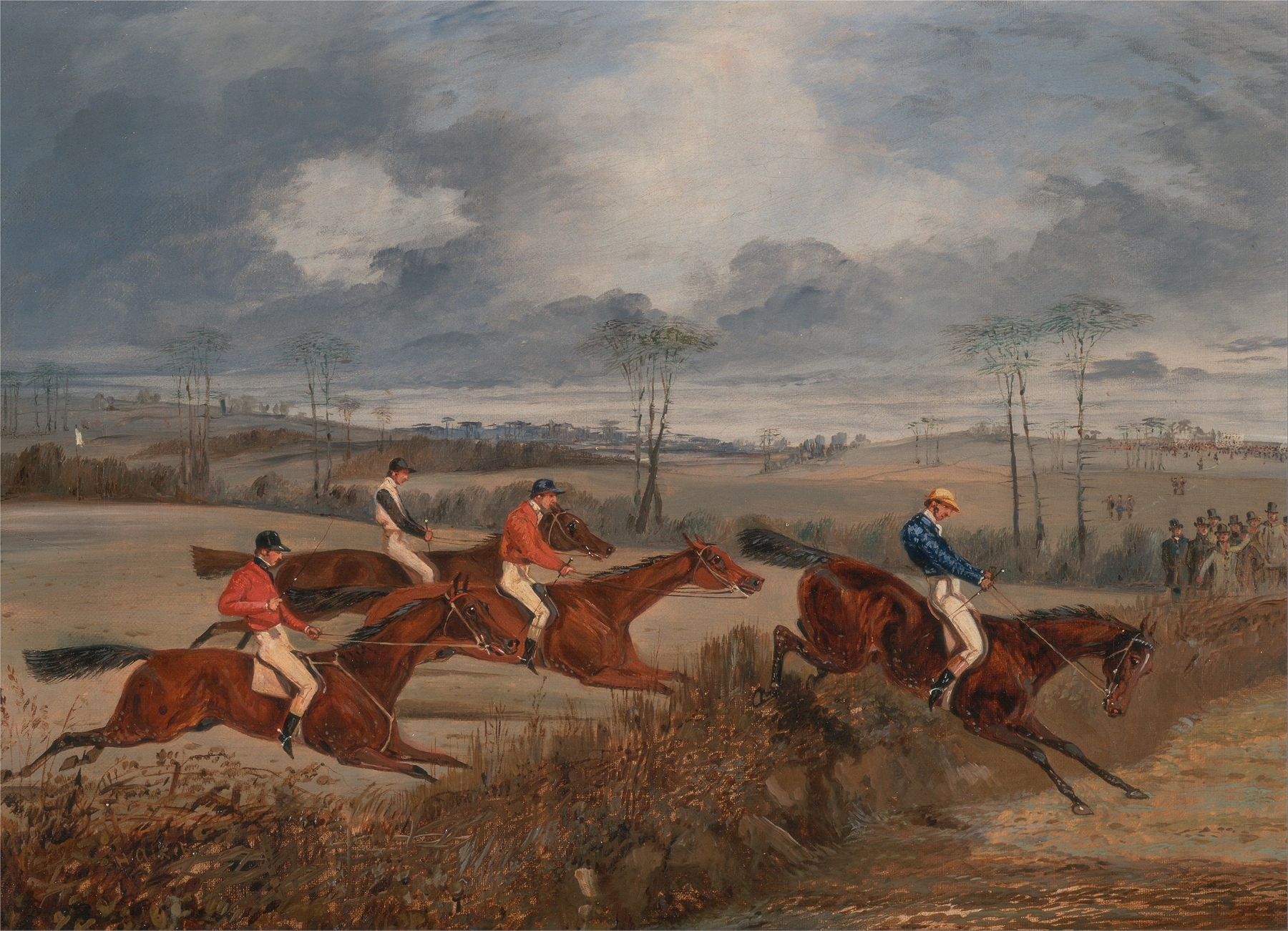
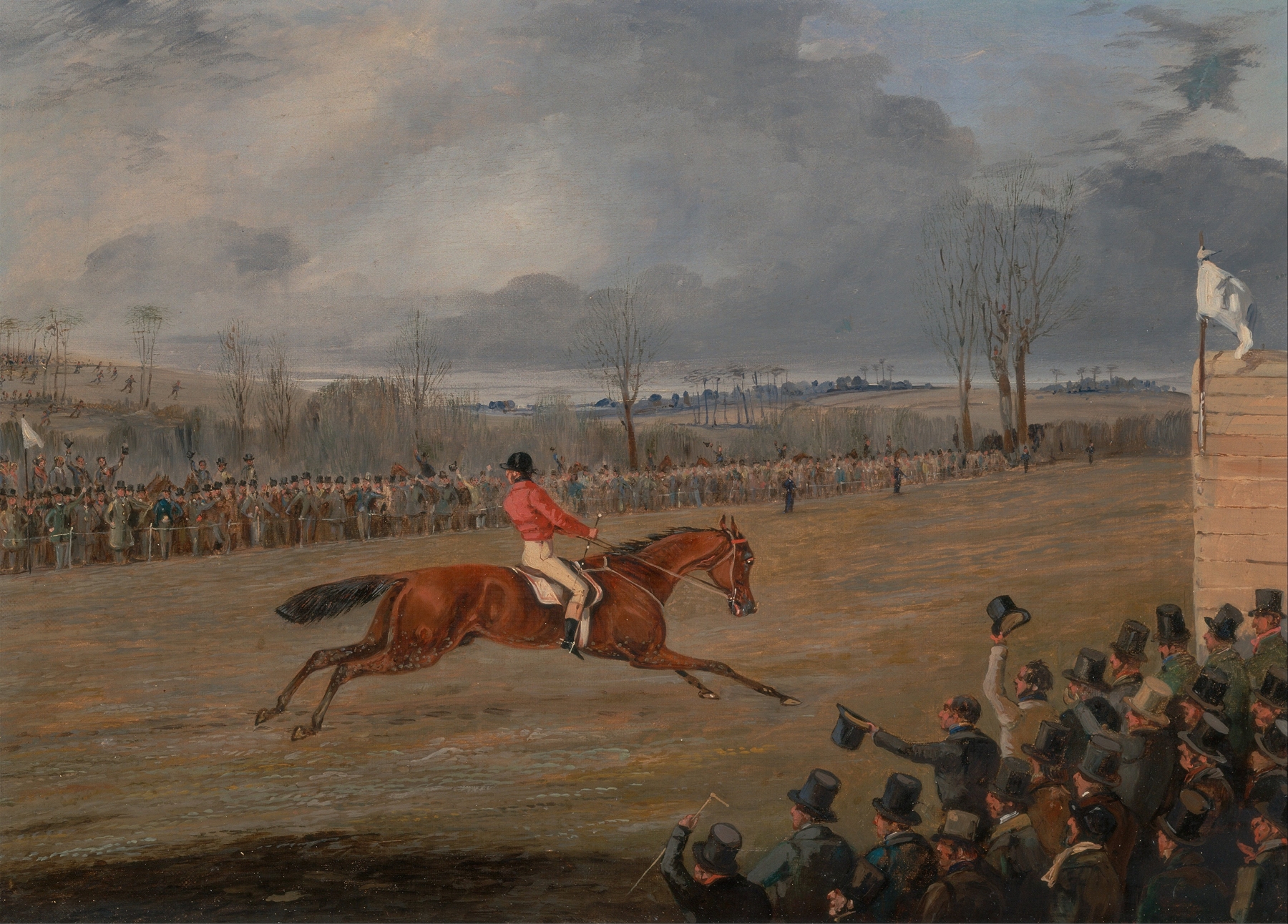
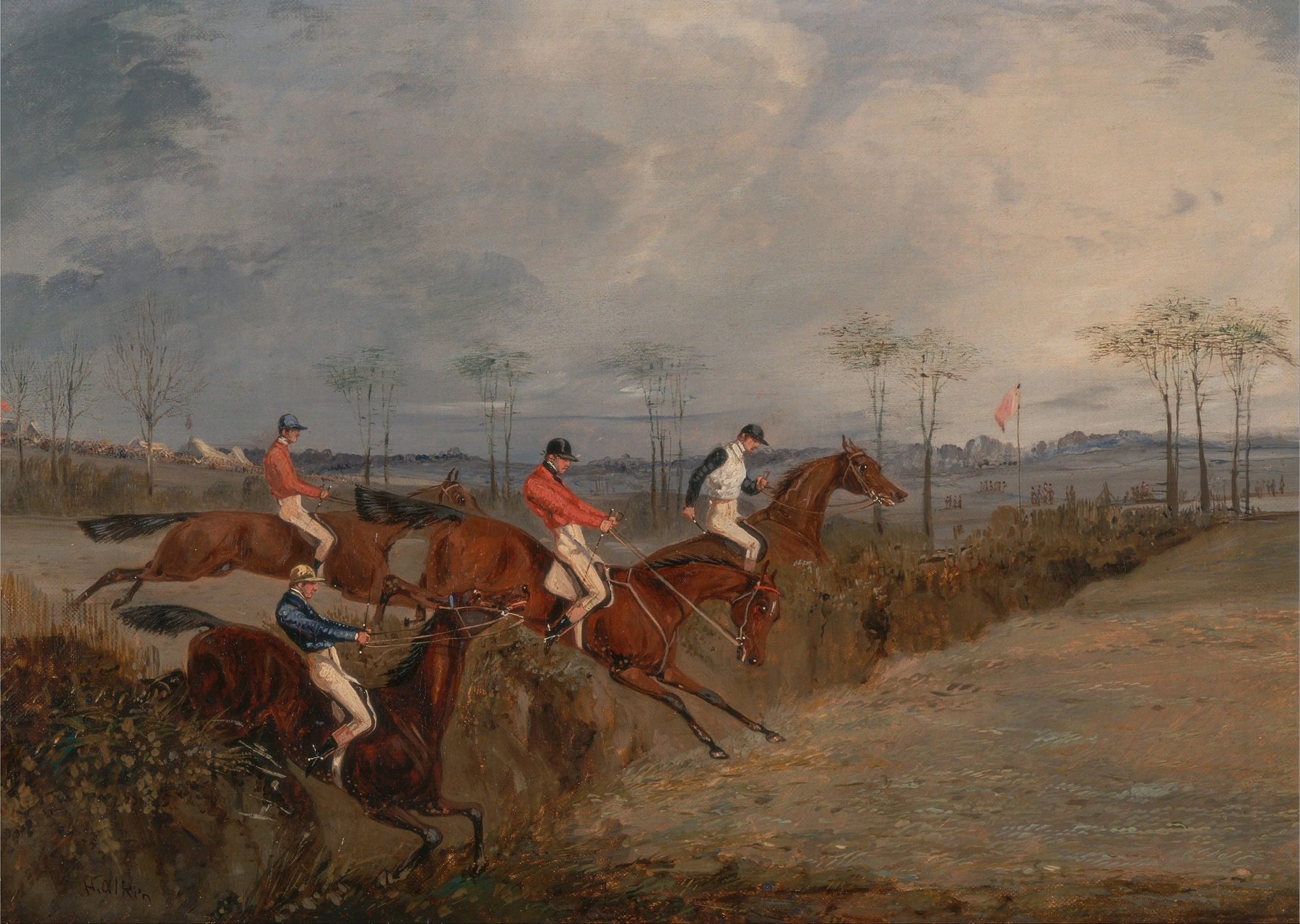
Art reveals the soul when the world turns away. In the laughter and cheers of the crowd, a deeper melancholy lurks, reminding us of fleeting victories and the weight of expectation. Look to the center of Scenes from a Steeplechase: Near the Finish, where the horses surge ahead, muscles straining in a powerful display of speed. Notice the vivid colors of their coats contrasting against the muted earth tones of the background. The artist employs dynamic brushstrokes to capture the energy of the moment, while the anxious expressions of the jockeys offer a glimpse into the intensity of competition.
The careful arrangement of figures guides the eye toward the finish line, creating a sense of urgency and drama that envelops the viewer. Yet, beneath the surface of excitement, a narrative of struggle emerges. The horses, while majestic, are caught in a race that signifies more than mere sport; they embody the relentless pursuit of success, fraught with danger and risk. The distant crowd, though jubilant, remains a mere backdrop, creating a contrast between the individual struggle of the racers and the collective anticipation of the spectators.
This tension evokes a profound sense of yearning, as if the race is not just an event, but a reflection of life’s own relentless challenges. Henry Thomas Alken painted this work in 1845, during a time when steeplechasing was gaining popularity in England. The mid-19th century was marked by both the romanticism of nature and the rise of industrialization, a juxtaposition that influenced Alken’s representations of the countryside and its pursuits. His ability to encapsulate both the thrill and the poignant realities of human striving positioned him as a key figure in sporting art during this period.