Duck Shooting in Winter — History & Analysis
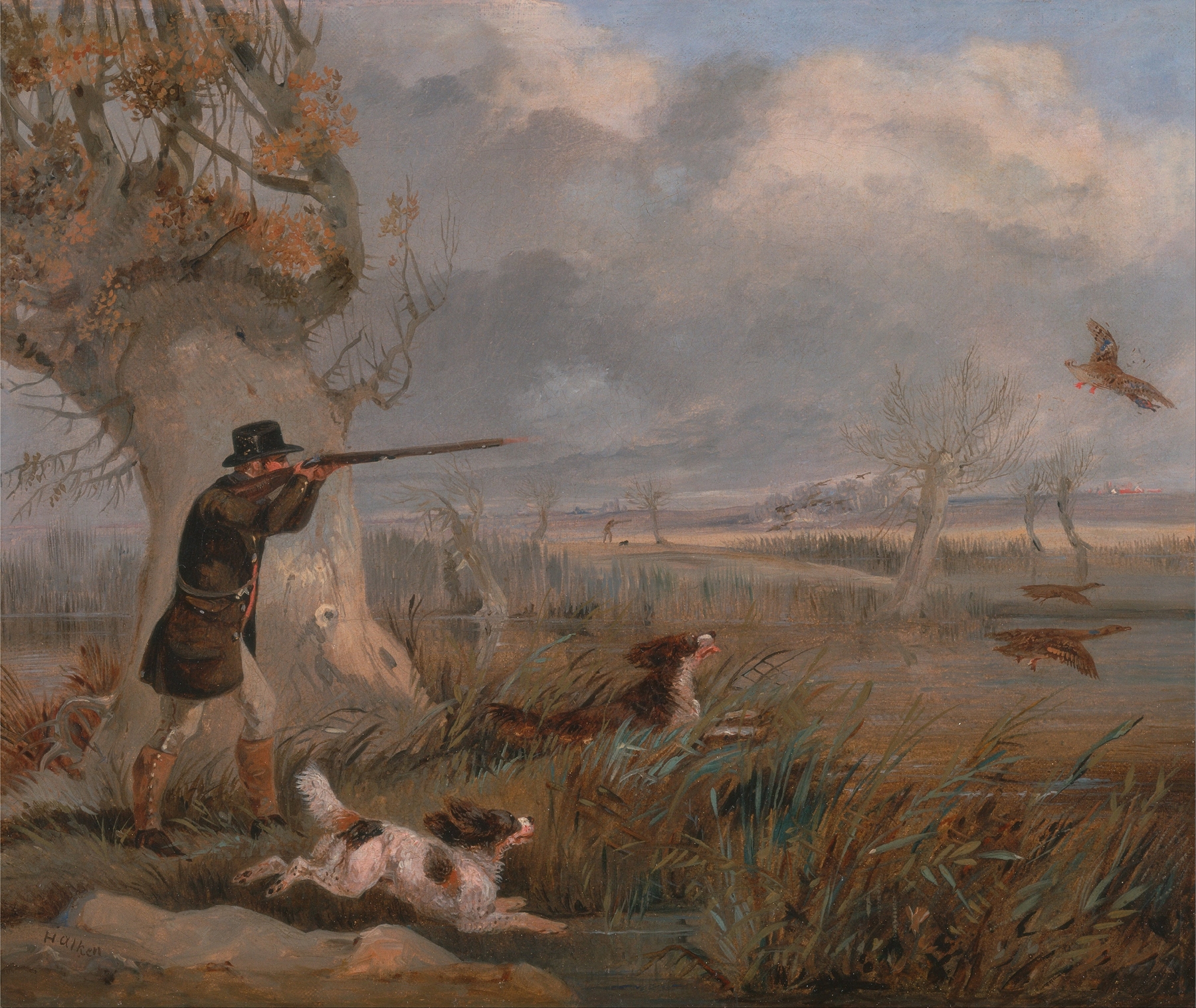
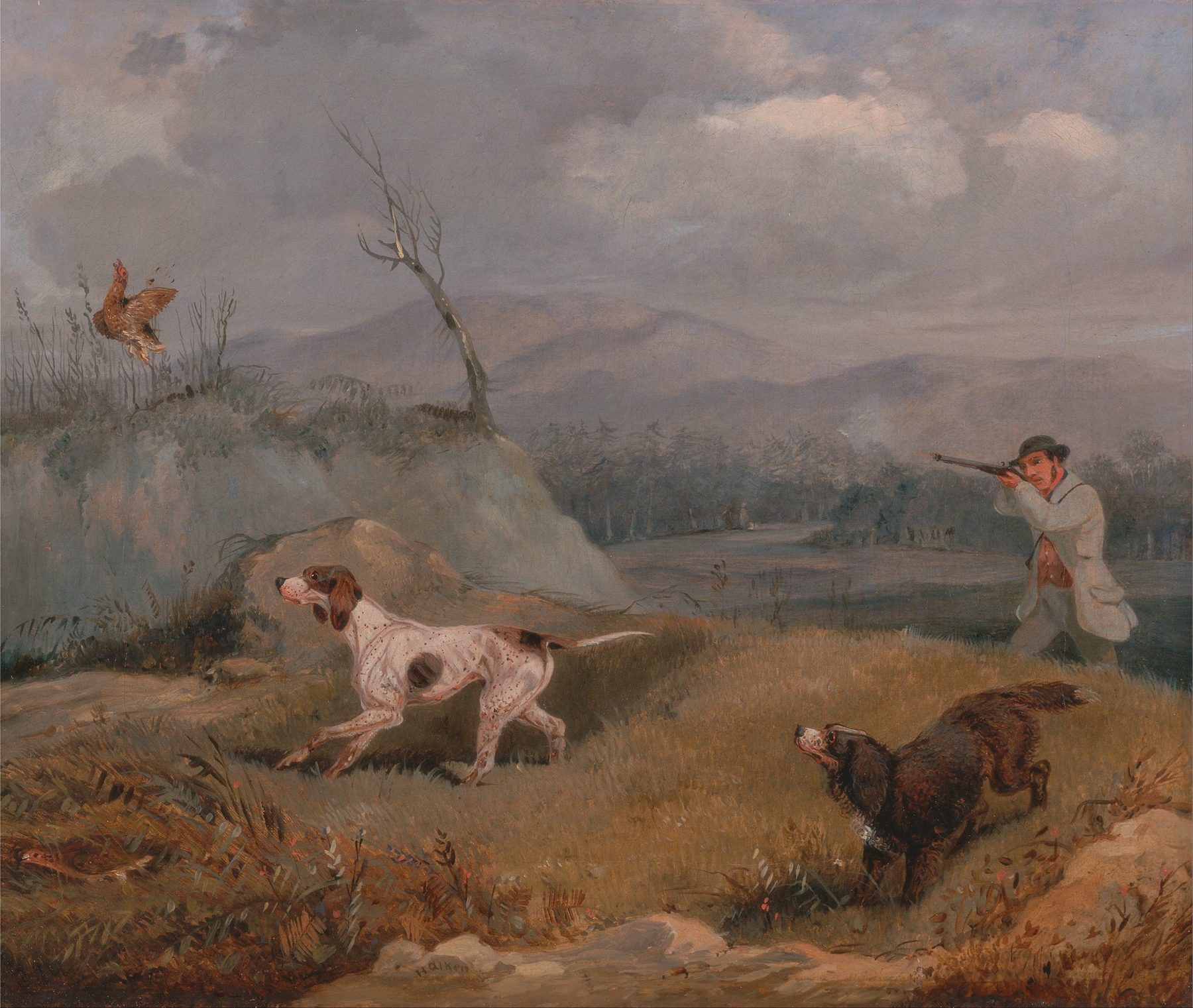
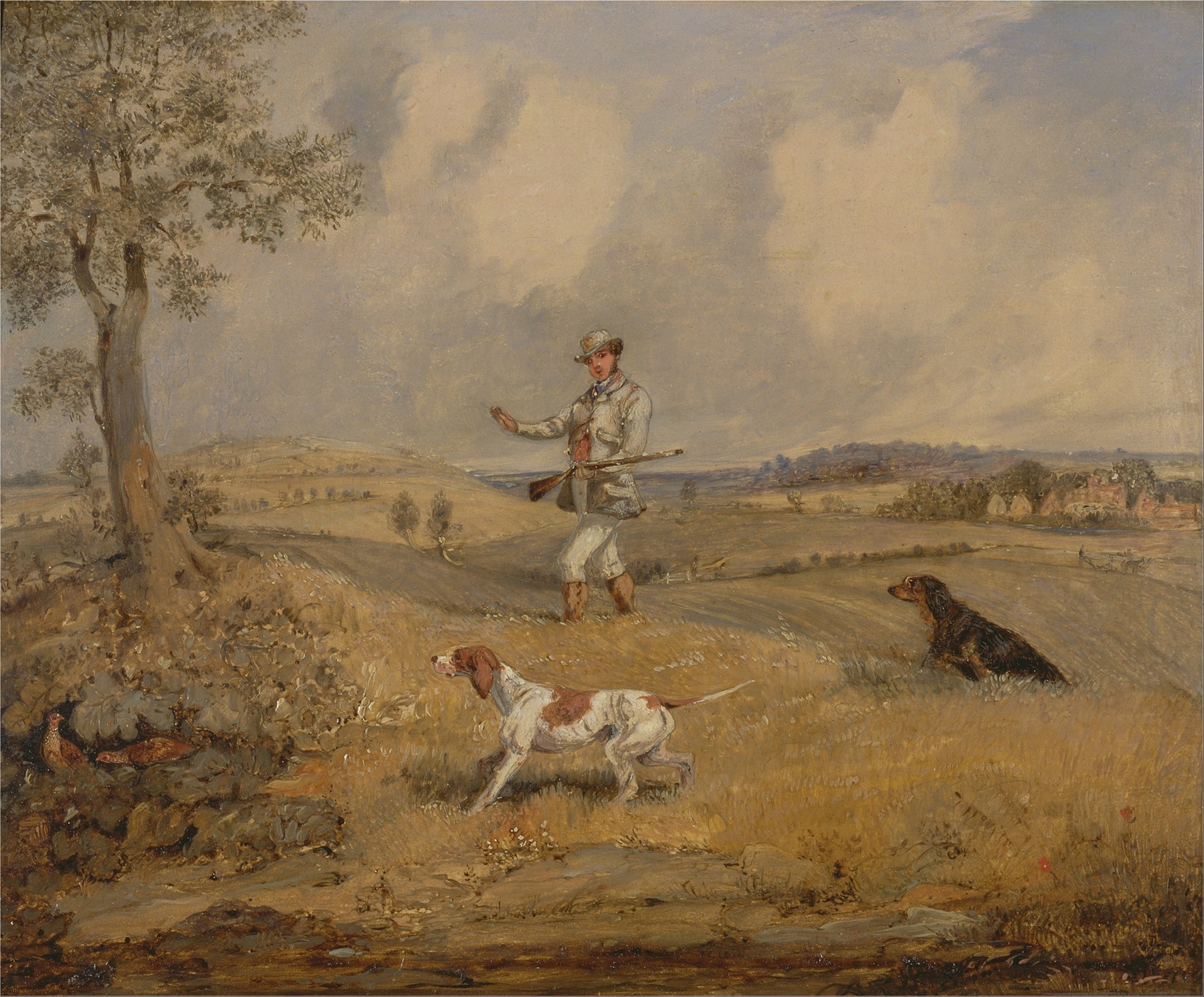
Could a single brushstroke hold eternity? In Duck Shooting in Winter, the essence of solitude lingers like a chill in the air, inviting reflection on the human experience. Look to the left at the hunter poised on the icy shore, his figure stark against the muted palette of whites and grays. The delicate strokes depict the frost-covered landscape, while the stillness of the water mirrors the quiet determination in his gaze. Notice how the light subtly highlights the contours of his coat, lending a sense of isolation amidst nature’s vast embrace.
Each brushstroke seems to pulsate with the weight of the cold, evoking both the beauty and the starkness of winter’s grasp. In this artwork, the contrast between the hunter and the serene lake speaks to a deeper narrative of longing. The barren trees in the background stretch toward the sky like silent witnesses, underscoring the solitude of the moment. The placement of the ducks, seemingly oblivious to the figure's presence, emphasizes the hunter's emotional distance from his surroundings, encapsulating a yearning for connection that remains unfulfilled.
Here, loneliness is not merely the absence of company but a profound state of being amidst the expanse of nature. Henry Thomas Alken created Duck Shooting in Winter in 1825 during a period when sporting art was gaining popularity in Britain. At this time, he was establishing his reputation as a painter and illustrator, blending the worlds of hunting and fine art. The early 19th century was marked by a fascination with both realism and Romanticism, which influenced Alken’s portrayal of the delicate interplay between man and nature, illustrating a moment steeped in introspection and solitude.