Grouse Shooting — History & Analysis
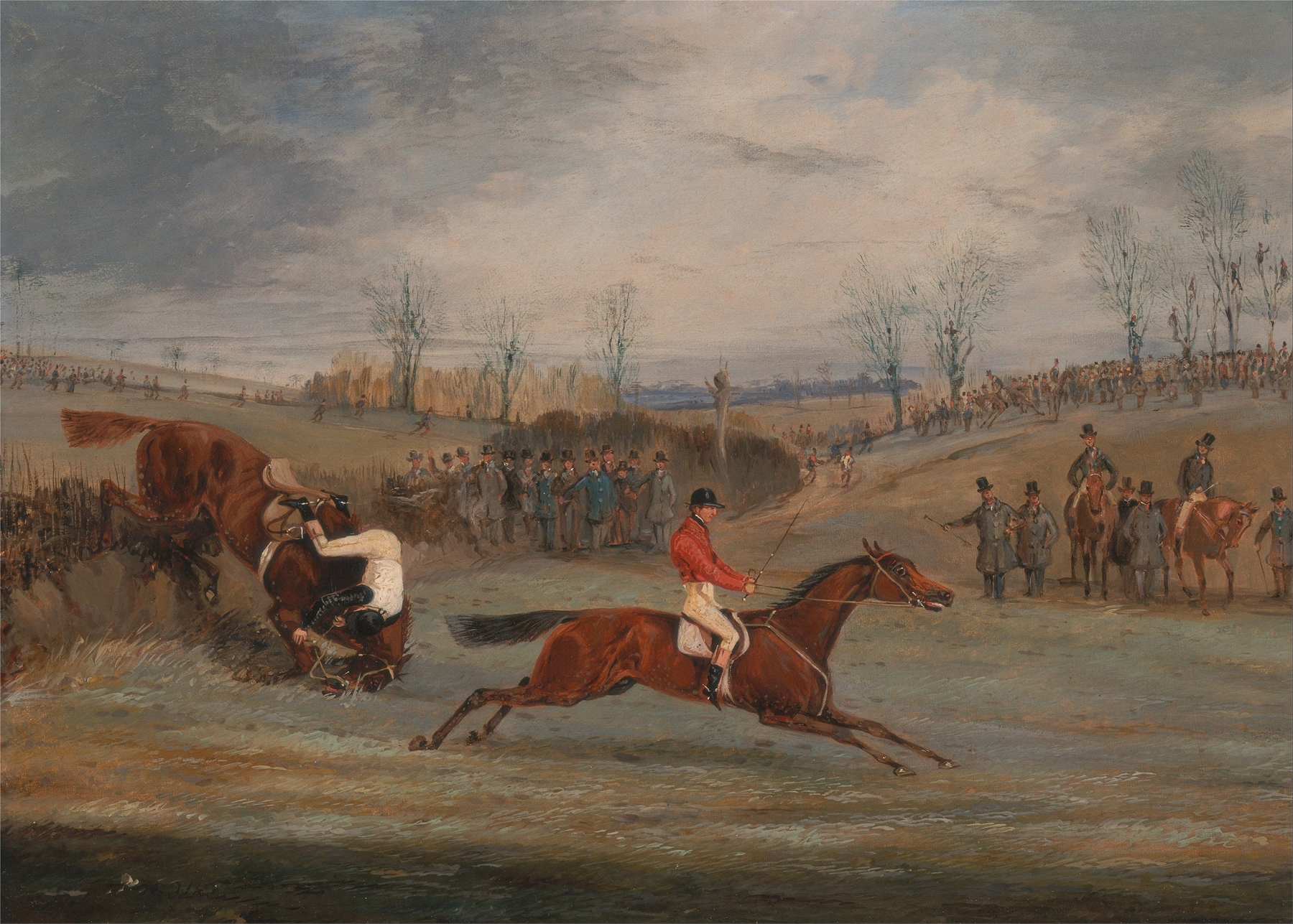
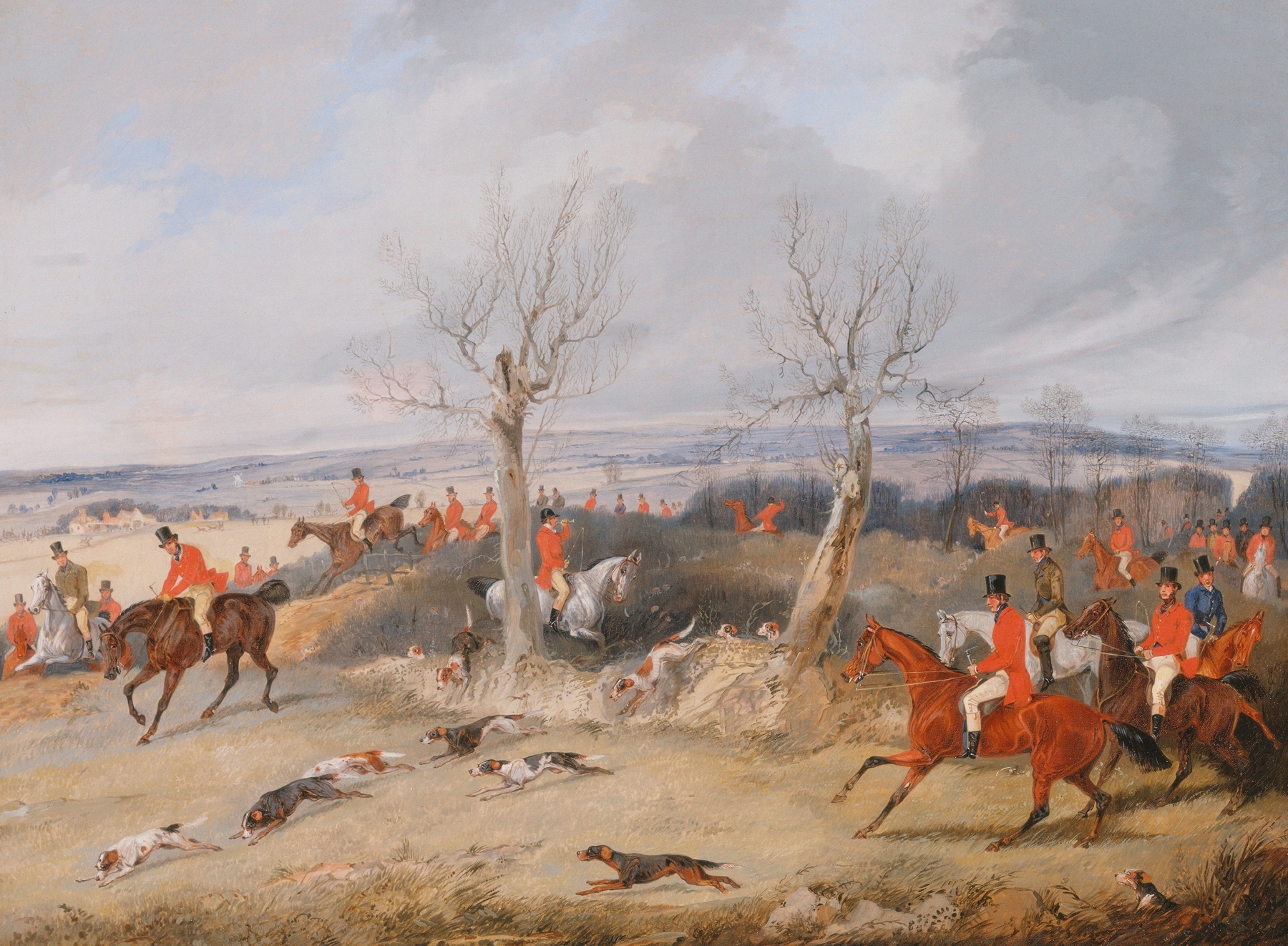
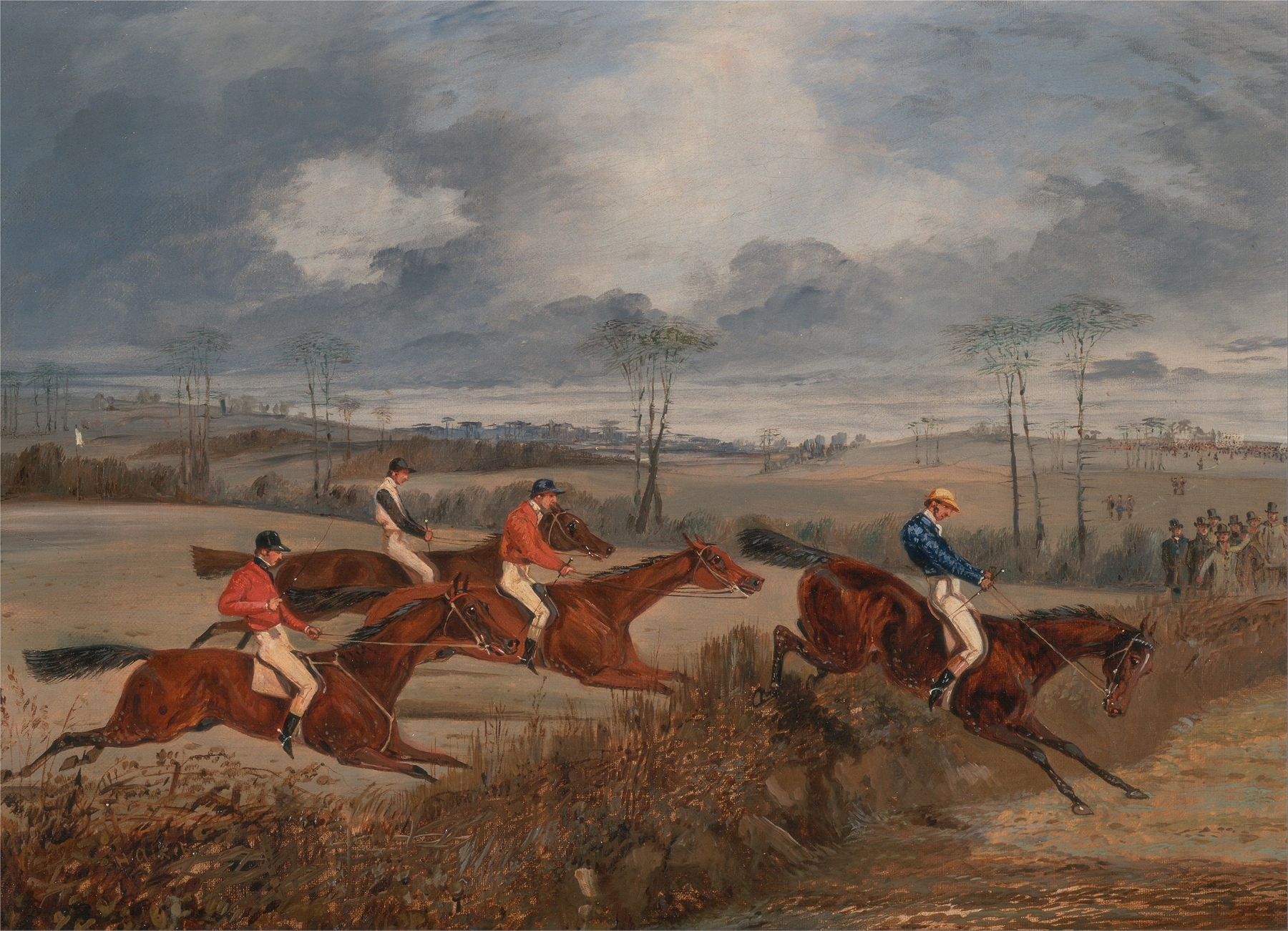
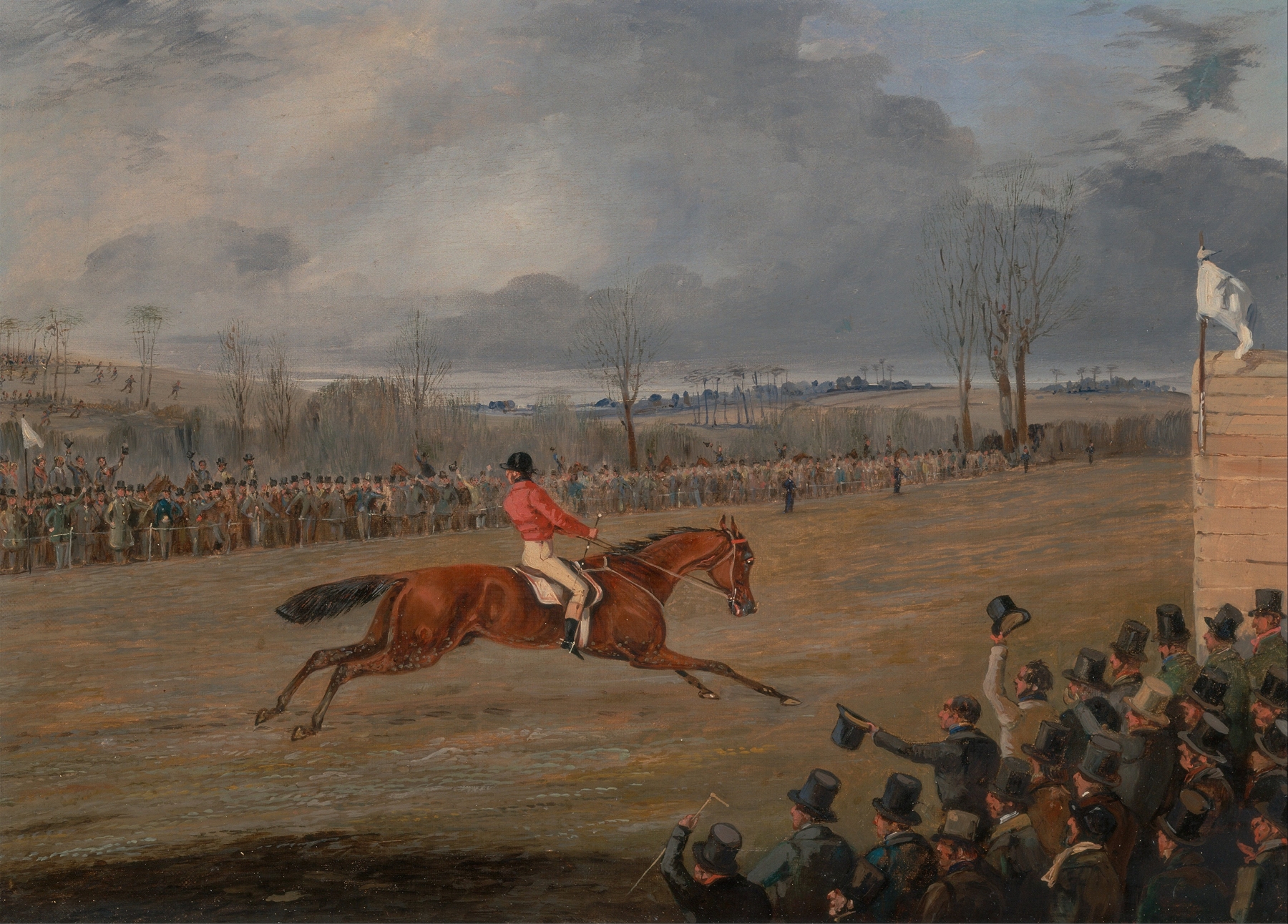
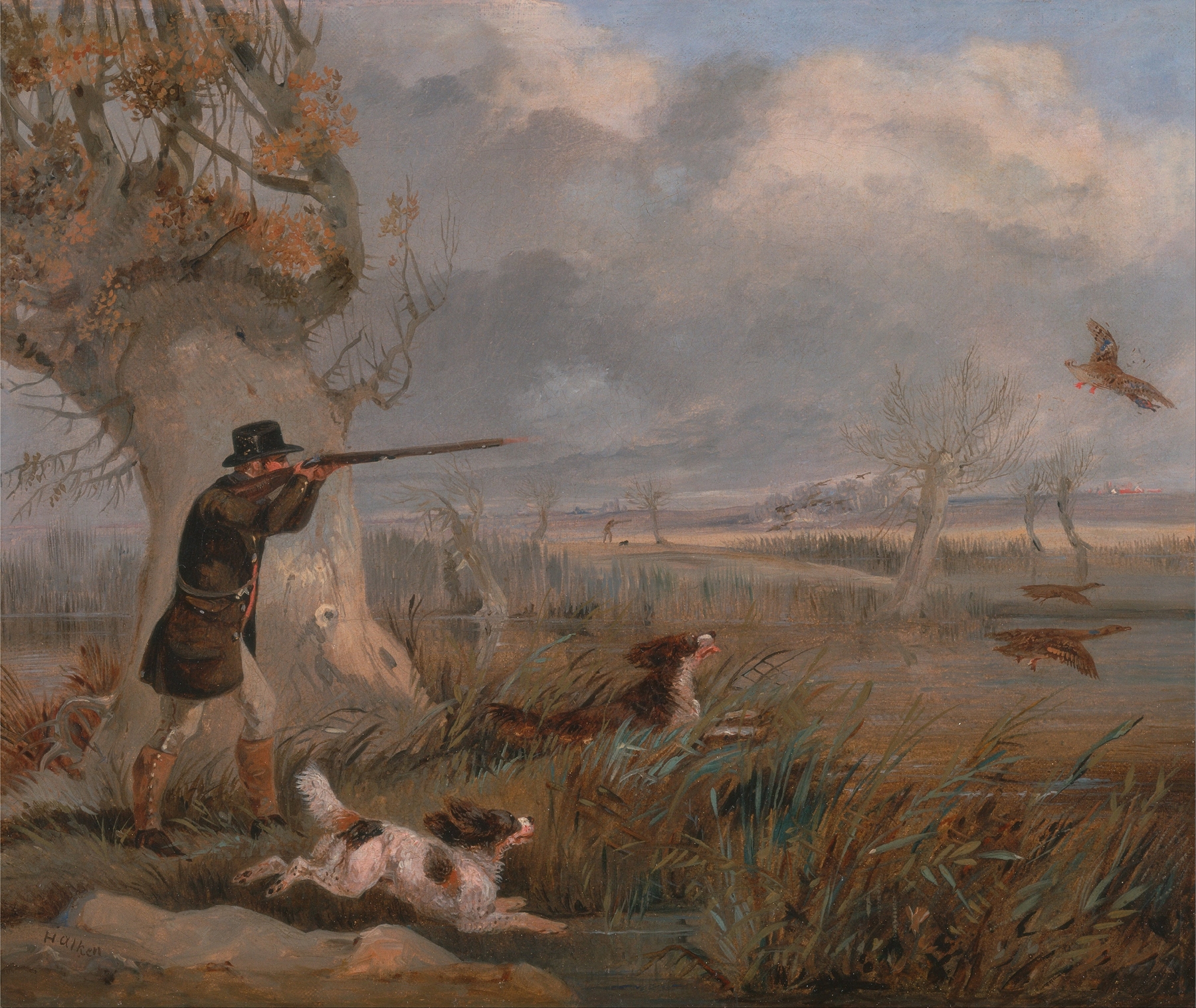
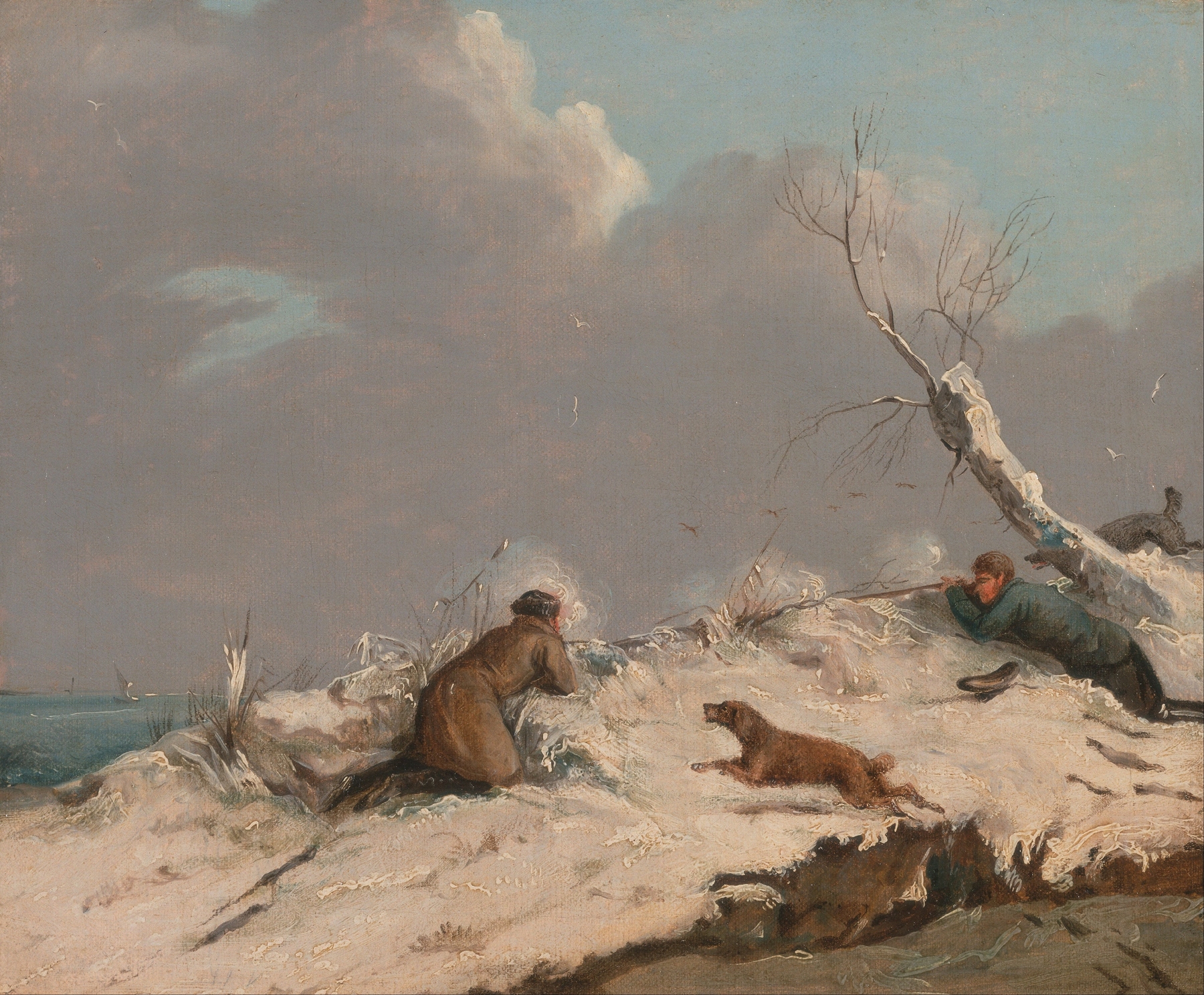
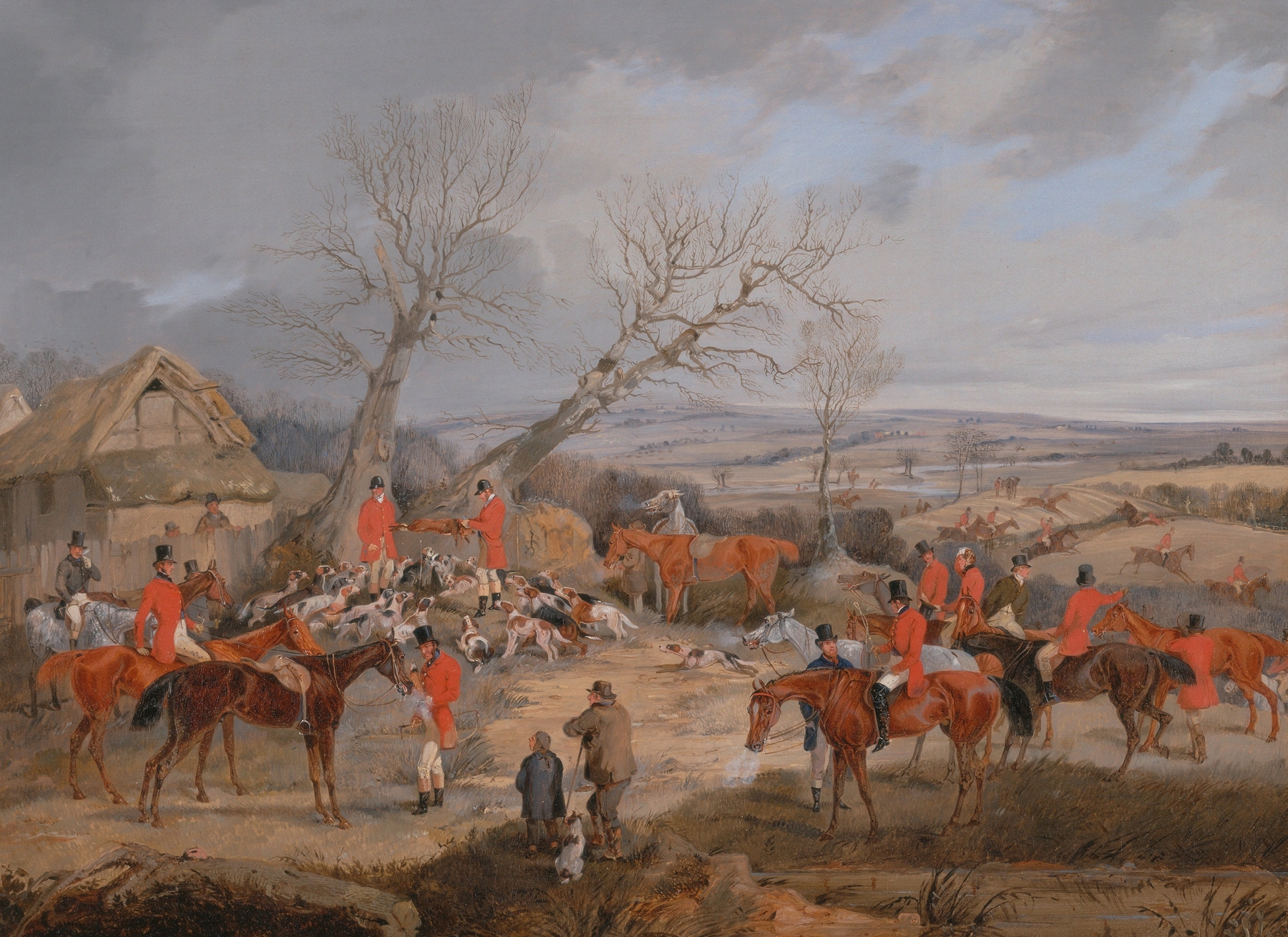
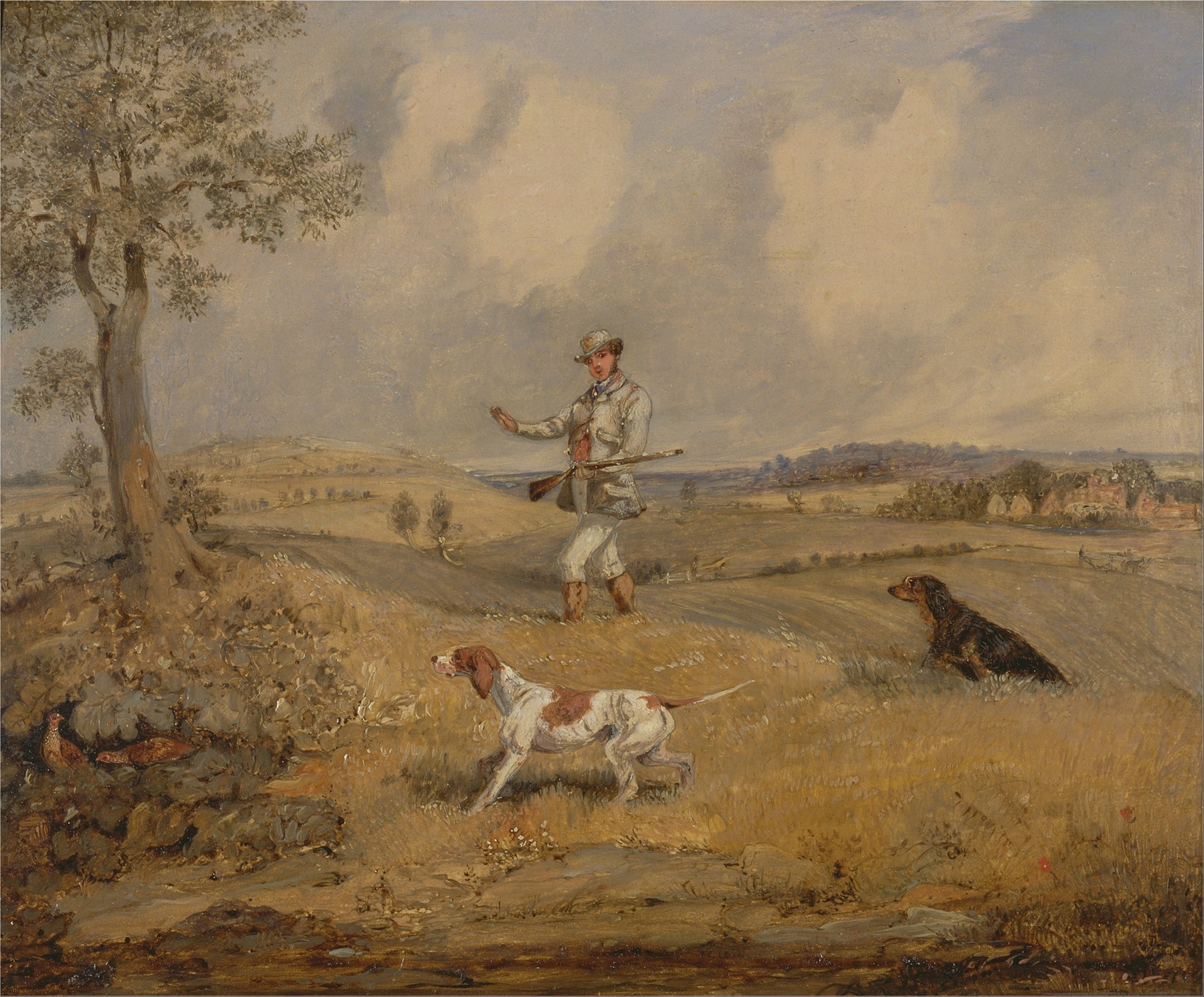
Did the painter know this moment would outlive them? A fleeting instant of triumph captured beneath the weight of the gunmetal sky, where nature’s embrace meets the thrill of the chase, yet leaves a haunting sense of emptiness. Look to the right at the hunters, poised on the precipice of their sport, their figures stark against the muted browns and greens of the landscape. The deft strokes of the brush breathe life into their silhouettes, while the dark clouds loom above, casting long shadows that mirror the tension in the air. Notice how the vibrant plumage of the birds contrasts sharply with the earthy tones, drawing the eye to the fragility of life amidst the fervor of desire.
The artist’s attention to detail showcases the painstaking craftsmanship, from the textured fur of the dogs to the glint of the shotguns, grounding the scene in both realism and artistry. Beneath the surface, deeper meanings emerge—what lies beyond the immediate satisfaction of conquest? The emptiness of the triumphant hunters suggests an introspection often overlooked, a questioning of the morality and purpose behind their sport. The vast expanse of the moors hints at both freedom and isolation, challenging the viewer to consider the cost of such pursuits.
Here, success is met with an undercurrent of desolation, evoking the poignant dilemma of man versus nature. Henry Thomas Alken painted this work in 1825 during a period when sporting art flourished in England, reflecting the upper-class leisure activities of the time. A keen observer of the social landscape, Alken often depicted hunts and other outdoor pursuits, capturing the cultural zeitgeist as well as the burgeoning interest in naturalism. As society shifted, his works began to highlight not only the exuberance of sport but also the darker implications surrounding it, encapsulating a moment that resonates with both joy and hollowness.