Partridge Shooting — History & Analysis
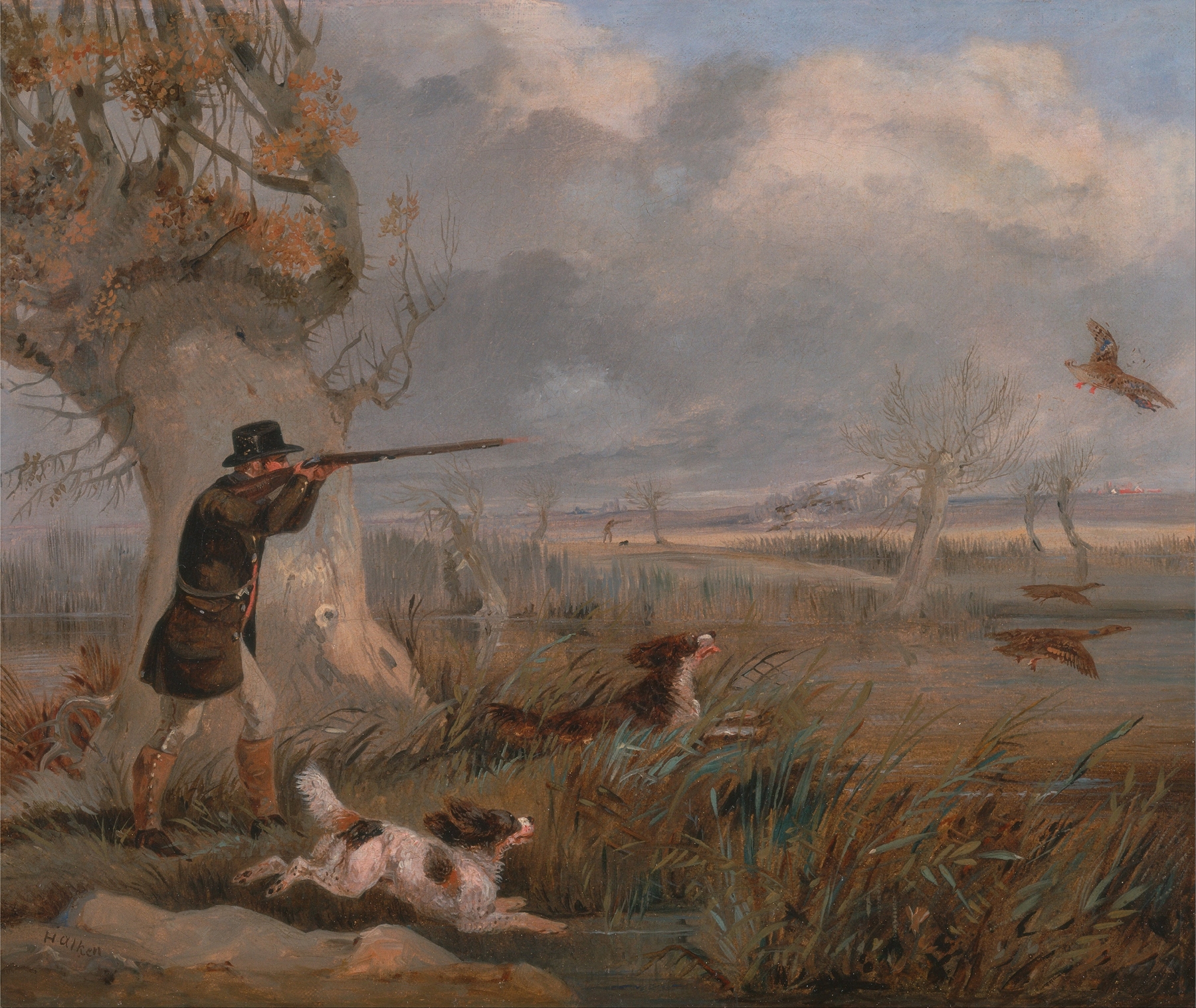
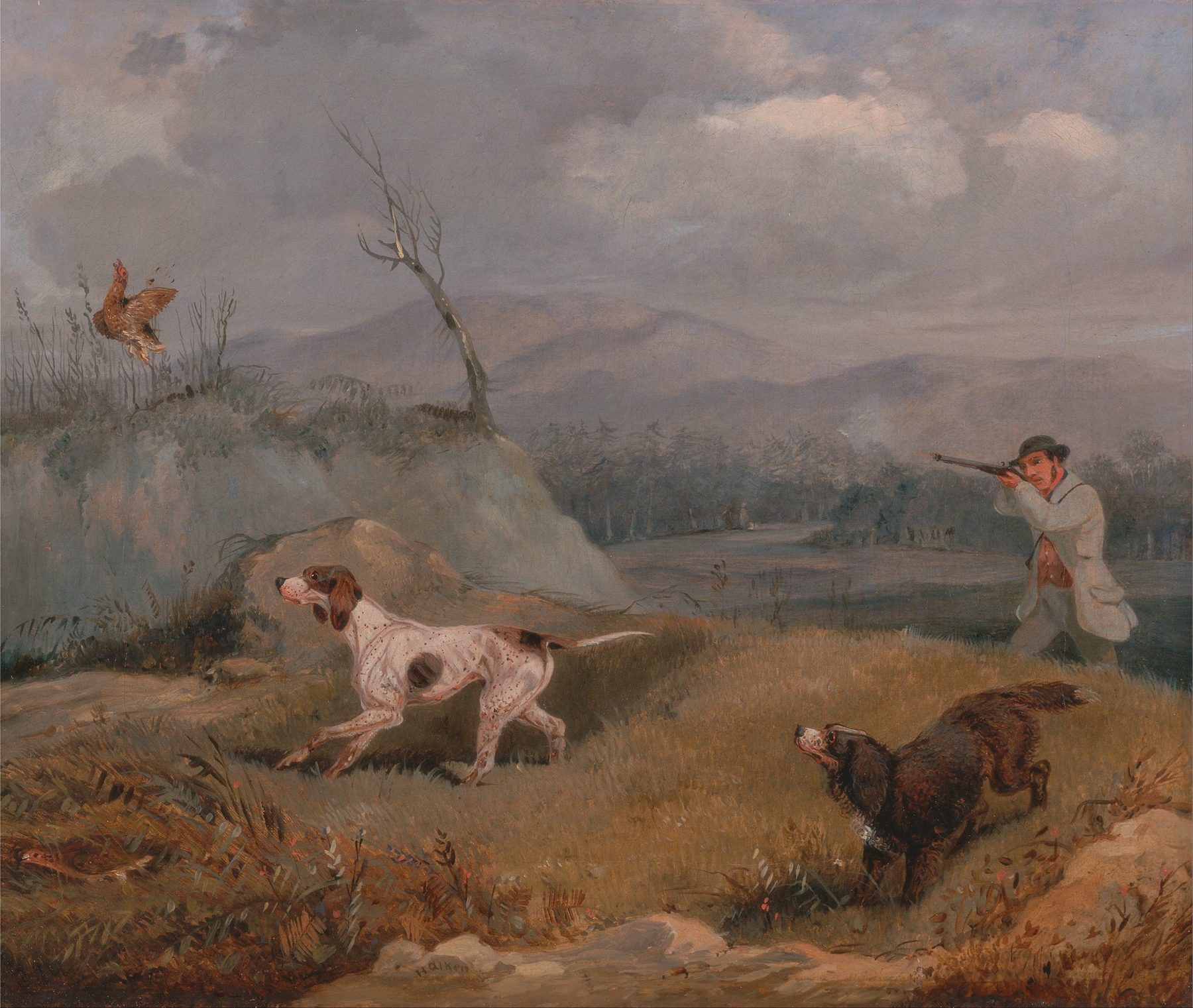
“Every brushstroke is a heartbeat remembered.” In the world of art, capturing awe is both a challenge and a triumph, a fleeting moment rendered permanent. Focus on the vibrant tableau that unfolds before you in Partridge Shooting. The canvas bursts with life as hunters, poised with precision, appear almost as silhouettes against the expansive, mist-kissed landscape. Notice how the strokes of emerald and ochre convey the lush, fertile ground where the partridges roam, inviting you to feel the rush of anticipation in the cool morning air.
The dynamic composition leads your eye across the scene, drawn first to the hunters’ tense stances before shifting to the flurry of birds taking flight, a moment suspended in time. As you delve deeper, consider the contrasts at play: the serene beauty of the countryside juxtaposed with the urgency of the hunt evokes a palpable tension between nature and man. Each figure is not merely a hunter but a participant in the dance of survival, their expressions reflecting a mix of determination and reverence. The rich palette expresses a sense of awe for both the thrill of the chase and the splendor of the natural world, suggesting a relationship that is as complex as it is visceral.
Henry Thomas Alken painted Partridge Shooting in 1825, a time marked by the Romantic movement, which celebrated both nature's beauty and human adventure. Living in England, Alken was immersed in a society where hunting was not just sport but a reflection of social status and connection to the land. His works often encapsulated this duality, positioning him as a key figure in the narrative of early 19th-century British art, where the interplay between man and nature was increasingly scrutinized and celebrated.