Scenes From a Steeplechase: Another Hedge — History & Analysis
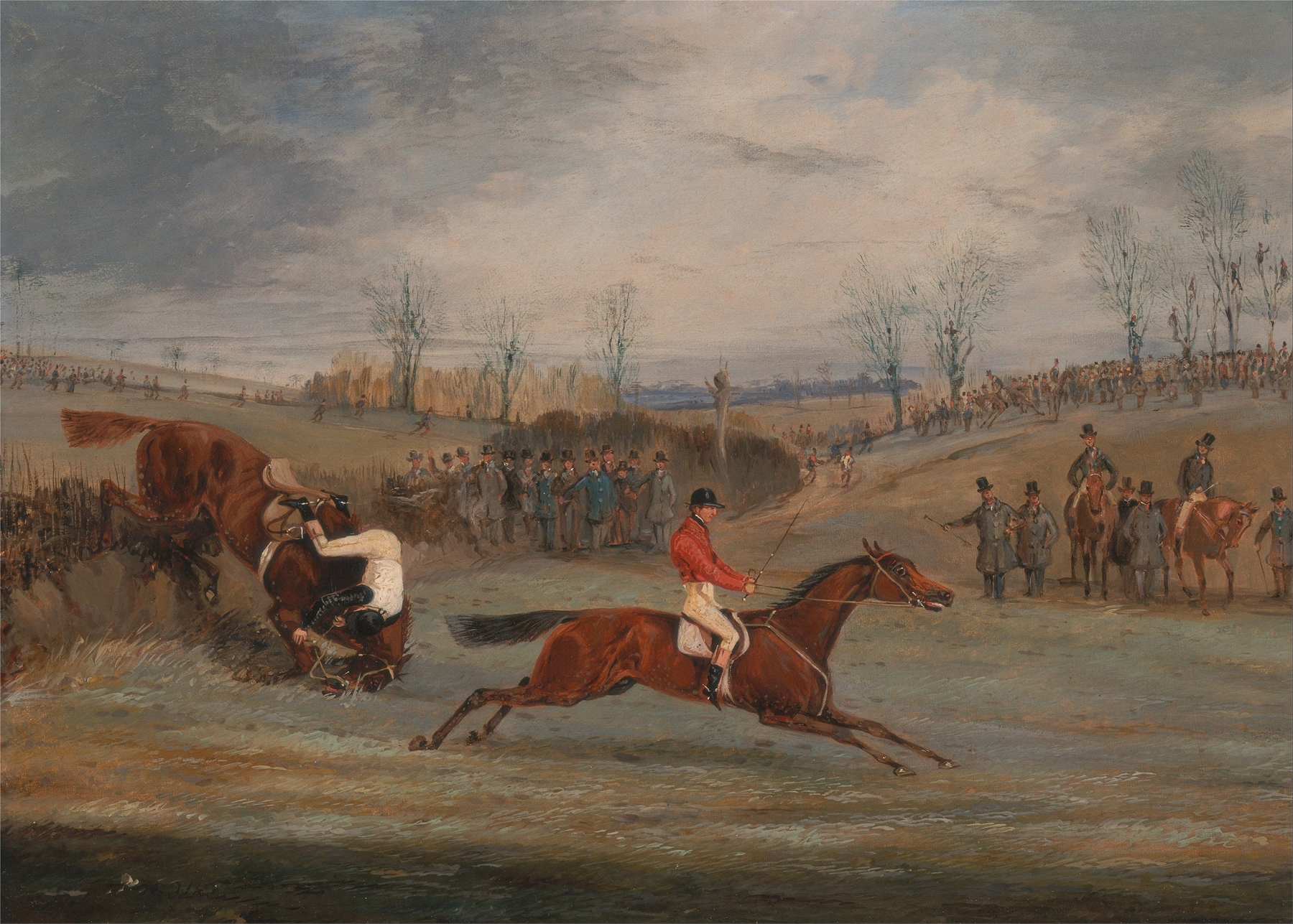
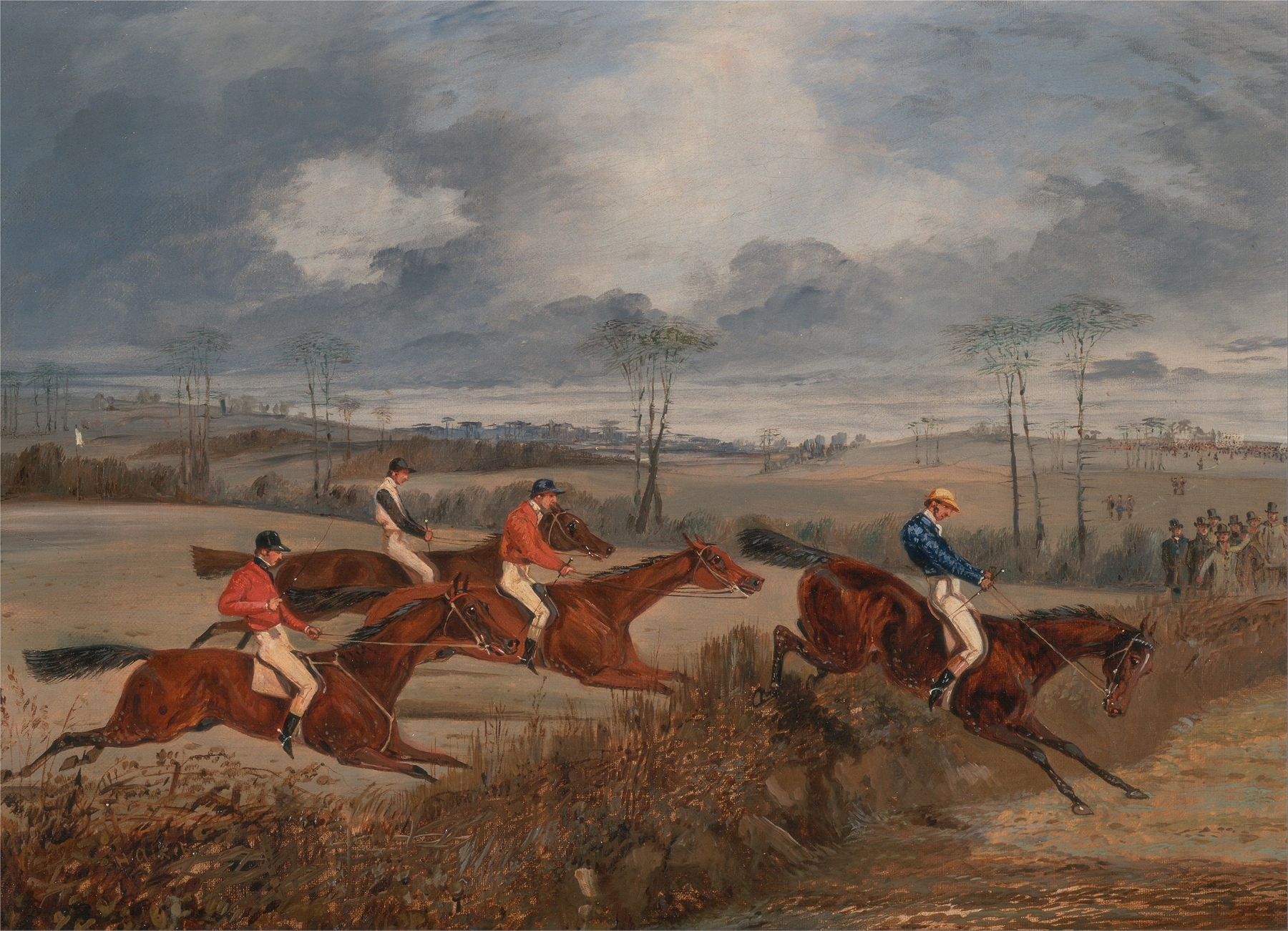
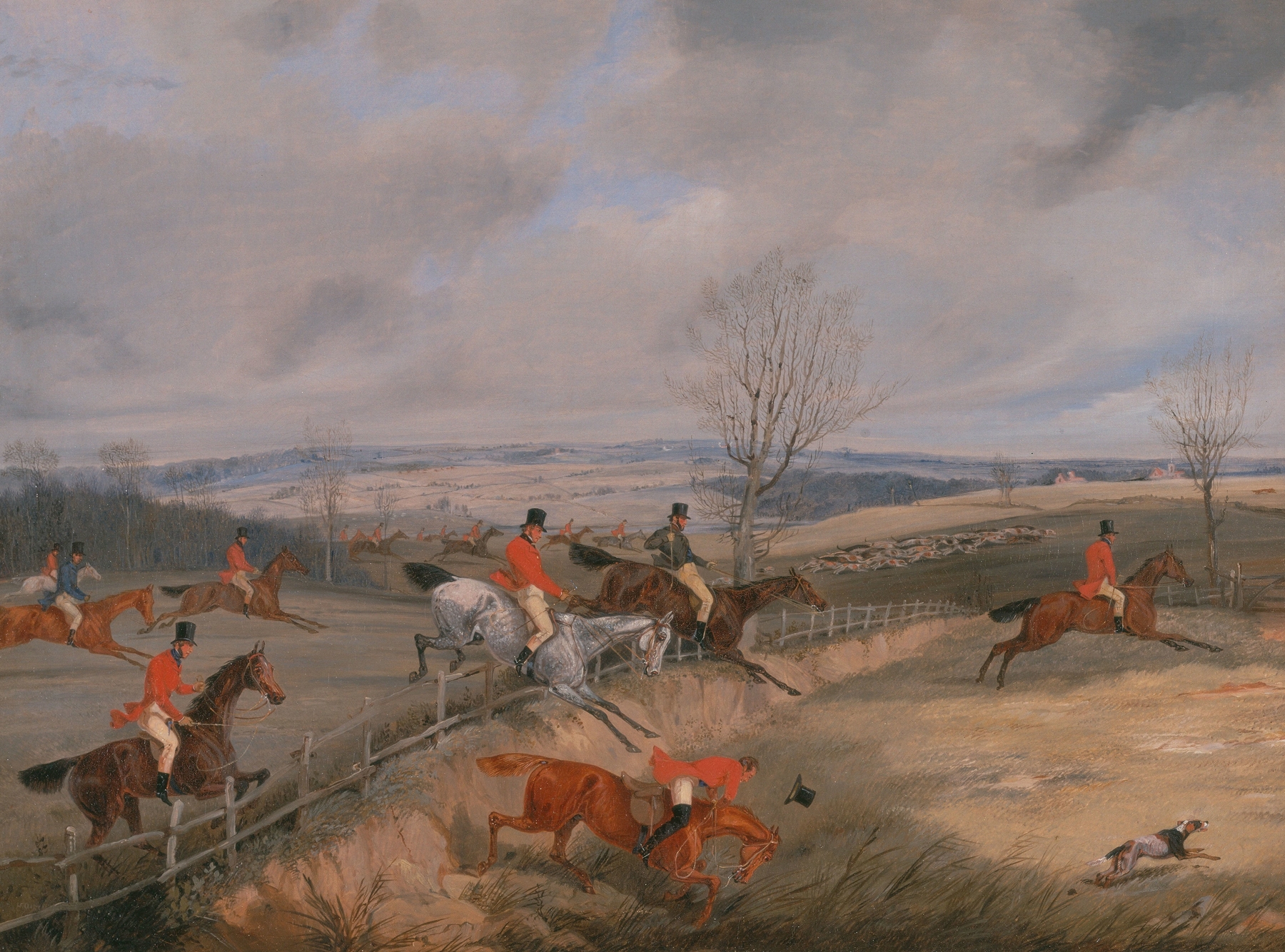
Where does light end, and longing begin? This question resonates vividly in the world captured by Scenes From a Steeplechase: Another Hedge, where every figure and shadow speaks to the unquenchable desire for exhilaration and triumph. Look to the right at the horseman poised mid-leap, muscles taut and determination etched across his face. The vibrant greens of the pasture contrast sharply with the earthy browns of the horse, embodying the raw energy of the chase.
Notice how the sunlight spills over the scene, illuminating not just the riders but also the spectators watching with bated breath. The composition balances movement with stillness, creating a palpable tension that draws the viewer into the excitement of the moment. Delve deeper, and you’ll find layers of meaning woven into the fabric of the painting. The distance between the eager crowd and the daring riders evokes a subtle sense of separation, hinting at the emotional barriers that exist even in moments of shared thrill.
The trajectory of the horse appears to defy gravity, symbolizing the heights of ambition, while the scattered shadows represent the lurking fears and unseen obstacles. Each detail, from the fluttering hats of the onlookers to the anxious grip of the reins, tells a story of longing intertwined with the pursuit of glory. In 1845, Henry Thomas Alken painted this work during a time when the steeplechase was gaining popularity in England, reflecting the cultural fascination with the sport and its embodiment of social status. Alken, known for his depictions of equestrian life, used this piece to capture not only the excitement of the race but also the broader societal dynamics of his time, illustrating a world where passion for sport intermingled with the complexities of human aspiration.