Hunting Scene: The Kill — History & Analysis
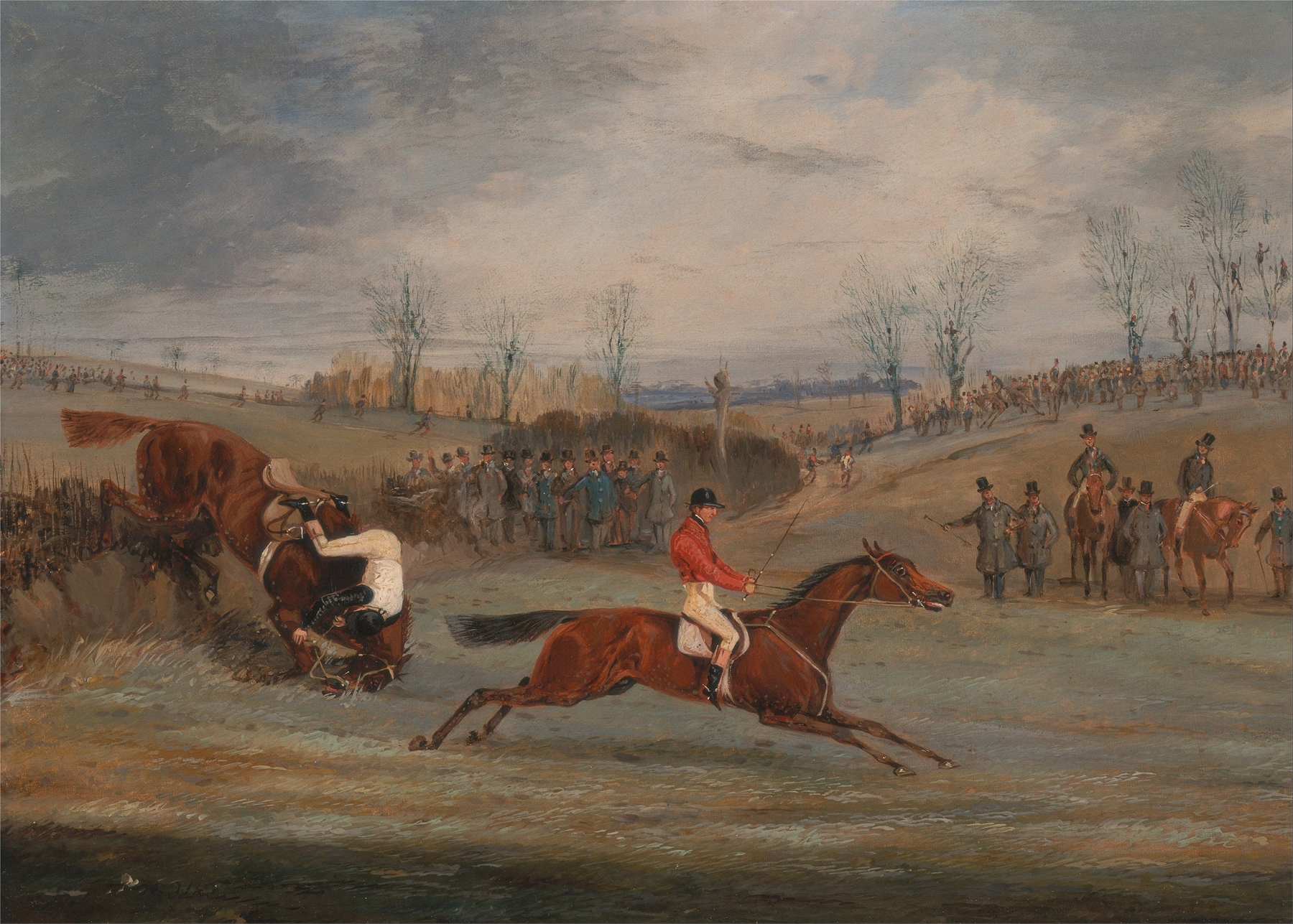
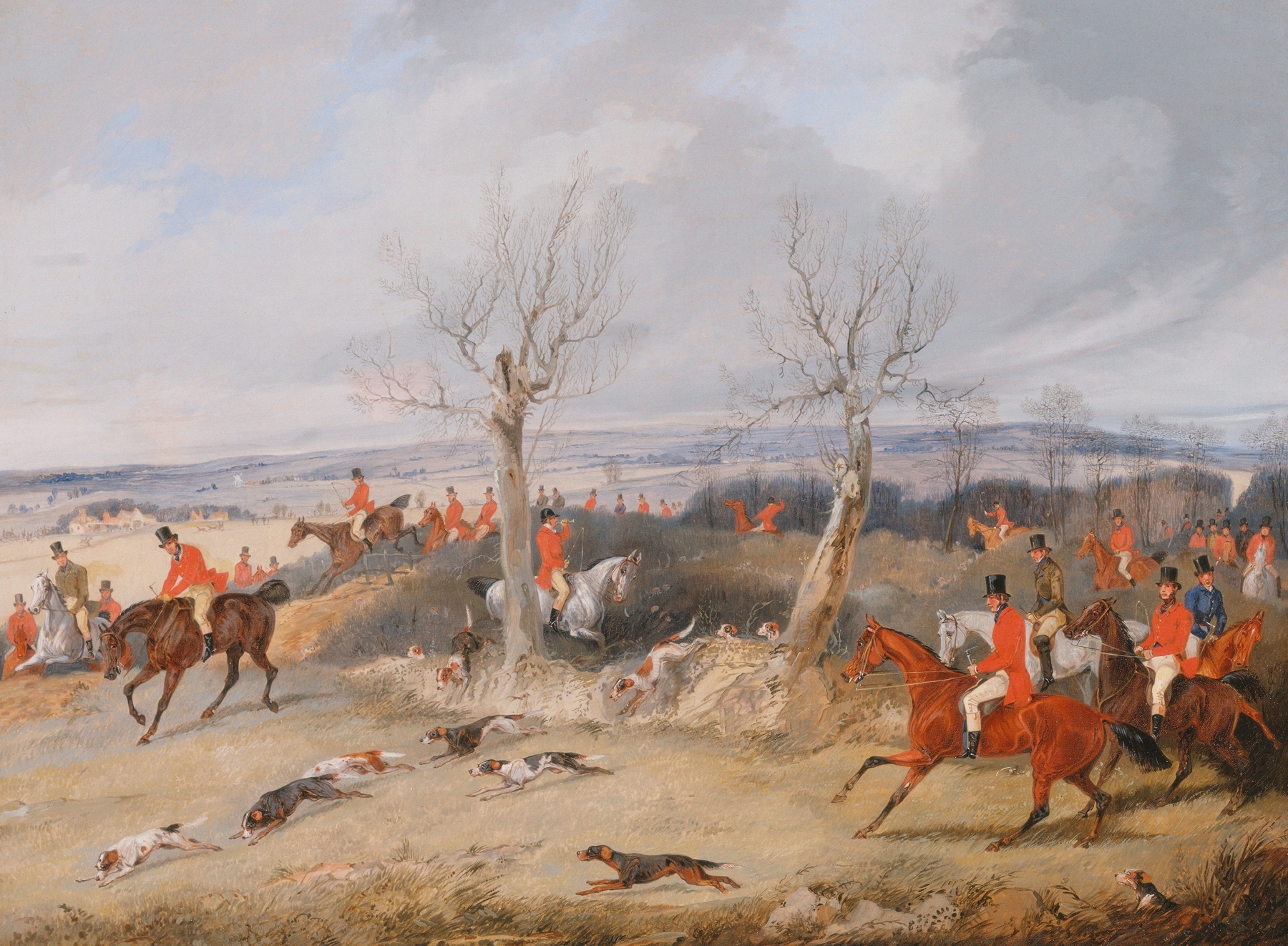
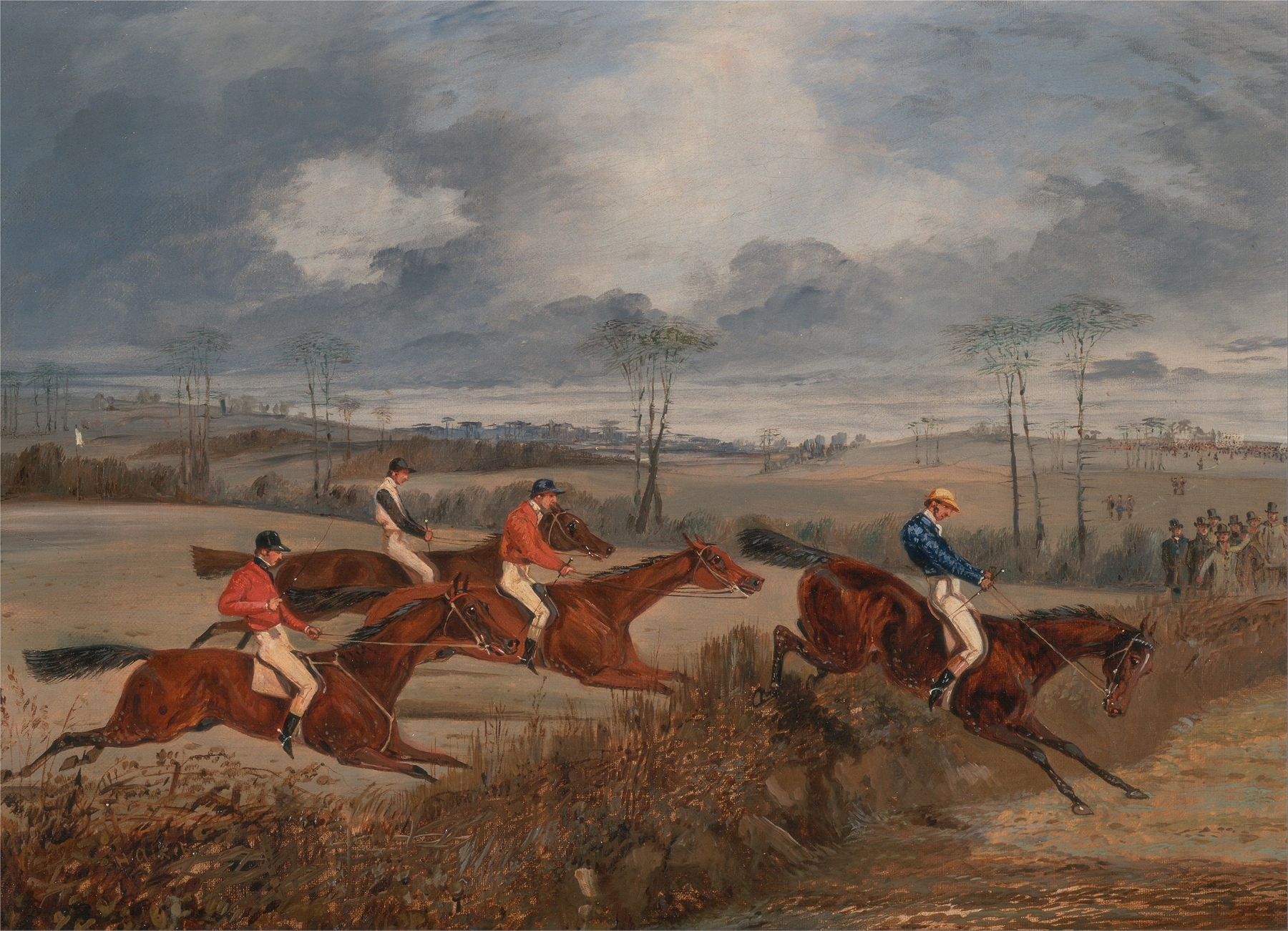
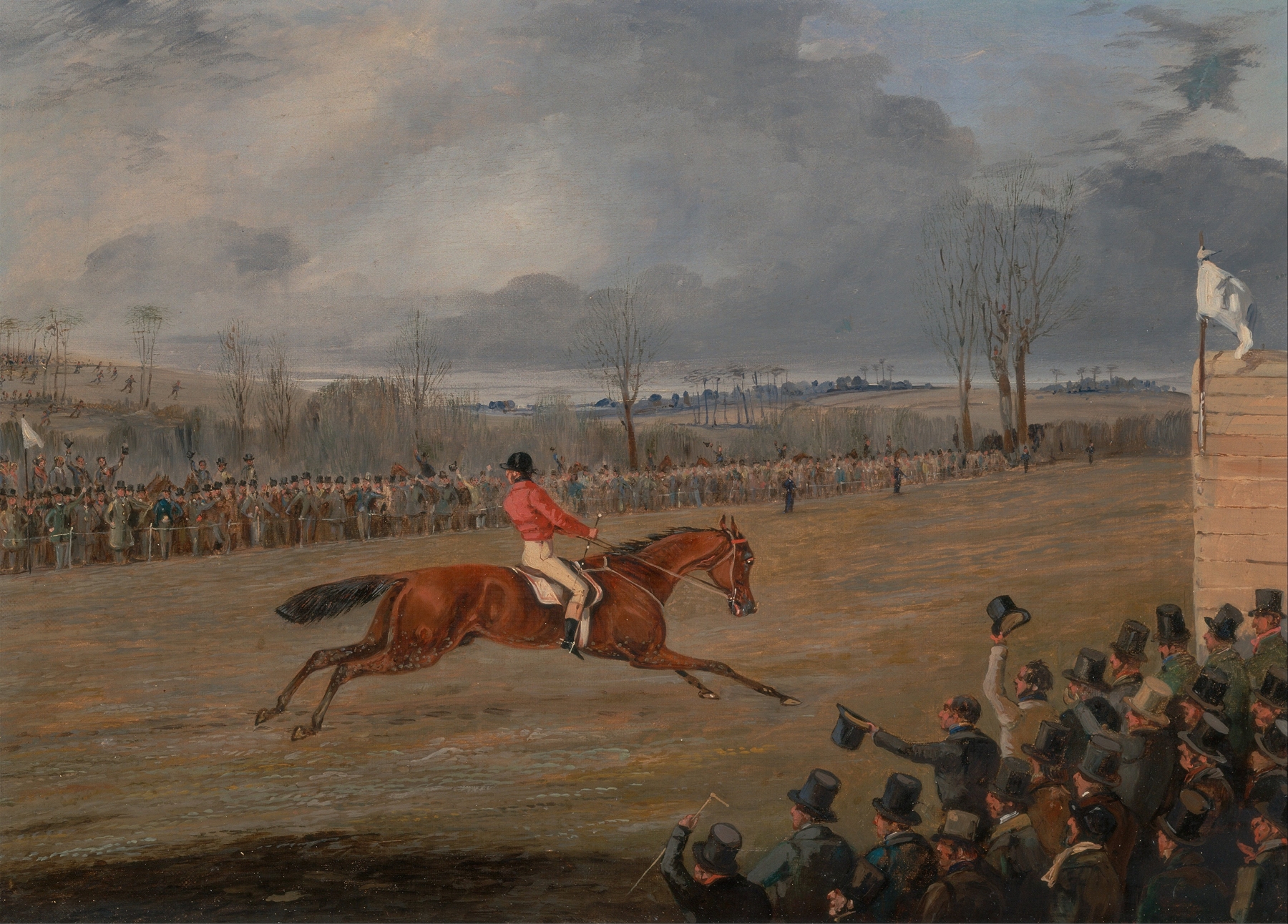
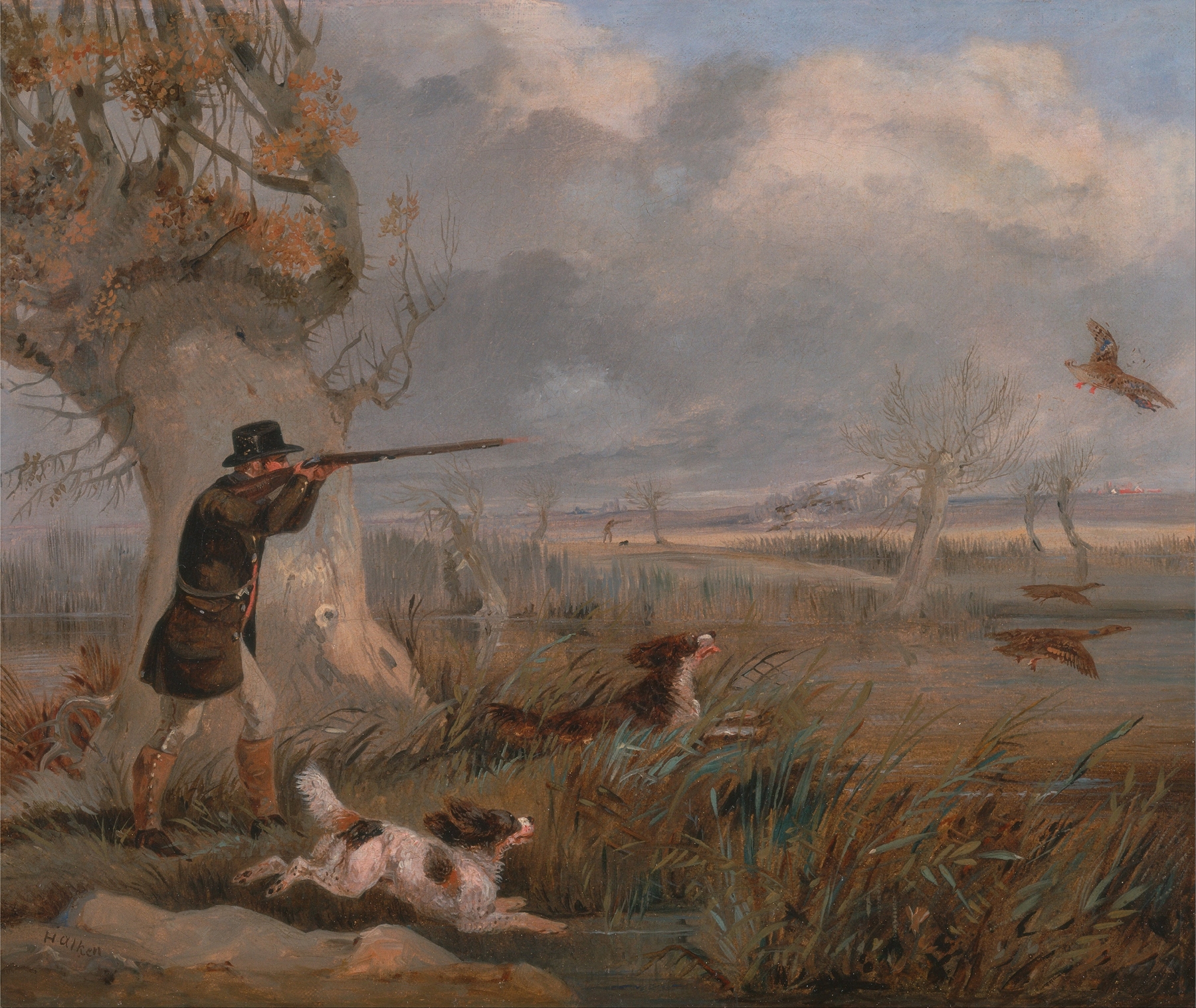
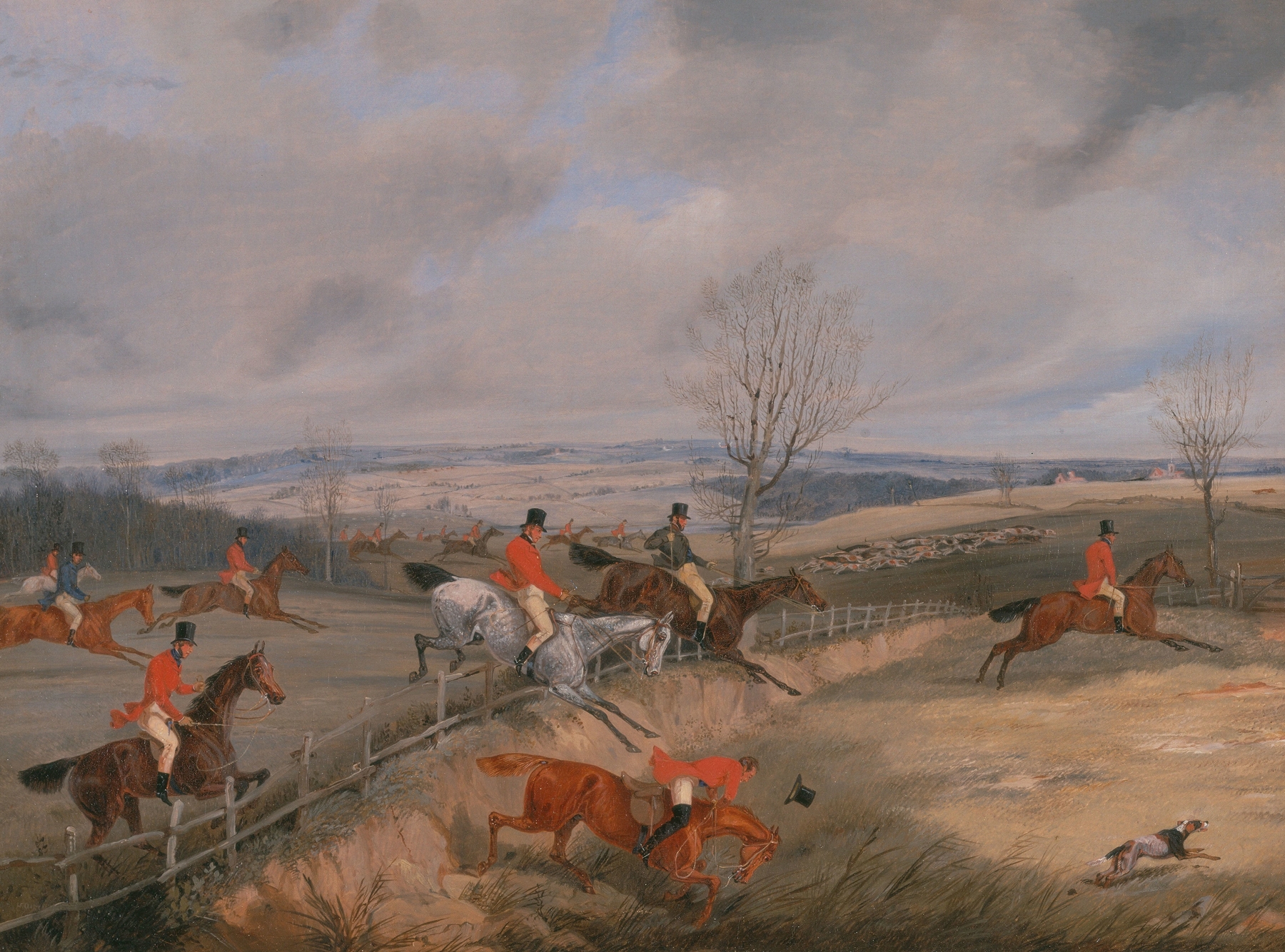
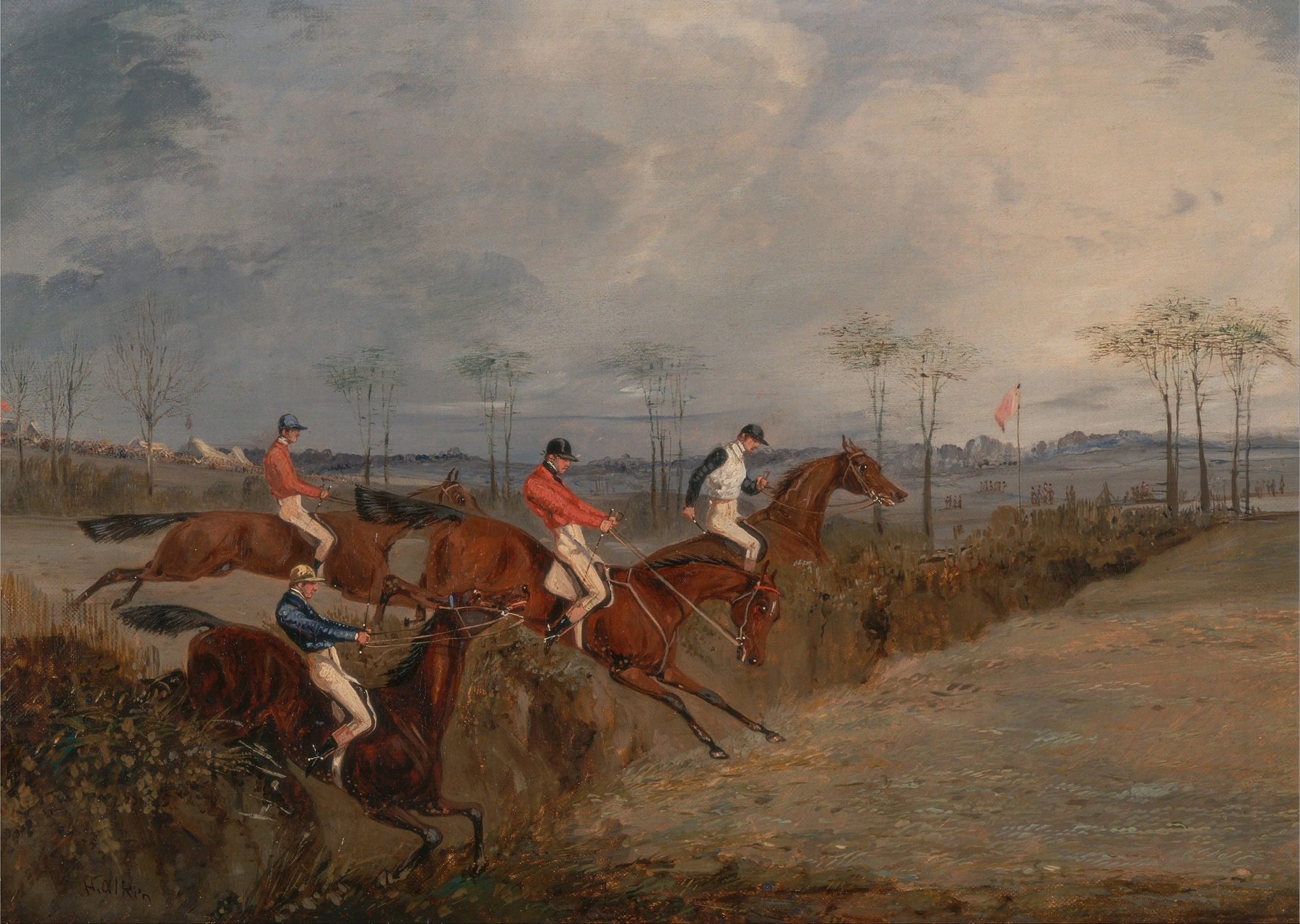
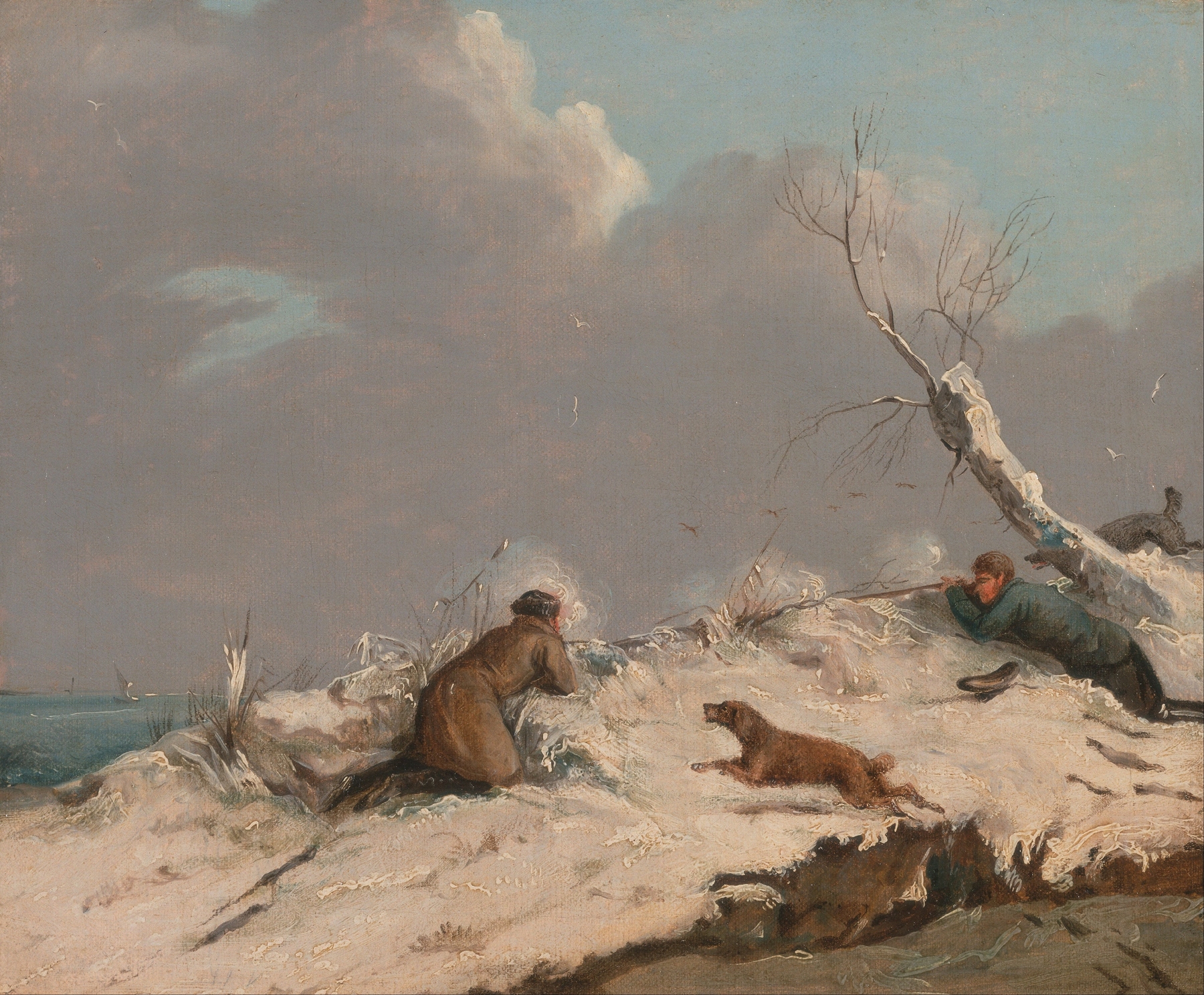
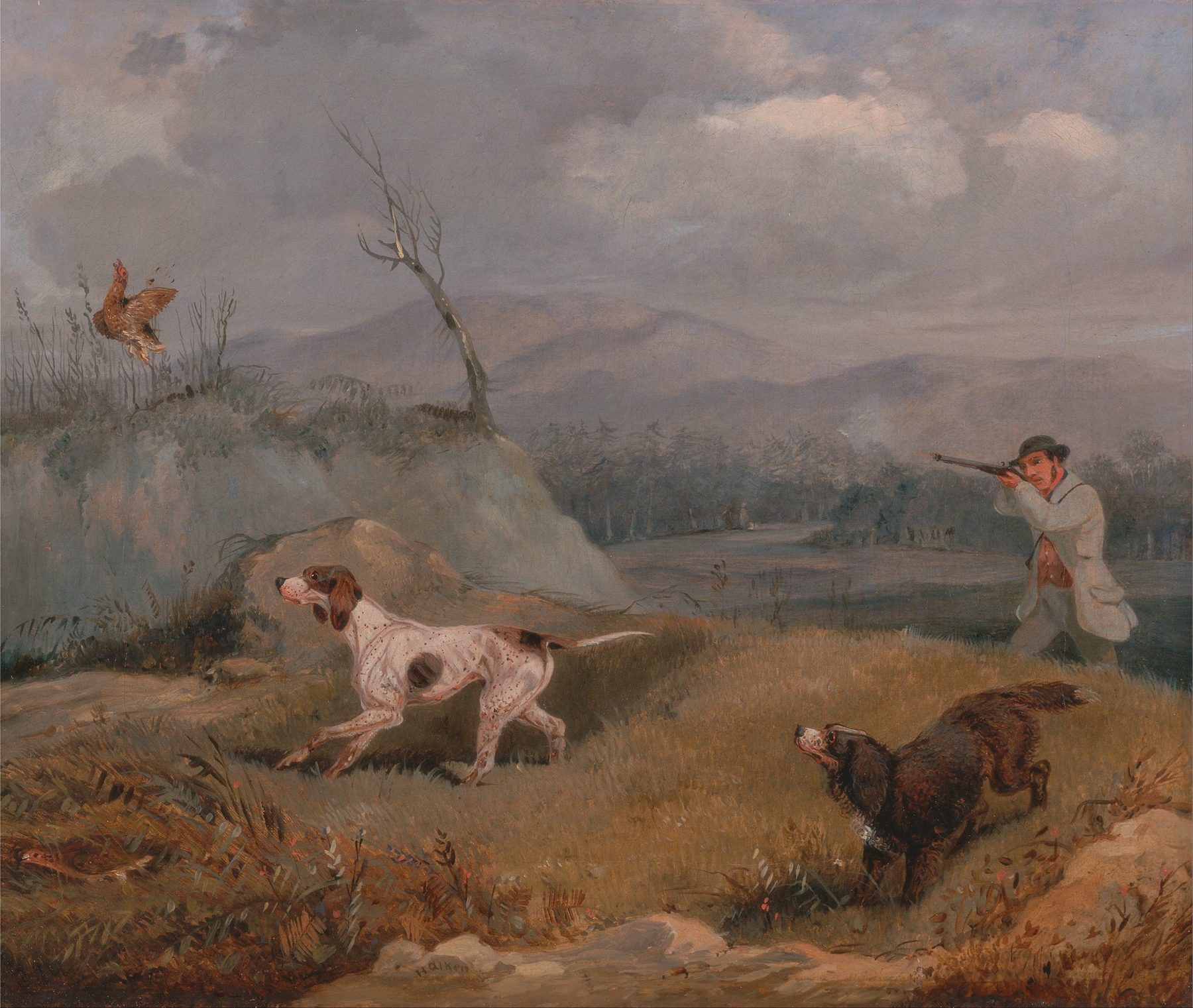
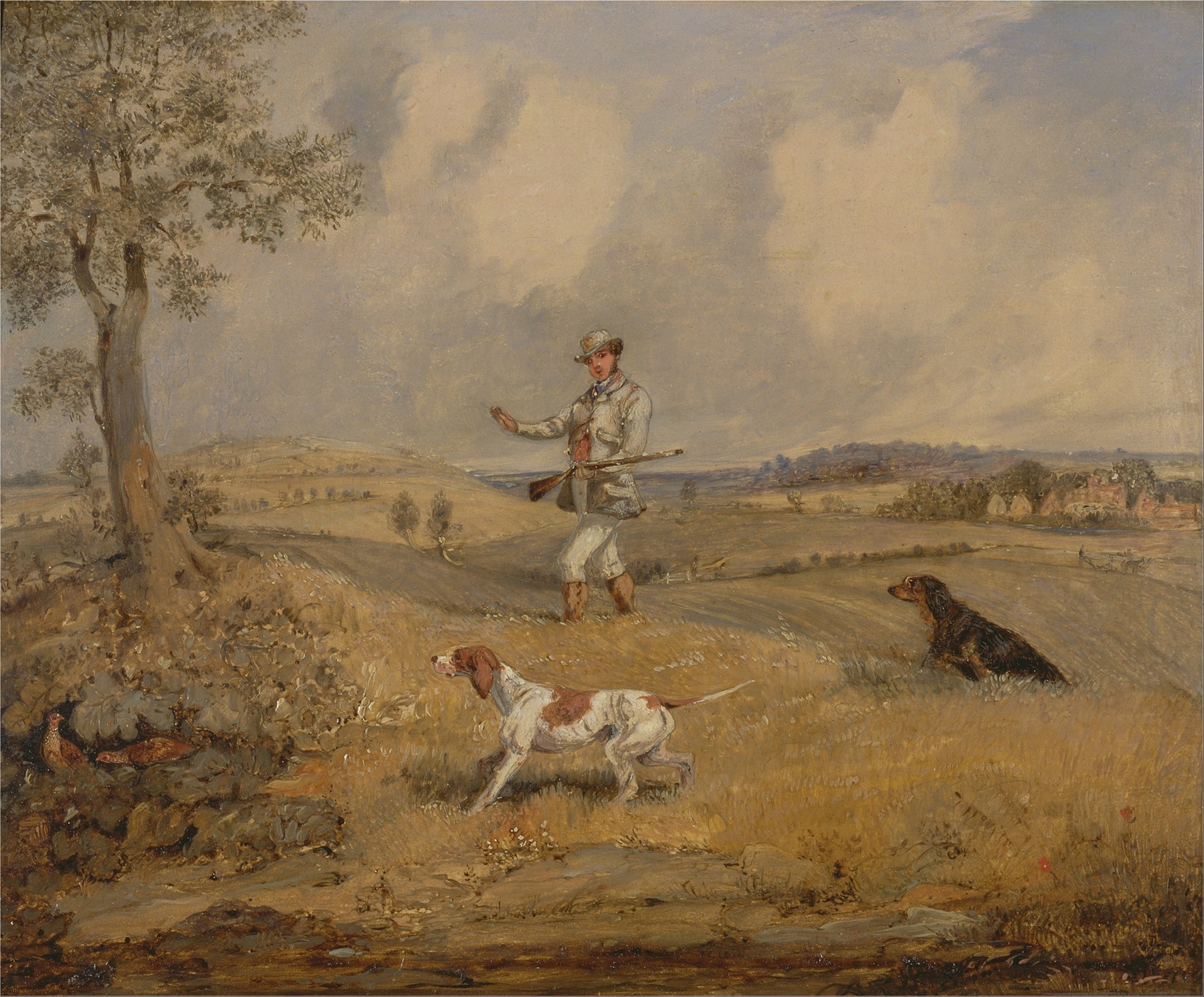
“Sometimes beauty is just pain, disguised in gold.” In Hunting Scene: The Kill, the pulse of nature’s cycle unfolds with a raw, haunting elegance. The vibrant hues of the hunt evoke a visceral awakening—both of life and death—capturing the essence of existence in motion. Focus first on the central figures: the hunters, clad in rich, saturated colors that contrast sharply with the muted earth tones of their quarry. Look closely at the tension in their bodies, poised yet powerful, as they bend forward, embodying the urgency of the chase. Notice how the light caresses the scene, highlighting the glisten of sweat on brow and the glint of weapons, creating a chiaroscuro effect that amplifies the drama.
The composition draws you into the visceral immediacy of the moment, where every detail speaks to the feral beauty of the wilderness. Delve deeper into the emotional layers beneath the surface. The vibrant reds of the hunters’ attire symbolize both pride and violence, while the subdued palette of the slain animal evokes sorrow and loss. This duality captures the viewer’s attention, forcing an acknowledgment of the harsh truths that lie within nature’s beauty.
The juxtaposition of life and death creates a tension that lingers long after the eye has moved on, prompting reflection on the hunter's role in this relentless cycle. In 1840, Alken was entrenched in a world that celebrated the aristocratic pursuits of hunting and leisure, reflecting the leisure activities of the British gentry. Amidst the backdrop of industrial change, his work served as both a commentary on and an escape from the evolving societal norms. His art not only illustrated hunting scenes but also encapsulated the complex relationship between man and nature during a time of great transformation.